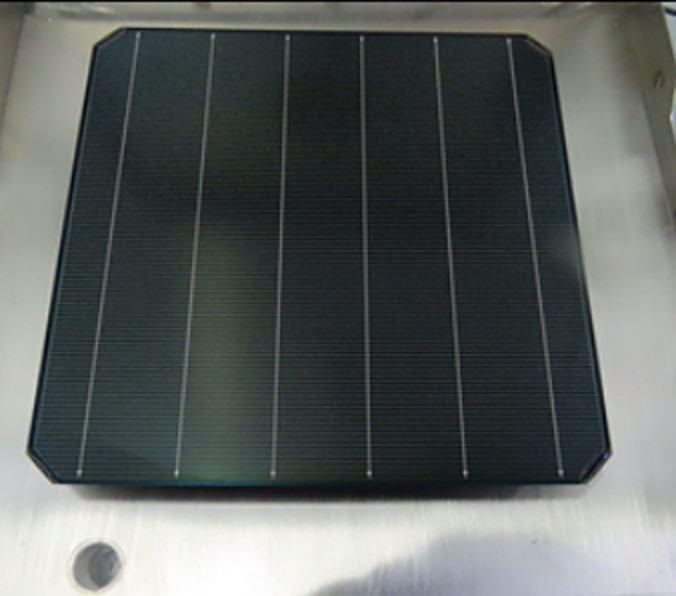
A German research team conducted a techno-economic analysis of POLO back-junction (BJ) solar cells in Germany, finding that they can offer significant cost and efficiency advantages over PERC technology. Their results show that POLO BJ enables lower production costs, reduced silver use, and lower levelized electricity costs, making it a promising candidate for competitive European PV manufacturing.
May 26, 2026
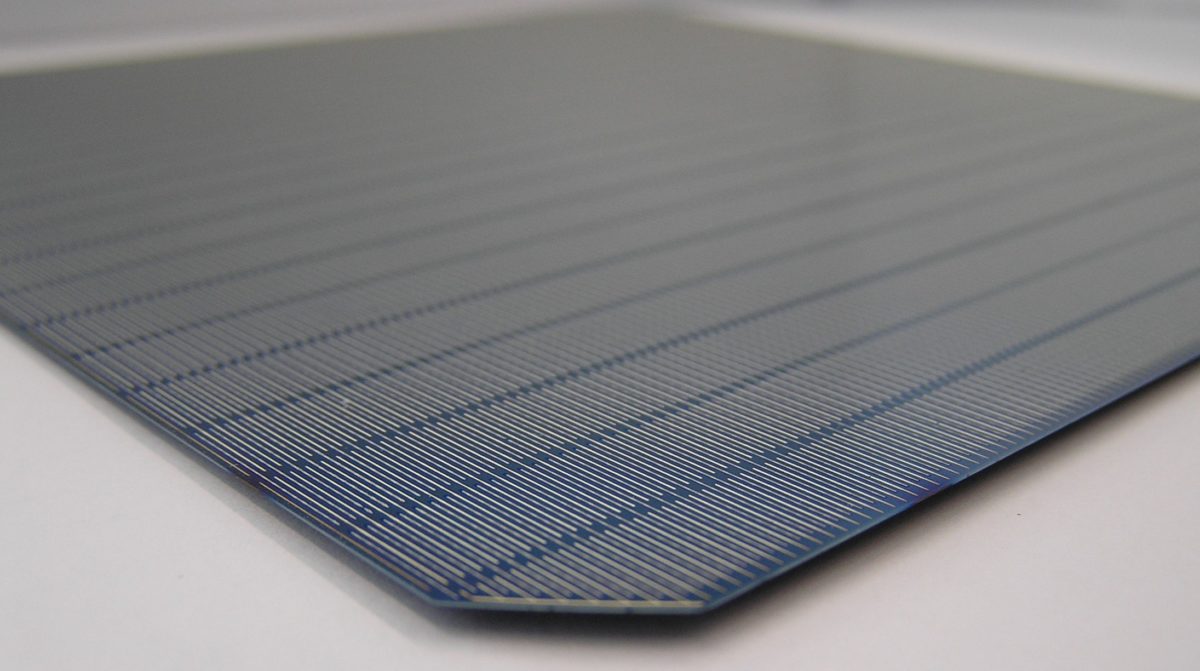
Researchers from the German Aerospace Center (DLR) have conducted techno-economic analysis of producing n+-type polysilicon on oxide (POLO) back junction (BJ) solar cells in Germany and have concluded that the associated costs and benefits could be significant compared with photovoltaic cells manufactured using passivated emitter and rear cell (PERC) technology.
“We conducted the research in collaboration with the Institute for Solar Energy Research Hamelin (ISFH), Centrotherm and German technology company LPKF,” the research's lead author, Juan Camilo Gómez Trillos, told pv magazine. “We analyzed the production costs and minimum sustainable price of the emerging POLO BJ cells with n+-type passivating poly-Si on oxide (POLO) rear contacts, assuming its production under industrial conditions and analyzing from cell production costs down to electricity generation costs. The POLO BJ concept allows higher efficiencies for photovoltaic cells compared to concepts without passivating contacts. In addition, the POLO BJ concept has certain advantages compared to the cell concepts in the market, such as lower silver consumption allowing lower production costs, or leaner process flow.”