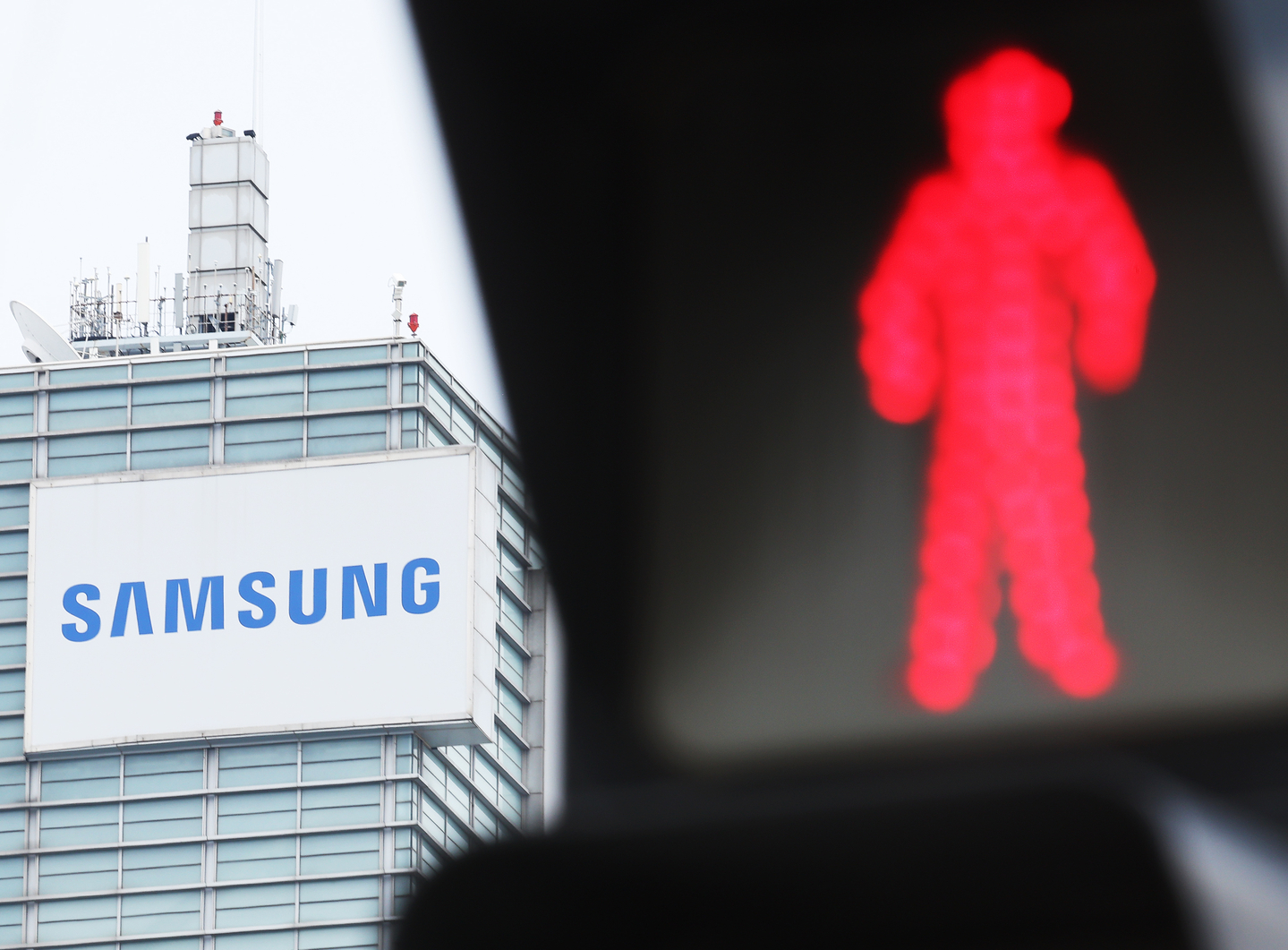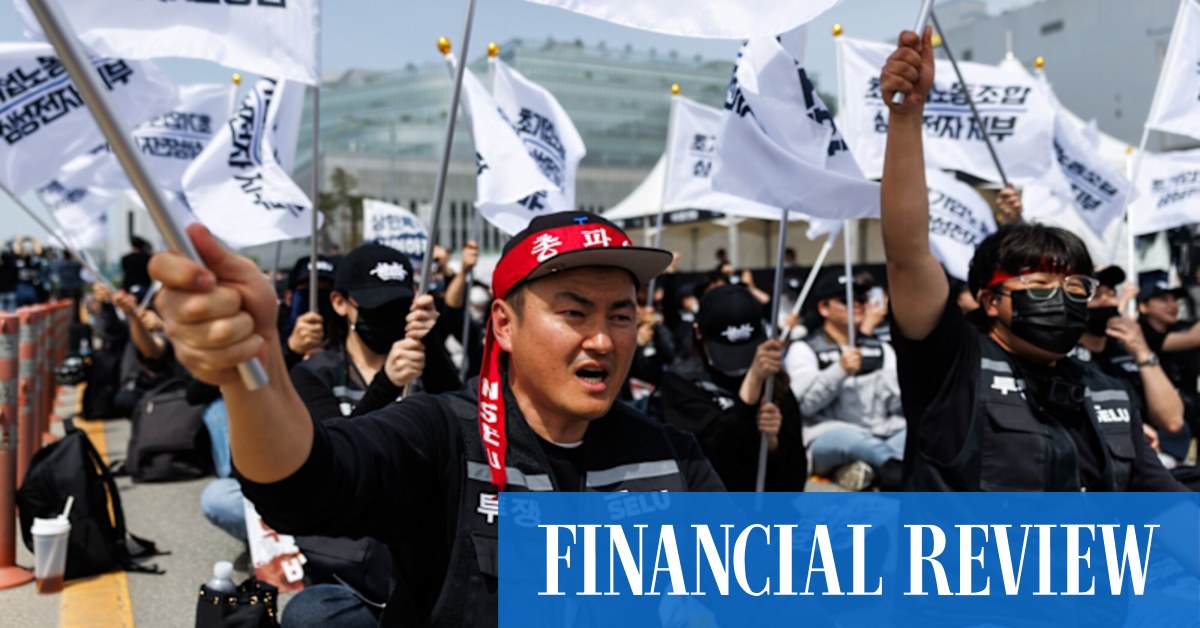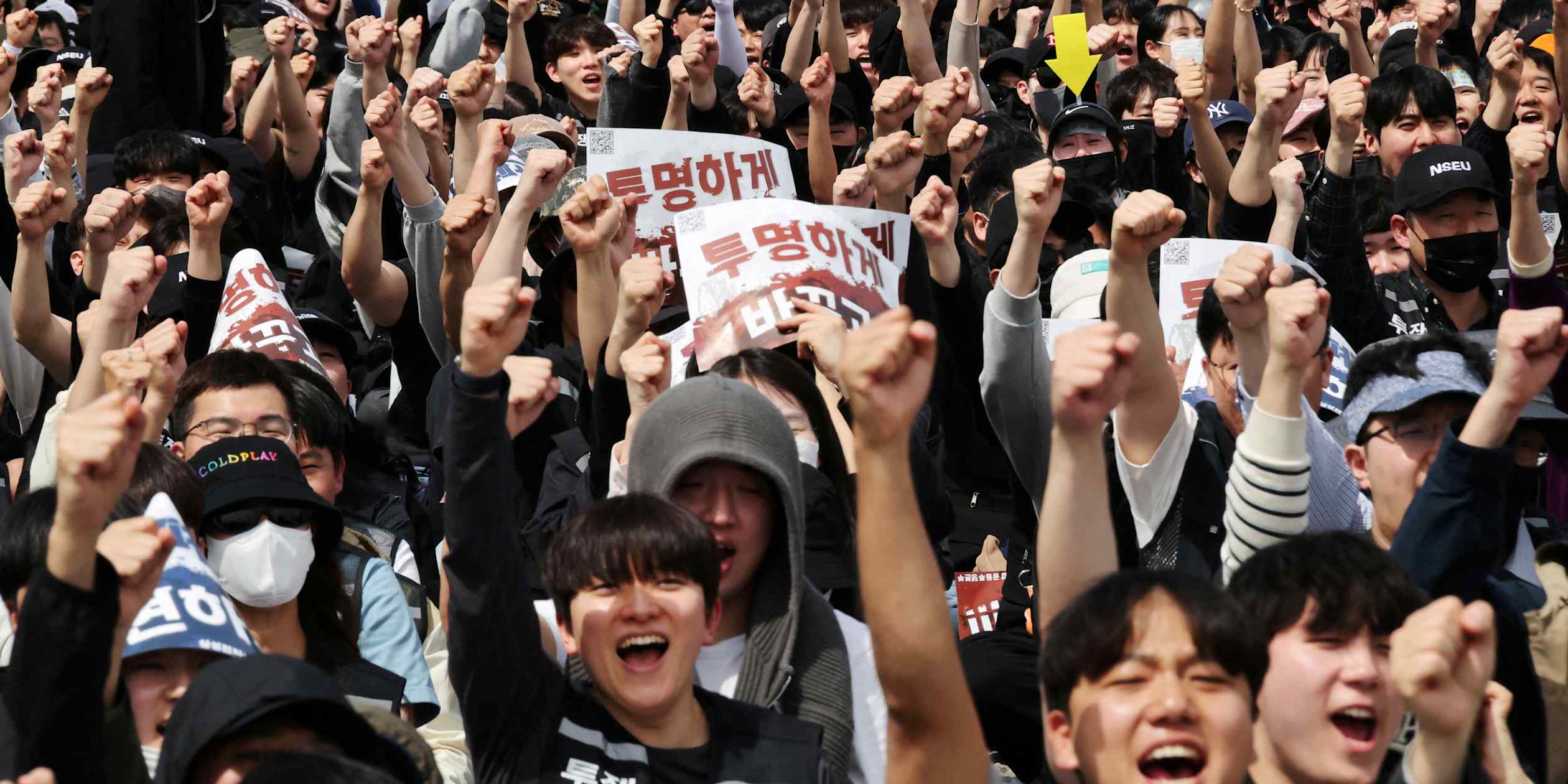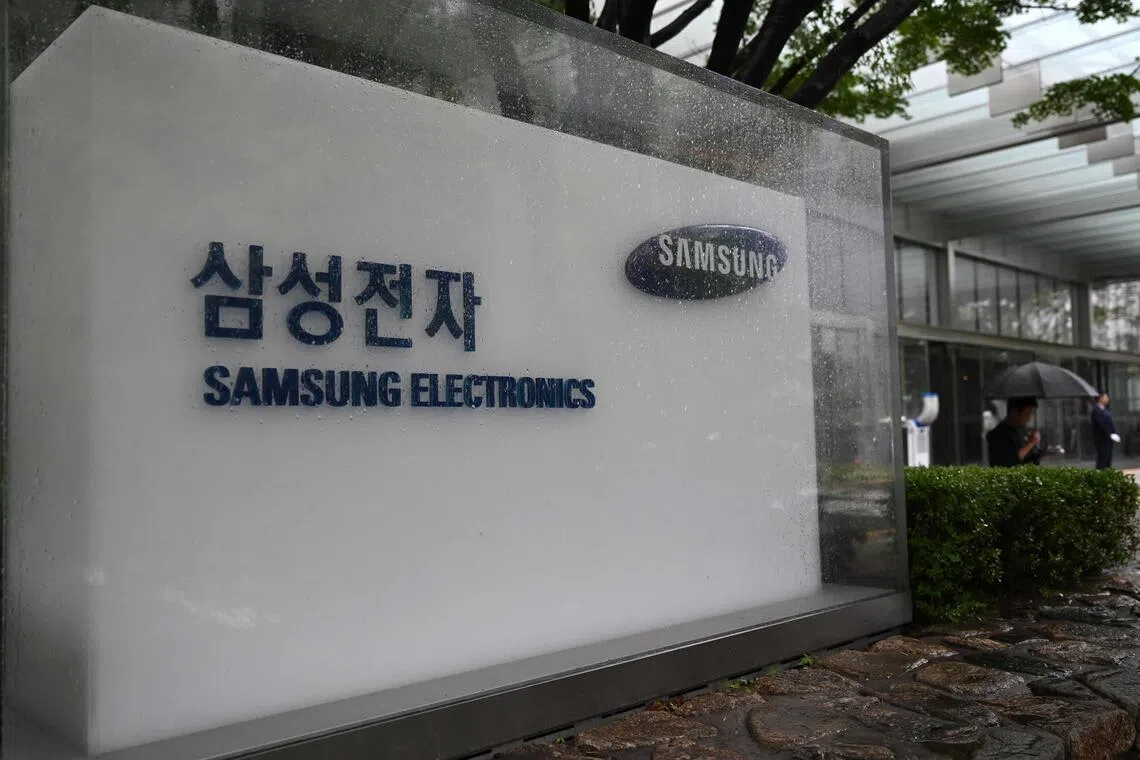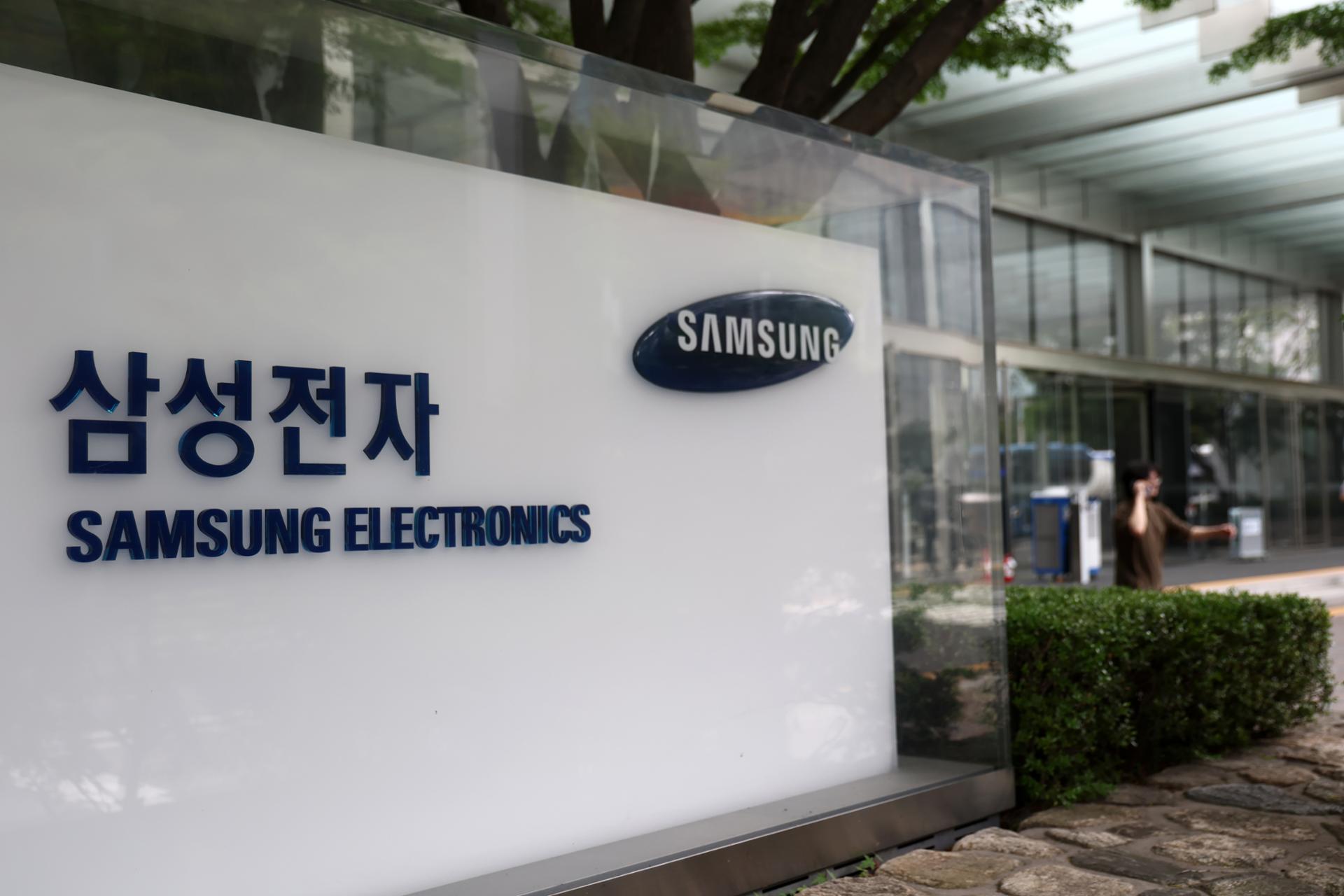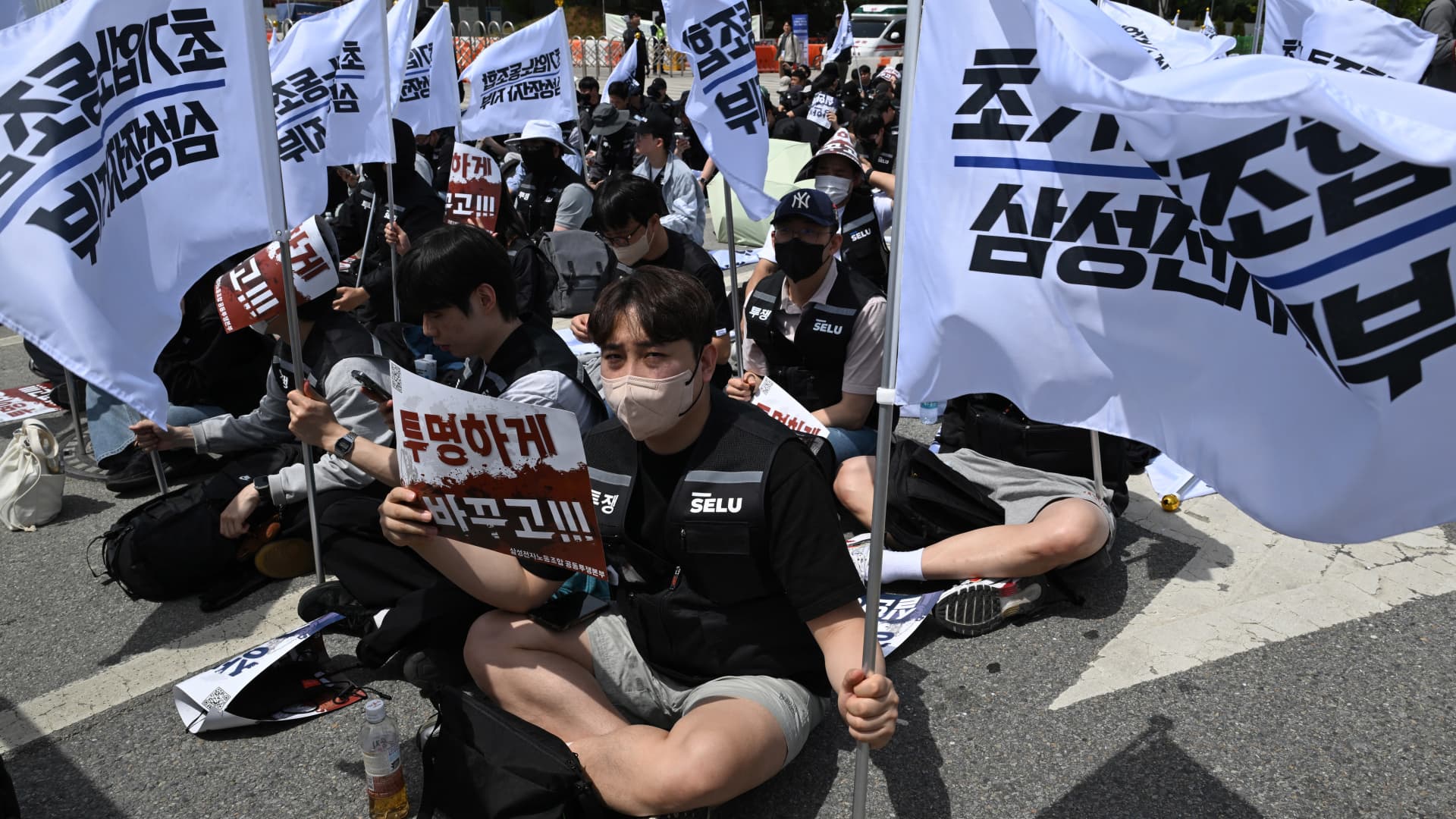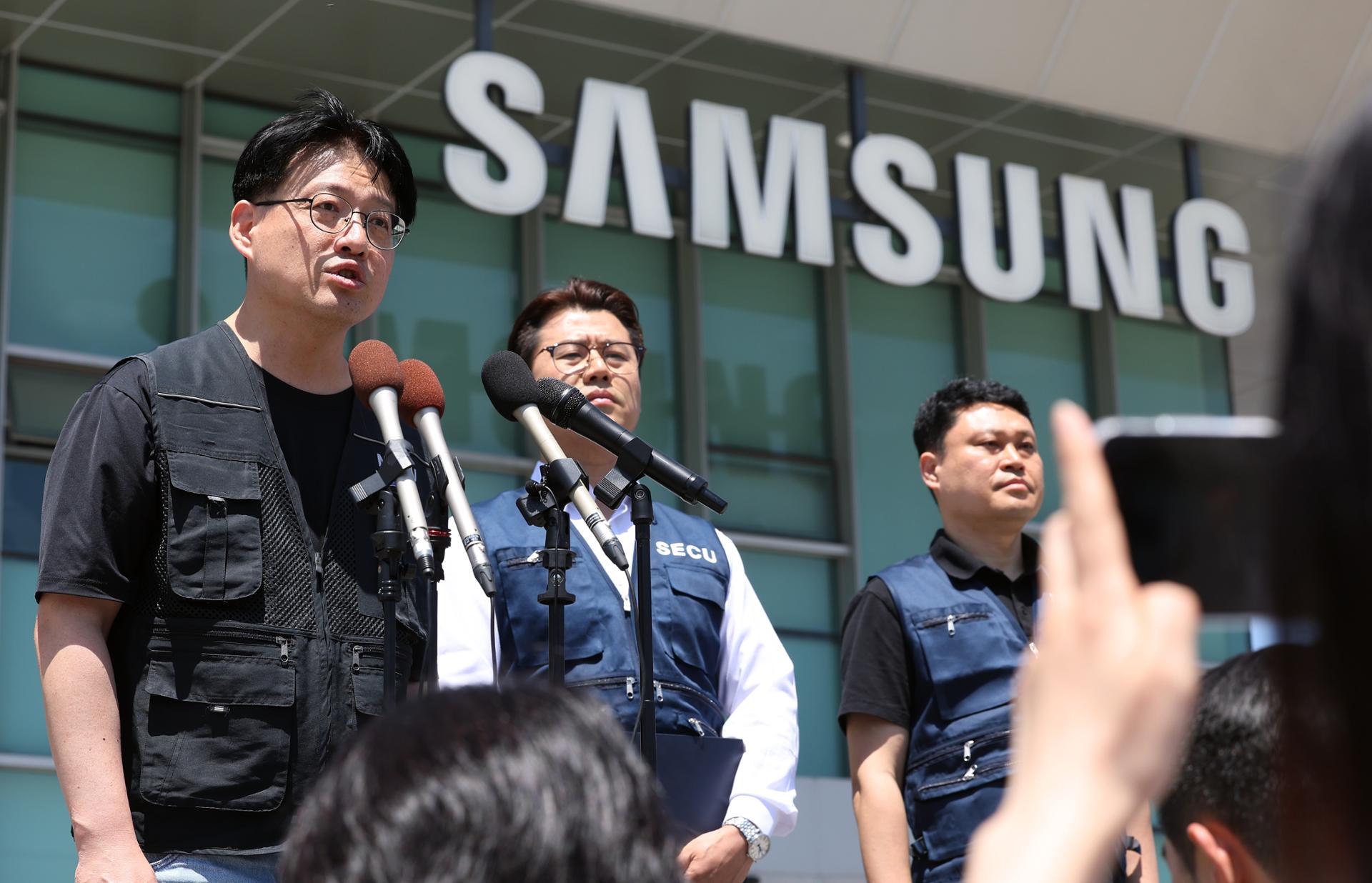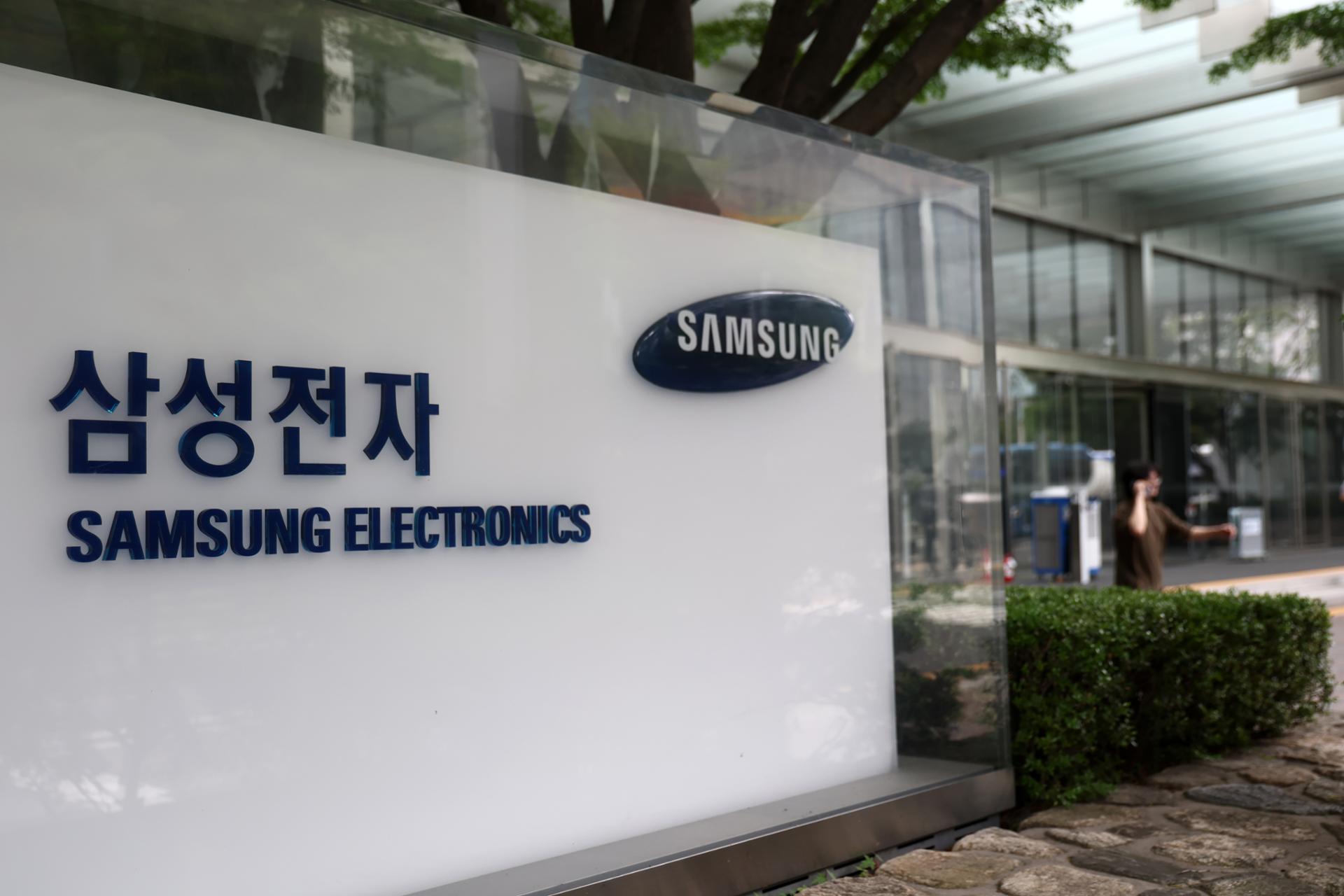
Samsung Electronics’ headquarters in Seocho-gu, Seoul / YonhapSamsung Electronics is still feeling the aftershocks of its labor dispute, with tensions resurfacing as union members vote on a tentative wage agreement. Semiconductor researchers have bristled at performance bonuses worth hundreds of millions of won, arguing that the payouts were still smaller than those received by employees in other divisions.Meanwhile, new government data shows that full-time science and engineering Ph.D.s newly hired by Korea’s public research institutes earned an average starting salary of just 48 million won (around $39,000). The finding has raised concerns of a drastic — and increasingly entrenched — pay gap among science and engineering professionals.Monday's tentative agreement between Samsung Electronics and its labor unions showed that an employee at the company’s semiconductor research lab with an annual salary of 100 million won would receive a total of 600 million won before taxes this year. The amount includes 50 million won under the existing overall performance incentive system, and an additional 440 million won in special bonuses secured through the recent negotiations.Still, rumblings of discontent continue inside the company. Employees with similar salaries in the memory business, which belongs to the same semiconductor-focused Device Solutions division, are expected to receive about 100 million won more than their counterparts at the research lab.Meanwhile, science and engineering professionals working at other institutions and companies are living in a very different reality from those at Samsung Electronics and SK hynix, where nine-figure bonuses have become part of the conversation.A survey conducted by the Ministry of Science and ICT and the Korea Institute of S&T Evaluation and Planning showed that compared to the average starting salary of 48 million won for new science and engineering Ph.D.s at Korea’s public research institutes, the average starting salary for new hires at private companies stood at 50 million won, while universities offered 60 million won on average.The survey also found that five years of work experience typically led to a salary increase of 10 million to 20 million won, pushing average annual pay to 79 million won for those working at universities, 61.5 million won at private companies and 57.7 million won at public research institutes, respectively.Still, the figures pale beside the compensation packages at Samsung Electronics, showing that even among science and engineering professionals, annual compensation can differ by more than tenfold depending on the organization they work for.Public research institutions say the pay gap is already taking a toll on their ability to hire new researchers. According to the survey, 43.8 percent of respondents from public institutions cited insufficient financial incentives as the biggest obstacle to strengthening their research ranks. While a handful of large corporations are drawing talent with staggering bonuses, universities and public institutions constrained by budgets and rigid salary structures are struggling to attract top researchers.The government has said it will unveil a five-year plan next month to foster and support growth in the science and engineering fields. But researchers on the ground say that the real issue is practical compensation.“The government’s R&D budget is at an all-time high, but there is little talk of raising salaries for assistant professors or senior researchers who actually carry out the research,” one researcher wrote on HiBrainNet, a recruitment platform for master’s and Ph.D. holders.“Korea does not lack Ph.D.s. What it lacks is a compensation structure that makes Ph.D.s willing to stake their lives on research,” the researcher added.This article from the Hankook Ilbo, the sister publication of The Korea Times, is translated by a generative AI system and edited by The Korea Times.
Far cry from Samsung: Public sector researchers in Korea make ₩60 mil. a year - The Korea Times
Samsung Electronics is still feeling the aftershocks of its labor dispute, with tensions resurfacing as union members vote on a tentative wage agre...
590 words~3 min read