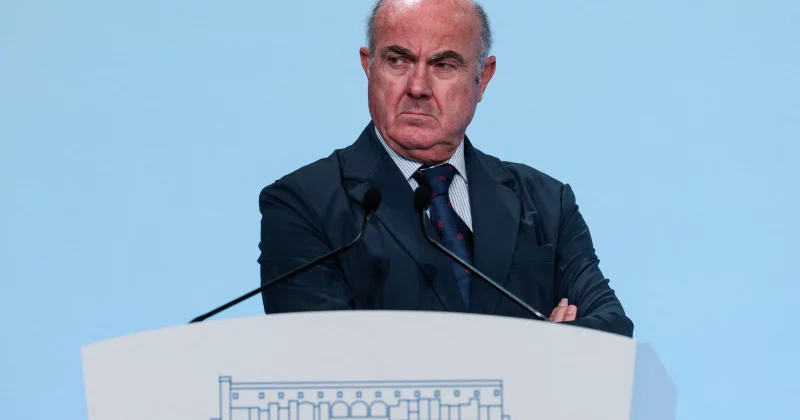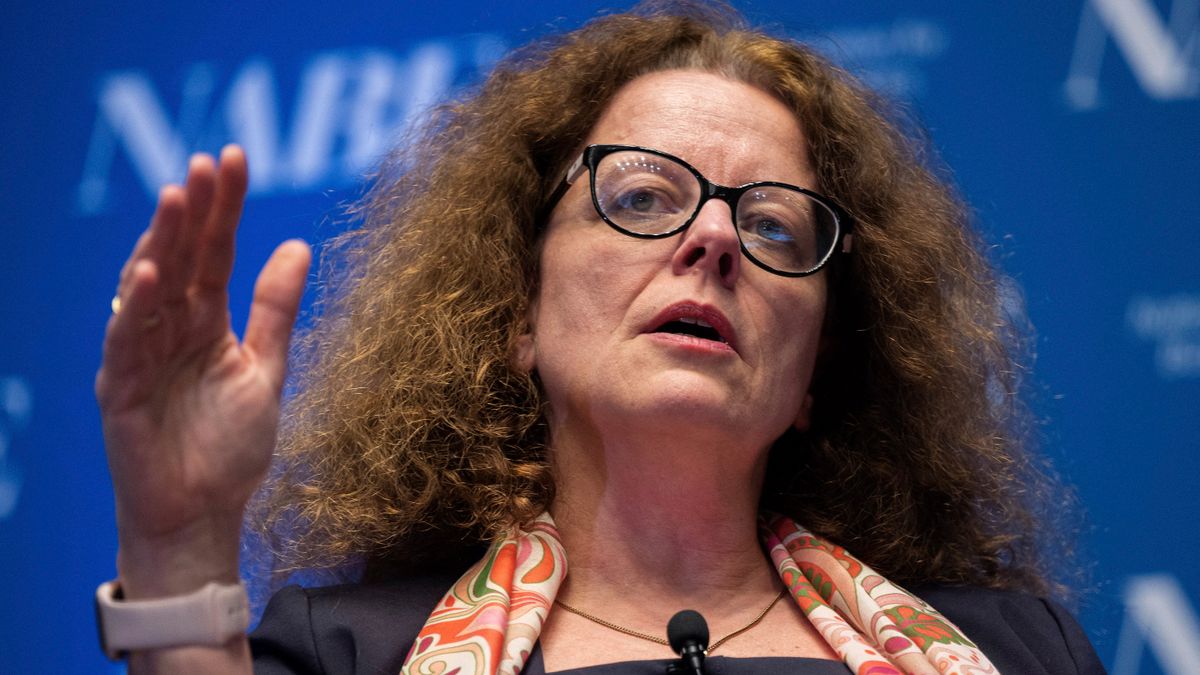
Isabel Schnabel, a member of the European Central Bank’s executive board, warned that economic growth will take a bigger hit from the current shock than previously anticipated. The statement lands at a moment when Europe is already grappling with the ripple effects of escalating tensions in the Middle East and volatile energy markets.
Energy shock meets inflation anxiety
Schnabel’s comments center on an energy price shock driven by the ongoing conflict involving Iran and the broader Middle East region. Europe, as a net energy importer, is particularly exposed to this kind of disruption.
The ECB had been in what Schnabel herself previously described as a “good place” after successfully wrestling inflation close to its target earlier in 2026. That progress is now at risk of unraveling.
The concern isn’t just about energy bills going up. It’s about what economists call second-round effects, where an initial price shock in energy cascades into wages, services, and consumer goods, embedding itself into the broader inflation picture. If that happens, the ECB may have no choice but to tighten monetary policy, even as growth deteriorates.