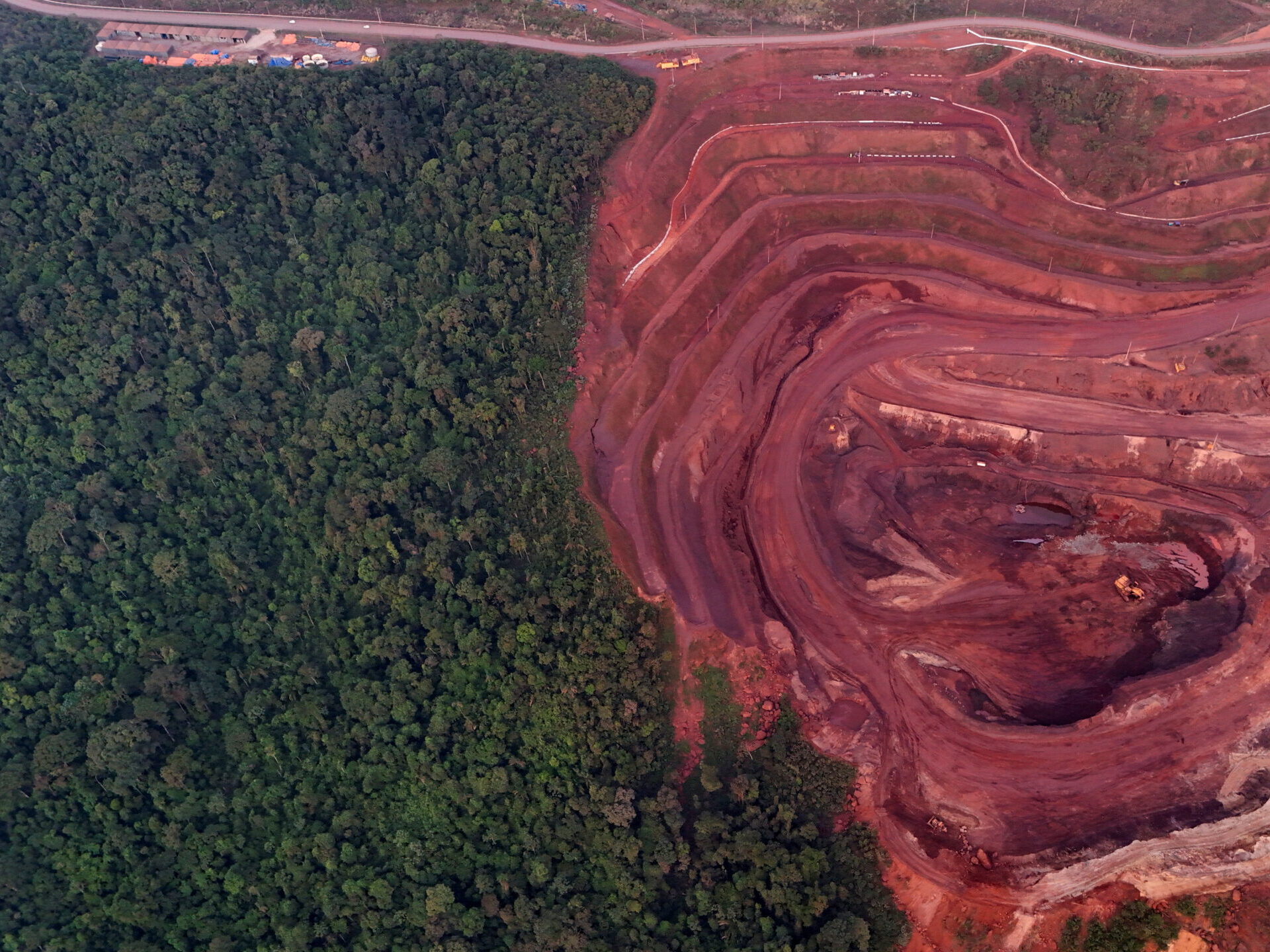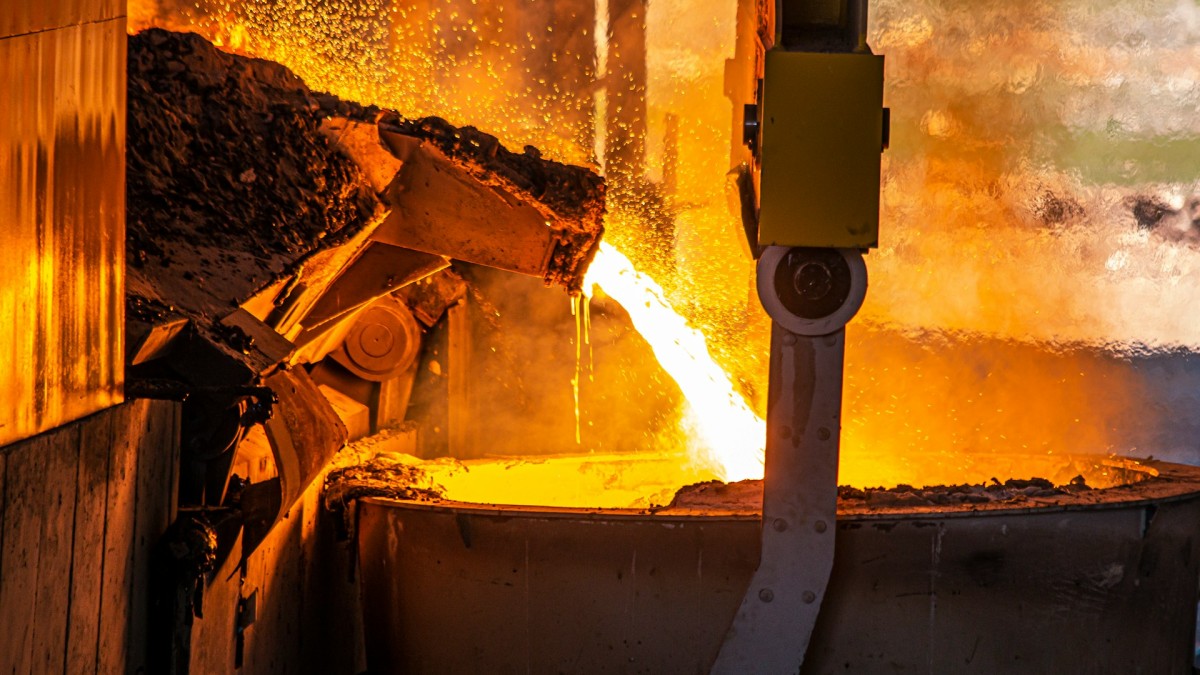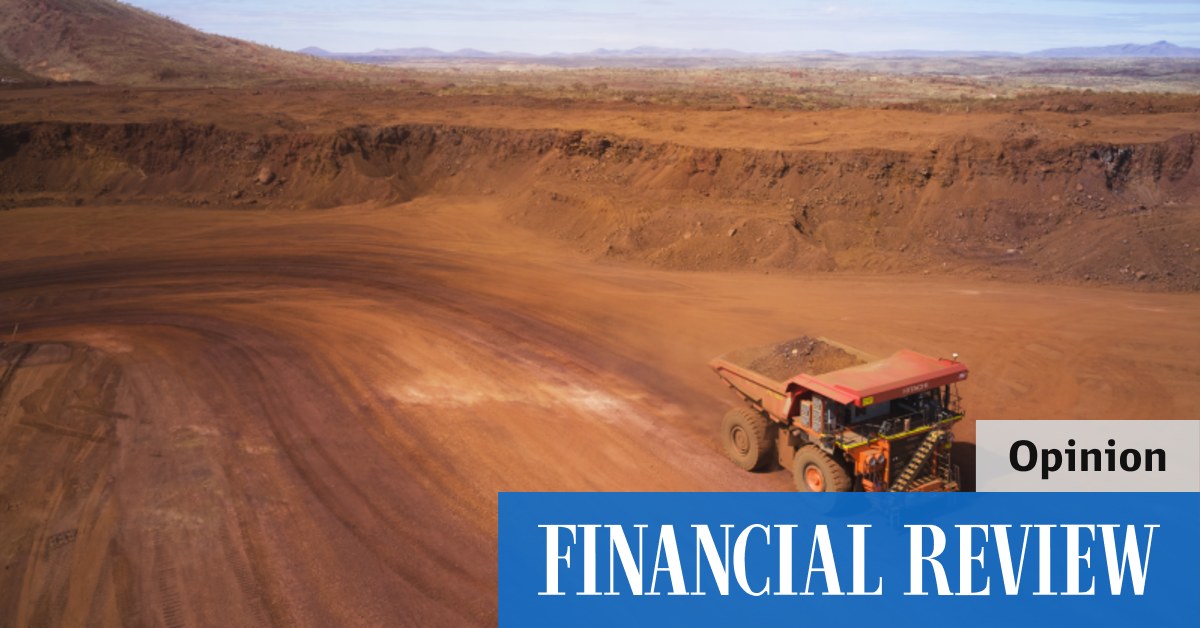
The rush to decarbonise risks deepening inequality, undermining workers and marginalising mining communities, according to a recent report by ResponsibleSteel and the Initiative for Responsible Mining Assurance, two global sustainability standard organisations in mining and steel.The report argues that while mining and steel companies are accelerating efforts to reduce emissions and align with net-zero targets, many remain inadequately prepared for the social and economic consequences of the transition, with the transformation under way across mining, steel and energy value chains at risk of leaving workers and affected communities behind unless “justice” is placed at the centre of transition planning.Mining and steel industries are under pressure to decarbonise as governments, investors and manufacturers push for lower-carbon industrial systems. According to the report, both sectors account for roughly 10% each of global energy-related carbon dioxide emissions, while also supplying critical materials needed for renewable energy systems, electric vehicles, hydrogen infrastructure and broader industrial decarbonisation.The report says the shift towards lower-carbon production is expected to transform global mining and steel value chains through: declining coal demand;the closure of emissions-intensive blast furnaces; growing demand for higher-grade iron ore; and increased investment in hydrogen-based steelmaking technologies and renewable energy infrastructure.However, it warns that the implementation of “just transition” principles continues to lag behind decarbonisation ambitions. The study identifies the following key shortcomings across the sector:weak policy co-ordination;limited workforce planning; inadequate social dialogue; and poor engagement with workers and communities.The report warns of the risk of ‘green colonialism’, particularly in resource-rich developing economies where extraction may accelerate without corresponding local economic benefits or meaningful community participationOne of the report’s central findings is that many companies continue to approach decarbonisation primarily as a technological challenge rather than a broader social and economic transformation. “Steel-producing companies have a strong technological approach to decarbonisation but lag in just transition planning and meaningful engagement with workers and communities,” the report states.A major concern raised in the report is that the global energy transition could simply redistribute environmental and social harms rather than eliminate them. The report warns of the risk of “green colonialism”, particularly in resource-rich developing economies where extraction may accelerate without corresponding local economic benefits or meaningful community participation.The issue is especially relevant for Africa, where countries rich in transition minerals are increasingly being positioned as strategic suppliers for the global low-carbon economy. While the report points to opportunities linked to green steel, beneficiation and rising critical minerals demand, it also stresses the importance of: equitable benefit sharing;local value retention; and worker protections.Workforce reskilling emerged as one of the industry’s biggest weaknesses, with retraining programmes often poorly aligned with local labour market realities and claims around renewable energy job creation frequently overstated. The report notes that new jobs may not emerge in the same regions where traditional mining and industrial employment is being lost, and that some workers, particularly older workers, may not be retrainable for new industries.According to the report, questions about who benefits from the transition, who bears the costs, and who is included in decision-making are becoming increasingly central to the transformation of the mining and steel sectors globally.Business Day
Mining and steel decarbonisation could deepen inequality, says report
The rush to decarbonise risks deepening inequality, undermining workers and marginalising mining communities, according to a recent report by ResponsibleSteel and the Initiative for Responsible Mining Assurance.
515 words~2 min read