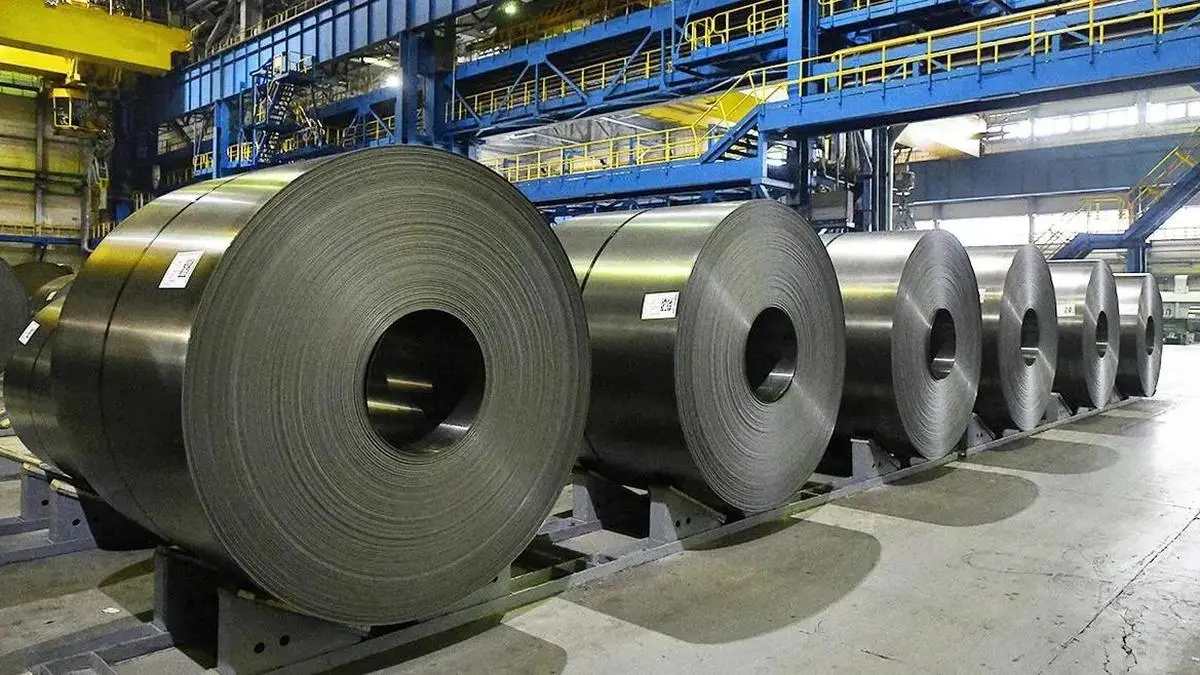
India will be key to ensuring the deep decarbonisation of one of the world’s most emissions-intensive sectors
India’s largest steelmakers are engaging more constructively on climate and energy policy than their counterparts in Japan and Korea, according to a new briefing from InfluenceMap, a New York-based advocacy group that monitors companies and organisations that attempt to influence global climate policy.The analysis released on Tuesday covers five of biggest primary steelmakers including Tata Steel, JSW Steel, ArcelorMittal Nippon Steel India (AM/NS India), Jindal Steel and SAIL, along with the Indian Steel Association, between 2021 and 2026.It finds that the sector’s engagement is partially aligned with the temperature goals of the Paris Agreement, and generally more supportive of climate and energy policy than its global competitors.The contrast is sharpest on the European Union’s Carbon Border Adjustment Mechanism (CBAM). While Japanese and Korean steel makers opposed the measure and pushed to weaken domestic carbon pricing, Indian producers have been markedly less combative.The findings come as India’s own green steel framework gains ground. The Green Steel Taxonomy, announced in December 2024, was the first of its kind globally, and in February 2026, AM/NS India became the first integrated steel producer in the country to be certified under it.Crude steel productionIndia is the world’s second-largest producer of crude steel, and the International Energy Agency expects that almost a fifth of global steel output to come from India by 2050.The briefing also finds the sector discloses its climate policy engagement more fully than other Indian industries through the Business Responsibility and Sustainability Reporting framework, however, more detail on specific policies is needed to meet global investor expectations.Tanvi Rahim, Analyst, InfluenceMap said The Indian steel industry is beginning to engage more positively on policies to decarbonise India’s steel sector, particularly with several actors supporting a domestic carbon pricing system.As the second-largest producer of crude steel in the world, India will be key to ensuring the deep decarbonisation of one of the world’s most emissions-intensive sectors, he added.Published on June 30, 2026