India must change how steel is produced if it’s to meet growth and climate targets simultaneously
Industry emissions well above global average, threatening India’s ambition to become green steel leader
Transition Report Cards reveal mixed picture at India’s largest steel companies, with Tata Steel and Jindal Stainless leading progress
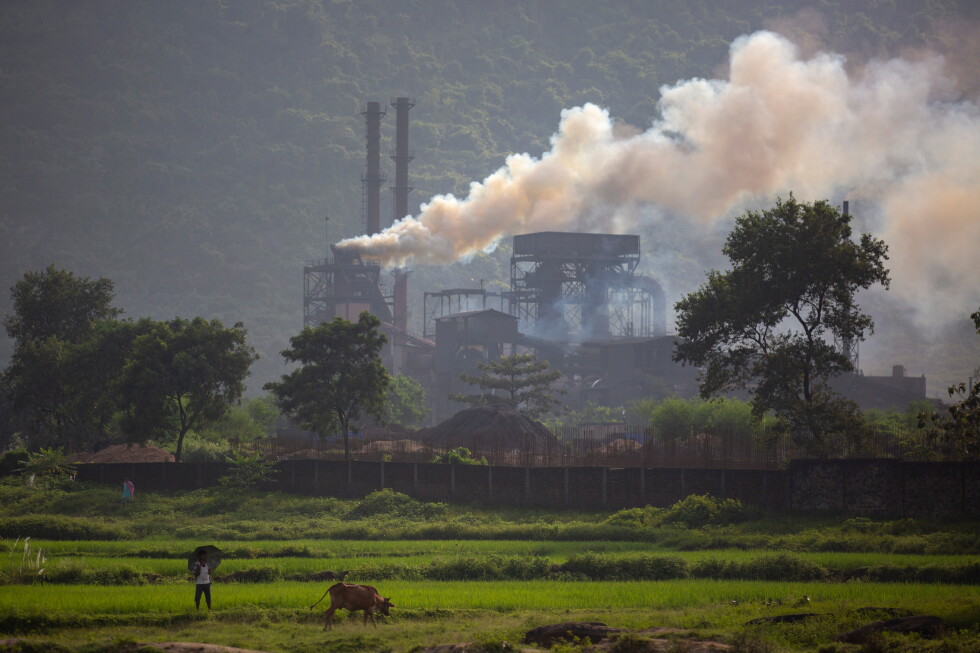
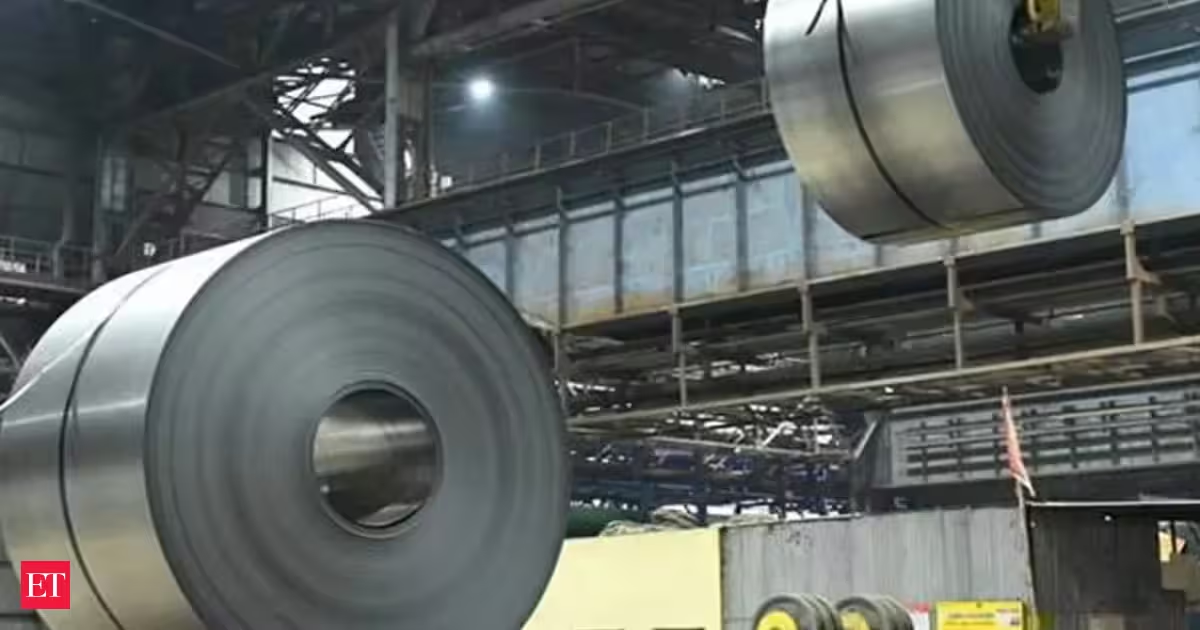
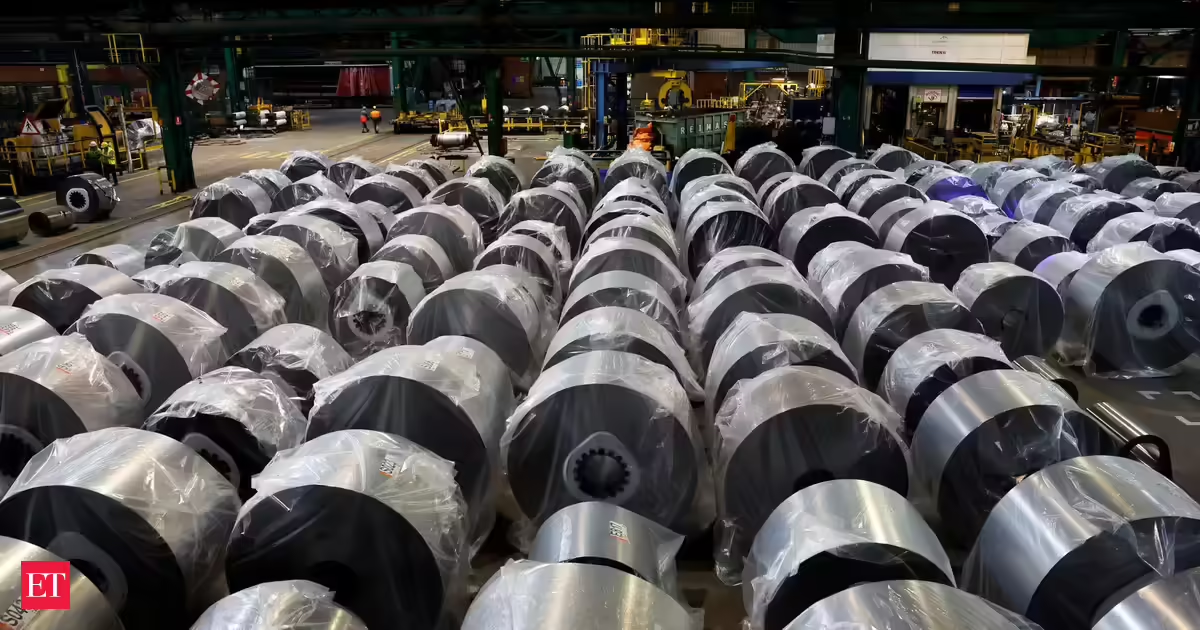
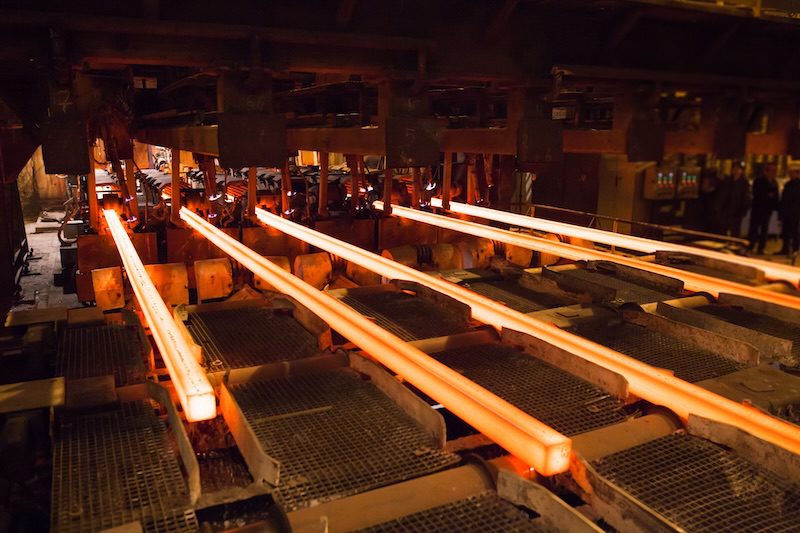
India green steel transition moving beyond target-setting and into a contest over bankable delivery India cannot build its next phase of economic growth without steel. But it cannot achieve that growth and meet its long-term climate goals unless it changes how that steel is produced.India has an ambitious target to boost crude steel capacity by almost 70% from 2023 figures to 300 million tonnes by 2030-31, requiring about USD105.5 billion in investment.This poses a challenge for a nation that’s committed to reaching its climate goals. Currently, India’s steel production emissions are about 28% higher than the global industry average. If the country is to achieve its aim of becoming a global leader in green steel production and consumption, steel producers must move beyond ambition and target-setting and into an era of accountability and validation.Without decisive and rapid action, the industry risks locking in high emissions for decades to come. The latest report from Asia Research & Engagement (ARE) – Forging Ahead: Pathways to Green Steel for India – outlines roadmaps for companies to achieve those goals, and measures progress by four of the country’s largest producers: Tata Steel, JSW Steel, Jindal Steel, and Jindal Stainless.Diverging strategies across major steelmakersARE’s analysis reveals a significant gap between companies that are advancing clear decarbonisation strategies and those still primarily expanding conventional capacity.Among integrated producers, Tata Steel shows the most developed transition pathway, with visible progress in electric arc furnace (EAF) deployment, hydrogen pilots, and emissions disclosure. By contrast, peers remain earlier in the shift, with capital expenditure still largely tied to blast furnace-based expansion.Jindal Stainless stands apart structurally, benefitting from a scrap and EAF-based production model that enables more immediate emissions reductions, though this reflects in-built differences in the product mix rather than a like-for-like transition across the sector.“Some companies are beginning to articulate credible route-shift strategies and invest in enabling systems like clean power and scrap, while others remain more heavily anchored to conventional expansion,” said Arun Kumar, Strategic Advisor – Power Markets & Technology Innovation, at ARE.“The next phase of the steel transition will not be determined by long-term net-zero targets but by whether companies can deliver bankable, plant-level pathways that reduce emissions intensity while scaling production,” Arun Kumar added.These pathways include: