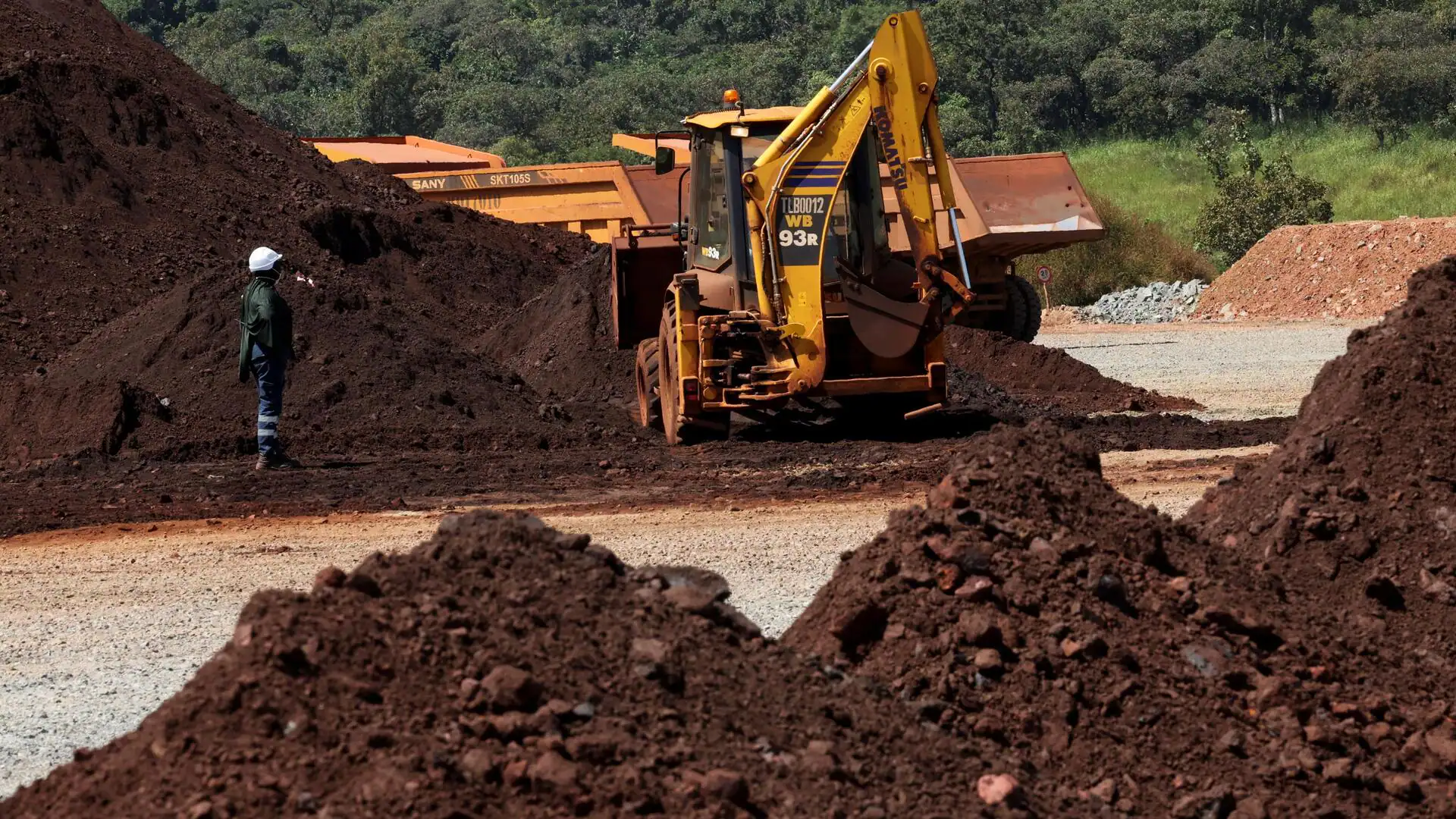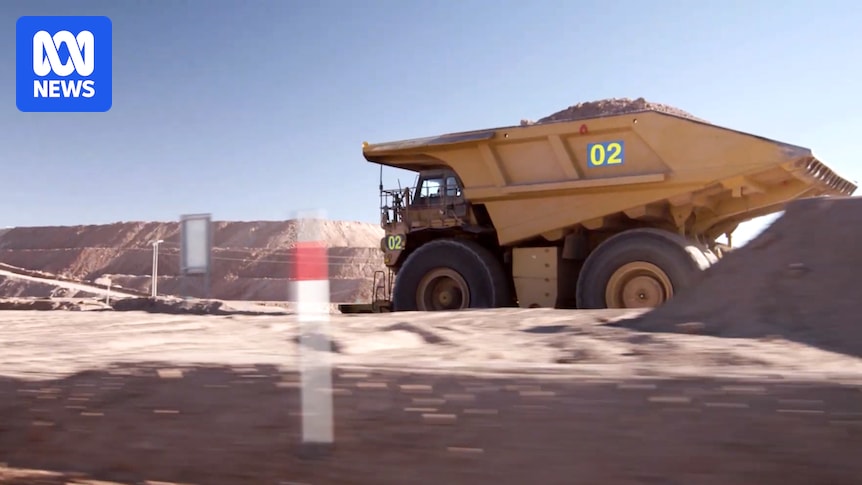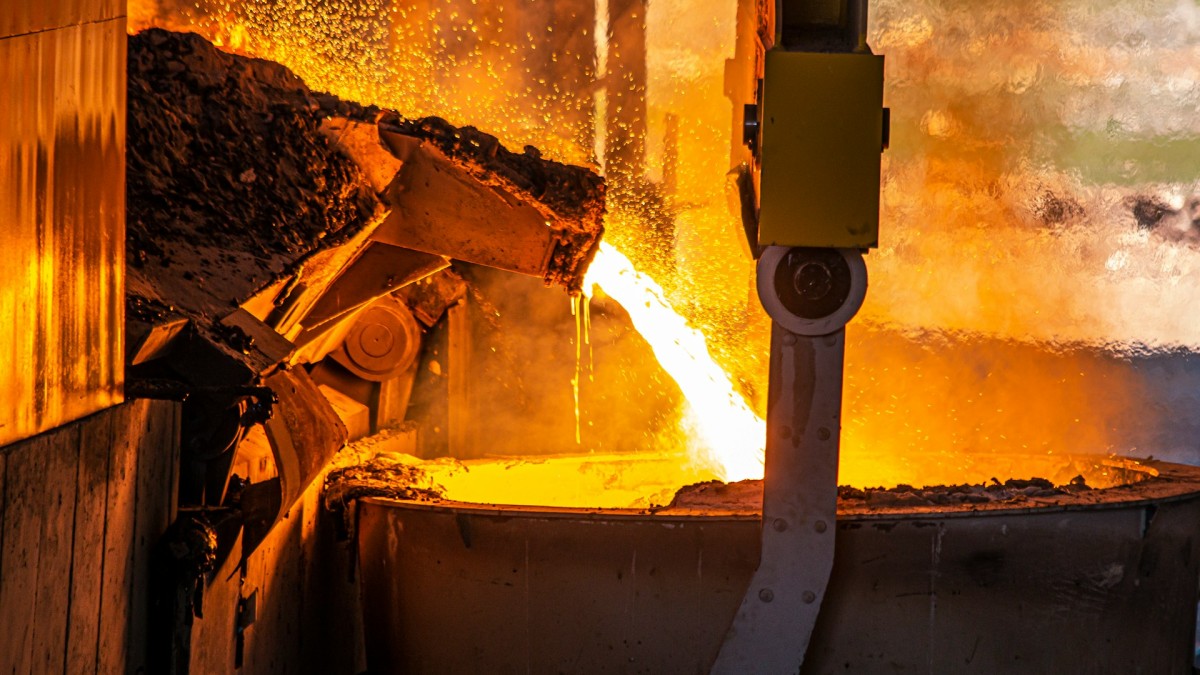
China just expanded its national emissions trading scheme to cover steel production. The EU's carbon border adjustment mechanism entered its definitive phase in January, putting a financial penalty on emissions-intensive steel. Simandou, the world's largest untapped deposit of high-grade iron ore, shipped its first cargoes to China in late 2025. The market for lower-grade ore is contracting. The market for ore that can feed cleaner steelmaking is growing.BHP just canceled the project that would have positioned it for the second market. Instead, it bought 62 diesel trucks.That's the core of what hundreds of leaked internal documents obtained by The Guardian and the Australian Broadcasting Corporation actually reveal. Yes, they expose the gap between BHP's public climate pledges and its internal decisions. But the more consequential story is commercial. The world's largest miner just walked away from its best hedge against the structural shift in its most important market.The canceled facility was a beneficiation plant at Jimblebar in Western Australia's Pilbara region. The purpose was to upgrade BHP's iron ore to a higher grade – the kind that steelmakers need to produce lower-emissions steel. BHP's own analysis rated the project as having "excellent social value" and "well-aligned" to its climate targets. The projected return on investment was positive. And it would have cut scope-three emissions by 1.7 million tonnes annually, the equivalent of removing more than 350,000 cars from the road.Set OilPrice.com as a preferred source in Google here.BHP shelved it in mid-2025. The reasoning cited internally: marginal economics, competition for capital. That calculus was made before China's steel ETS tightened, before the EU's carbon levy moved from paperwork to actual financial liability, and before Simandou – grading at 65% iron against Pilbara's typical 58-62% – started displacing lower-grade supply. The math may look different now.The documents also show BHP paused a board-approved $400 million solar-and-battery project at Jimblebar, citing "cash prioritization requirements," and deferred a $1.3 billion plan for solar, wind and battery infrastructure to support electric trucks and trains – with no major spending now expected before 2031. To make up the gap, BHP purchased 62 new diesel trucks, locking in fossil fuel operations at the site through at least the late 2030s and potentially 2041. A 2023 memo from BHP Australia president Geraldine Slattery warned explicitly that "slow emissions reduction progress" in the Pilbara risked "reputational impacts" and undermined the company’s “licence to operate, sustain and grow.” The company’s response to that warning was to slow the reduction further.A BHP spokesperson told Bloomberg the company had cut emissions 36% from its 2020 baseline by mid-2025, with 70% of total electricity now drawn from renewable sources, and that key decarbonization technologies for heavy equipment “are not yet ready to be deployed.” BHP did not respond to a separate request for comment.BHP’s main Pilbara rival is taking a different approach. Fortescue is pushing ahead with electrification and renewables despite industry skepticism about its timelines, and is investing in green iron as a commercial product, not just a climate commitment. The divergence matters because this is no longer a story about reputation. Australia’s iron ore export revenue is forecast to drop from A$116 billion to A$97 billion by 2026-27. China is building direct reduction ironmaking capacity at scale, which requires higher-grade ore than Australia typically produces. Beijing has issued mandates requiring steelmakers to increase green energy use. Chinese demand for standard Pilbara ore has already peaked.BHP has a 30% emissions reduction target for 2030 and a net-zero pledge for 2050. Those commitments are now backed by diesel trucks ordered to last until 2041 and a beneficiation plant that got canceled because the economics were deemed marginal. The internal documents make clear that BHP knew the reputational risk. What they also reveal, unintentionally, is the commercial one.By Michael Kern for Oilprice.com More Top Reads From Oilprice.comNordex Pushes EU to Ban Chinese Wind Turbines From European GridsHormuz Shutdown Sends Capital Flooding Back Into RenewablesChina's Rare Earth Grip Holds Despite Trump-Xi Talks
BHP Killed Its Own Hedge Against the Green Steel Shift | OilPrice.com
Leaked BHP documents reveal more than greenwashing – they expose a capital allocation bet against the decarbonizing steel market its biggest customers are already pivoting to.
658 words~3 min read