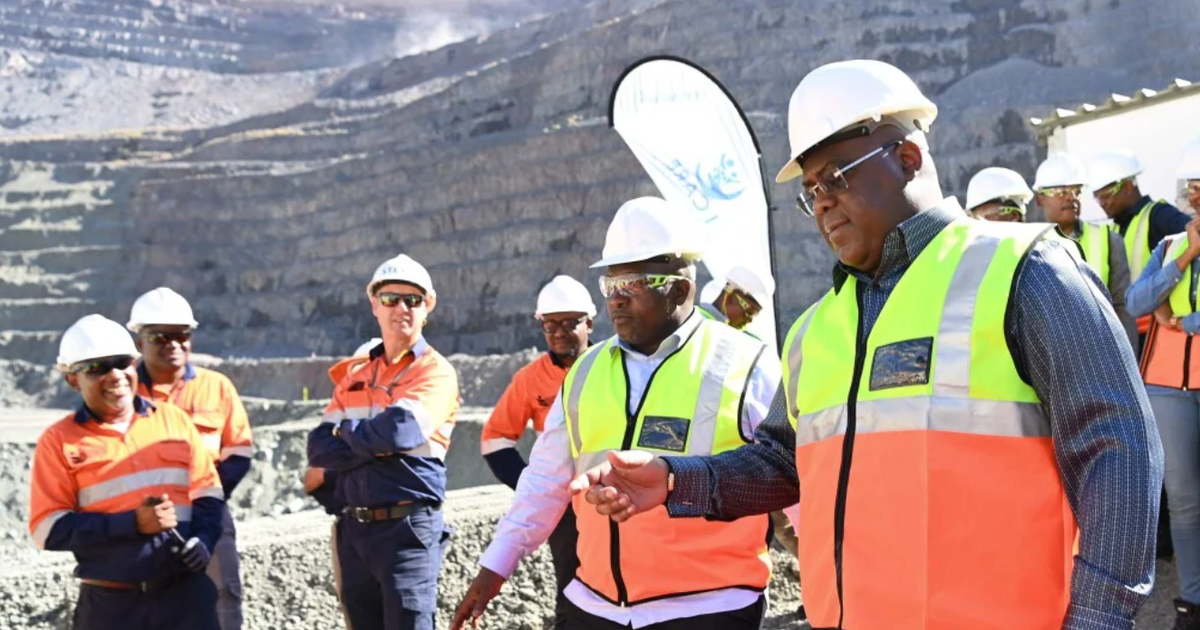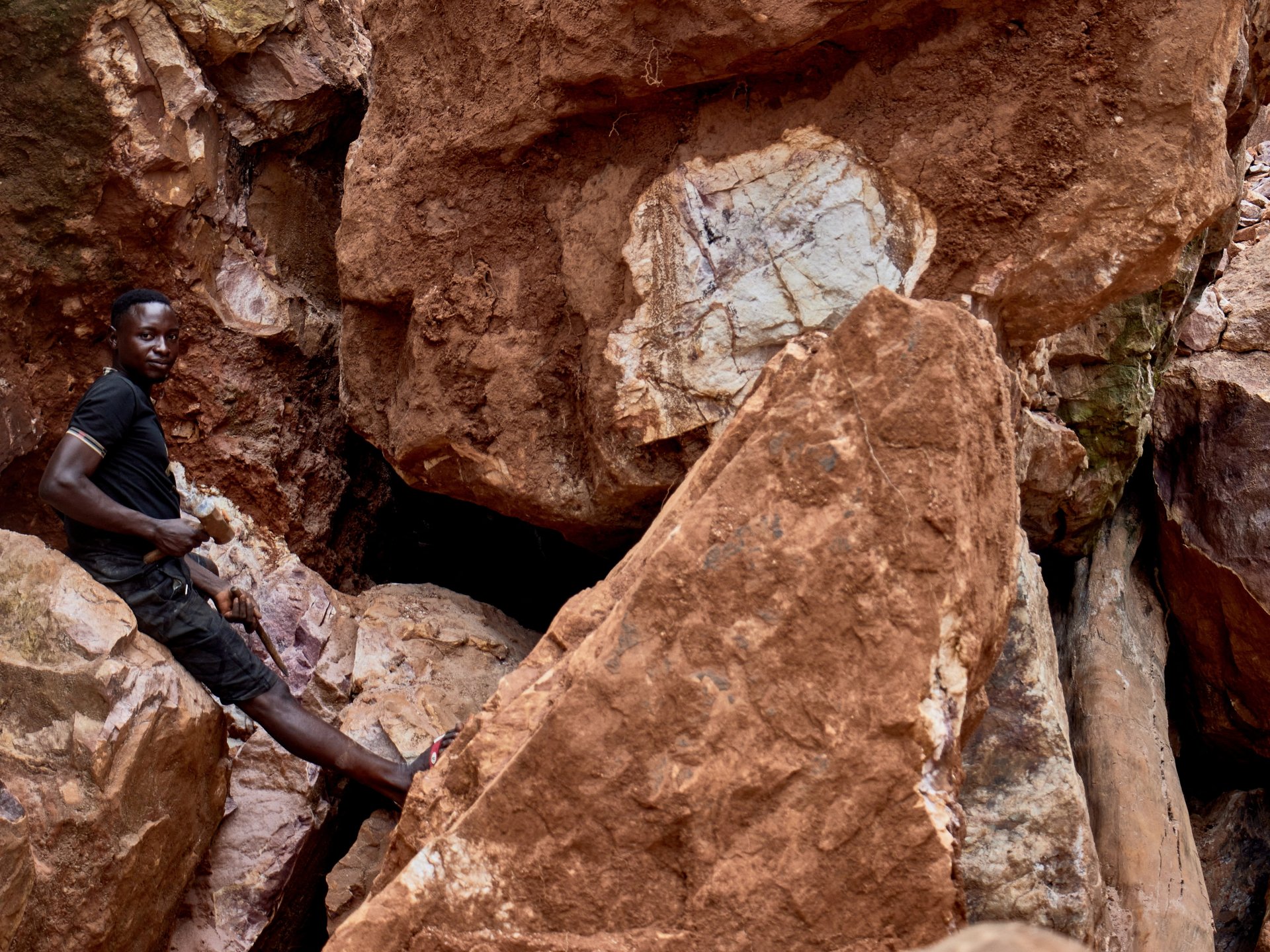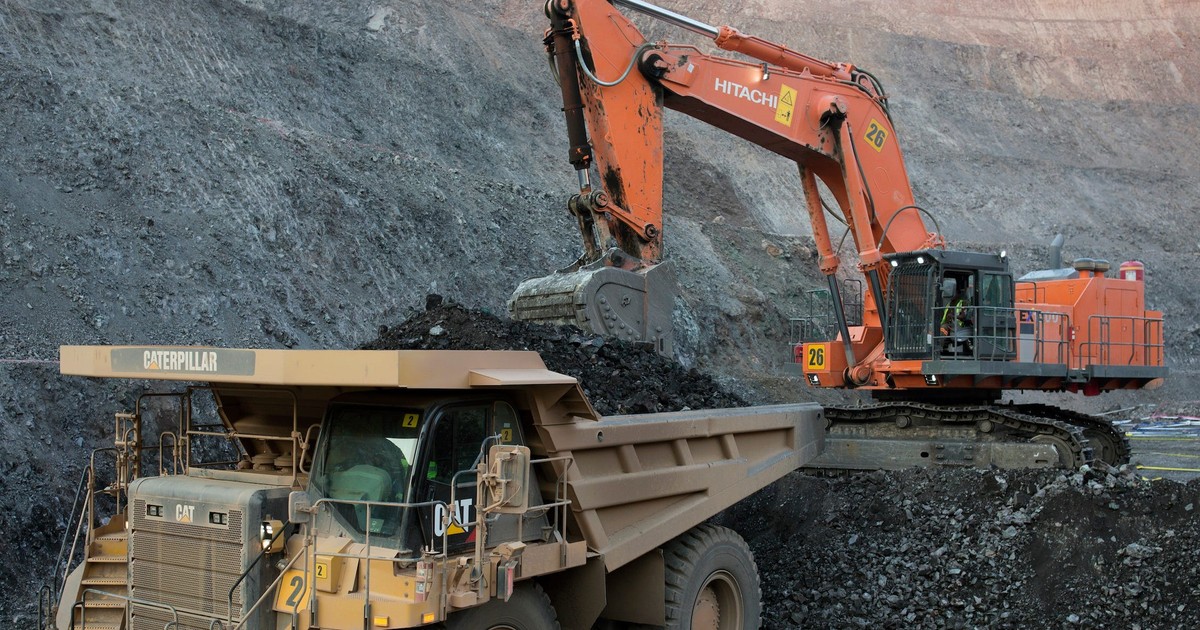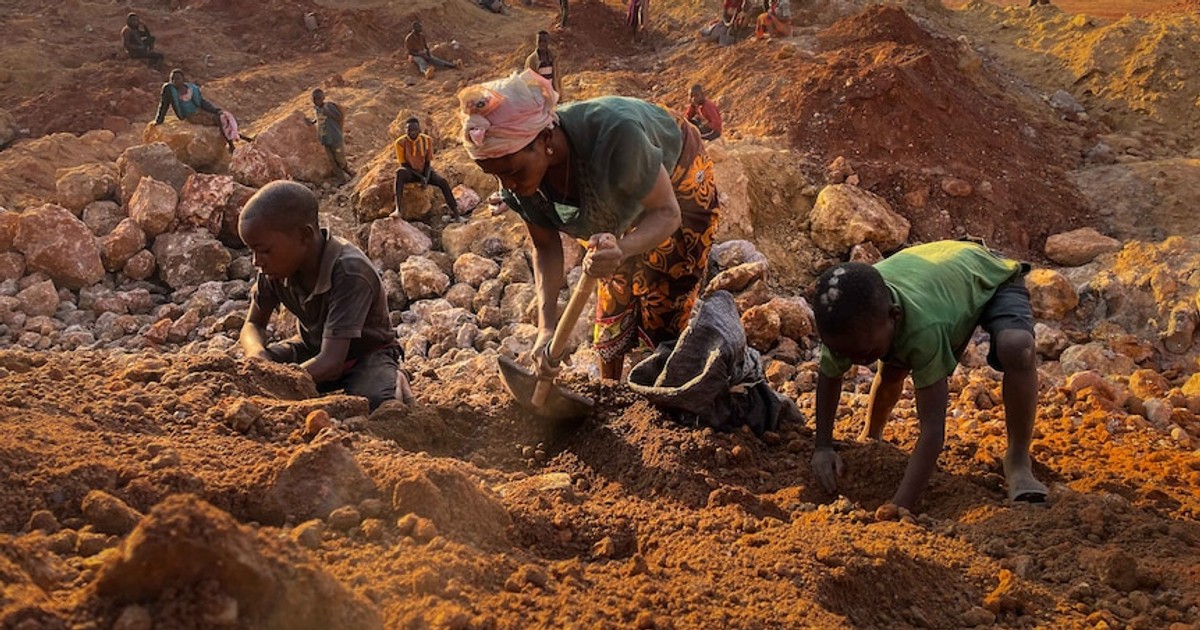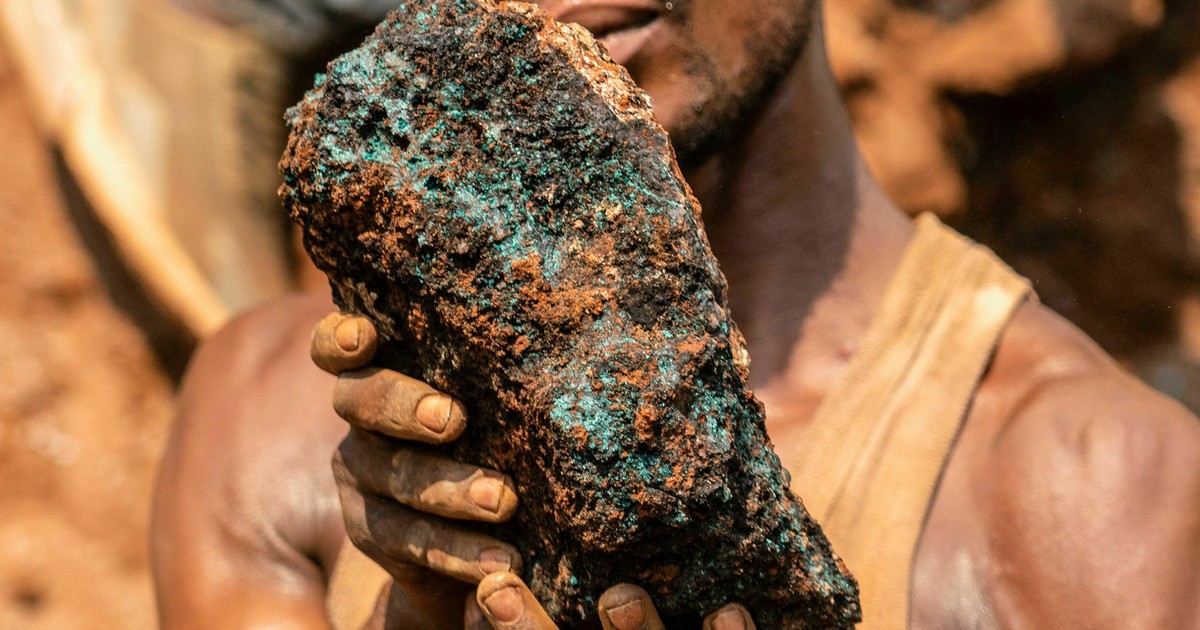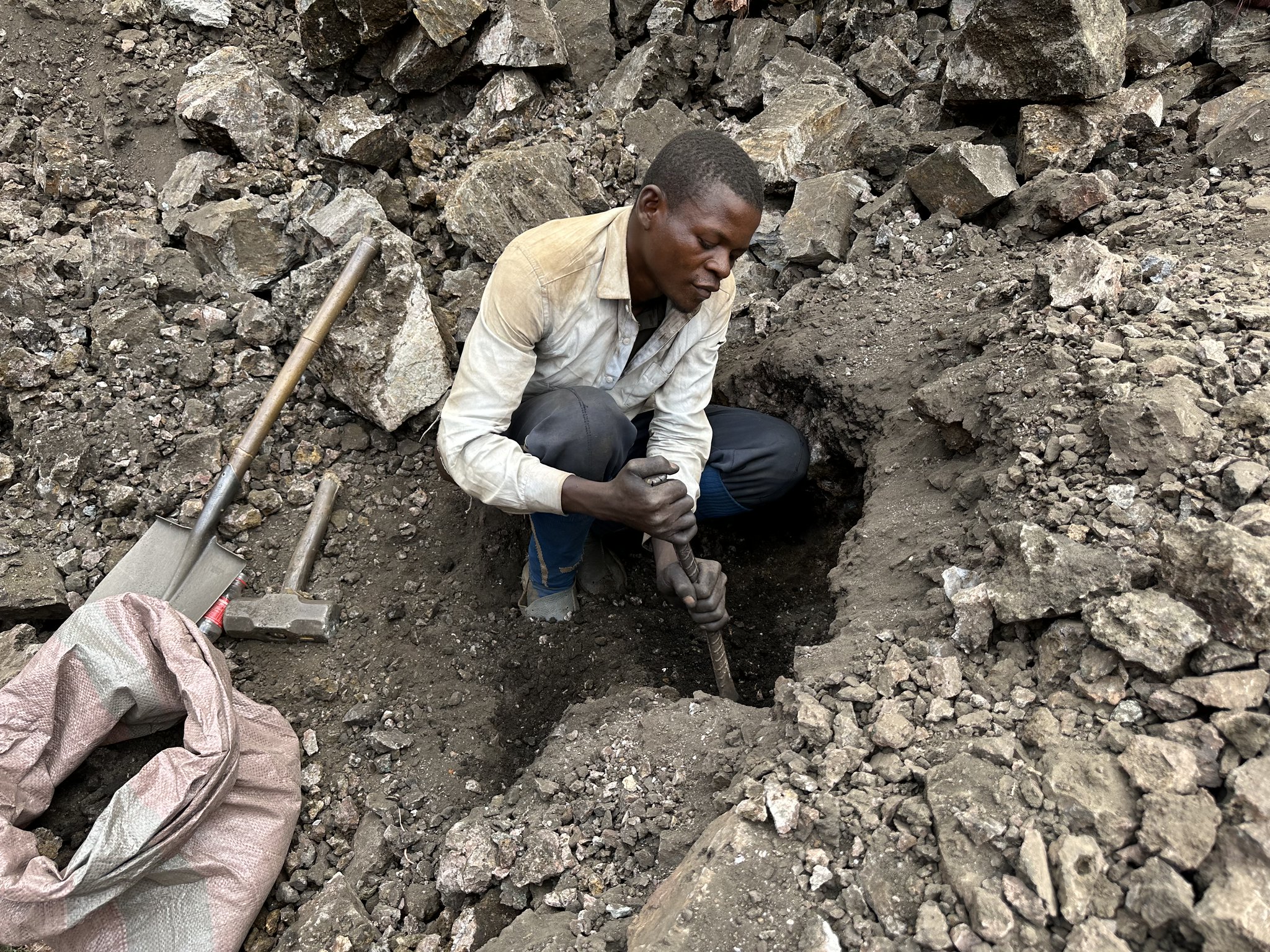
From May 13-15, the Cobalt Institute, a London-based organization, hosted a conference in Madrid to discuss the challenges and opportunities shaping the future of the cobalt industry.Cobalt has emerged as a critical mineral in the global transition to green energy: widely used in electric vehicles, smartphones and battery technologies, about 70% of the world’s cobalt is produced in the Democratic Republic of Congo.Robert Agenong’a, an Indigenous politician and civil society leader from Ituri Province in northeastern DRC, near the border with Uganda, attended the Madrid conference to better understand how multinational corporations are positioning themselves within the country’s rapidly expanding critical minerals sector. He criticized the conference as an example of “corporate capture,” where the business interests of the mining sector dominate.“The concern is that everyone is interested in getting Congolese cobalt to the world market because it is of very high quality,” he said. “But nobody pays attention to the environmental harms, the social impacts, and the communities’ grievances.”
The global rush for minerals needed for the green energy transition risks repeating the same old extractive patterns that have long left communities in the Democratic Republic of Congo bearing the costs while others reap the benefits, a lawmaker from the country warns.