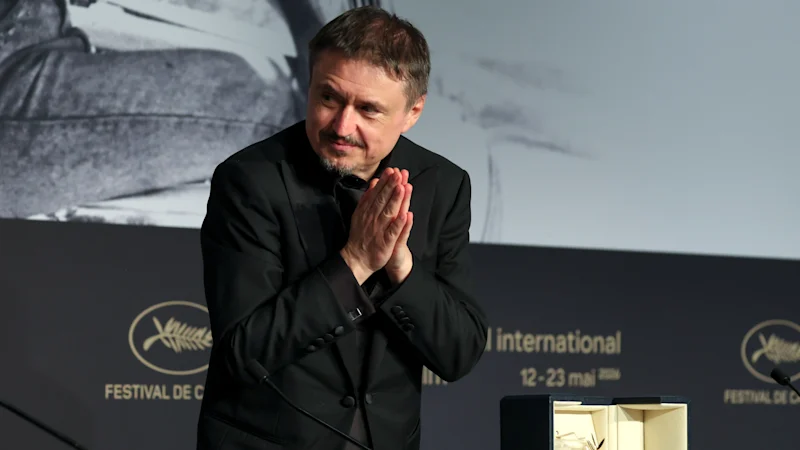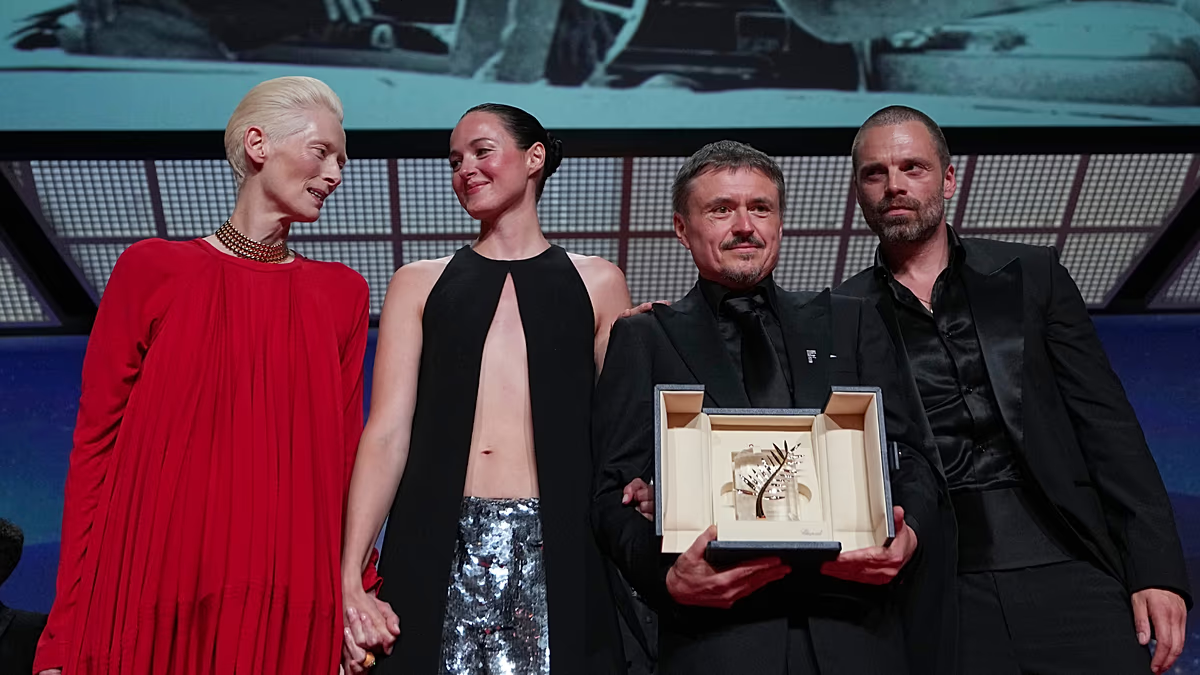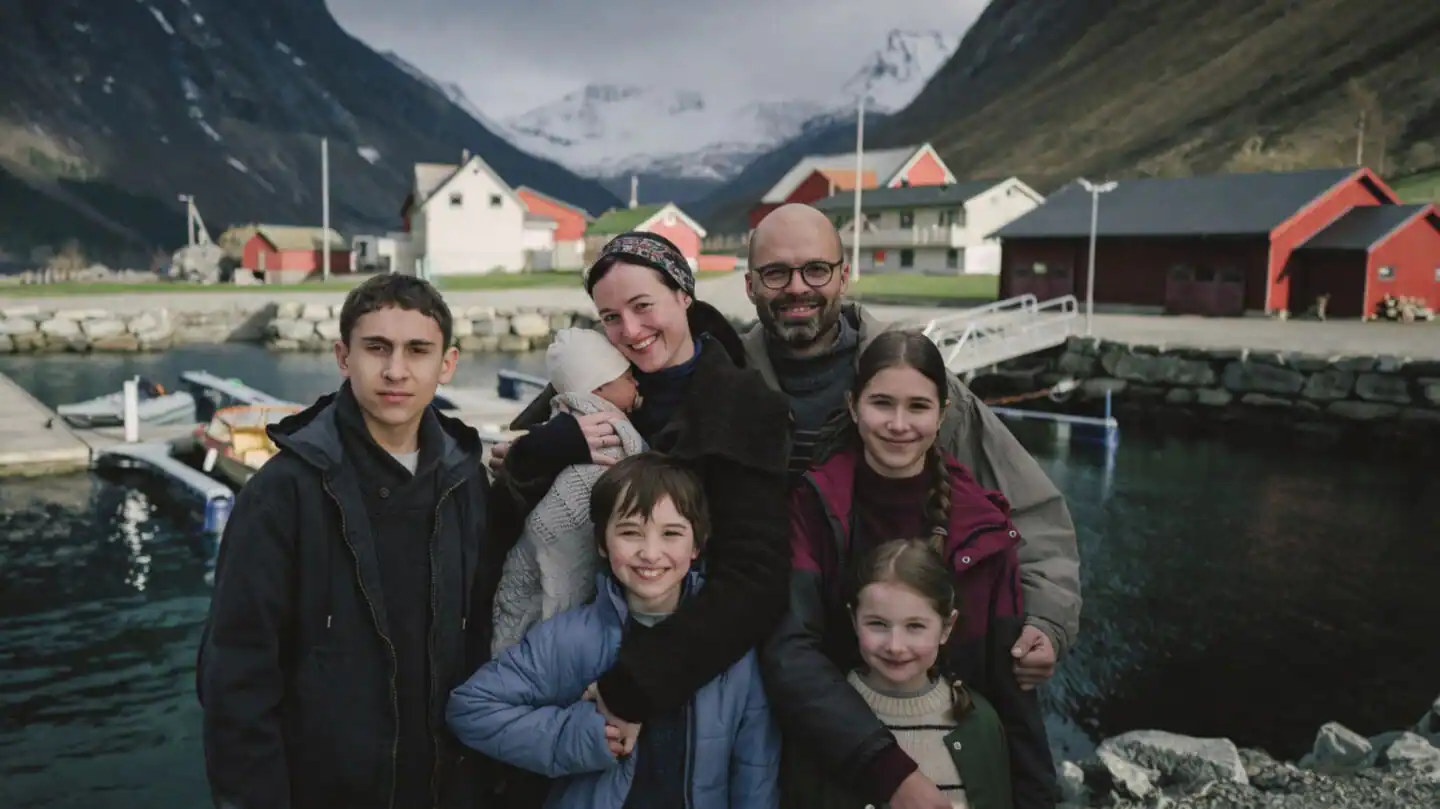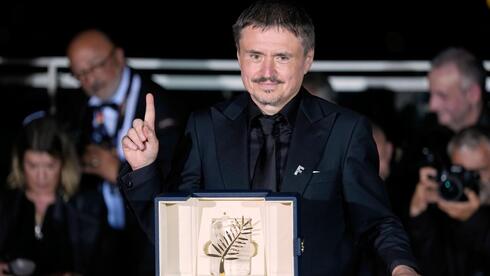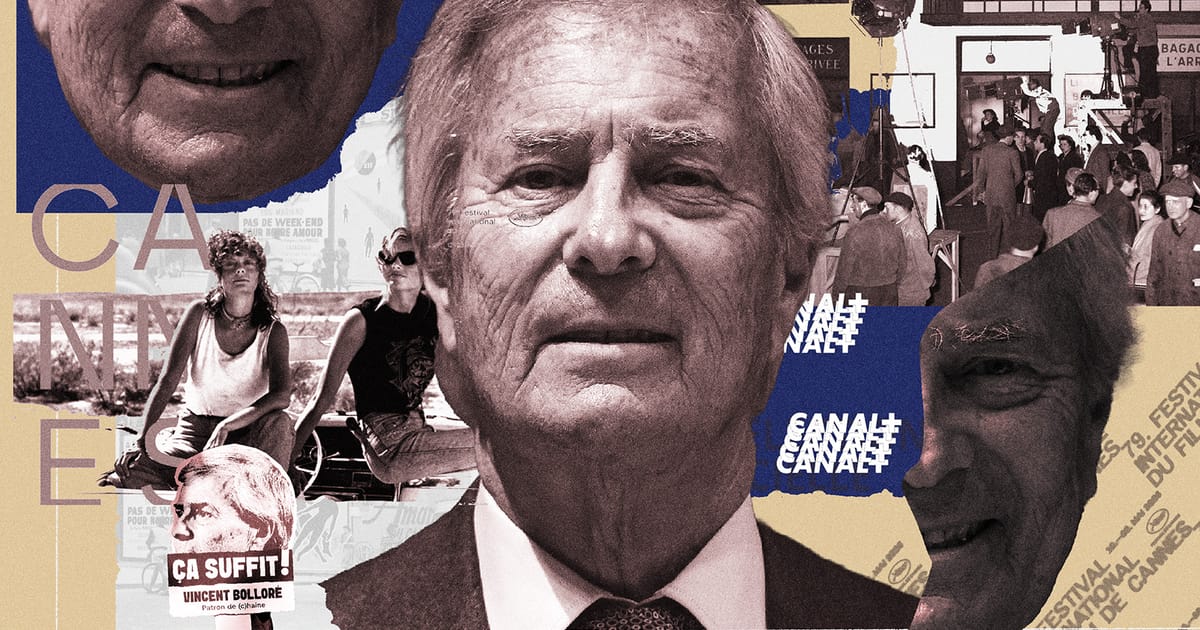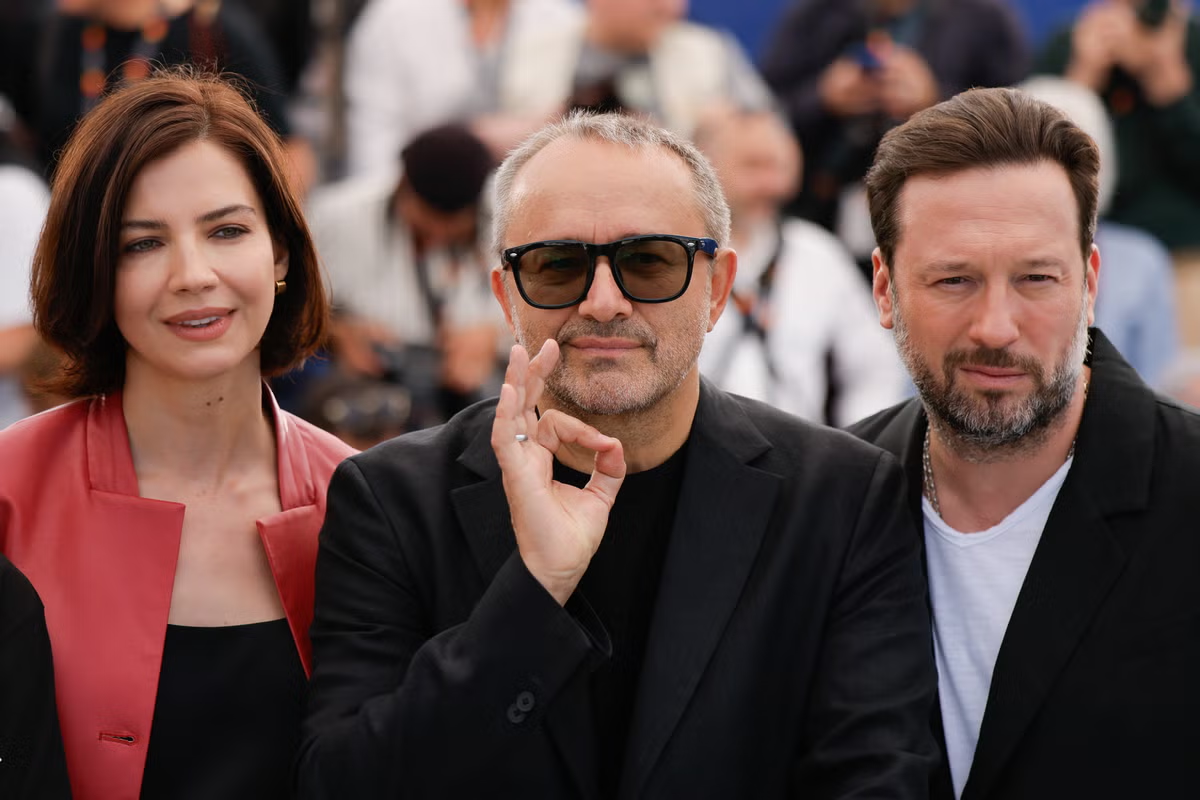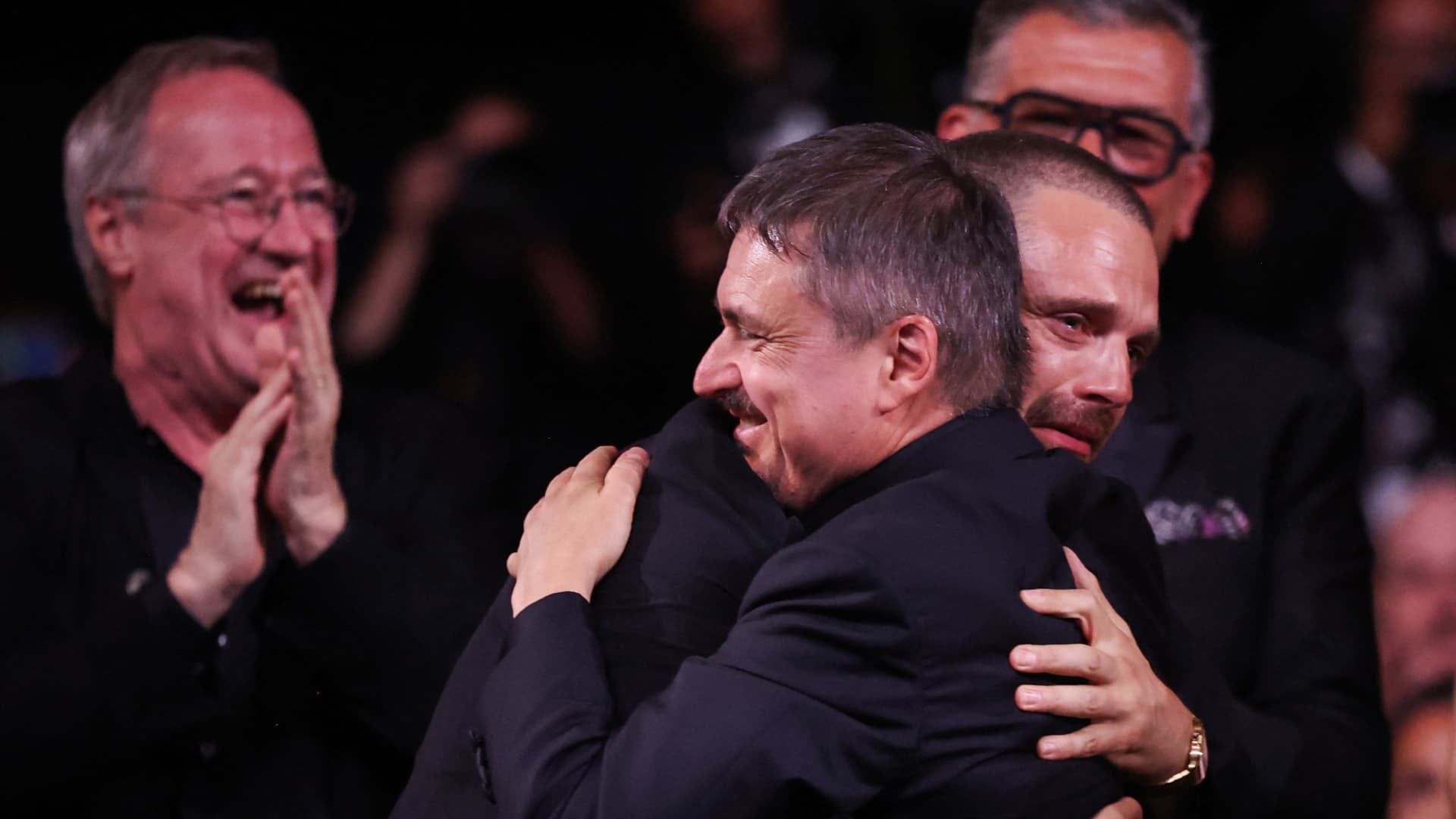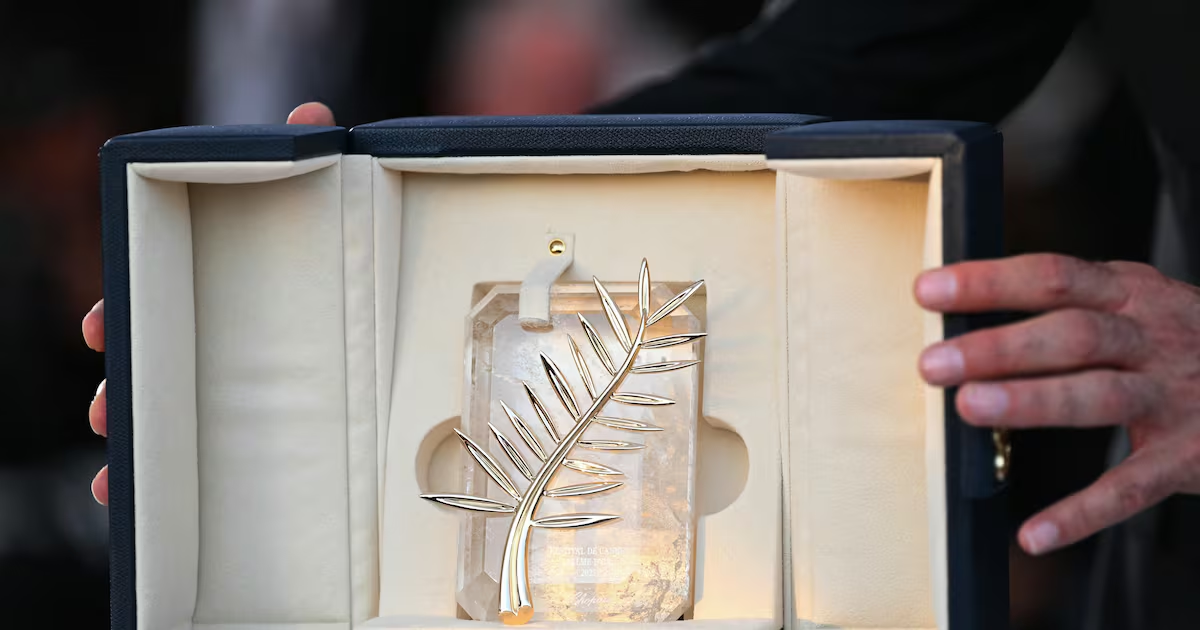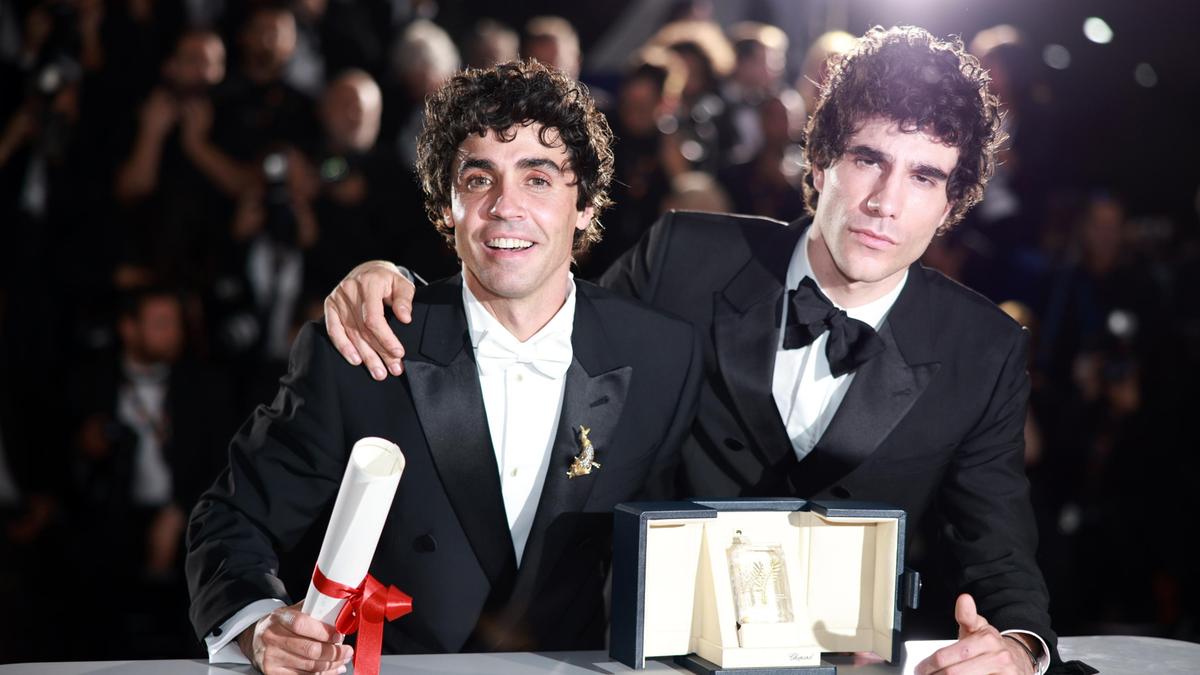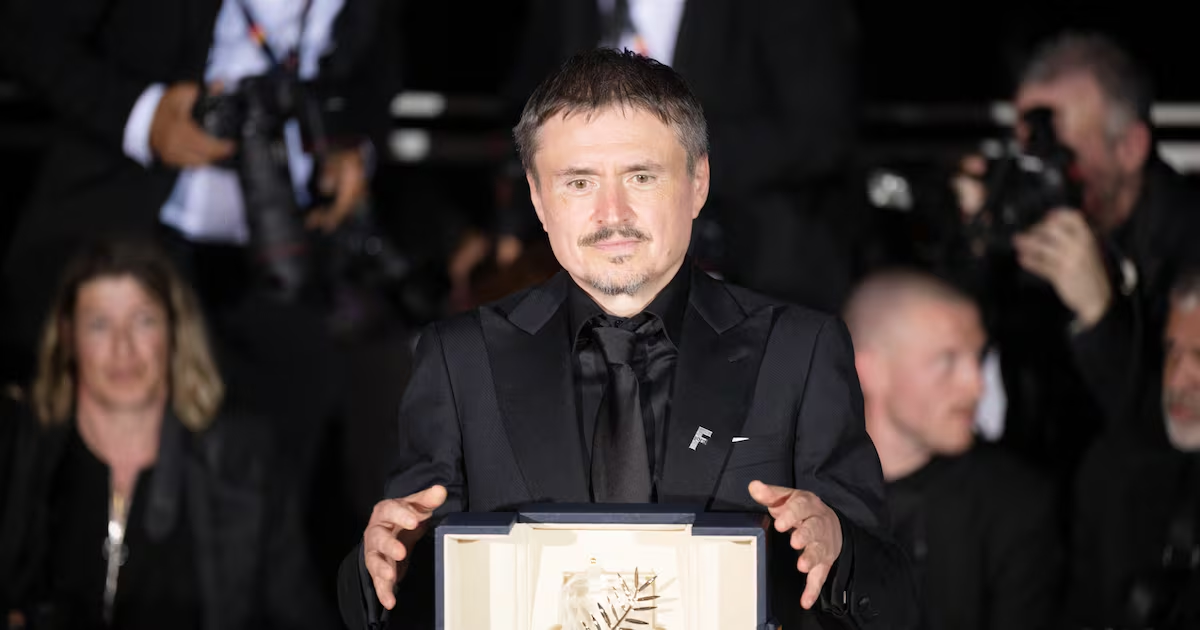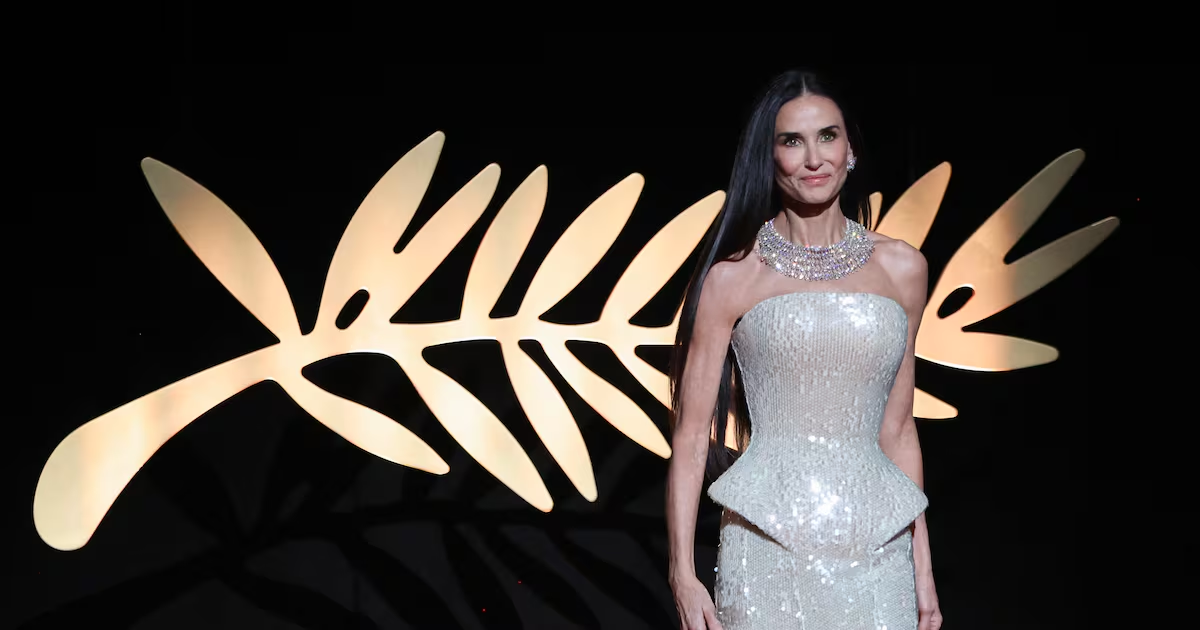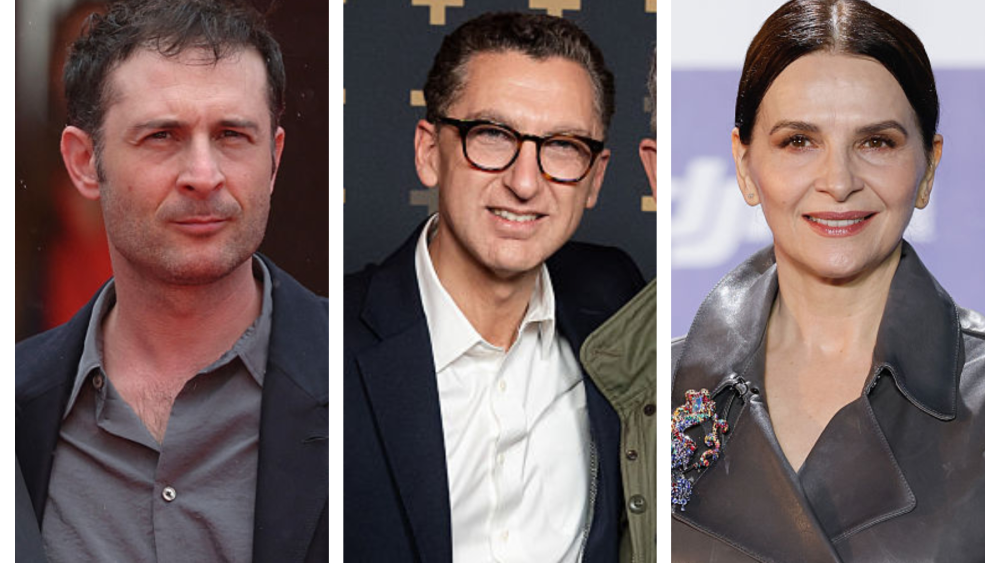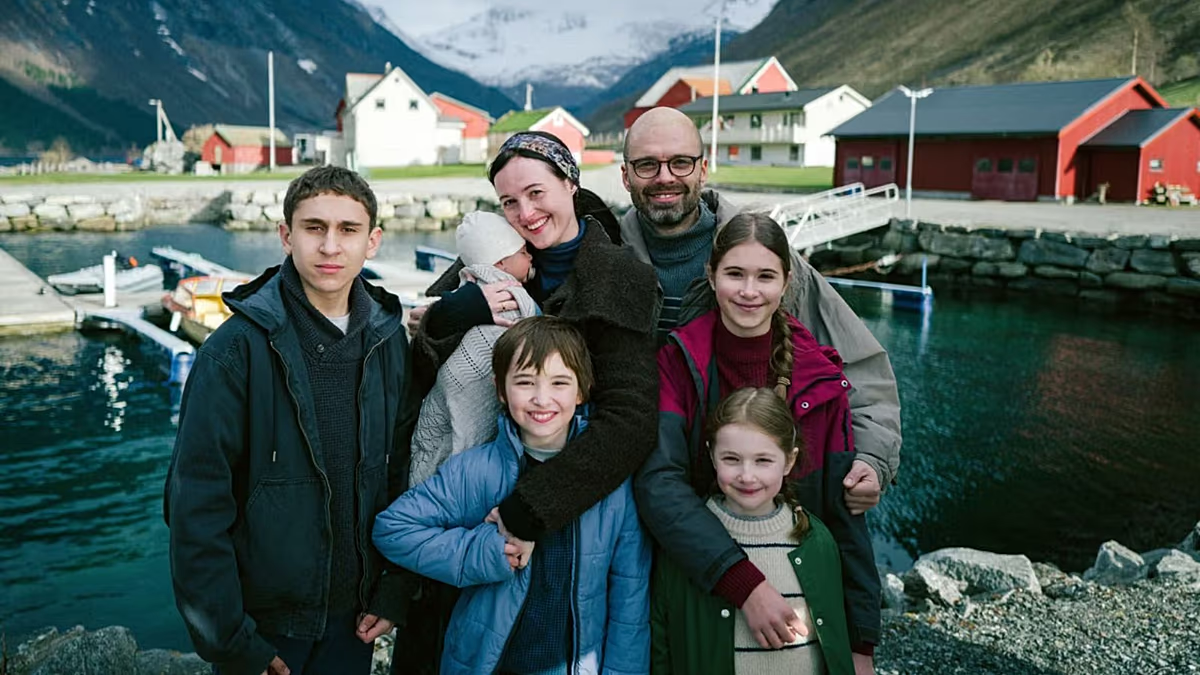
Booing used to be common at the end of controversial Cannes premieres. That has now mostly gone away (another victim of the Covid interregnum?). But, at the 79th edition of the festival, the bovine rumble re-emerged as the logo of the near-ubiquitous French production company Canal+ appeared before countless films. This was a reaction against Maxime Saada, the firm’s chief executive, declaring he no longer wanted to work with industry professionals who had signed a petition expressing concern at the influence of Canal’s main shareholder, the conservative billionaire Vincent Bolloré. Not work with Juliette Binoche, Cannes’ high priestess? Boo! Boo!That casual protest meshed with the general swell of anxiety around the Croisette. Everybody was worried about something. Why were there so few American films at the festival this year? Is AI about to render the entire industry obsolete? Was the main competition – packed with Cannes veterans – the weakest for years?Some of this is climate. Some of this is just weather. Some is down to permanent changes in the cinematic ecosystem. Some is just timing. Critics here are always moaning about the “worst Cannes since…” (2010 is frequently cited as a 21st-century nadir). More often than not, as was the case this year, a late rally ends up saving the competition’s bacon.The awarding of the Palme d’Or to Cristian Mungiu’s provocative Fjord, detailing a Christian family’s persecution by Norwegian child services, will also do wonders for the stubborn influence of the festival. It is not just a fine film. It is the sort of film that will generate masses of furious debate all the way up to awards season at the turn of the year. People who haven’t seen it are already trading spittle-flecked invective on social media. Get used to it.[ Cannes First Look review: Fjord - Nail-biting drama exploring European culture and toleranceOpens in new window ]There was a smaller Irish presence here than in some recent years, but the talent made itself heard. Playing in the prestigious Critics’ Week strand, Alexander Murphy’s fine documentary Tin Castle, focusing on the O’Reilly family from Tipperary, proved a moving eulogy to the fading Traveller lifestyle and a beautiful reverie on the natural world. Barry Keoghan worked hard as a struggling Circassian immigrant to New Jersey in Kantemir Balagov’s indifferently received Butterfly Jam. Three unstoppable Irish actors, Anthony Boyle, Lola Petticrew and Daryl McCormack, burned up the screen as differently troubled pals in Clio Barnard’s Birmingham-set I See Buildings Fall Like Lightning.The premiere of Zachary Wigon’s Victorian Psycho, a horror comedy shot entirely in Ireland, gave the director a chance to pay tribute to the Irish assistant director Jim Corr. “This is the final film he worked on,” Wigon said after the Un Certain Regard screening. “He passed away far too young, shortly after we wrapped on this film. I know a number of his family members are here today.”Mention should also be made of Ruth Negga, Limerick’s finest, who, in her role as jury member, bossed the red carpet with well-received looks. “The 2026 Cannes film festival’s style star to watch,” Vogue raved. Harper’s Bazaar named her the fifth-best dressed of the festival: dignified in a black Balenciaga gown by Pierpaolo Piccioli for the premiere of Lukas Dhont’s Coward; in creamy yellow Loewe for the screening of Ira Sachs’s The Man I Love. A committed cineaste, Negga no doubt contributed greatly to the conclave that eventually delivered white smoke for Fjord.Ruth Negga at the Coward screening during the 79th annual Cannes film festival. Photograph: Getty Images There was still a vast clatter of international superstars on the red carpet. Gillian Anderson and Hannah Einbinder were here early to support Jane Schoenbrun’s ecstatically reviewed intellectual metahorror Teenage Sex and Death at Camp Miasma, ultimate winner of the Queer Palm for best LGBTQIA+-relevant film. Adam Driver and Miles Teller were about for James Gray’s excellent thriller Paper Tiger. John Travolta gave a wonderful performance as a surprised man when, at the premiere of his directorial debut, Propeller One-Way Night Coach, he received a hitherto unannounced honorary Palme d’Or from the festival’s director, Thierry Frémaux. The film, which lands on Apple TV this week, is the wispy, unashamedly autobiographical tale of a small boy travelling across the United States by air in the early 1960s. Clocking in at just more than an hour, it was so slight that the screen could barely stop it from floating away in a vapour, but the period detail and the sincere connection with Travolta’s own childhood just about kept us engaged.As ever, the attendees live different Cannes lives according to what is written on their accreditation. Many journalists, on first attending, are surprised to hear that some buyers and producers barely know what films are competing for the Palme d’Or. This year, a good portion of the official selection having already been acquired by distributors, there were fewer punch-ups over the rights to hot movies. US director and screenwriter Jordan Firstman at this year's Cannes film festival. Photograph: Valery Hache/Getty Images One exception was Jordan Firstman’s Club Kid. Arriving with little fanfare, this acclaimed tale of a party promoter thrown together with the child he never knew he had sold to A24, the hippest indie distributor, for something in the region of $17 million (€14.6 million). But the studio with the golden touch at Cannes remains Neon. Winning again this year with Fjord, that company has now taken the top prize on an unprecedented (and surely unbeatable) seven consecutive occasions. The run goes all the way back to Bong Joon Ho’s Parasite, before the pandemic.Netflix pulled off a considerable coup when it snagged Javier Ambrossi and Javier Calvo’s late-breaking The Black Ball (La Bola Negra) for, to quote Variety, “a deal believed to be in the $5 million [€4.3 million] range”. Good word almost always leaks out on the film that, unheralded when the selection is announced, ends up premiering to hoots and hurrahs. That was the case with this Spanish epic spanning the country’s history from the civil war up to the present day. Hooked around the discovery of a lost text by the poet and playwright Federico Garcia Lorca, the film offers a meditation on the gay experience and a celebration of love as an act of defiance. Featuring markedly differing support from Glenn Close as a visiting academic and Penélope Cruz as a belting popular singer, the film will win many friends when it arrives on big and small screens.We again repeat that the recent (beginning only six or seven years ago) obsession with the length of standing ovations should be ignored, but it is reasonable to note that The Black Ball, which shared the best director prize with Pawel Pawlikowski’s austere Fatherland, had the crowd on their feet for 20 minutes. Apparently, no film has managed that since Guillermo del Toro’s Pan’s Labyrinth, 20 years ago.Vulgar talk is already turning to the 2027 Oscars. The Black Ball is just the sort of Cannes darling to which the Academy of Motion Picture Arts and Sciences might warm. Innovative without being forbidding. Exotic while still connecting to Hollywood tradition. Netflix will have its eye on a best picture nomination.Rami Malek at the press conference for The Man I Love in Cannes. Photograph: Clemens Bilan/Getty Images Ira Sachs’s brilliant The Man I Love might also be a player during awards season, but this is an altogether more coiled affair, perhaps too ascetic for Oscar voters. Rami Malek plays an actor and singer with Aids in Bohemian New York during the 1980s. At the risk of being facetious, the performance is sufficiently extraordinary to counteract the damage done to Malek’s reputation by that Oscar win for Bohemian Rhapsody. There is a sense of sacred monster about his Jimmy George, a self-absorbed genius unable to connect with polite norms, but, as the story continues, we get a sense that the disease is skewing his personality. This quasi-musical, featuring a harrowing performance of Melanie’s What Have They Done to My Song Ma, was this writer’s favourite film of Cannes 2026 and, as is often the case for anything so designated by me, won not a single award on Saturday night. Take pity also on James Gray. When Paper Tiger came up empty-handed, it became the sixth title by that director to play unrewarded in competition.Another late breaker worth highlighting is Emmanuel Marre’s icy, distinctive A Man of His Time. Starring Swann Arlaud as a grifter who secures a significant position in the collaborative Vichy regime during the second World War, the film was the most celebrated title among French critics at this year’s festival. Both drily funny and morally unsettling, A Man of His Time scored a deserved best screenplay award.[ Cannes 2026: Why almost nowhere else is as good at generating ear-bursting controversyOpens in new window ]Most attendees seemed to have shaken off their anxieties as the event, played out in mercifully temperate weather, eased towards its traditional, more sparsely populated (though still heaving) closing days. In 2027 Cannes hits its 80th edition. Everything has changed. Everything has remained pretty much the same.
Cannes 2026: A rumble of discontent, a swell of anxiety and a provocative Palme d’Or winner
People who haven’t seen Cristian Mungiu’s Fjord are already trading spittle-flecked invective on social media. It will generate furious debate all the way up to awards season
1,516 words~7 min read