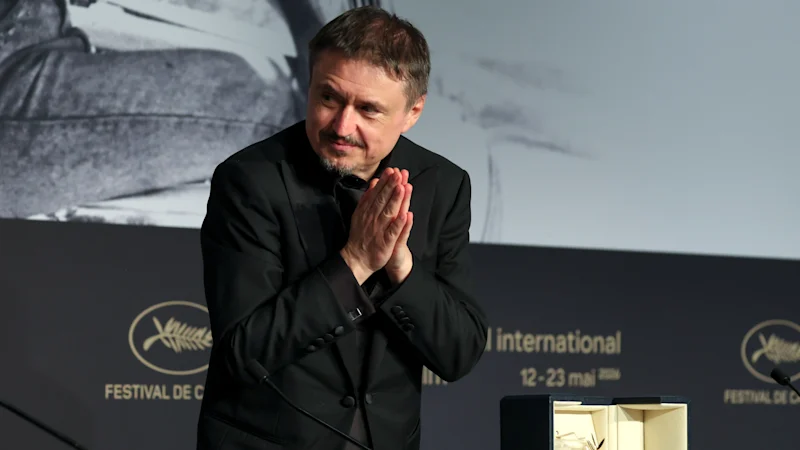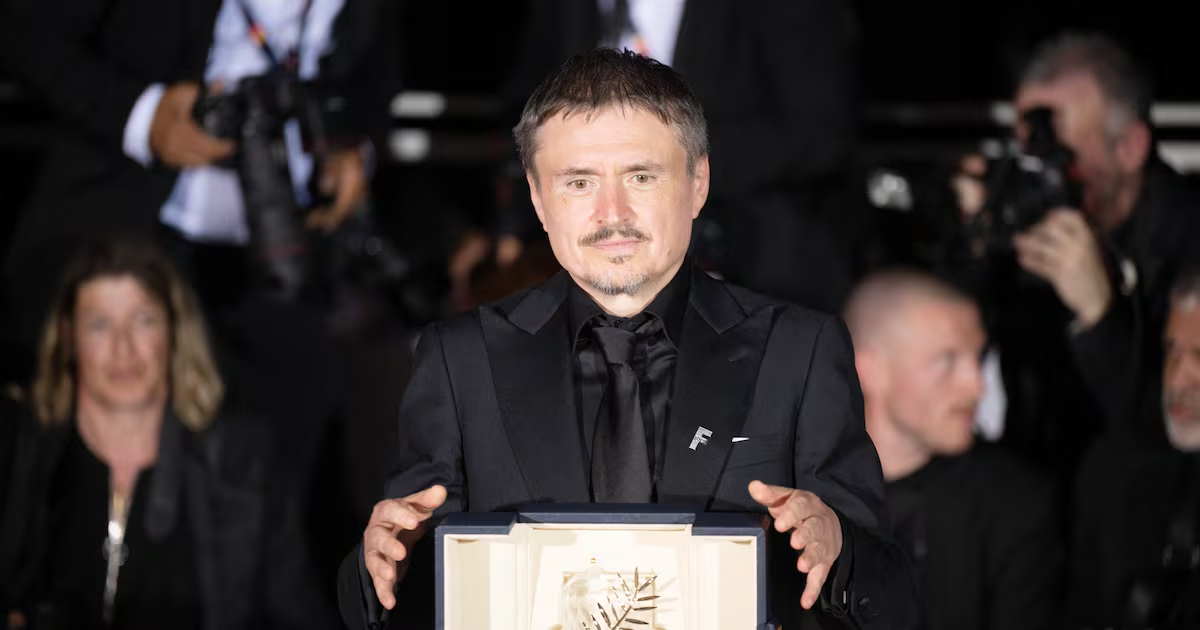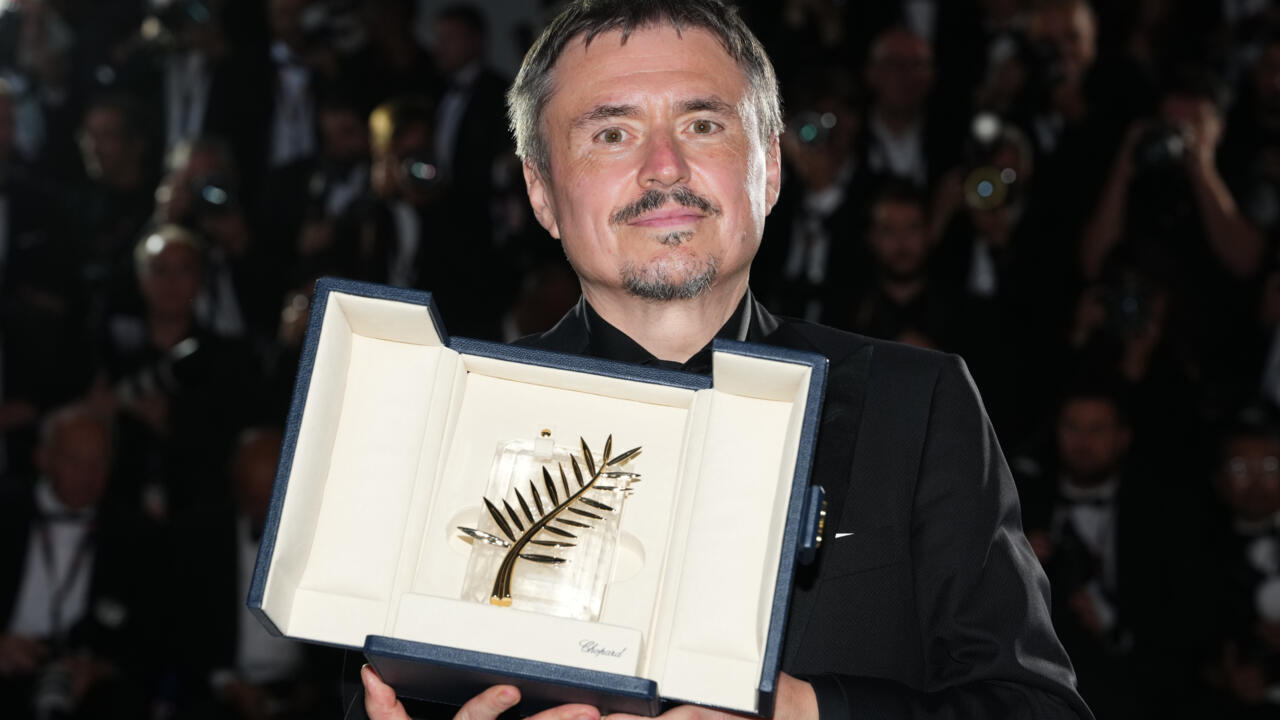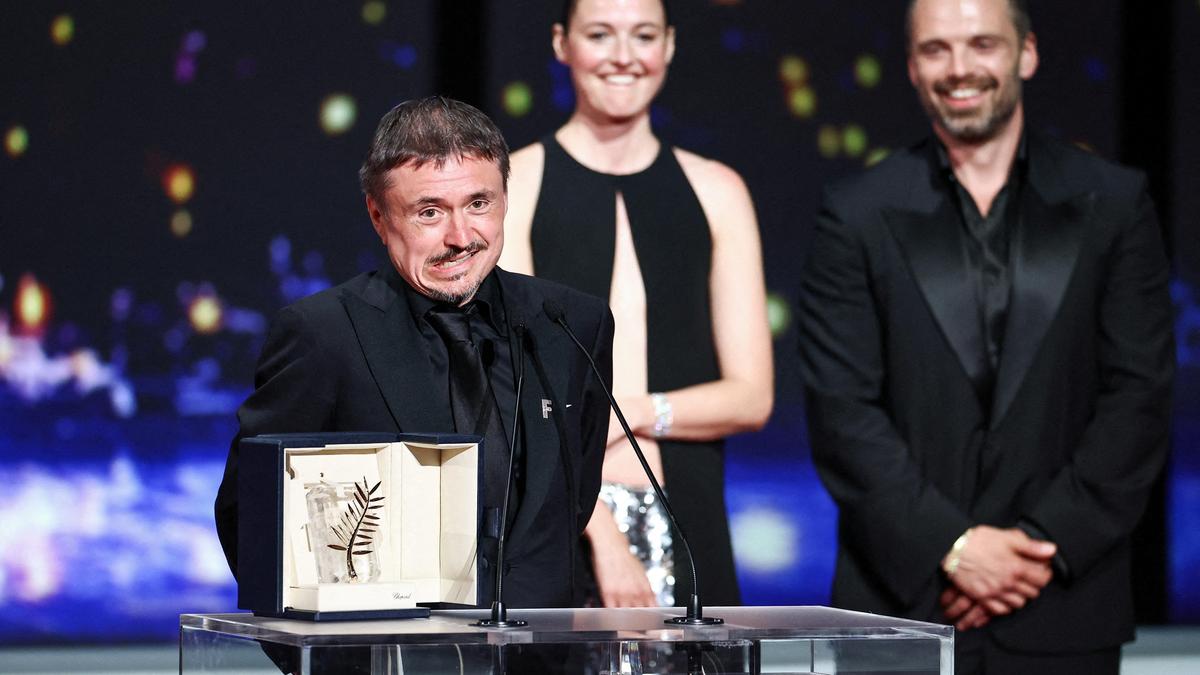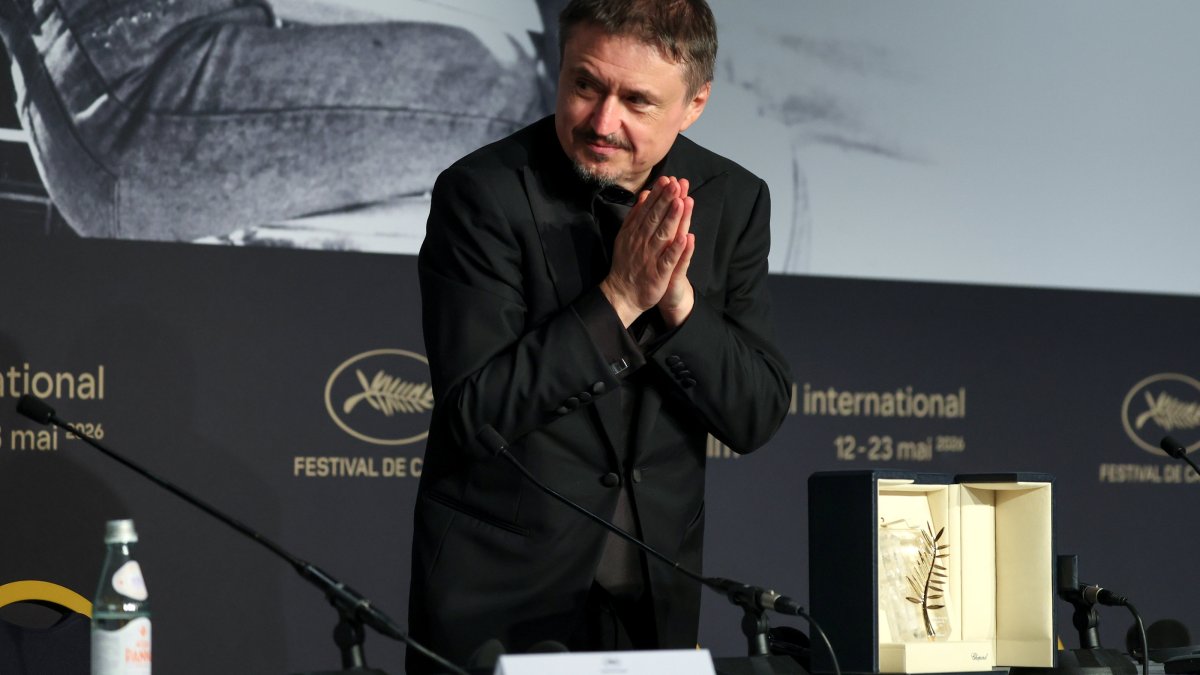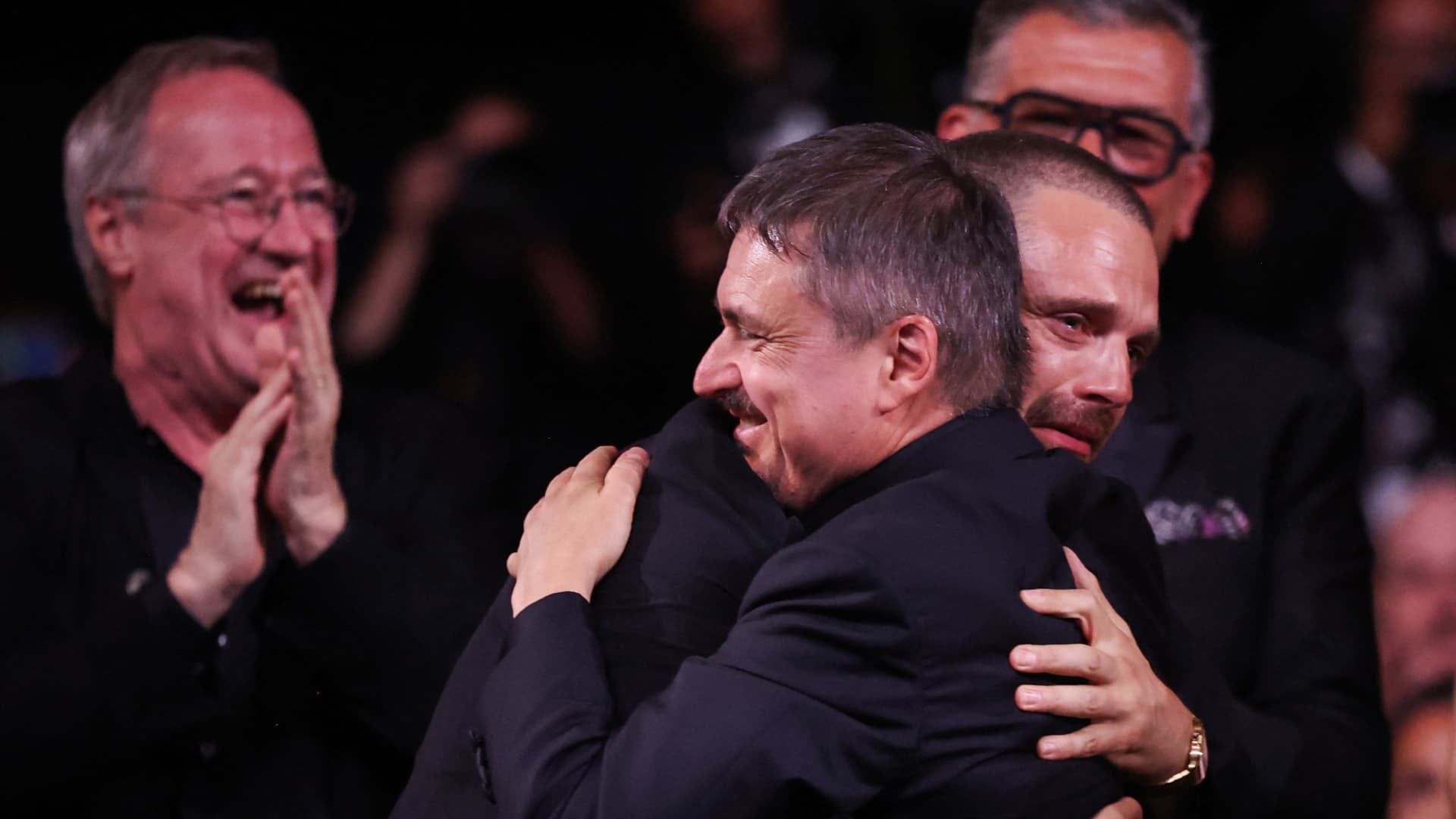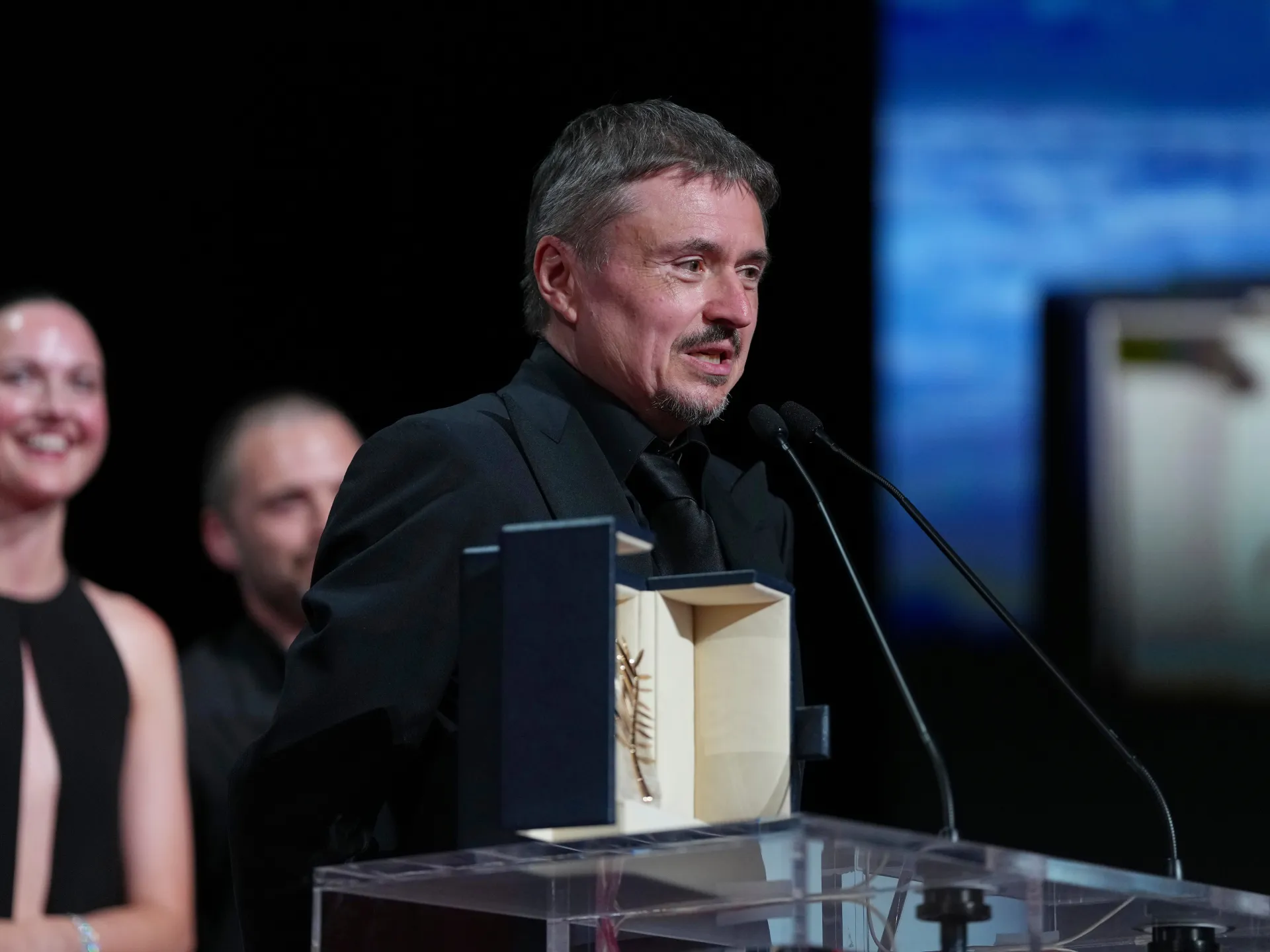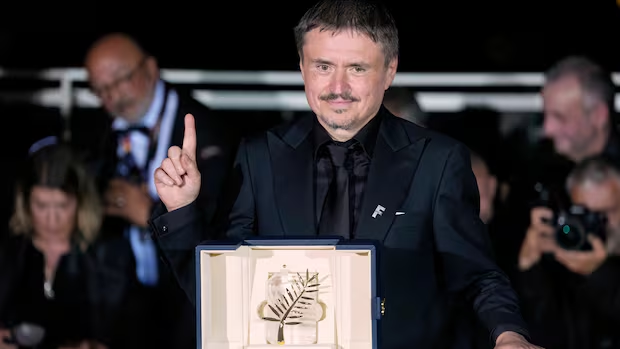
Cristian Mungiu’s Fjord wins the festival’s top prize, but the closing ceremony is also marked by political speeches, a Mahmoud Darwish quote and remarks widely read as criticism of IsraelRomanian director Cristian Mungiu won the Cannes Film Festival’s top prize Saturday night for Fjord, a surprise Palme d’Or winner at a closing ceremony that was also marked by a string of political speeches, several of them apparently directed at Israel, though mostly by implication.The clearest Middle East reference came from Canadian filmmaker Xavier Dolan, who quoted from Palestinian poet Mahmoud Darwish’s “On This Earth” before presenting the best director award. But for the most part, the ceremony’s political messages were broader, aimed at nationalism, authoritarianism and leaders around the world accused of violence and repression.5 View gallery Park Chan-wook, jury president of the 2026 Cannes Film Festival (Photo: Andreea Alexandru/ AP)The stage became a forum for protest, sometimes veiled and sometimes blunt, as speakers addressed war, extremism, cultural freedom and the role of cinema in confronting political reality.Mungiu, who previously won the Palme d’Or in 2007 for 4 Months, 3 Weeks and 2 Days, received the award from jury president Park Chan-wook. His new film, set in Norway, stars Sebastian Stan and Renate Reinsve and examines a clash between a devout conservative Christian family and liberal state institutions over child-rearing, welfare authorities and competing values.“The state of the world is not good,” Mungiu said on stage. “I am not proud of the reality we are leaving our children. We have to make a change. The relevant things are within reach. Societies today are divided and radicalized. This film is also a commitment against all forms of fundamentalism.”5 View gallery Cristian Mungiu with his Palme d’Or (Photo: John Locher/ AP)Speaking to Reuters after the ceremony, Mungiu described the film as a plea for tolerance, inclusion and empathy. “You need to double-check your beliefs every now and then and make sure that if somebody doesn’t share the same views as you do, it doesn’t mean that he’s right or that you’re right,” he said.Russian director Andrey Zvyagintsev, who lives in exile in France, won the Grand Prix for Minotaur, his first film in a decade. The film combines a personal story of jealousy and murder with the reality of Vladimir Putin’s war in Ukraine. Israeli actor Vladimir Friedman appears in the film as a mayor aligned with the regime.Zvyagintsev did not name Putin directly at first, but his target was unmistakable. “There is someone I want to address personally today, in my own name,” he said. “He is not using a VPN to watch this ceremony live, but I am sure he has other, more important decisions to make at this moment. Millions of people on both sides dream of only one thing: that the massacre will finally stop. And the only person who can put an end to the slaughter is the president of Russia, who can end this hell. The whole world is waiting for it.”5 View gallery Andrey Zvyagintsev (Photo: Andreea Alexandru/ AP)The best director prize was shared by three filmmakers: Spain’s Javier Ambrossi and Javier Calvo, known as Los Javis, for The Black Ball, and Polish director Pawel Pawlikowski for Fatherland, a historical drama about anti-Nazi writer Thomas Mann and his daughter Erika returning to Germany after World War II.“Cinema needs to reflect the political situation, but not under pre-dictated conditions,” Pawlikowski said. “It takes courage in this world to talk about what people really see. There must be a free space for art.”The Polish director, who faced attacks in his own country after addressing Holocaust crimes in his Oscar-winning film Ida, added: “Cinema must resist, and that is why I made this film.”The acting prizes were also shared. Valentin Campagne and Emmanuel Macchia won best actor for their performances as two Belgian soldiers who fall in love during World War I in Lukas Dhont’s Coward. France’s Virginie Efira and Japan’s Tao Okamoto shared best actress for their roles in Ryusuke Hamaguchi’s three-hour drama All of a Sudden.5 View gallery Pawel Pawlikowski German director Valeska Grisebach won the jury prize for The Dreamed Adventure, shot entirely in Bulgaria. The Caméra d’Or for best first feature went to Rwandan filmmaker Marie-Clémentine Dusabejambo for Ben’Imana, a drama about intergenerational trauma among women against the backdrop of the Rwandan genocide.Before the screenplay prize was announced, Lebanese director Nadine Labaki spoke about the war in her country in unusually restrained terms.“I cannot stop thinking about my country, Lebanon, a country condemned to experience the most terrible scenarios,” she said. “My husband and I experienced emotional turmoil and uncertainty. Is it right to leave Lebanon while it is going through a devastating war?”5 View gallery Tao Okamoto and Virginie Efira (Photo: Andreea Alexandru/ AP)The screenplay prize went to French filmmaker Emmanuel Marre for A Man of His Time, adapted from the story of his grandfather, Henri Marre, a failed writer who tries to find a place within the Vichy government during World War II. In his speech, Marre linked that dark period to the present day, condemning “violence, the need to dominate and empower yourself at the expense of others.”He then appeared to refer, without naming them directly, to leaders including Donald Trump and Benjamin Netanyahu.“These people play at being little bosses, bosses or family men,” Marre said, “and when they become heads of state or stand at the head of a company, they exclude, bomb or launch genocide.”The ceremony also included an honorary Palme d’Or for Barbra Streisand, who accepted in a video message after a knee injury prevented her from attending. Still, the dominant tone of the evening was less celebratory than confrontational, with Cannes closing on a note that placed politics, war and cultural resistance alongside cinema’s most prestigious prize.
Cannes closes with surprise Palme d’Or win and veiled anti-Israel speeches
Cristian Mungiu’s Fjord wins the festival’s top prize, but the closing ceremony is also marked by political speeches, a Mahmoud Darwish quote and remarks widely read as criticism of Israel
960 words~4 min read