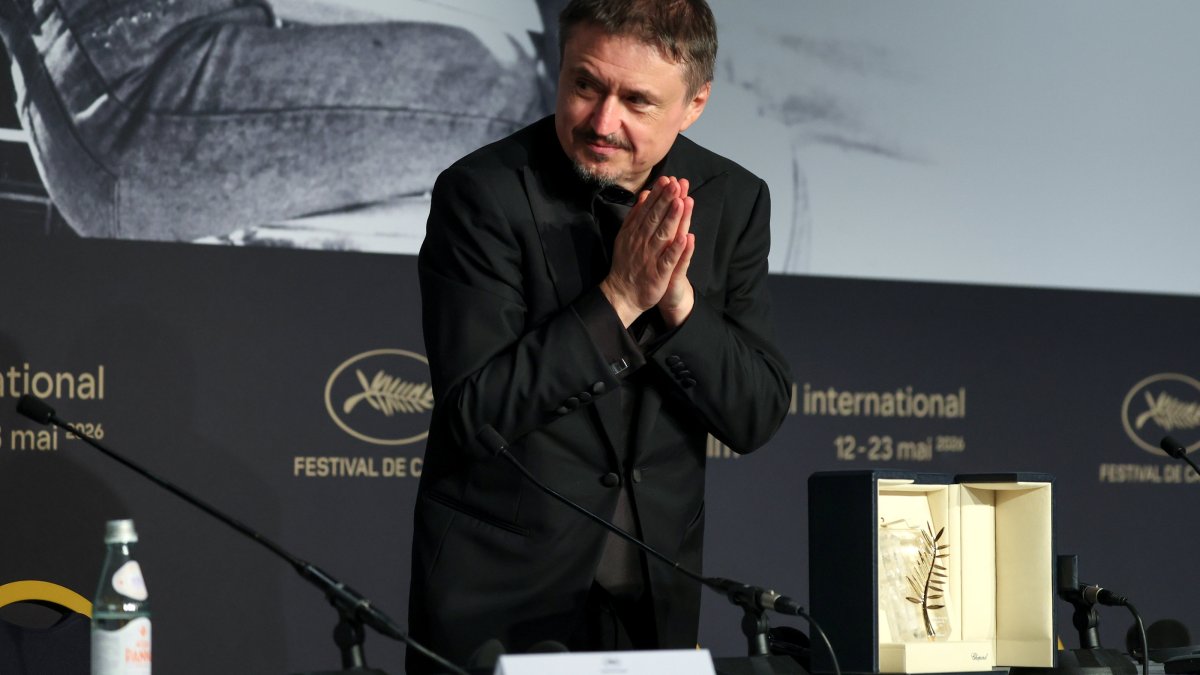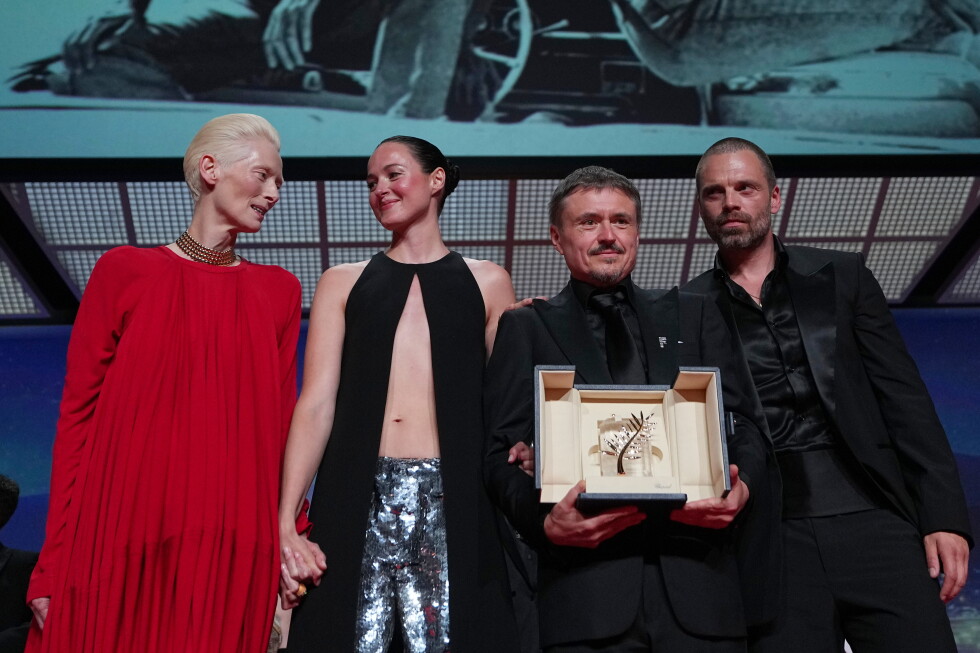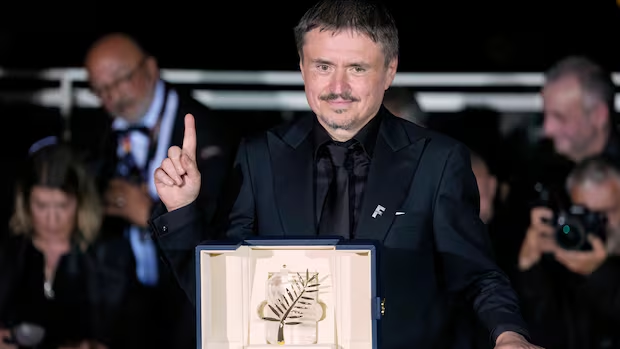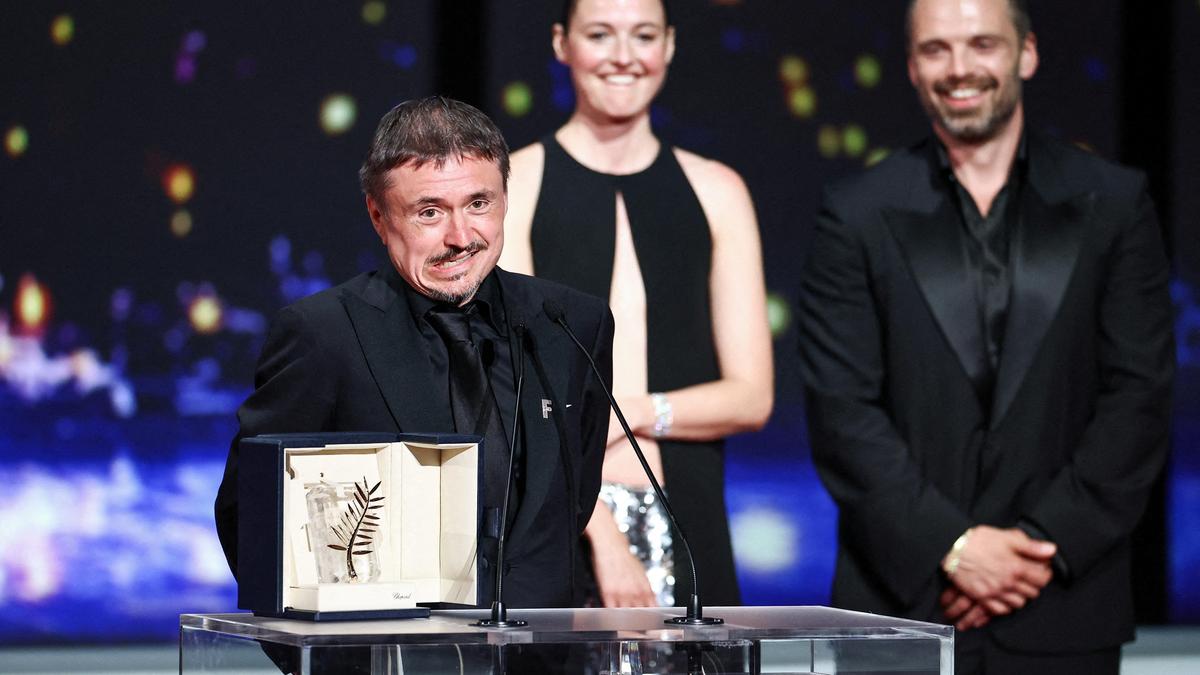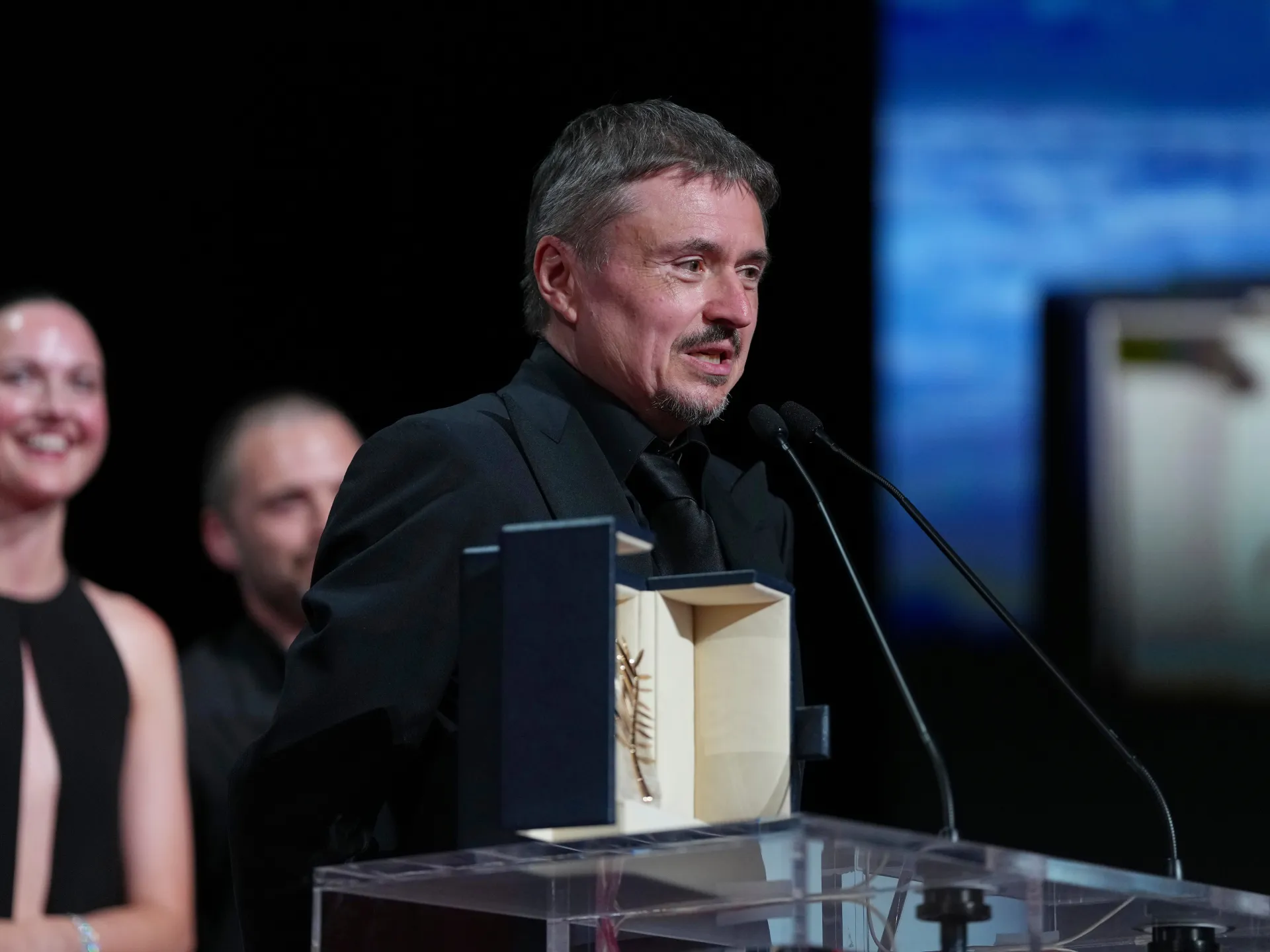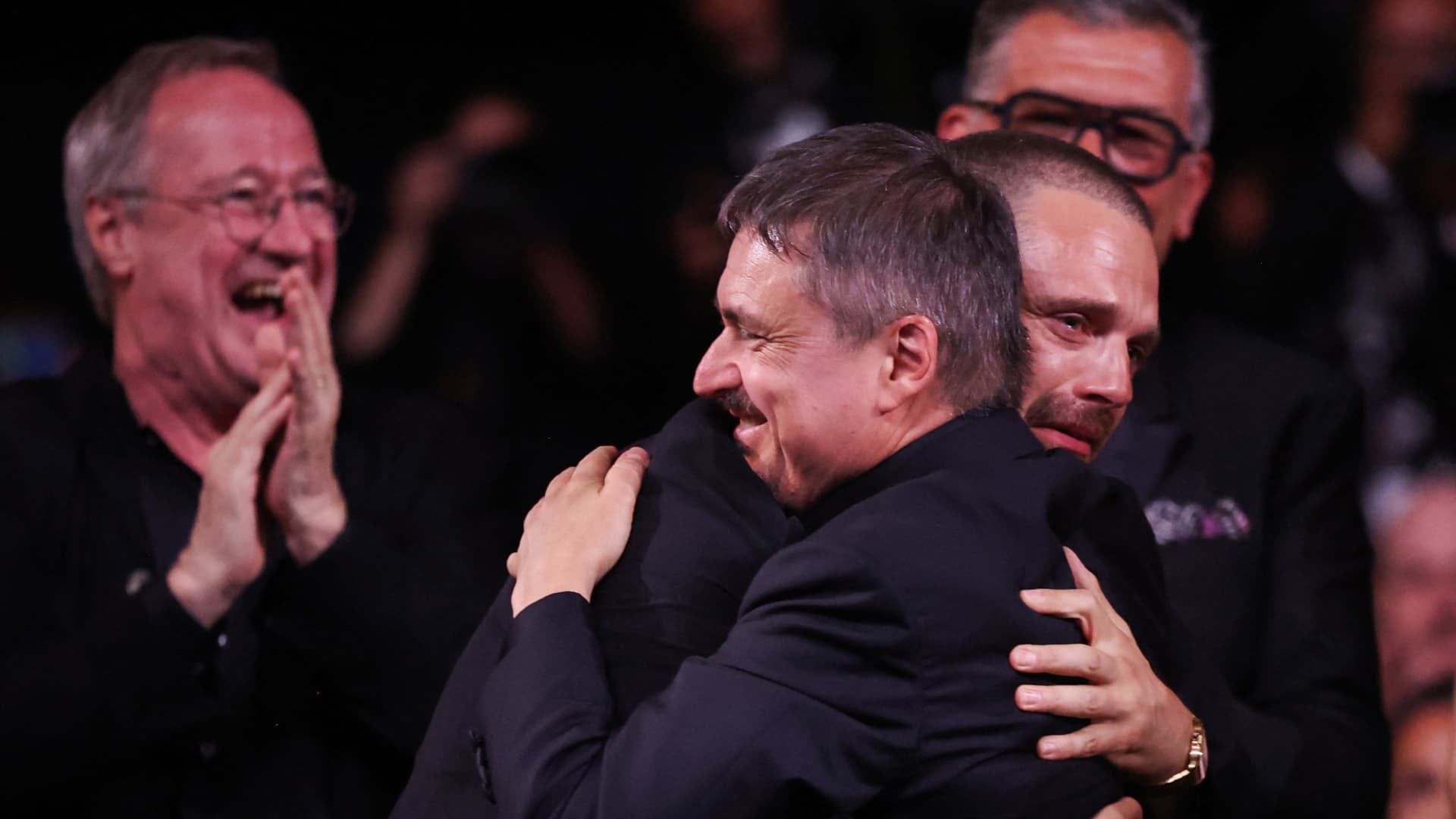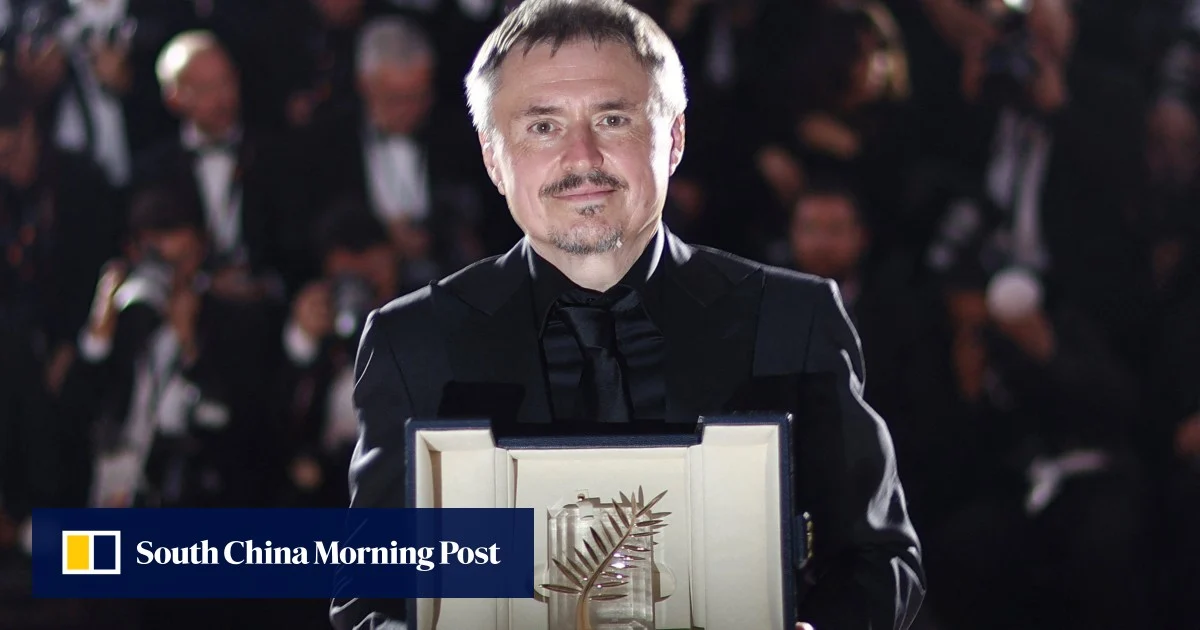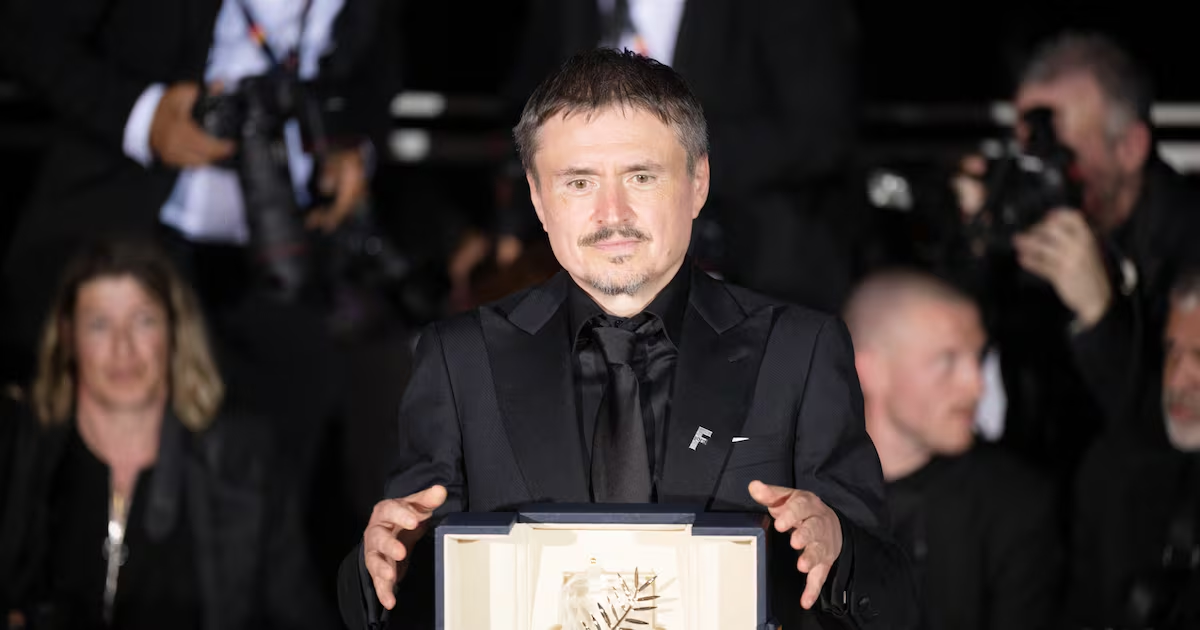
The Palme d’Or, top prize at the 79th edition of the Cannes film festival, has gone to Cristian Mungiu’s tense, hugely provocative drama Fjord. The Romanian director, who won the same prize for 4 Months, 3 Weeks and 2 Days in 2007, now swells the number of directors with two Palmes to 10. None has won a third. Fjord tells the tale of a Christian couple, presented sympathetically, who, after moving to Norway, have their children seized by child services when it emerges they have administered an occasional slap to the bottom. “Expressing doubts about our liberal society doesn’t mean for a second that I’m a defender of a conservative society,” Mungiu said earlier in the week. “It means that I trust progressive society more in its capacity for admitting self-criticism.” It will be interesting to see how Fjord, with Renate Reinsve and a near-unrecognisable Sebastian Stan as the parents, will go down in the US when – as is surely now inevitable – it competes in awards season at the end of the year.There was much audible emotion as Andrey Zvyagintsev’s Minotaur took the Grand Prix (essentially the runners up prize). The Russian director fell gravely ill in 2021, contracting nosocomial sepsis and a polyneuropathy that temporarily deprived him of the ability to walk. Minotaur, a great critical hit at this year’s event, follows a Russian businessman as his flexible morality leads him into committing an appalling, but seemingly casual, crime.In an evening with much sharing of awards, best director went to two very different films dealing with literary legacy: Paweł Pawlikowski’s sober monochrome Fatherland, following the writer Thomas Mann as he progresses across Germany after the second World War; and Javier Calvo and Javier Ambrossi’s The Black Ball, a wild, celebratory Spanish epic rooted in the discovery of a lost work by the poet and playwright Gabriel Garcia Lorca. Amusingly, there was only one actual prize on stage, so Pawlikowski, a dryly amusing Polish film-maker, had to borrow that just given to the Spanish team for his photographs. Pawlikowski had already joked about the traffic jam of winners on stage. “This is a piece of disastrous mise en scène,” he said. “All the more reason to have real directors up here.”[ Cannes First Look review: Fjord - Nail-biting drama exploring European culture and toleranceOpens in new window ]Best actor went to two performers in Lukas Dhont’s first World War drama, Coward. Valentin Campagne and Emmanuel Macchia play young men who fall in love amid carnage at the Western Front. The performers seemed genuinely shocked by a prize that many had marked down for Javier Bardem’s bravura turn in Rodrigo Sorogoyen’s The Beloved.There was more doubling-up in the best actress category. Virginie Efira and Tao Okamoto won for playing, respectively, a diligent care worker and a terminally ill playwright in Ryusuke Hamaguchi colossally long (and deceptively titled) All of a Sudden. “This is beyond a dream. Merci beaucoup,” Okamoto said from the podium.Tilda Swinton, Isaach de Bankolé, Renate Reinsve, Cristian Mungiu, Sebastian Stan, Emmanuel Macchia, Isabelle Huppert and Andrey Zvyagintsev pose on stage during the closing ceremony. Photo: Andreas Rentz/Getty Images The Irish actor Ruth Negga, who has been blazing up the red carpet for the last 11 days as a member of Park Chan-wook’s starry jury, got to announce a surprise jury prize. That award, the fourth place gong, went to Valeska Grisebach’s austere Bulgarian-set drama The Dreamed Adventure. Best screenplay deservedly went the way of Emmanuel Marre for the rigorous A Man of his Time, set among collaborators in Vichy, France, during the second World War.As ever, the ceremony, presented this year by actor Eye Haïdara, was a combination of slick passion and euro-oddness. Barbra Streisand, legendary actor and singer was honoured with an honorary Palme d’Or, but was unable to attend in person due to a knee injury. Rather than draft in an American contemporary, Streisand had French actor Isabelle Huppert accept the prize on her behalf. “I think all of us here tonight share film in a crazy, volatile world that seems more fractured every day,” the honouree said in a video message. “It’s reassuring to see the compelling movies at this festival by artists from many countries. Film has that magical ability to unite us, opening our hearts and minds, and that’s what we’re really celebrating at Cannes.”Ruth Negga speaks on stage during the closing ceremony of the 79th annual Cannes Film Festival. Photograph: Andreas Rentz/Getty Images Streisand’s absence would have been particularly galling for the organisers at the close of an edition notable for a relative shortage of American films. For the first time in some years, no mainstream blockbuster premiered on La Croisette. Only two US films landed in the main competition – James Gray’s Paper Tiger and Ira Sachs’s The Man I Love, but both premiered to notably strong reviews.As ever there was much moaning from critics about quality, but few could argue with the quality of the winners. Before presenting the Palme to Mungiu, the Scottish actor Tilda Swinton offered suitable celebration. “Vive la différence, vive le cinéma, vive la race humaine!” she bellowed. Awards of the 2026 Cannes film festivalPalme d’Or: Fjord, Cristian MungiuGrand Prix: Minotaur, Andrey ZvyagintsevJury Prize: The Dreamed Adventure, Valeska GrisebachBest Director: Javier Calvo and Javier Ambrossi, The Black Ball; Pawel Pawlikowski, FatherlandBest Actress: Virginie Efira and Tao Okamoto, All of a SuddenBest Actor: Emmanuel Macchia and Valentin Campagne, CowardBest Screenplay: A Man of His Time, Emmanuel MarreCamera d’Or for Best First Feature: Ben’imana, Marie-Clémentine DusabejamboShort Film Palme d’Or: Para Los Contrincantes, Federico Luis
Cannes 2026: Cristian Mungiu wins top Palme d’Or for provocative drama Fjord
Ceremony, presented this year by actor Eye Haïdara, was a combination of slick passion and euro-oddness
928 words~4 min read