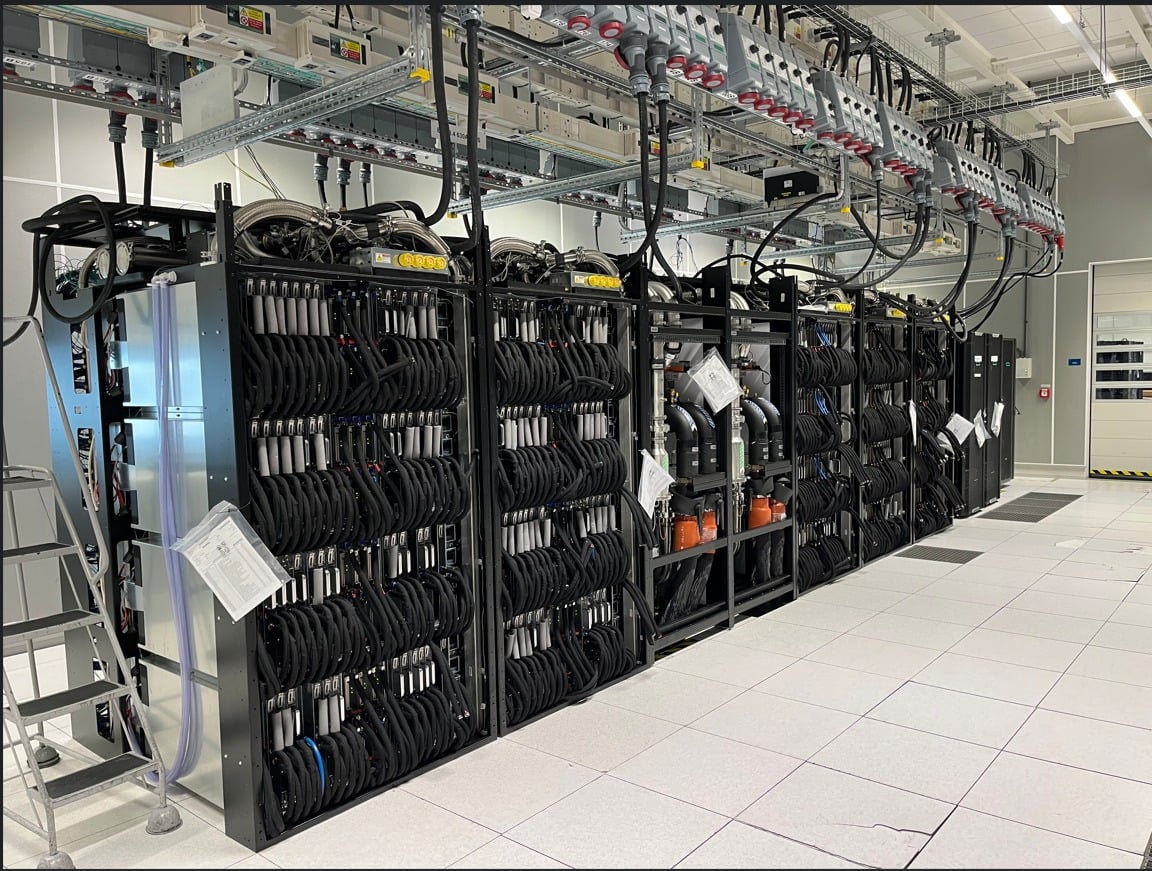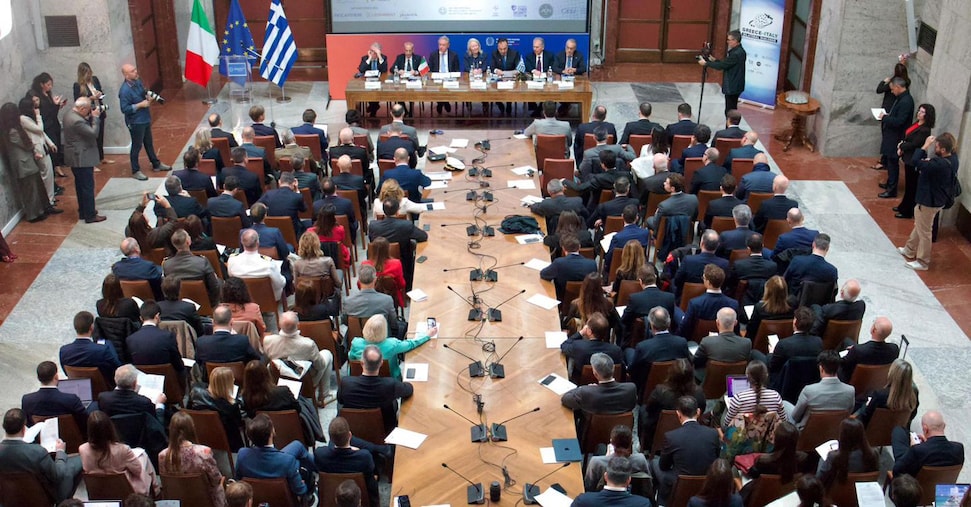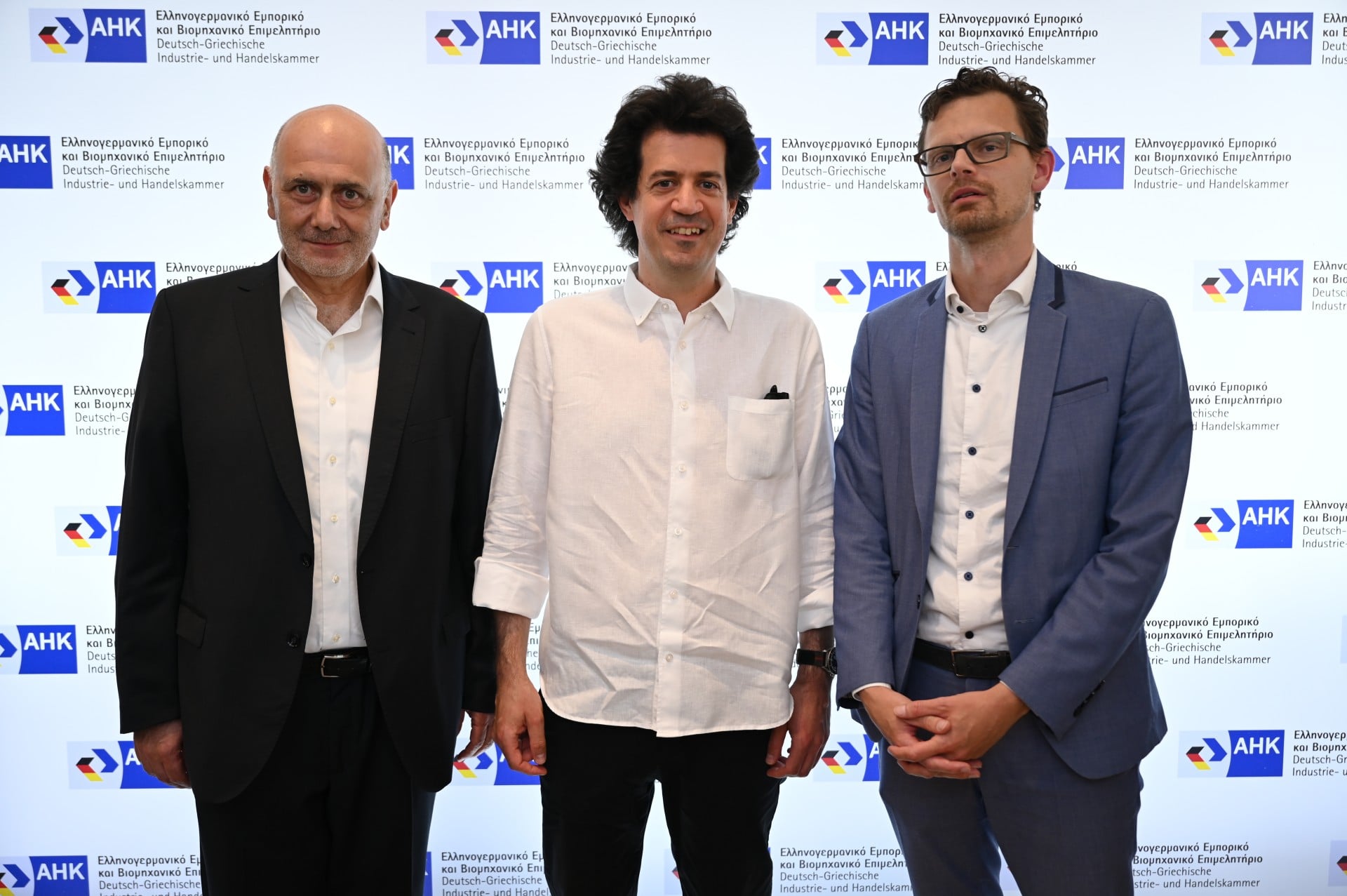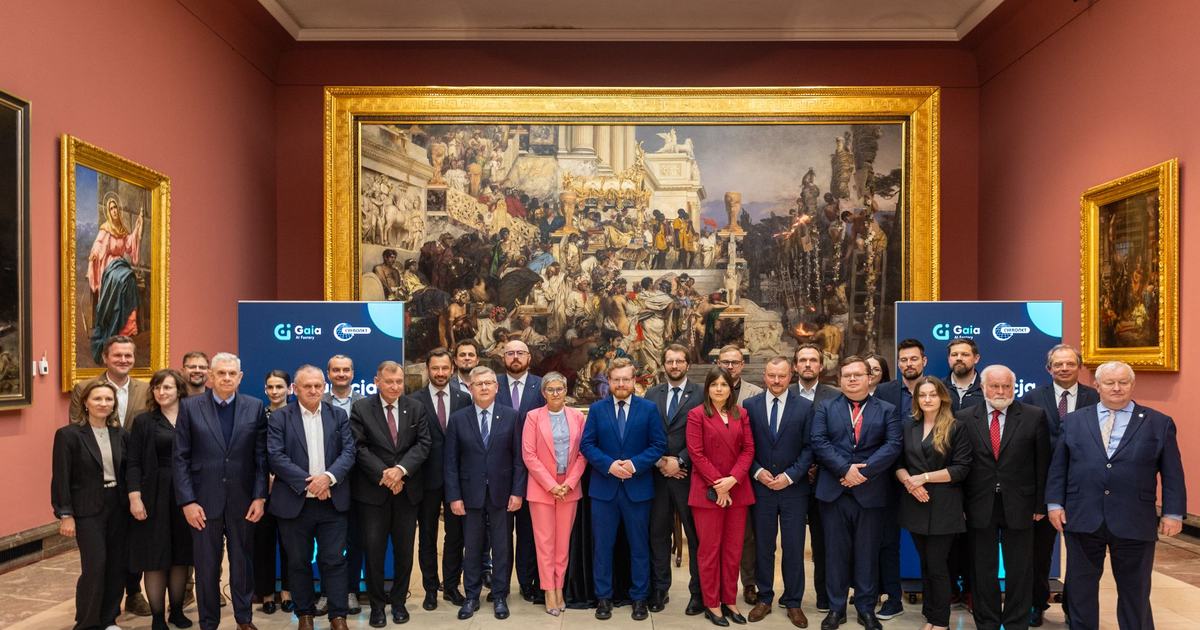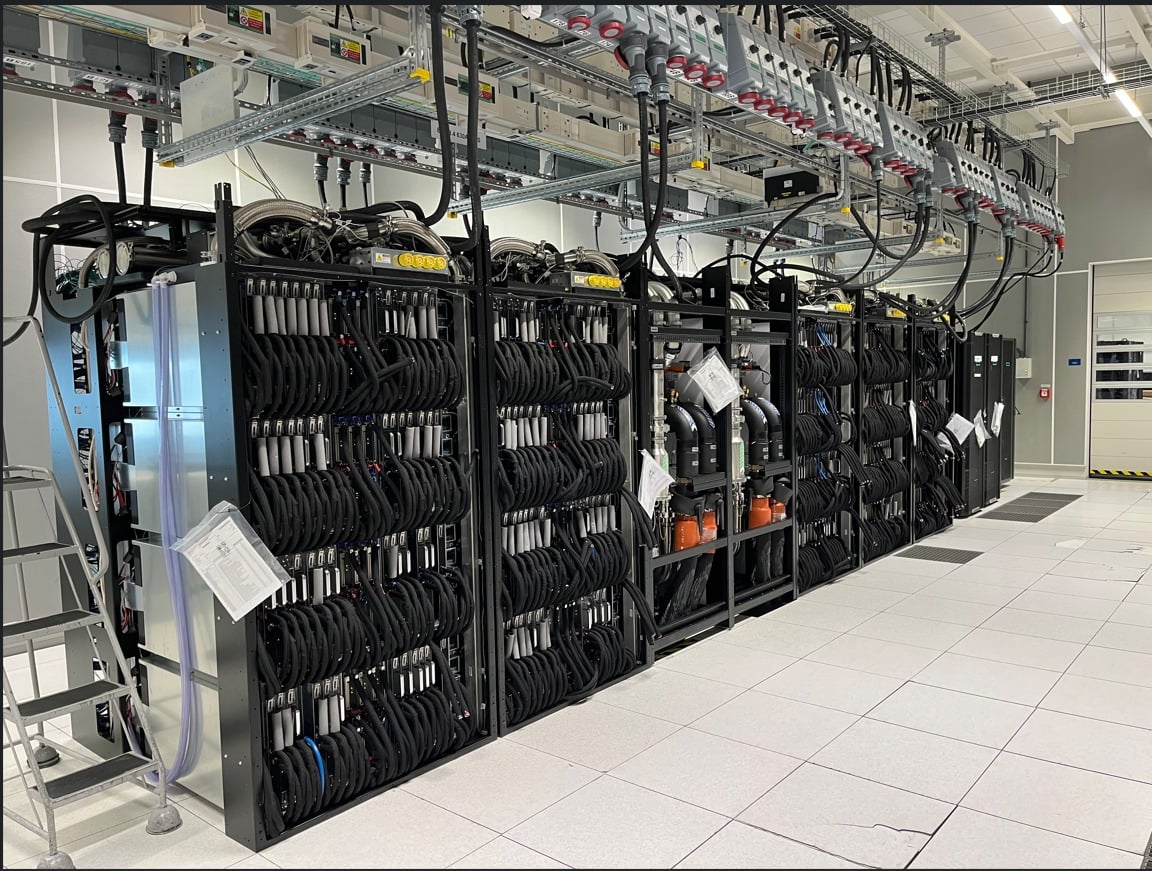
The first project aimed at Greece’s productive forces, with a particular focus on small and medium-sized enterprises (SMEs), providing them with the necessary computing resources for Artificial Intelligence applications, is about to be completed and is expected to become operational this autumn.The project concerns the Daedalus supercomputer, the “heart” of the Pharos AI Factory currently under construction at the Lavrion Technological and Cultural Park (LTCP). Its transfer to Greece by the manufacturing company Hewlett Packard Enterprise is scheduled for June. This is a project of major importance for the adoption of advanced technologies. However, it represents only one step. It remains to be seen whether the initiatives aimed at placing Greece among the countries leveraging Artificial Intelligence — ensuring the country is not left behind amid the disruptive transformations underway — will continue.At the same time, the creation of the AI Factory in Lavrion, with a total budget of 58.9 million euros, constitutes a unique example of successful collaboration among multiple stakeholders. Led by the Greek Research and Technology Network (GRNET), an entity supervised by the Ministry of Digital Governance, the project is being implemented with the participation of the National Centre for Scientific Research “Demokritos”, the National Technical University of Athens (NTUA), Athena Research Center, and Growthfund, in close cooperation with the Special Secretariat for Foresight at the Presidency of the Government.The Greek proposal “Pharos – The Greek AI Factory for Accelerating AI Innovation” was one of seven proposals selected by EuroHPC for the establishment and operation of the first AI Factories across Europe — an initiative that marks a strategic move to advance Artificial Intelligence throughout the continent.Growthfund and the Ministry of Digital Governance participate in the company established to support the operation of the AI Factory. Pharos AI Factory is expected to announce its operational framework in the near future.The facility will provide access to high-performance computing power, datasets, algorithms and large language models, as well as specialised human capital. A central pillar of its activities will be the management and utilisation of data. Its integration with the innovation ecosystem — including start-ups, SMEs, research institutions and public sector organisations — is expected to foster the development of innovative solutions through the use of computing resources and Artificial Intelligence tools. The priority sectors in which Pharos will provide HPC services and resources in Greece include healthcare, culture, language and sustainability.In parallel, Pharos AI Factory will design and develop machine learning, deep learning, natural language processing and generative AI algorithms, as well as large language models.All of the above undoubtedly constitute tangible progress, though not yet the transformative leap required. As MIT professor Konstantinos Daskalakis recently stressed, “a significant share of GDP must be invested if we are to place ourselves on the Artificial Intelligence map; incremental interventions alone will not achieve this.”The new national supercomputer Daedalus will serve as the computing platform of the Pharos AI Factory, delivering total computing power of 89 Pflops, capable of supporting demanding large-scale Artificial Intelligence applications. It will also feature state-of-the-art storage technologies and will be connected via GRNET and RE-Cloud at speeds of up to 400 Gbps.Daedalus will be 150 times more powerful than the existing ARIS supercomputer and is expected to rank among the world’s top twenty systems in both performance (TOP500) and energy efficiency (GREEN500).
Daedalus supercomputer to be operational in the fall
The project concerns the Daedalus supercomputer, the “heart” of the Pharos AI Factory currently under construction at the Lavrion Technological and Cultural
579 words~3 min read