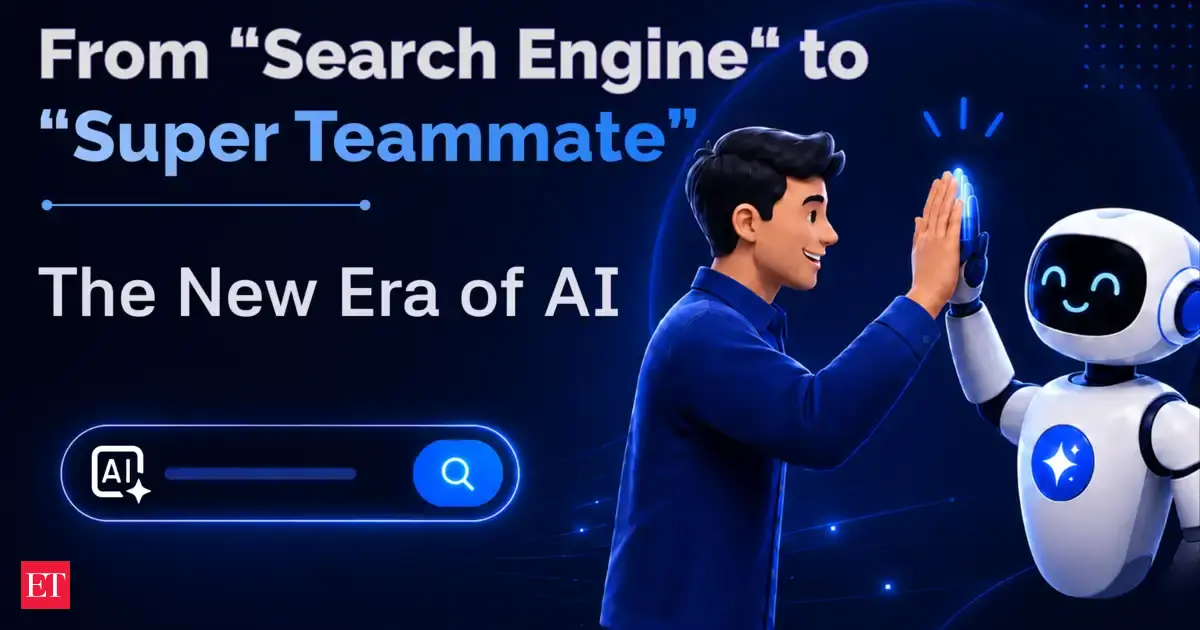
Multi-agent systems are no longer a research curiosity confined to academic papers and lab demos. They are rapidly becoming the backbone of a new generation of productivity tools — ones that don't just assist humans but actively collaborate with them, break down complex goals, and execute multi-step workflows with minimal hand-holding. If you've been watching the AI space closely, you've probably noticed a shift: the conversation has moved from "what can a single AI model do?" to "what can a coordinated network of AI agents accomplish together?" That shift matters enormously, and it's reshaping how individuals and organizations get work done.
What Exactly Is a Multi-Agent System?
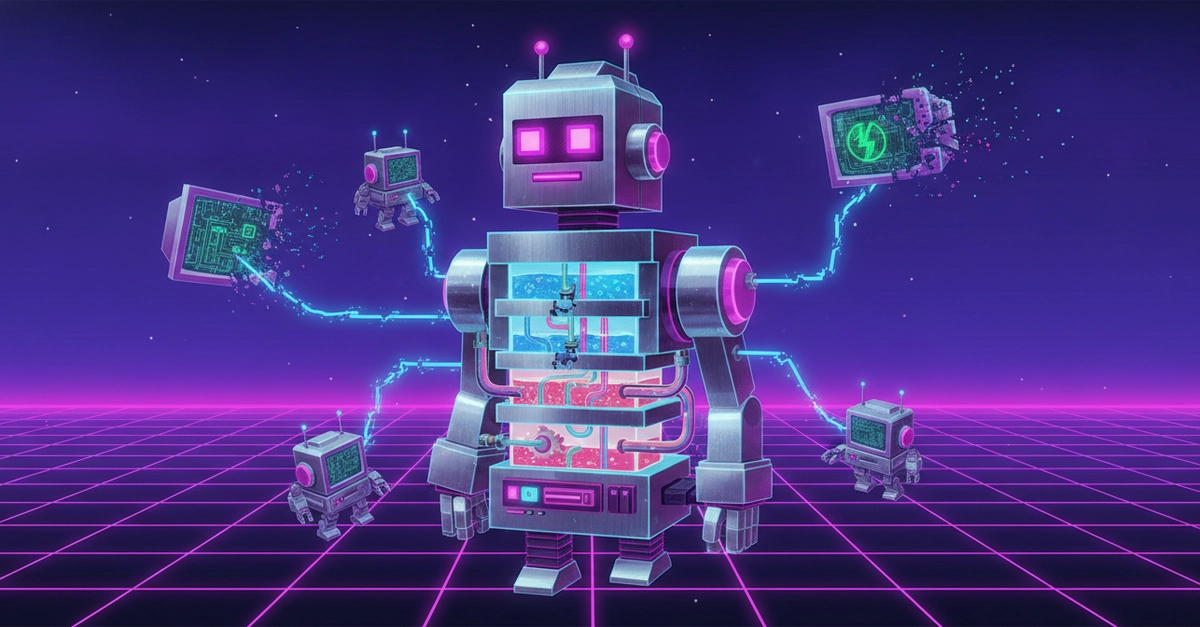
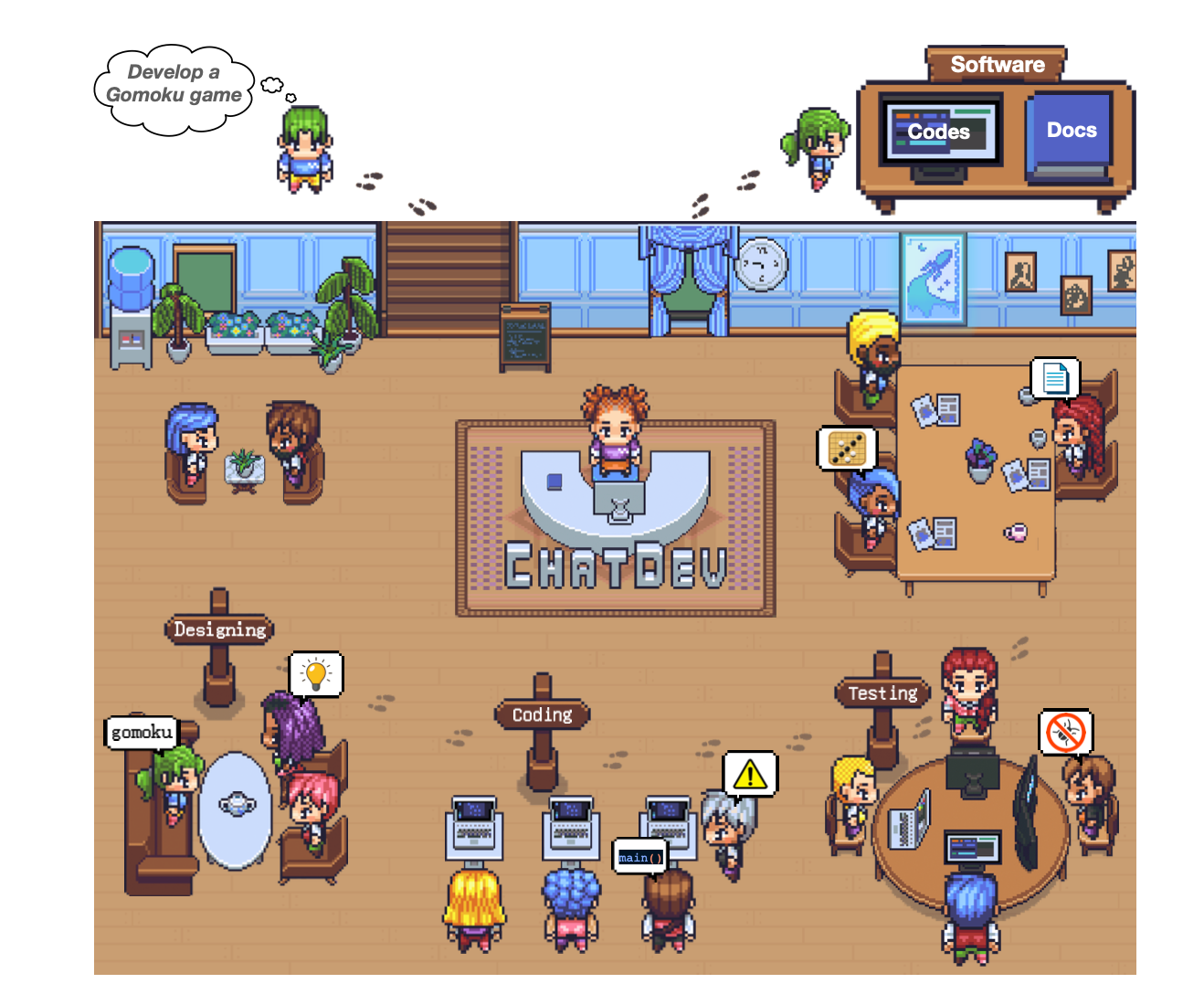
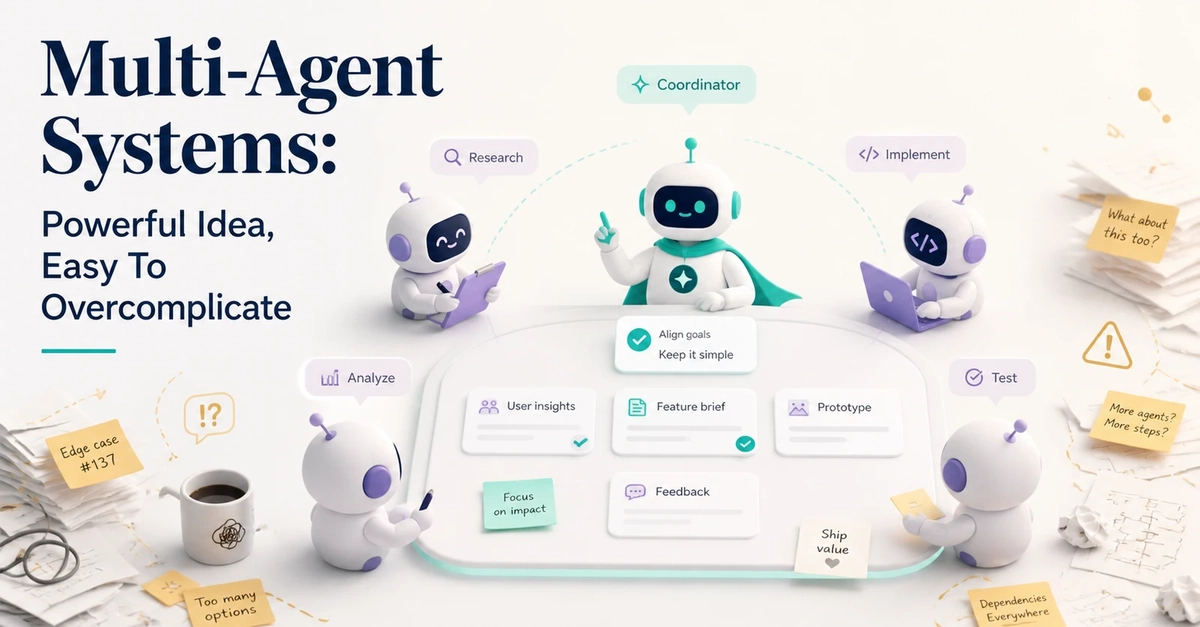
At its core, a multi-agent system (MAS) is an architecture in which multiple AI agents — each with its own role, memory, and toolset — work together to complete tasks that would be too complex or unwieldy for a single model acting alone. Think of it less like one highly capable employee and more like a well-organized team where each member has a specialty.
A researcher agent might gather information from the web. A writer agent drafts a report based on that research. A critical agent reviews the draft for logical inconsistencies. A formatter agent prepares the final output for publication. None of these agents individually does something extraordinary — but coordinated, they accomplish something genuinely impressive: a complete, high-quality deliverable produced with minimal human intervention.