For more information or if you need help retrieving your data, please contact Weights & Biases Customer Support at support@wandb.com
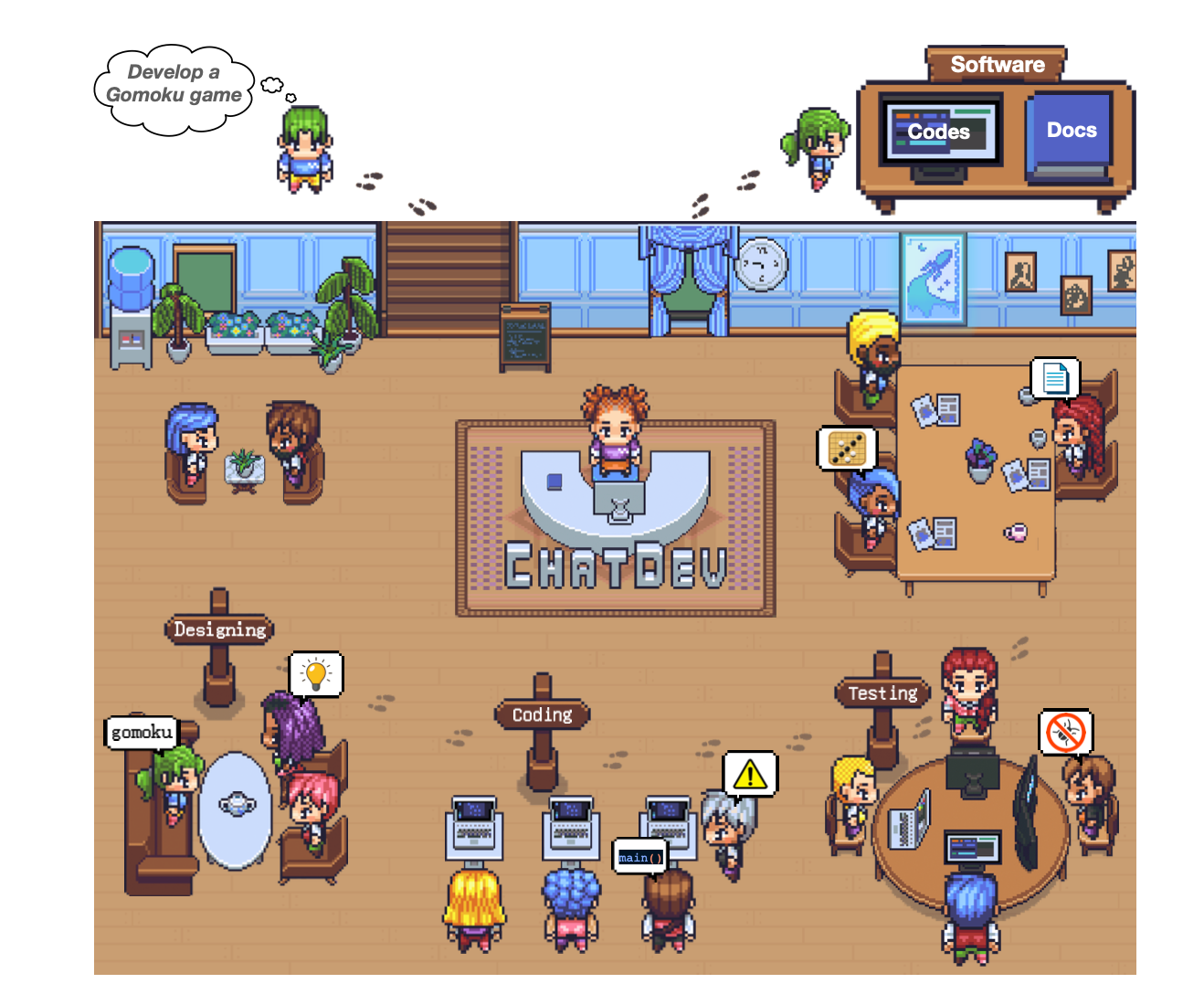
AI systems are evolving beyond single models handling tasks in isolation. Instead, intelligent multi-agent AI systems are emerging as a means to distribute work across multiple specialized agents, enabling collaboration, iterative refinement, and more dynamic decision-making. Rather than relying on a single model to generate and verify outputs independently, multi-agent systems introduce structured interactions where agents communicate, challenge assumptions, and improve results through collective reasoning.
This article will examine how multi-agent AI systems operate, their key distinctions from single-agent models, and the advantages they provide. We’ll also cover different types of multi-agent systems, real-world applications, and the challenges that come with building and deploying them.
An AI agent is an intelligent system designed to achieve specific goals through planning, the use of external tools, retaining memory, and adapting over time. Unlike traditional automation, which follows rigid, predefined rules, AI agents dynamically process information, make decisions, and refine their approach based on the feedback they receive.