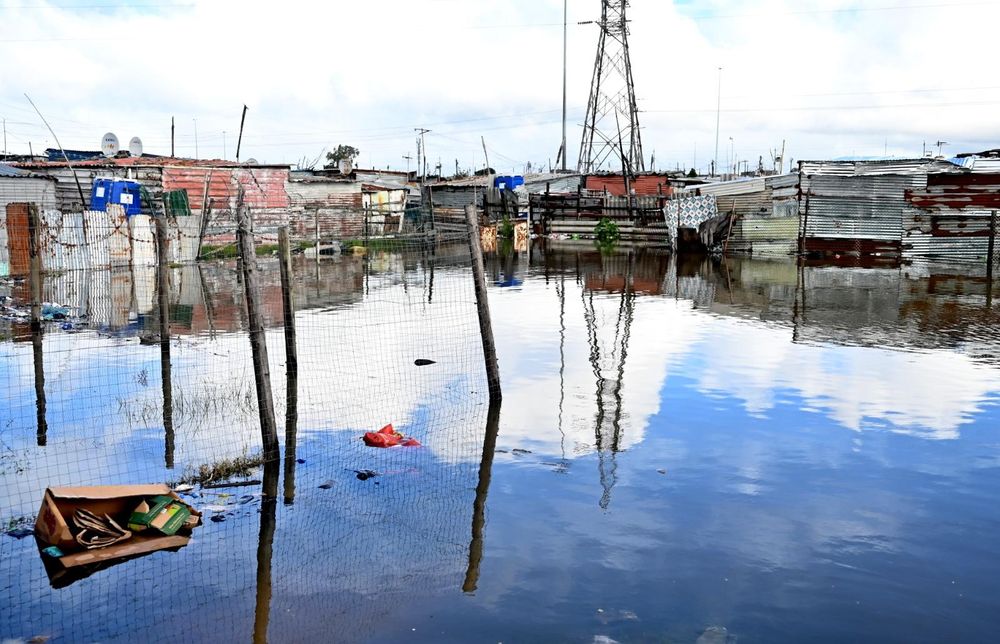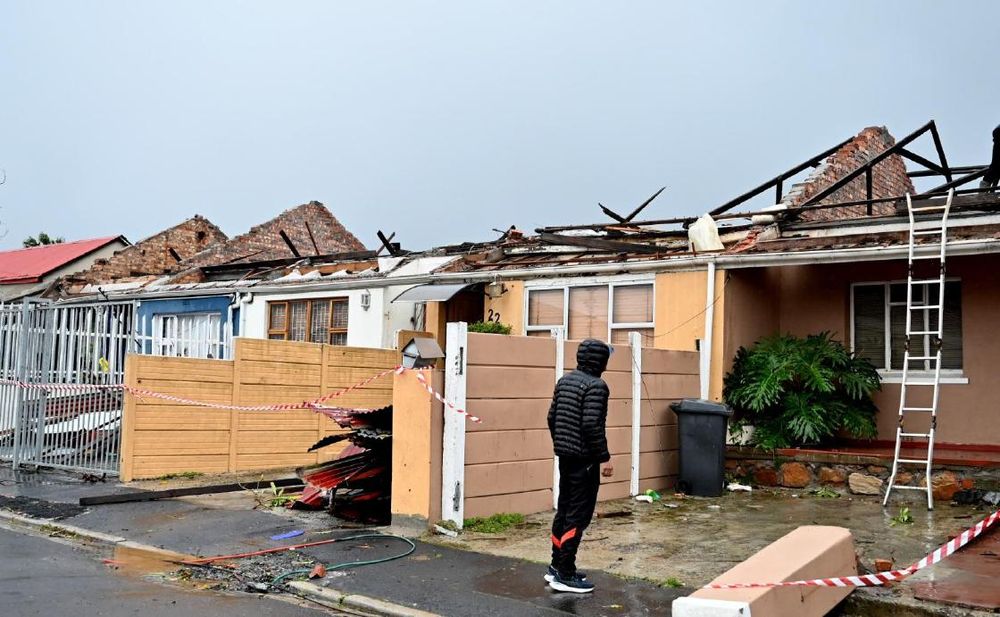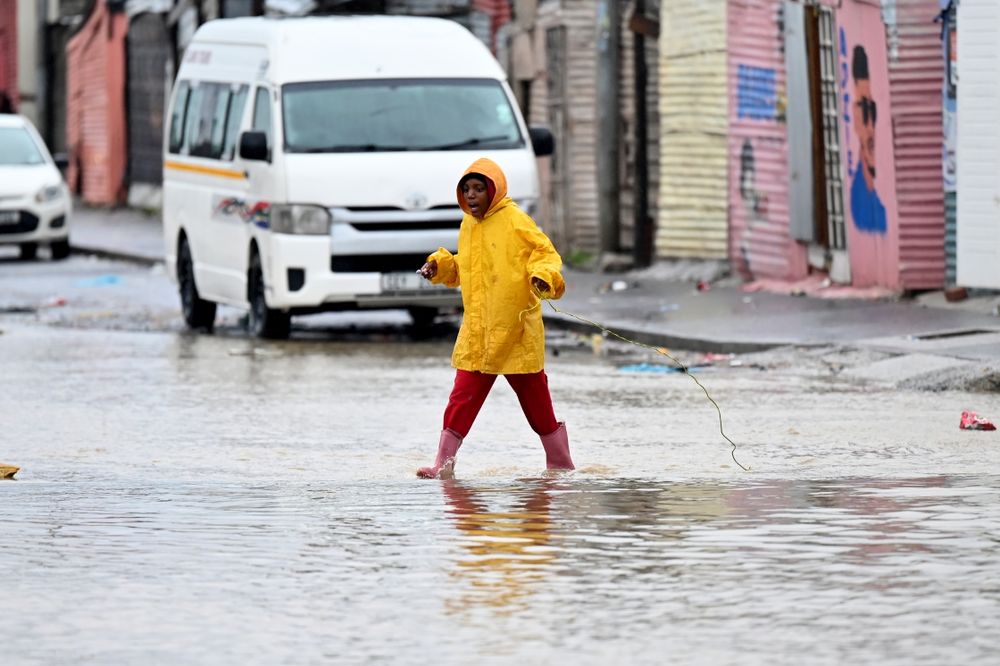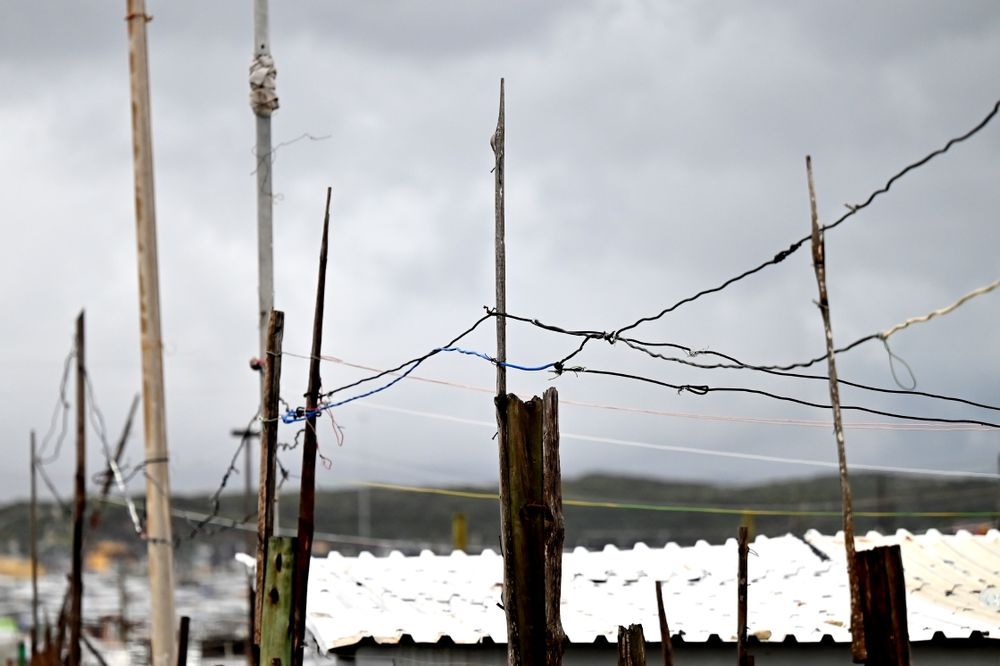
If you know a Capetonian, you’ll know we all had to hunker down a few weeks ago to wait out a mini cyclone. The city is called the Cape of Storms, but as locals we were still taken by surprise by the ferocity of the wind and extent of the rainfall. This was a particularly nasty weather system and, tragically, lives were lost. Of course, I was worried about the branch hanging too close to my roof for comfort, but my partner and I were also concerned about the residents of local informal settlements, and did what we could to support them.That is the South African way. Our national character is to look out for our neighbours, and after spending time working with South African corporate, I’m proud to say most of them behave the same way. While environmental, social, governance (ESG) and sustainability issues and corporate social responsibility can feel like hollow buzzwords in other markets, here they still carry weight. In a system where government support is patchy, ad hoc and often wholly inadequate, many companies understand it is their responsibility to help fill the gap. That is why I prefer the term corporate social responsibility (CSR) over sustainability, for example. One implies agency and accountability; the other can sometimes feel like an endless tick box exercise. Whether it is helping a colleague struggling to pay for their child’s school uniform, offering meaningful support for female staff with children, or creating employment opportunities within local communities, these are tangible actions that matter. That is especially true when it comes to the three “Ps”, people, planet and profit, because here reporting is personal. That is not always true elsewhere. Having also worked in the UK, the difference is stark. South African businesses tend to take their responsibilities to heart, while elsewhere it can feel more performative, a nice-to-have rather than something genuinely expected of corporate life. That’s both cultural and because in places such as the UK there are government structures that pick up the slack. This was echoed recently in Citywire’s special report on ESG in South Africa, which noted “the result is an ESG market entering a more mature and demanding phase, one where credibility may matter more than branding”. It went on to say investors are paying less attention to high-level commitments and more to evidence of implementation, consistency and measurable impact. In South Africa there is still an underlying expectation that business should care, and more often than not they do. To be clear, this is not limited to large corporates. While bigger companies may have more comprehensive corporate policies, often it is the smaller businesses, where leaders interact with staff every day, that make sure their people are properly cared for. Edelman reported in its 2025 Special Report on South Africa that 84% of us trust the brands we use to “do what is right”, which is higher than trust in government or media, and 62% of South Africans say they would be less likely to buy from a brand that ignores its obligation to address societal matters. Those are big numbers. Bravo to the Cape Town corporates that stepped up to support their communities in the aftermath of the storm, and continue to do so regularly. I know Knight Frank was one of them, and I’m sure there were many others also quietly doing their part. There is something powerful about a market where companies understand their licence to operate is tied not only to profit, but to people. Because ultimately reporting is never only about numbers. It is a reflection of values. In a country such as South Africa, where communities so often carry one another through whatever fresh storm (metaphorical included) we face, businesses are judged not simply by what they say, but by whether they showed up when it mattered. Looringh van Beeck is a senior director at Stoneway.
KIM LOORINGH VAN BEECK | How SA shapes its own CSR
Corporate social responsibility iis more than a box to tick
649 words~3 min read