At a critical juncture, Cape Town faces a choice between becoming a global property playground or ensuring justice and belonging for its residents. Faiez Jacobs explores the implications of foreign investment and the Constitutional Court's ruling on affordable housing in the city.
Words create. Words frame what we see, what we tolerate, what we demand and what we build. Cape Town now needs new words for an old wound: land, belonging, justice and the right of ordinary people to live near the opportunities they help create.
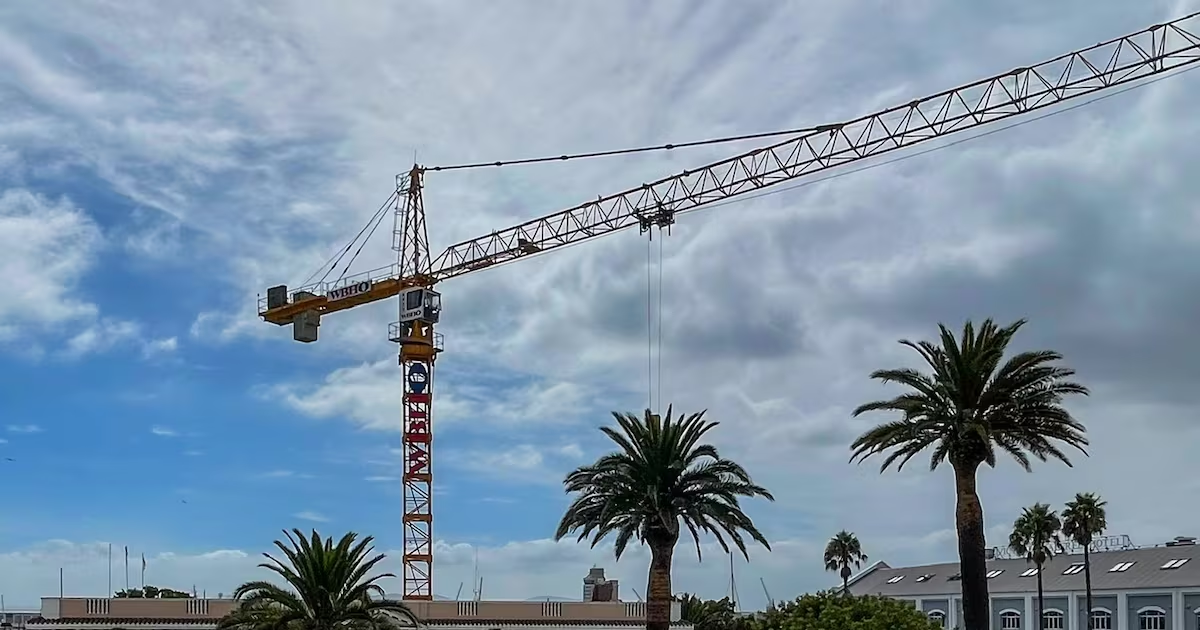
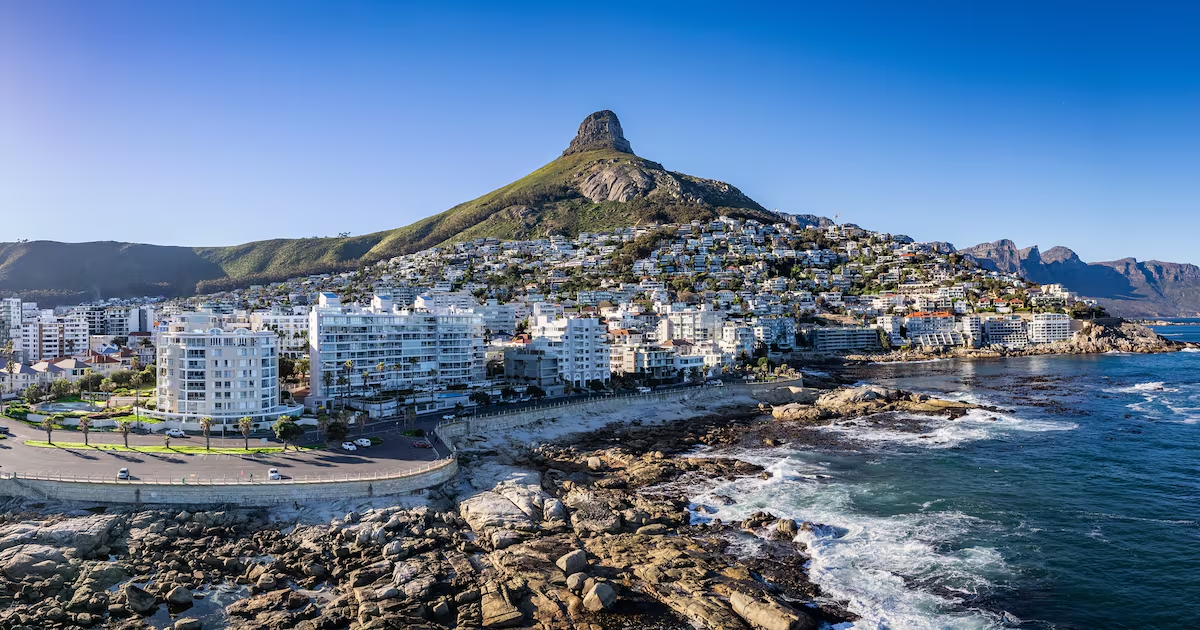
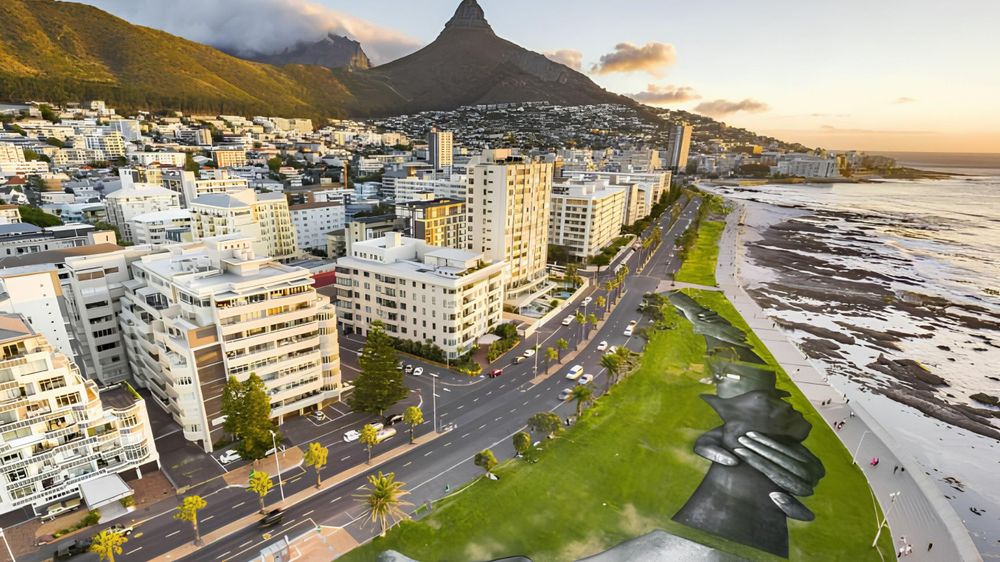
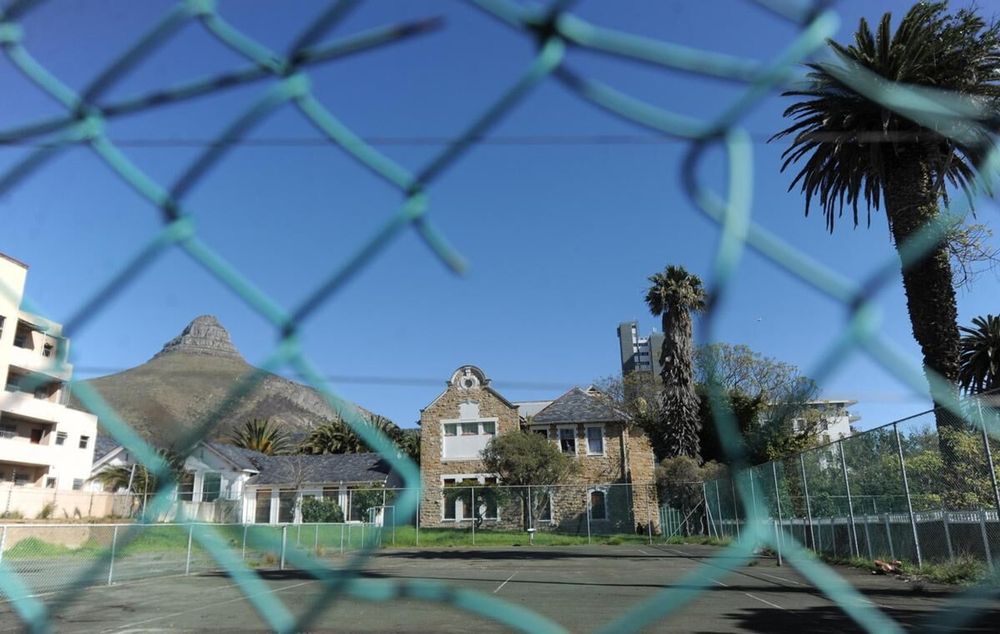
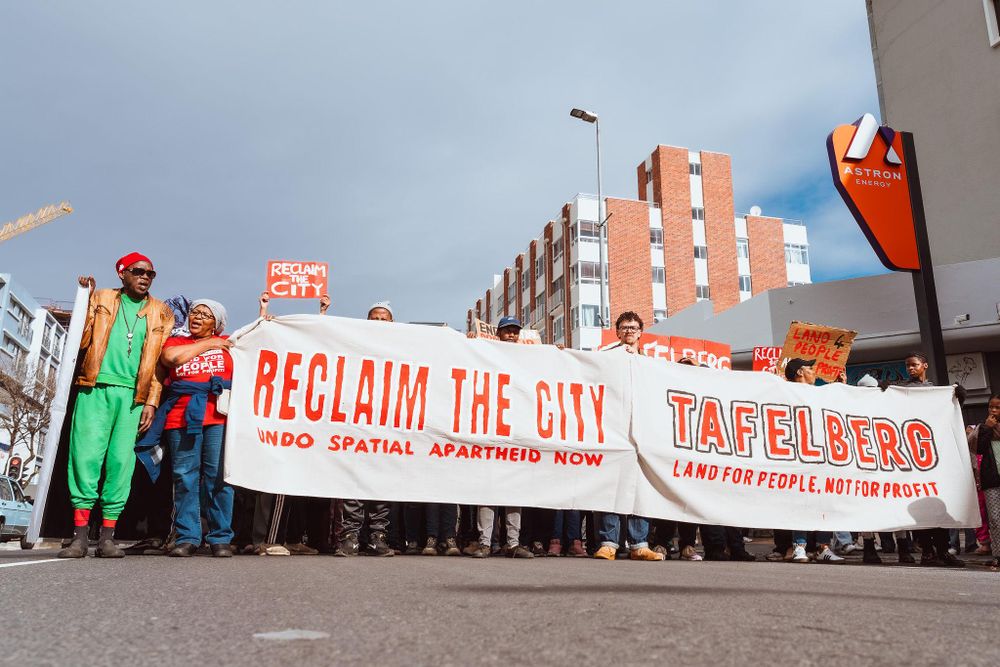
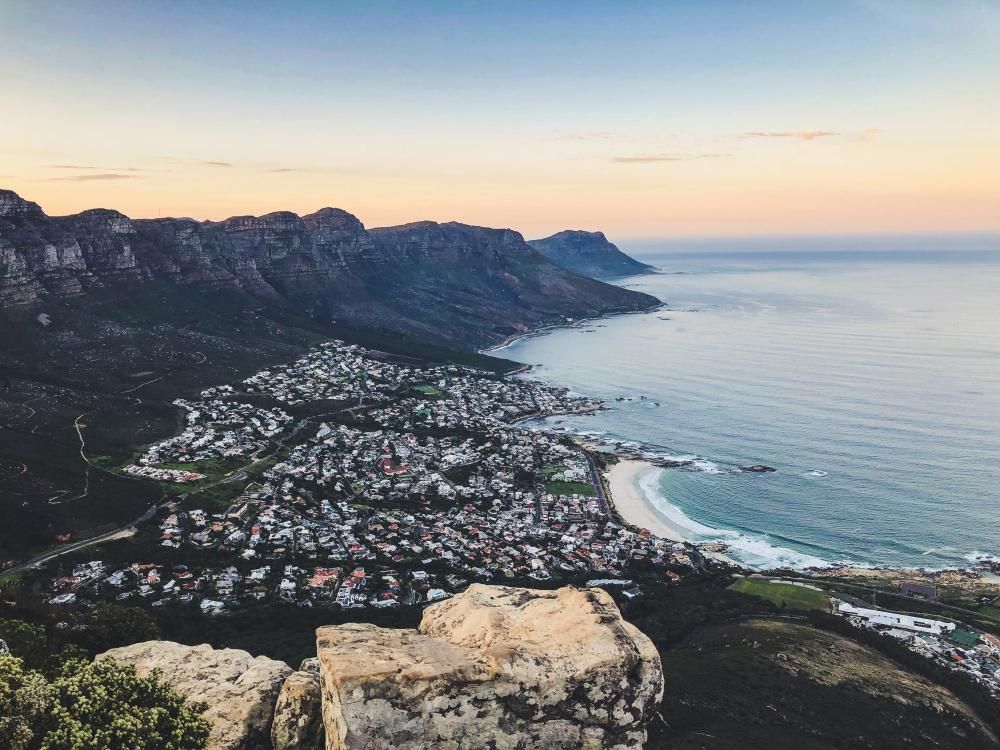
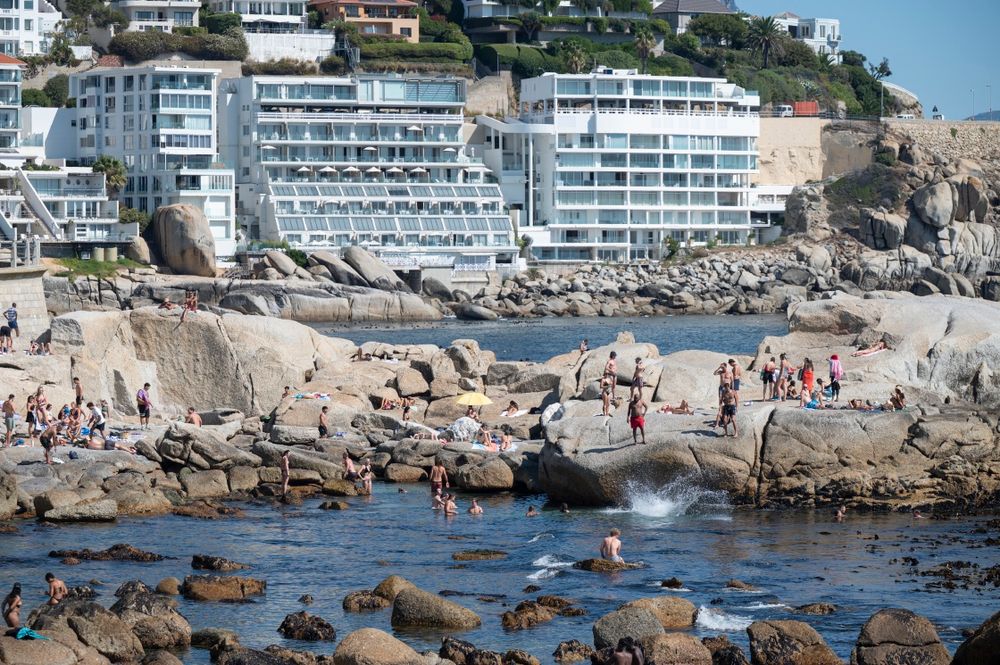
Cape Town is at a defining moment. Two developments, arriving almost together, tell one story about our city’s future. On the one hand, property developers report that about one-third of recent Atlantic Seaboard transactions, worth billions in the Deeds Office, have been purchased by foreigners. On the other hand, the Constitutional Court has ruled that the sale of the Tafelberg site in Sea Point was unlawful and has placed the City of Cape Town and Western Cape Government under constitutional obligation to advance affordable housing in well-located areas.
These are not separate stories. They are one mirror held up to the soul of the city.
They ask a simple but uncomfortable question: if global capital can find a way into Sea Point, Green Point, Camps Bay and the Atlantic Seaboard, why can government not find a way for nurses, teachers, municipal workers, hospitality workers, young professionals, artists, security guards, cleaners, carers and working families to live closer to the city they serve?