Story audio is generated using AI
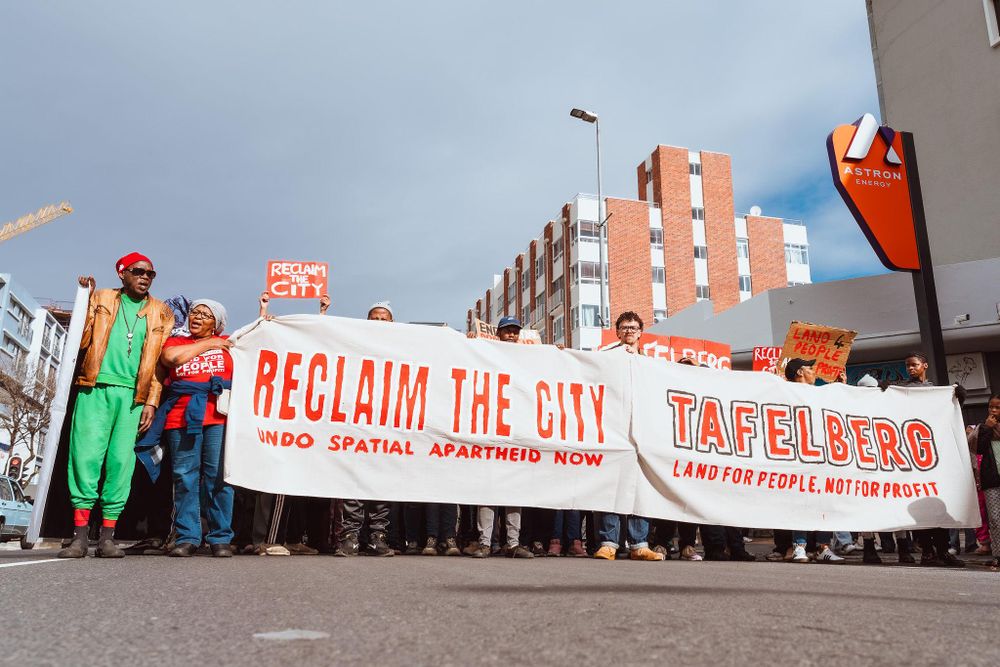
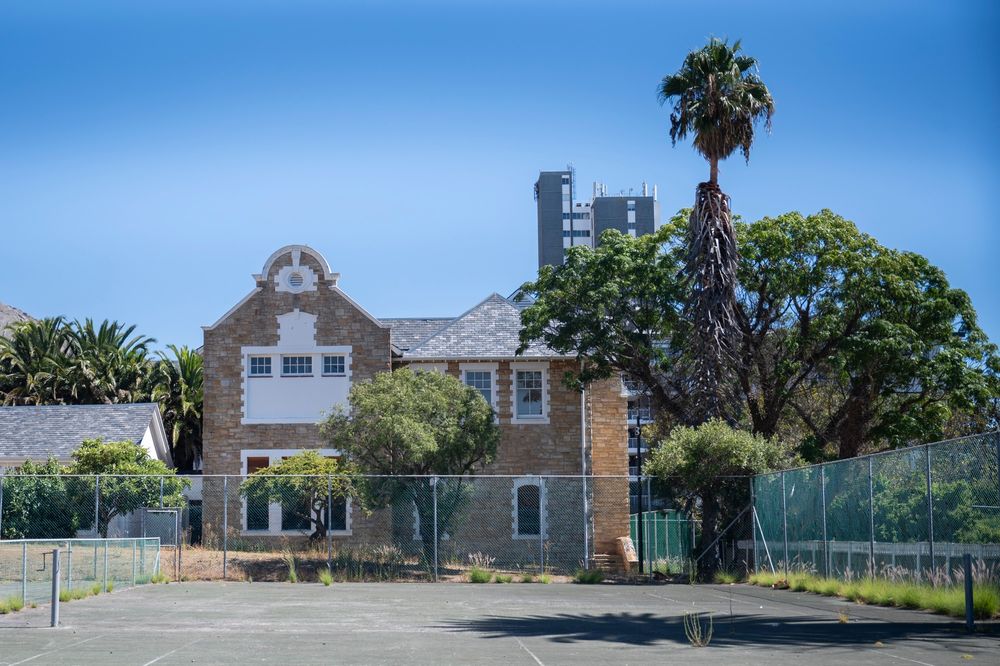
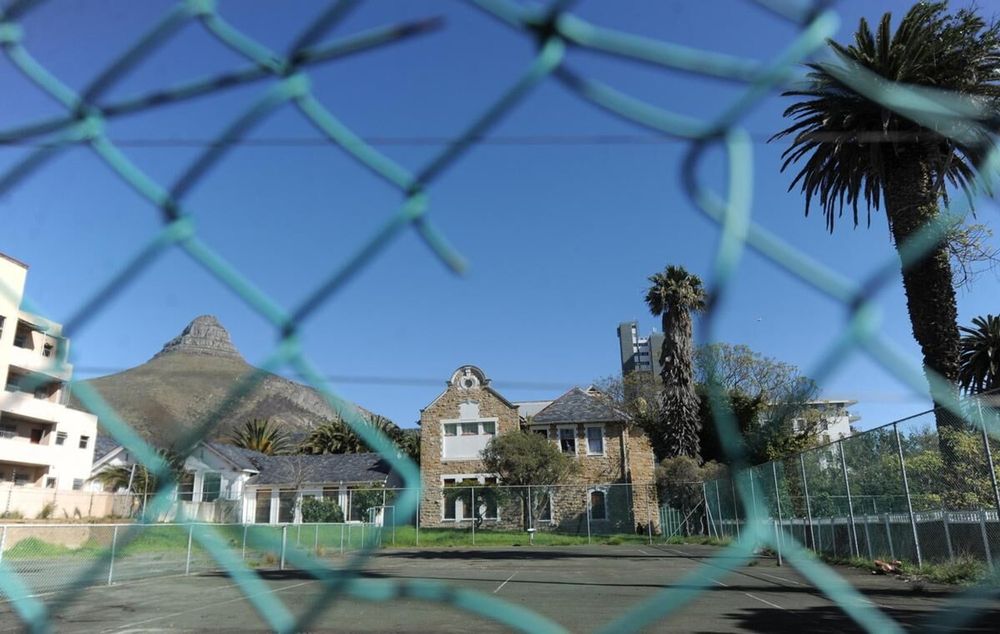
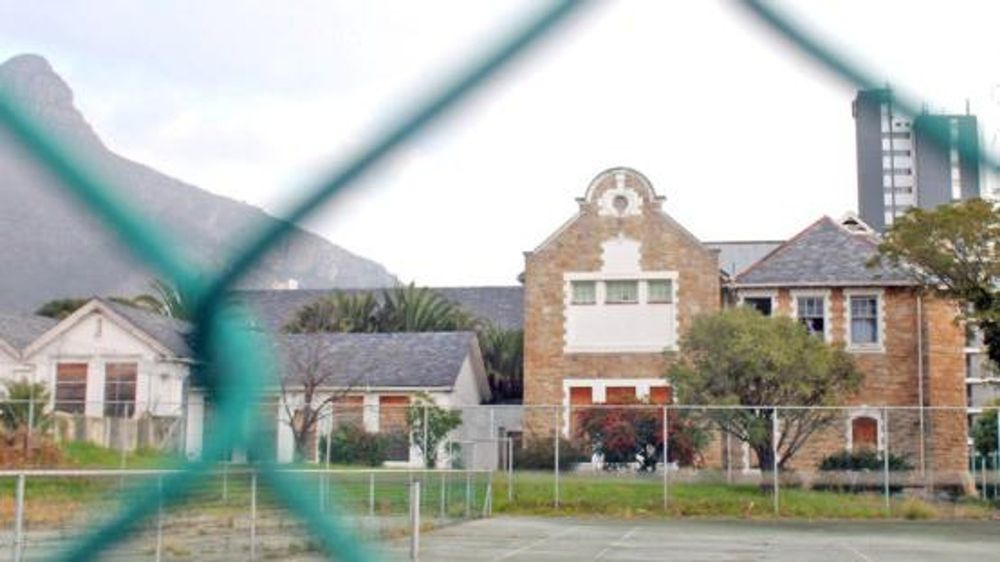
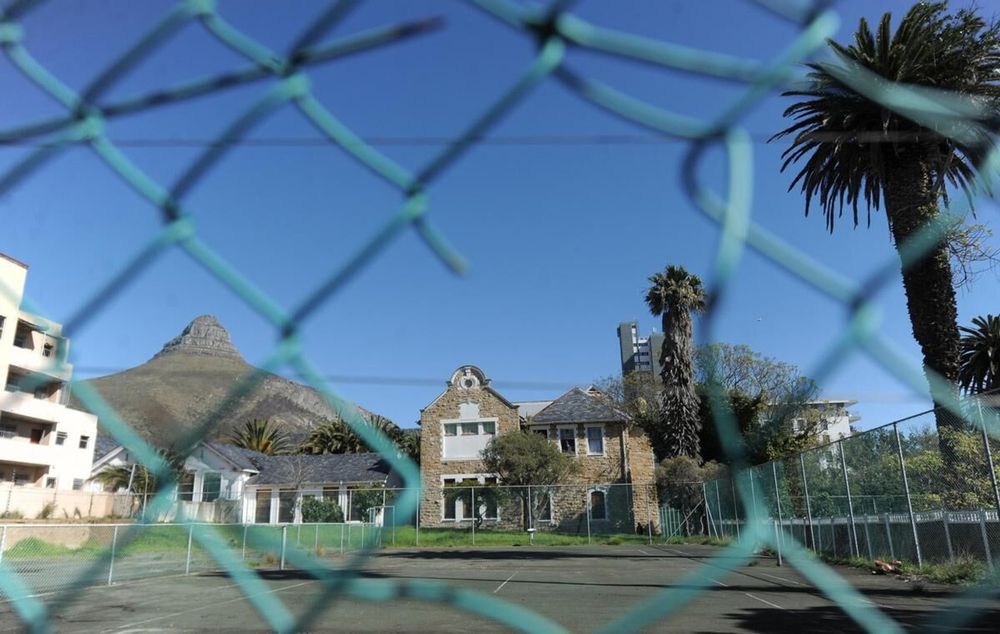
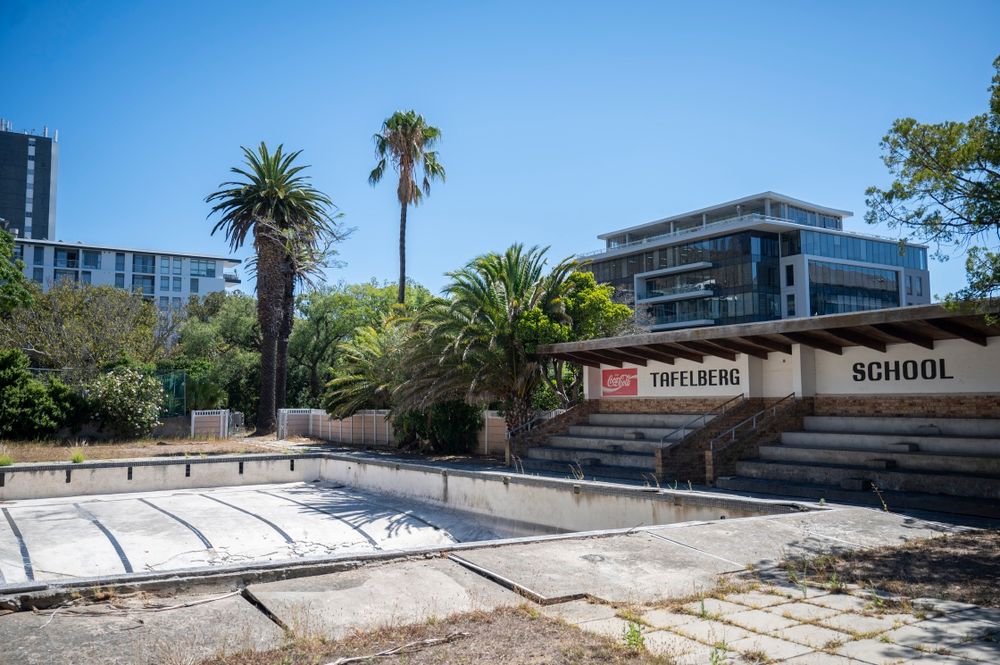
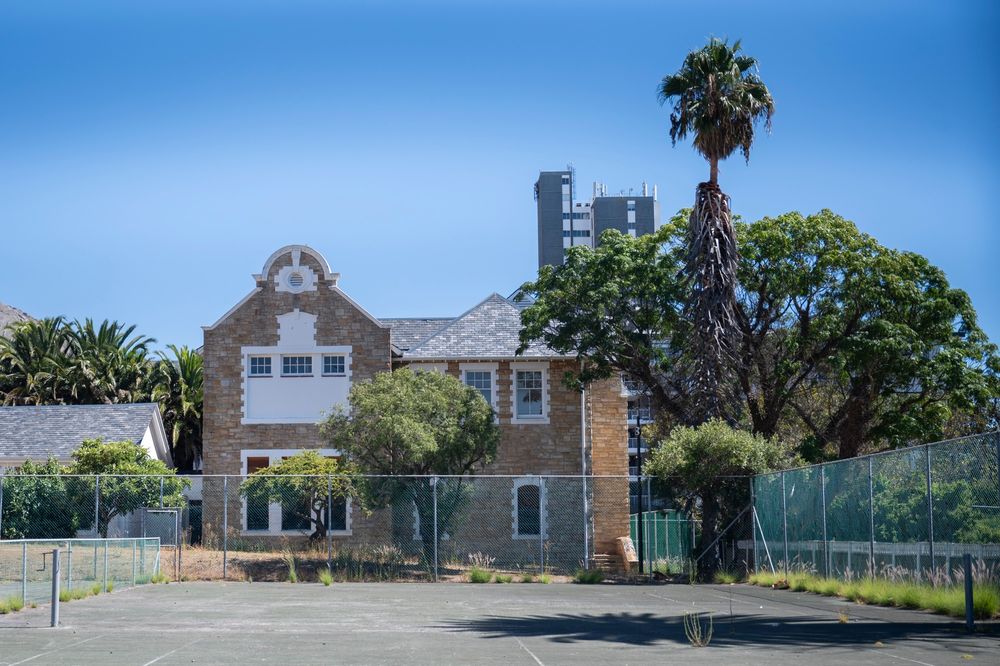
The Constitutional Court has given the Western Cape government a three-month deadline to draft policies for the provision of affordable housing in Cape Town after finding the province failed to redress apartheid’s spatial injustices in its economic hub. Apartheid segregation confined nonwhites to live in townships far from economic hubs, and the central business districts as well as suburbs were reserved for whites. Thursday’s judgment will create a precedent for the country’s metros in redressing the inequality caused by these spatial settlements. In a precedent-setting judgment on rights to access land and adequate housing, the Constitutional Court on Thursday found that the provincial government failed to consider its obligations to deliver affordable housing. The issue of affordable housing in Cape Town has been a brewing public debate for years, with residents decrying being unable to afford houses in the city. The judgment stems from a decade-long litigation about the sale of a Tafelberg property in 2016 that was initially planned for a social housing project but was abandoned by the Western Cape province and sold for private use. A central question in the litigation before the top court was whether the City of Cape Town and the provincial government had complied with their obligations to progressively realise the right to access to adequate housing, particularly in the areas near or within the inner city, in line with their obligations to redress spatial injustice. In a unanimous judgment, penned by justice Nonkosi Mhlantla, the court found the Western Cape government not only unlawfully sold the Tafelberg property but failed to redress apartheid spatial injustice in the Cape Town CBD. “[Cape Town] remains one of the most spatially divided and unequal cities in the world, with residential settlement patterns segregated along race and class lines,” Mhlantla said. “The evidence demonstrates the [Western Cape government and City of Cape Town] have failed to comply with their constitutional obligation to redress spatial injustice by enabling citizens to gain access to land on an equitable basis, through, among others, providing well-located social and/or affordable housing in the Cape Town CBD.” The Tafelberg property central to the litigation is situated in Sea Point, a well-located seaside suburb close to educational and health facilities, transport nodes and social amenities. The provincial government sold the state property to Phyllis Jowell Jewish Day School for about R135m. The sale was found to have been unlawful due to the province’s failure to ensure adequate public participation and failure to consult the national human settlement department before selling a state asset. The court found Cape Town’s postapartheid housing policy appears to have prioritised the provision of state-subsidised housing through the development of large-scale housing projects in peripheral areas where land usually costs much less than in areas close to economic nodes. “There is no rationale for the fact that the province has not provided affordable housing in inner-city areas, such as Sea Point, or elsewhere near economic nodes,” she said. “The province may not selectively ignore its duty to combat spatial injustice by arguing that it provides housing for the most in need on the outskirts. In my view, some of the resources that the respondents have devoted to affordable housing outside of the CBD should have been redirected to affordable housing in the CBD and Sea Point.” Socio-Economic Rights Institute of South Africa, admitted as a friend of the court in the litigation, argued the failure by the Western Cape government to ensure affordable housing in economic hubs perpetuated apartheid spatial patterns. “While the constitution does not create an explicit right to have state land used for housing, state decisions about well-located public land that ignore or perpetuate spatial apartheid may be found to be unconstitutional where they fail the reasonableness test,” Mhlantla found. “The provision of housing on the urban periphery, while a step toward fulfilling the right to have access to adequate housing, cannot be regarded as adequate if it excludes people from the social and economic fabric of the city centre.” The Western Cape government now has to submit to the Western Cape High Court, in three months, a report setting out the policies and programmes for the provision of affordable housing.The case was initiated by residents, organisation Reclaim the City and the activist organisation and law centre Trustees of Ndifuna Ukwazi Trust in 2017. Socio-Economic Rights Institute of South Africa spokesperson Edward Molopi said the case highlighted Cape Town’s crisis and failure to provide access to affordable housing. “It is an enormous problem. Property prices in Cape Town are skyrocketing due to a number of factors. Poor and middle income families have no hope of buying houses in Cape Town. Since the dawn of democracy there hasn’t been a single social housing project in the Cape Town CBD,” he said. South African Multifamily Residential Rental Association CEO Palesa Mkhize said the ruling strengthens the case for well-located rental housing in CBDs and urban nodes. “The judgment matters because it names urban sprawl for what it is: the direct result of decades of pushing low- and middle-income households away from jobs, schools and clinics. The Gauteng City-Region Observatory’s latest Quality of Life Survey shows Gauteng residents spend on average 29% of household income per capita on transport, a figure that often exceeds 50% for those living in peripheral areas,” Mkhize said. ActionSA MP and mayoral candidate Dereleen James said the judgment reaffirms that the province and the city have a constitutional obligation to proactively undo apartheid spatial planning by “securing well-located land for affordable housing, particularly in and around the Cape Town CBD”. “Importantly, the judgment affirms that progressively realising the constitutional right to housing is not simply about building houses anywhere,” James said. “The location of housing is a constitutional imperative. Housing opportunities must be created close to jobs, transport, schools and economic opportunity if South Africa is to reverse the injustice of apartheid geography.”