Story audio is generated using AI
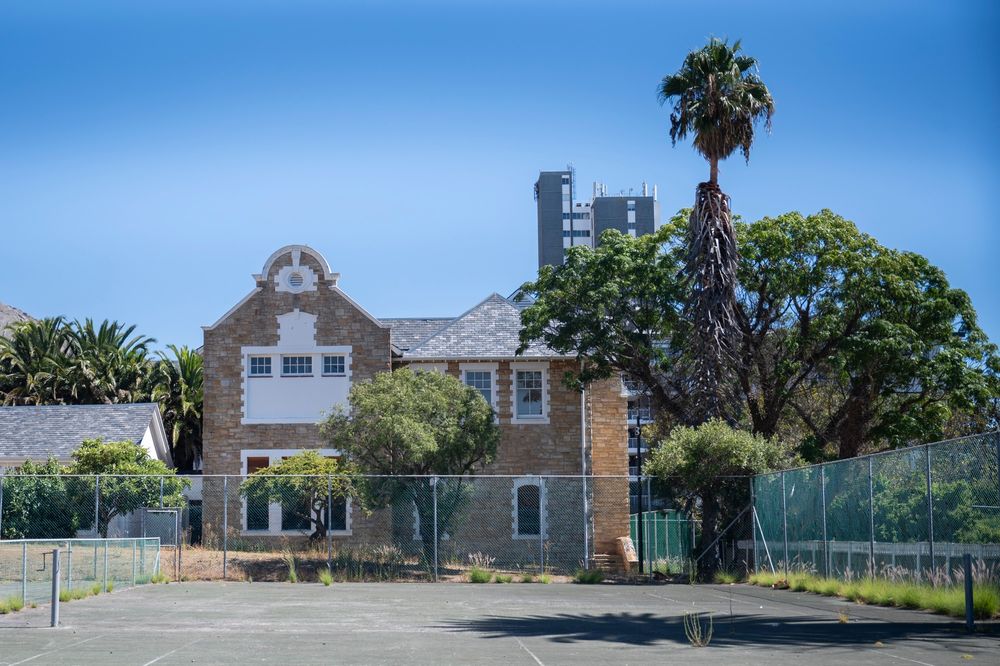
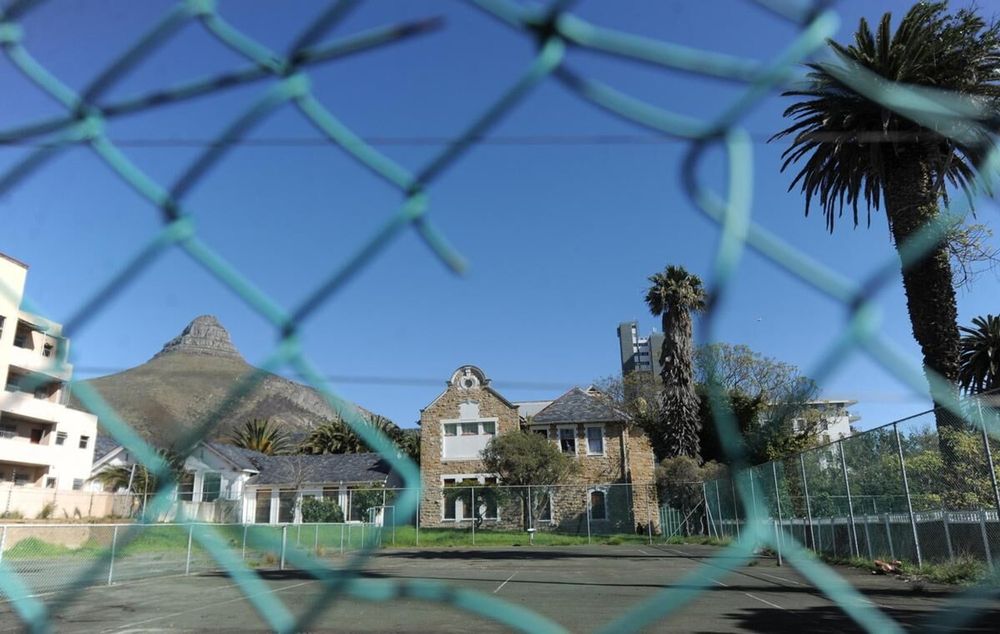
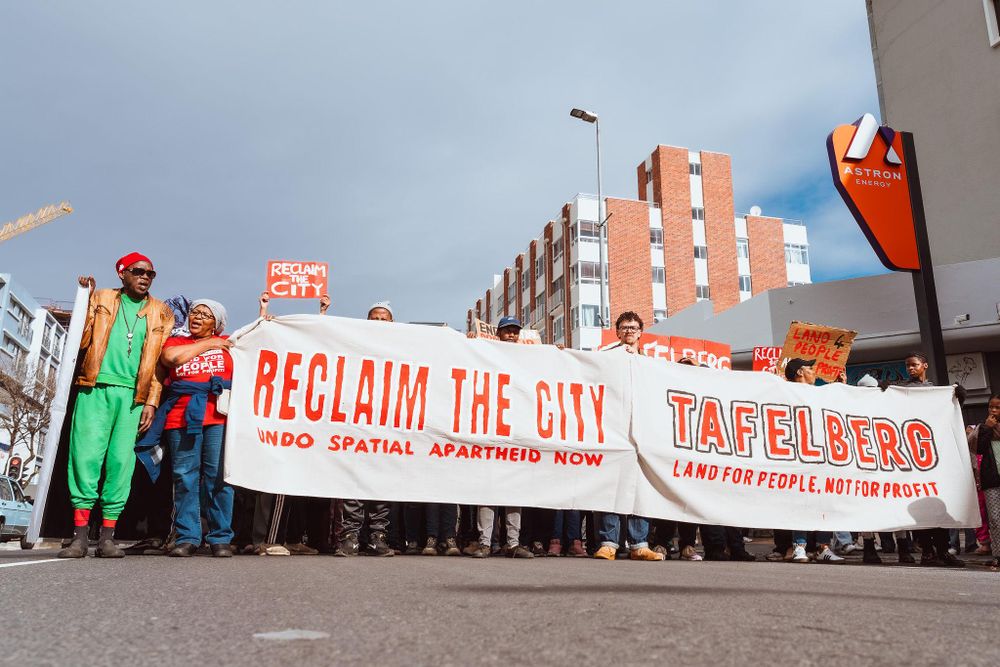
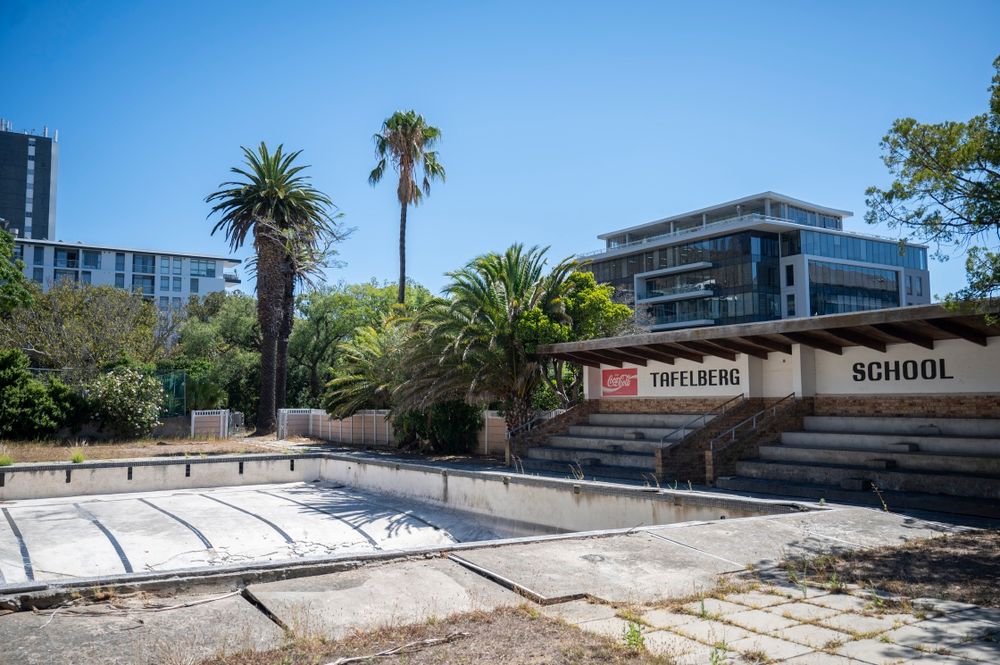
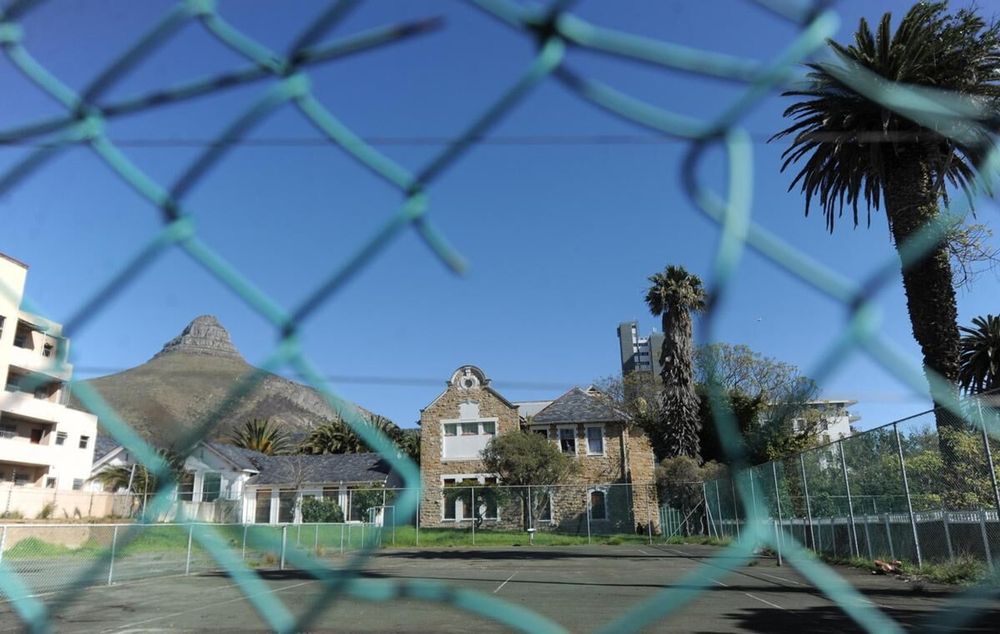
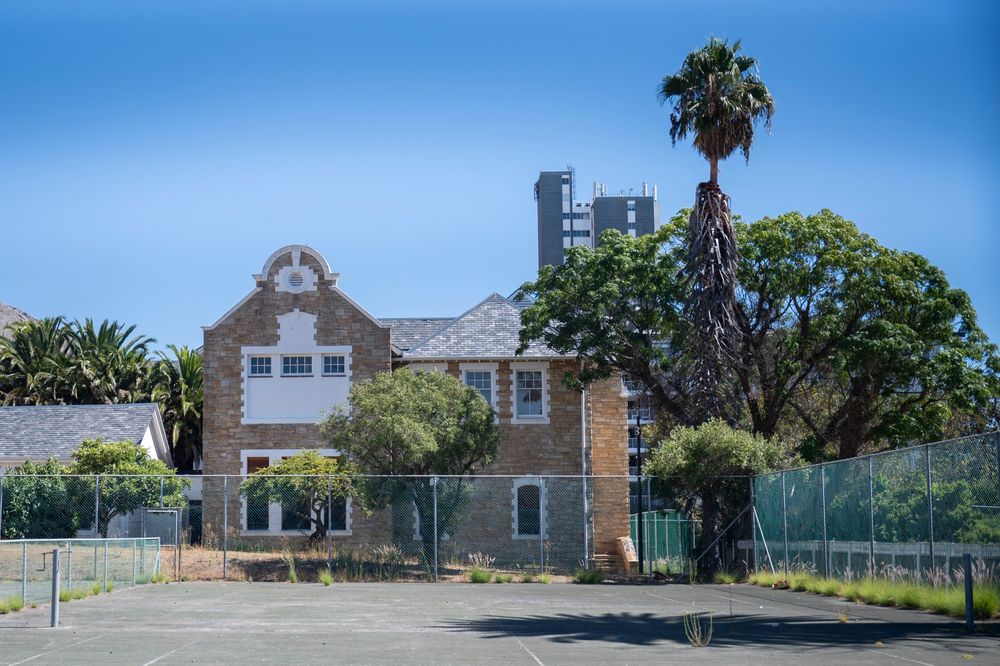
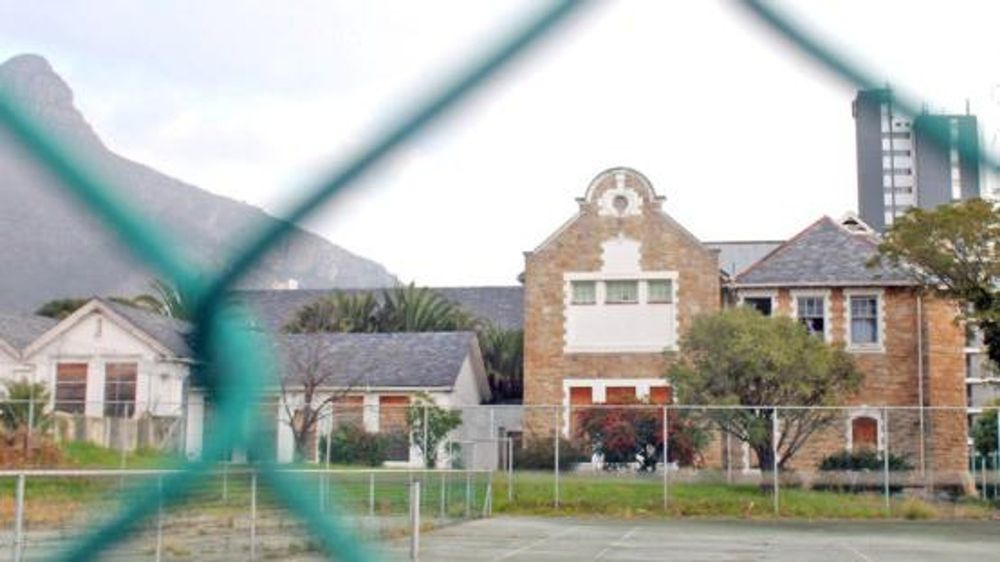
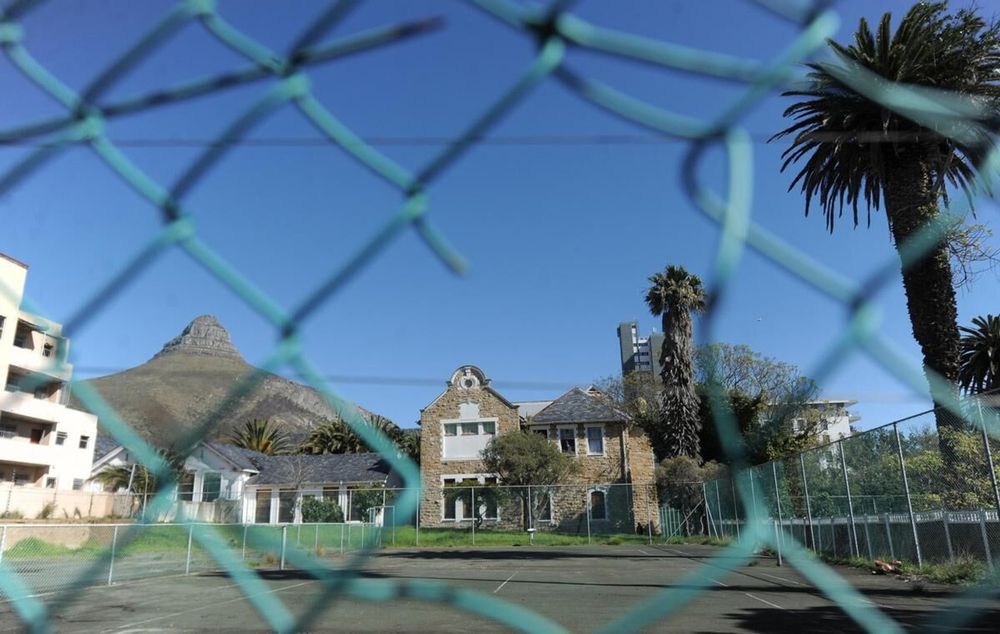
South Africa’s spatial planning past came to haunt the Western Cape government after the Constitutional Court found that the government failed to consider its obligations to deliver affordable housing when it sold a prime piece of land.The apex court on Thursday delivered its judgment in a decade-long litigation against the provincial government and City of Cape Town’s sale of a Tafelberg property in a landmark judgment that will have ramifications for property development.In essence, the court found that the provincial government failed to ensure social housing projects in the city to address apartheid’s legacy. The court found the Western Cape government failed to consult with the national department of human settlements about the sale and this was unlawful.Justice Nonkosi Mhlantla said the constitution is clear on the right to adequate housing and location must be treated as a relevant factor in determining what constitutes adequate housing and equitable access to land, having regard to the constitutional imperative to redress the spatial injustice inherited from apartheid. “The province must submit to the High Court of South Africa, Western Cape division, Cape Town (high court), and serve on all parties a report under oath within three months of the date of this order setting out the province’s current policies and programmes for the provision of affordable housing in the CBD, including the steps taken to give effect to the obligations declared in paragraph 3 [access to adequate housing],” the court found. “By unilaterally alienating a strategically located public asset in circumstances where national policy, funding instruments and statutory housing mandates were implicated, the province disabled the intergovernmental co-ordination of the the Government Immovable Asset Management Act and the housing framework presuppose.”ActionSA MP and mayoral candidate Dereleen James said the judgment reaffirms that both the province and the city have a constitutional obligation to proactively undo apartheid spatial planning by “securing well-located land for affordable housing, particularly in and around the Cape Town CBD”.“Importantly, the judgment affirms that progressively realising the constitutional right to housing is not simply about building houses anywhere,” James said.“The location of housing is a constitutional imperative. Housing opportunities must be created close to jobs, transport, schools and economic opportunity if South Africa is to reverse the injustice of apartheid geography.”The case was initiated by residents, organisation Reclaim the City and the activist organisation and law centre Trustees of Ndifuna Ukwazi Trust in 2017. The Tafelberg property central to the litigation is situated in Sea Point, a well-located seaside suburb close to educational and health facilities, transport nodes and social amenities. The provincial government sold the state property to Phyllis Jowell Jewish Day School for about R135m.The sale dispute centred around the residents’ contention that the state property could have been used for an affordable housing programme and not sold for private use. The case put in the spotlight the state’s constitutional obligation to ensure access to adequate housing and state plans or lack of, addressing the legacy of apartheid’s spatial planning, which placed coloured and African people far from the city and economic hubs. “When South Africa celebrated the demise of apartheid in 1994, few would have imagined that, 32 years later, the spatial plan built on forced removals, land grabs, and colour-coded physical separation would have been so diligently retained,” said Good secretary-general Brett Herron.“Rather than progressively dismantling the iniquitous apartheid plan, the city and province sought to normalise it, speaking the language of ‘better services for the Cape Flats’ while studiously avoiding talk of integration.“They have collectively developed no affordable housing in suburbs previously declared White Group Areas. Such public housing as has been delivered slavishly follows the old spatial template.”The Constitutional Court has found the Western Cape government has failed to comply with its obligation to provide affordable housing in areas such as Cape Town CBD and Sea Point. The failure perpetuates apartheid spatial housing patterns. @BDliveSA pic.twitter.com/GOfo5f0Fqn— Sine🌻🗞️ (@Sinesipho_LR) July 2, 2026