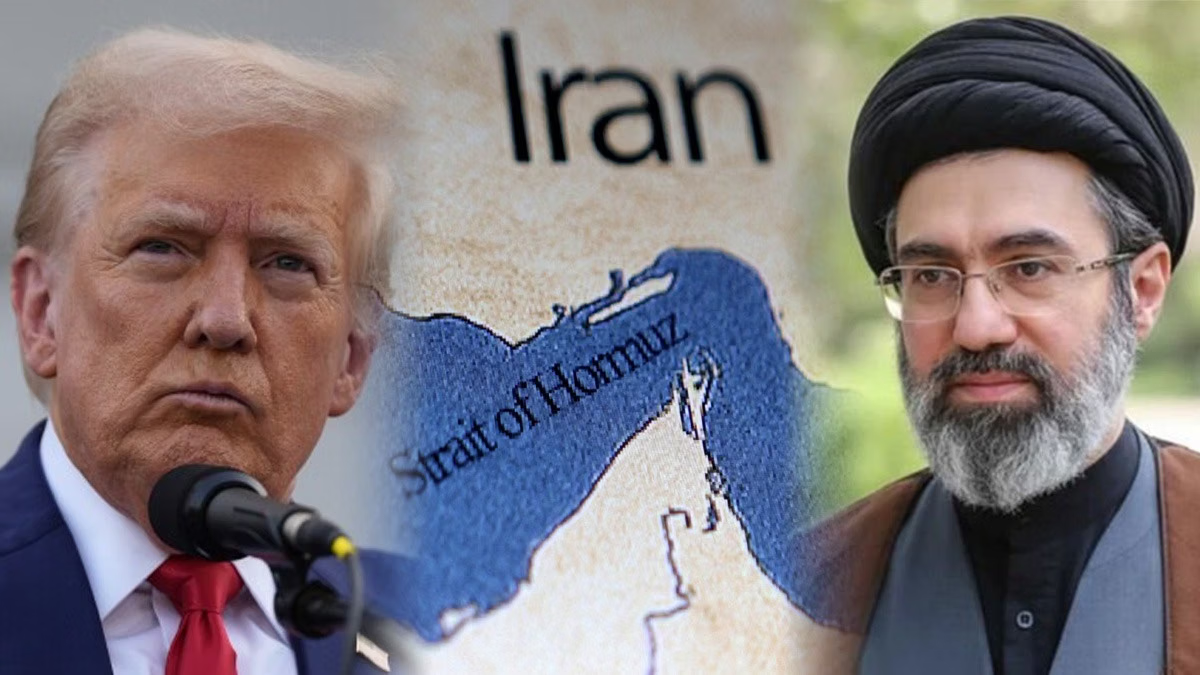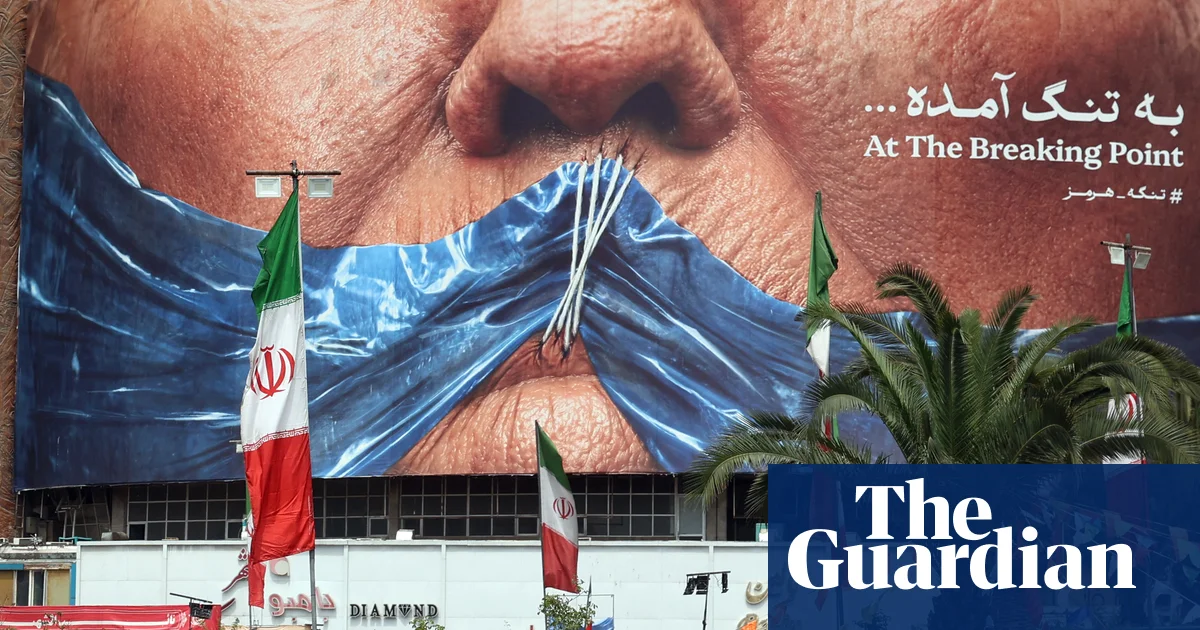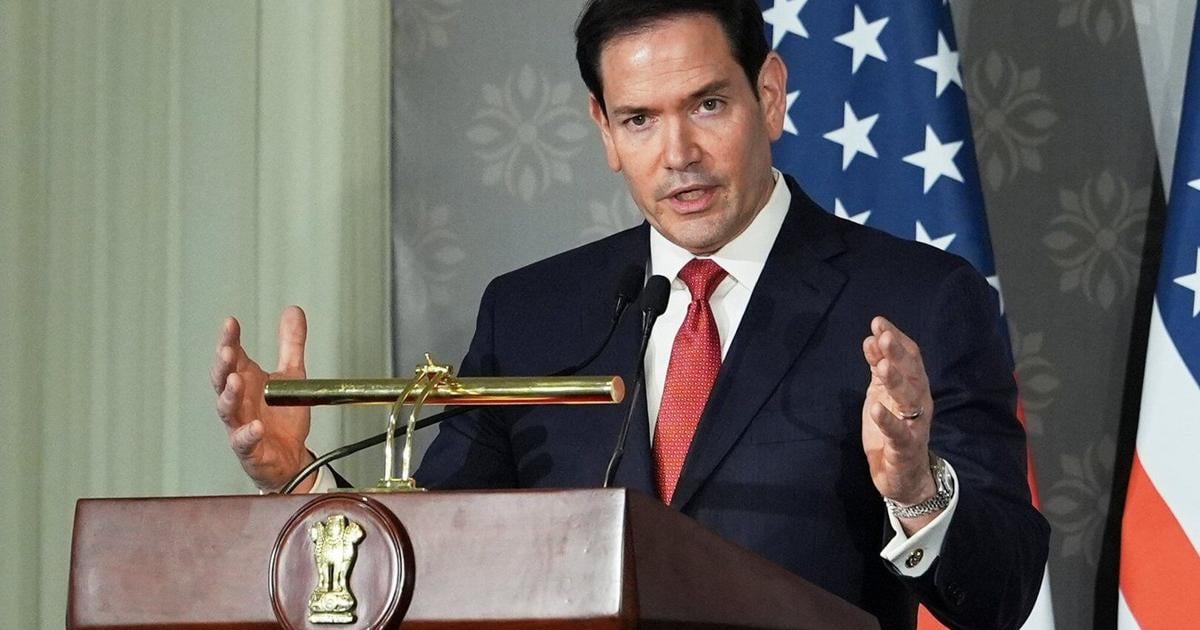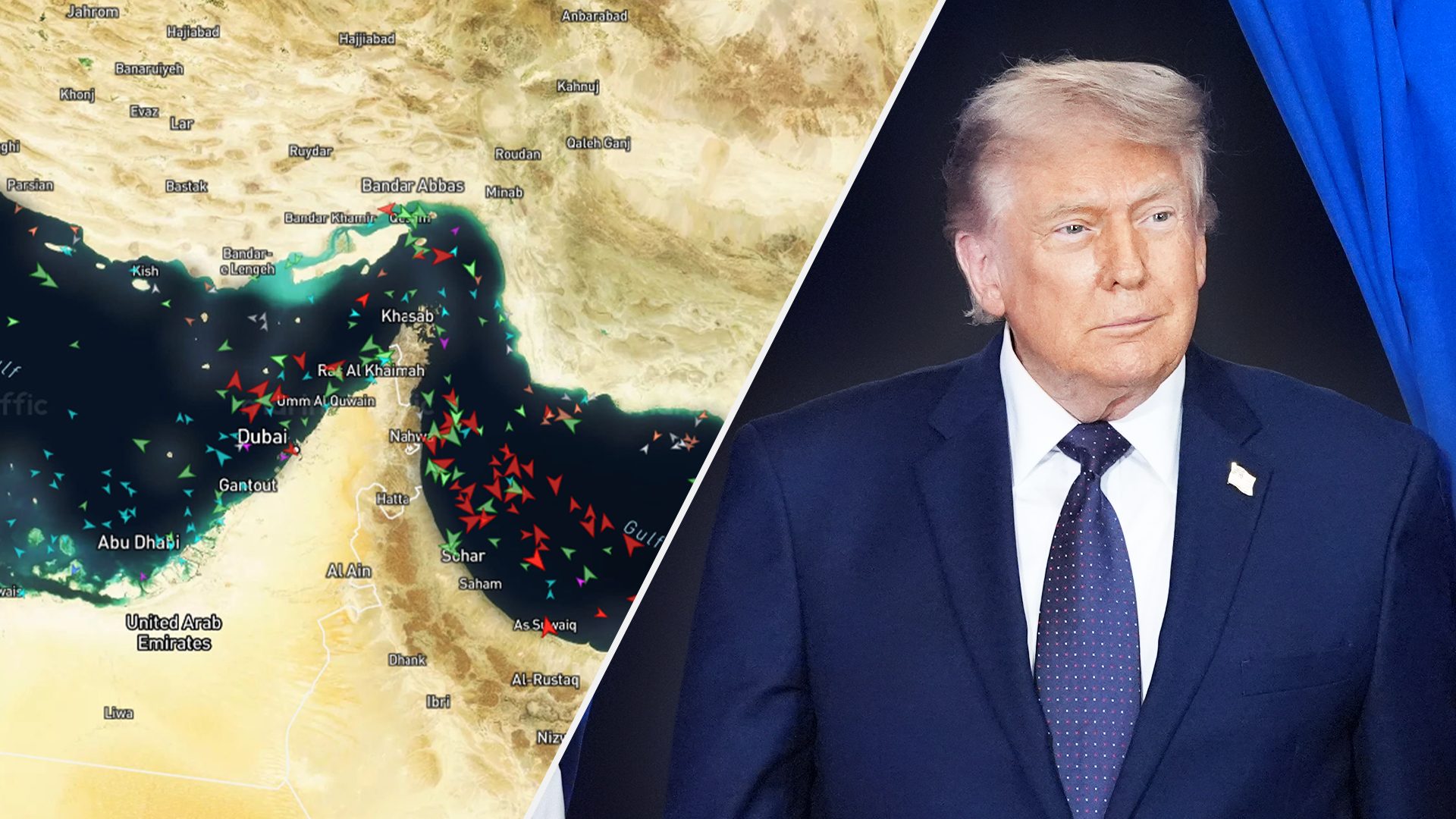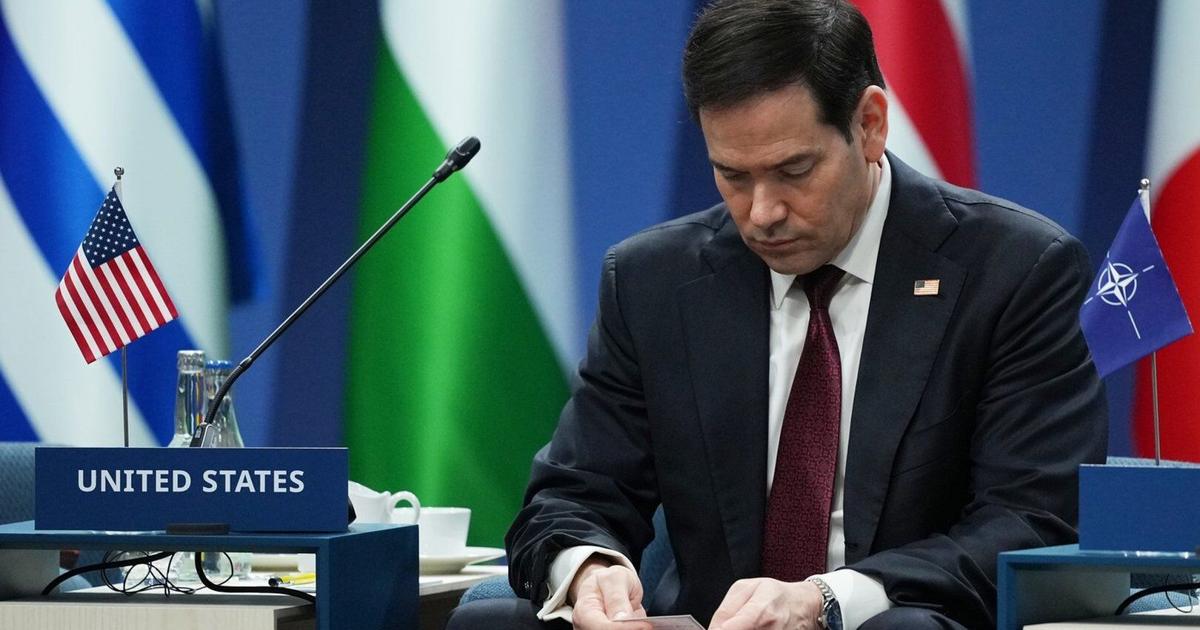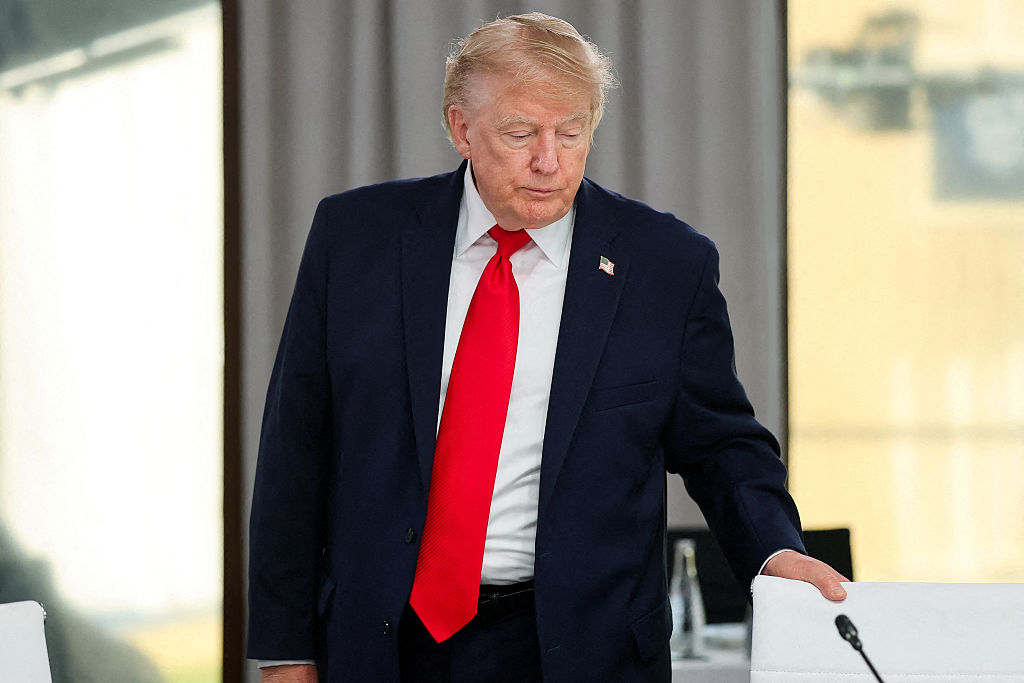
Hello, ABC Middle East correspondent Matthew Doran here in Jerusalem. This is our weekly update on what's happening in the Middle East war. It's 86 days since it began.Here's what you should know now:There still isn't a deal between the United States and Iran, even as Donald Trump and some of his key lieutenants such as Marco Rubio talk up how close an agreement might be. Despite saying it was "largely negotiated" and would be announced soon, the US president is now saying he won't be rushed into any agreement.The details of this potential deal are still under wraps, but there are plenty of suggestions circulating in the media as to what it likely includes. In the first instance, it looks at an extension of the current ceasefire for another 60 days, during which time Iran would reopen the Strait of Hormuz and allow shipping traffic to return to pre-war levels.But Iranian state media is disputing the US position on the busy shipping channel. The Fars news agency is insisting Iran will still maintain control over the strait, and that while traffic will pick up, it won’t be without restrictions — potentially a nod to the so-called “toll booth” issue, with Iran charging fees for passage.More broadly, dealing with Iran's nuclear ambitions would be pushed down the road — the extension of the truce would come with a commitment to further negotiate on the issue of the regime's stockpile of enriched uranium and its nuclear program.Israeli media is reporting grave concerns within Benjamin Netanyahu's government and the broader Israeli defence establishment about any deal, worried about whether it's a capitulation to the regime in Tehran and any demands that it end its bombardment of claimed Hezbollah targets in Lebanon.Here's what to watch in the days ahead:The social media adage "never tweet" springs to mind."Iran never won a war, but never lost a negotiation!" Donald Trump tweeted, back in January 2020 when the platform was still called Twitter. That seems a lifetime ago. But with the president making most of his bold declarations in this war on social media, it's fitting to dredge it back up.If a deal is agreed to in the coming hours or days, there will be a lot of people commenting on how it was reached — whether a war that has killed thousands, crippled an entire region, and sent shockwaves through energy markets was even worth it.And, for a president incredibly fond of talking about how his country is "winning" like it's never won before, the question will be asked whether the US has actually won this war and the negotiation.You're already seeing how heated this debate is, and how hot it could still get. Mike Pompeo, the second secretary of state during Donald Trump's first term, quickly said it was a bad deal and "not remotely America First".That prompted a fiery digital slap from the White House's director of communications, Trump acolyte Steven Cheung, who told Mr Pompeo to "shut his stupid mouth" (along with some other choice words).The spokesman for the Iranian military certainly made it clear how the regime in Tehran sees this, posting an AI-generated image of Donald Trump kneeling and bowing at the feet of the slain Iranian leader Ayatollah Ali Khamanei — the caption reading "the end".And here's what I'll be keeping an eye on:Aside from whether this deal actually gets over the line, something we can't turn away from is Lebanon.Benjamin Netanyahu is already saying, "President Trump also reaffirmed Israel's right to defend itself against threats on every front, including Lebanon."In other words, Israel will continue attacking perceived threats from Hezbollah in Lebanon. The reason this is important, aside from the impact it will have on the civilian population, is how it's interpreted by Iran. Let's cast our minds back to early April (it seems like so long ago) when the initial ceasefire between the US and Iran was announced.There was immediate confusion about whether Lebanon was covered by the truce. Iran, backed by mediators Pakistan, said it was. Israel, supported by the US, said it wasn't — treating the war to Israel's north as a separate conflict, even though it escalated as a result of Hezbollah firing on Israel in solidarity with Iran.Israel followed that up with a surge in attacks on Lebanon, including on one day when it hit more than 100 targets in a 10-minute period; 350 people were killed, including many women and children.That behaviour led Donald Trump to pull Benjamin Netanyahu into line, and tell him to show some restraint. Weeks later, Donald Trump announced a ceasefire in Lebanon, as talks between the Israeli and Lebanese ambassadors to the US were being hosted in Washington. Hezbollah was not part of the deal, and has insisted it doesn't support those negotiations. There were suggestions the US-announced ceasefire, which hasn't stopped Israeli attacks, was announced as a gesture to the Iranians. But this time around, if the Iranians dig their heels in over Lebanon, Israel's conduct could scuttle the peace deal — and fuel the accusations Mr Netanyahu is trying to undermine it, however effusive his praise for Donald Trump may be.Iranian President Masoud Pezeshkian was already pointing the finger of blame at Israel, in an interview with state media on Sunday. "We are not seeking instability in the region. The destabilising force in the region is Israel, which is pursuing the Greater Israel plan and is conspiring in various ways to sustain war, instability and division in the region."Thanks for joining me. I'll see you at the same time next week.
With an Iran deal looming, Republicans are turning on each other
The US President says he "won't be rushed" in announcing the details, but already critics — and Iran — are suggesting he lost the negotiations.
TL;DRAI
The US and Iran are close to a 60-day ceasefire extension that would reopen the Strait of Hormuz, with nuclear talks deferred. Uncertainty over the strait sustains energy price volatility—a direct variable in logistics costs and regional infrastructure budgets.
926 words~4 min read