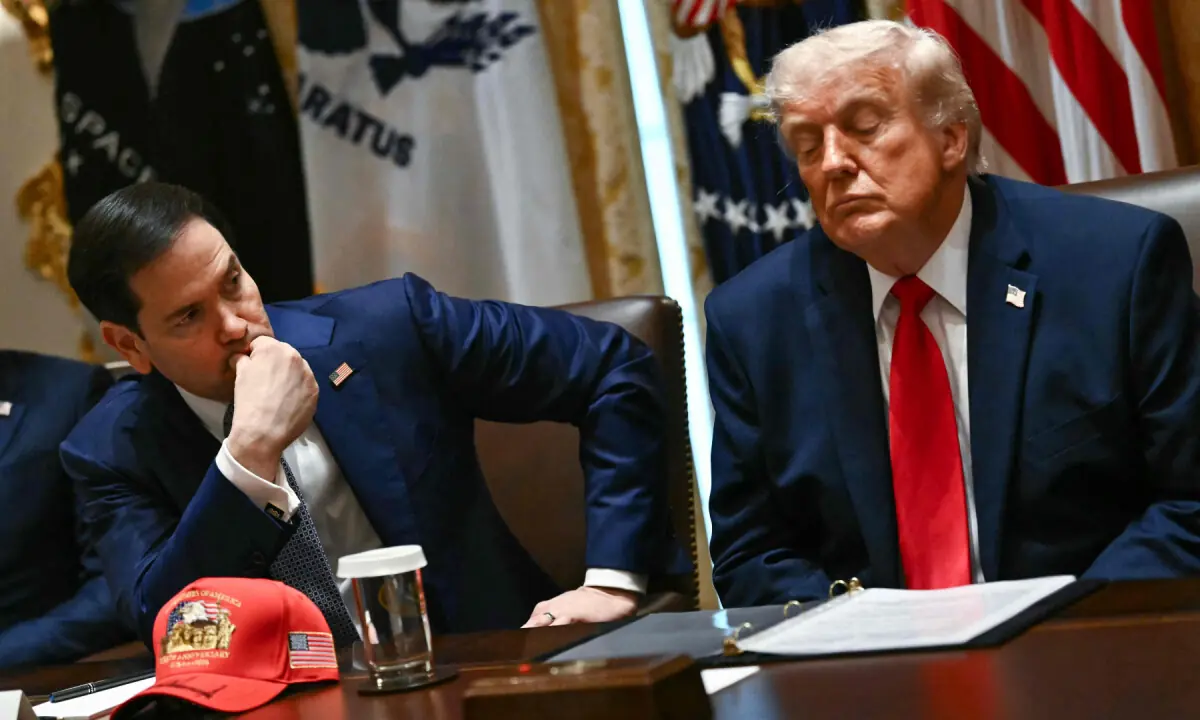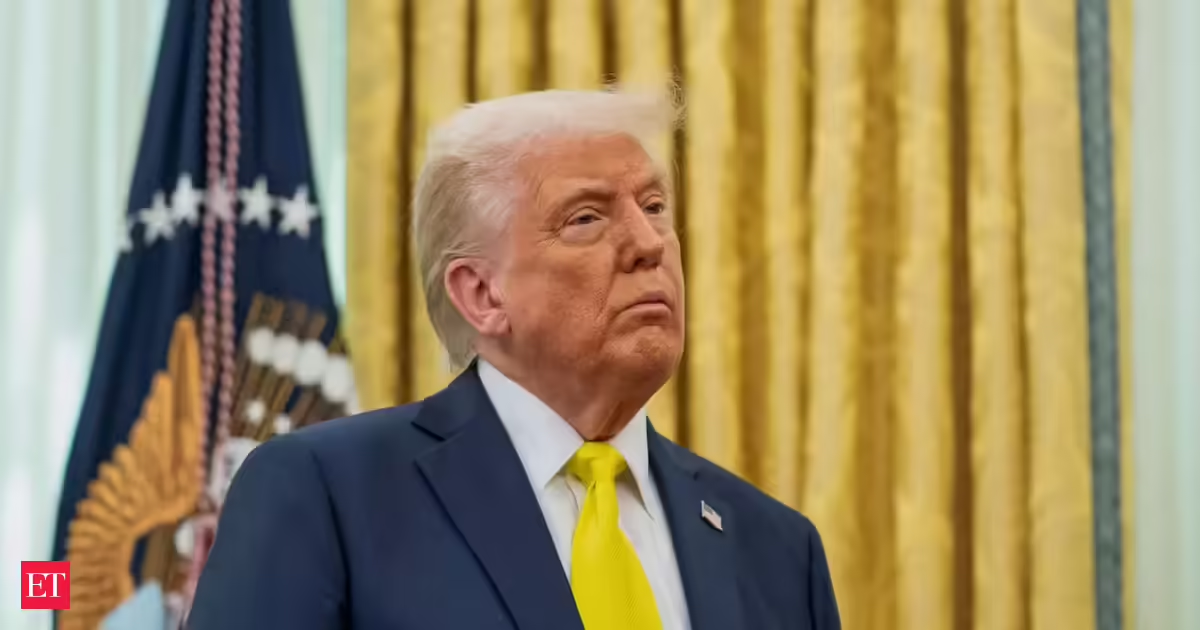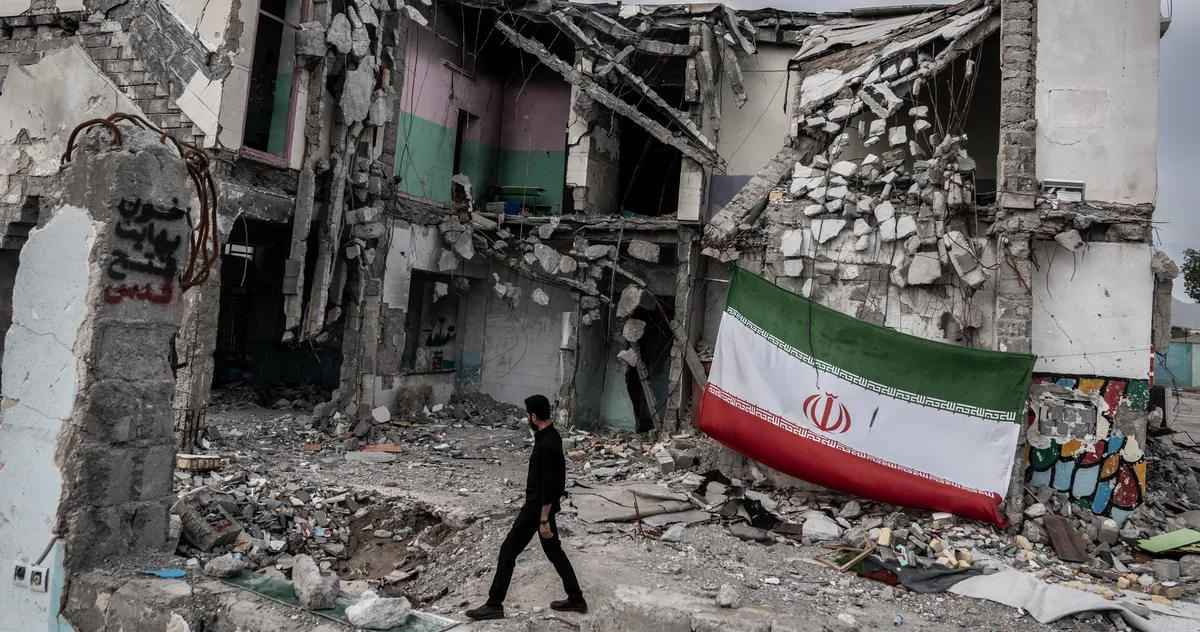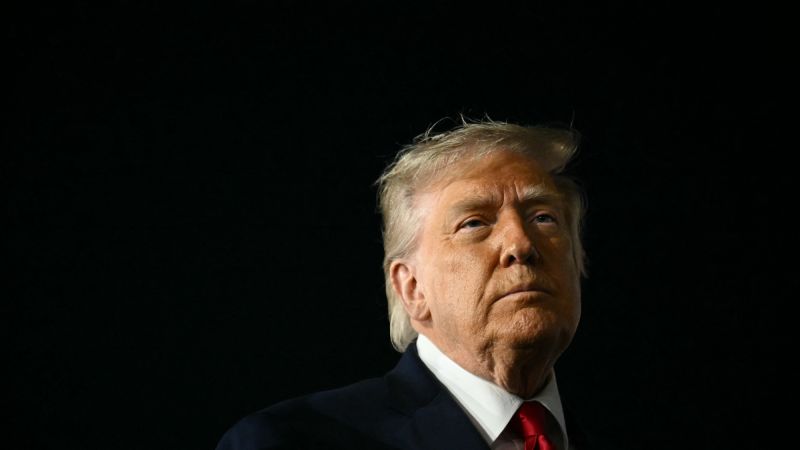
The terms of a purported 60-day deal to negotiate peace in the Iran war have trapped the Trump administration between mounting economic costs ahead of midterm elections and anger from Republican hawks who accuse the US government of surrendering to Iran.The public rift between Trump and Senate Republicans over his shift toward diplomacy with Iran has also been matched within his administration, where the dovish JD Vance and traditional neoconservative Marco Rubio have been forced to pirouette between Trump’s policies as he shifts to exit the war as soon as possible.US media outlets reported on Thursday that US and Iranian negotiators had reached an agreement on a 60-day memorandum of understanding (MOU) that would extend a ceasefire and launch negotiations on Iran’s nuclear programme. But Iran has not confirmed a deal, and skirmishes have increased in the strait of Hormuz. The reported conditions for the negotiations appear to favour Washington even as Tehran has indicated it would demand further concessions to open the strategic waterway.If that deal has been made, the White House is not in a rush to ink it, as Donald Trump seeks to cushion the political blowback of an interim agreement to start negotiations with the Iranians. “The president relayed to the mediators that he wants a couple of days to think about it,” a US official told Axios.The outlines of a deal that were leaked earlier this week included potential sanctions relief and the release of frozen Iranian assets, as well as a halt to Israeli operations against Hezbollah in Lebanon, a condition that had angered US ally Benjamin Netanyahu.The return of the negotiations from Pakistan to Qatar, which Iran’s central bank governor and other senior officials visited this week, also probably indicated that Iran was seeking the release of billions of dollars in frozen assets held there as part of a deal, observers said.The release of the funds could also heighten critiques that the new MOU was similar – or worse – than the Joint Comprehensive Plan of Action (JCPOA) that was signed by Obama in 2015. Trump exited the deal in 2018.“It’s Obama minus,” said David Schenker, a former assistant secretary of state for Near Eastern affairs during the first Trump administration and now a senior fellow at the Washington Institute for Near East Policy.The growing economic shock wave from the closure of the strait of Hormuz – through which 20% of the global oil transit flows – helps explain Trump’s impatience to “get this done”. But “the president is highly sensitive to critiques from the right,” Schenker said, adding that Trump had had to think “creatively” for ways to sell a deal that will make many in his own party unhappy.“The challenges are the goals that President Trump articulated, which variously went from complete regime surrender to protecting the Iranian people to removing the nuclear program from Iran itself,” said Dana Stroul, the institute’s research director. “None of these strategic goals have been achieved.”Reports of the deal this week caused an early backlash in Washington, she said, because Republicans “felt that – given the investment of military resources and what had been accomplished operationally – this was a very weak hand for President Trump to hand them.”“The rumored 60-day ceasefire – with the belief that Iran will ever engage in good faith – would be a disaster,” wrote Senator Roger Wicker, the chairman of the Senate armed services committee. “Everything accomplished by Operation Epic Fury would be for naught!”“It’s terrible timing,” said a Republican political strategist. “There is already anger over the [$1.8bn anti-weaponisation] fund and the midterms. [Republicans] already feel betrayed by Trump and now they’re worried he’s giving away too much” to reopen the strait of Hormuz.Senators Ted Cruz and Lindsey Graham – the latter who has been an influential adviser on foreign policy to Trump – also initially attacked the deal.The Trump administration has since sought to repair ties with hawkish Republican senators, including Graham with an unusual pitch: at a high-stakes phone call with Gulf and other Middle Eastern leaders, Trump suggested that all sides who were involved in the deal would join the Abraham accords by recognising Israel.That was a nonstarter, said observers, and increasingly strained ties between the administration and allies in the Gulf who may increasingly view the US as out of touch with the realities of the region.“It’s unrealistic,’ said Schenker. “This was an attempt to make lemonade out of lemons … to reach for the positive regional transformation but it’s clearly not ripe for that type of progress to be made. These states are mindful of staying on the right side of the president, he’s mercurial, he tends to hold grudges, but this is not something they’re gonna be able to give on.”That rejection has left the Trump administration in a bind – whether to risk Republican anger by pushing through a deal that empowers Iran and its claim to the strait of Hormuz – or to let the stalemate continue as is with the midterms on the horizon.
Dire strait? Trump’s bid to end Iran war before midterms risks Republican anger
Trump administration in a bind as it faces mounting economic costs ahead of midterms from Iran war
835 words~4 min read