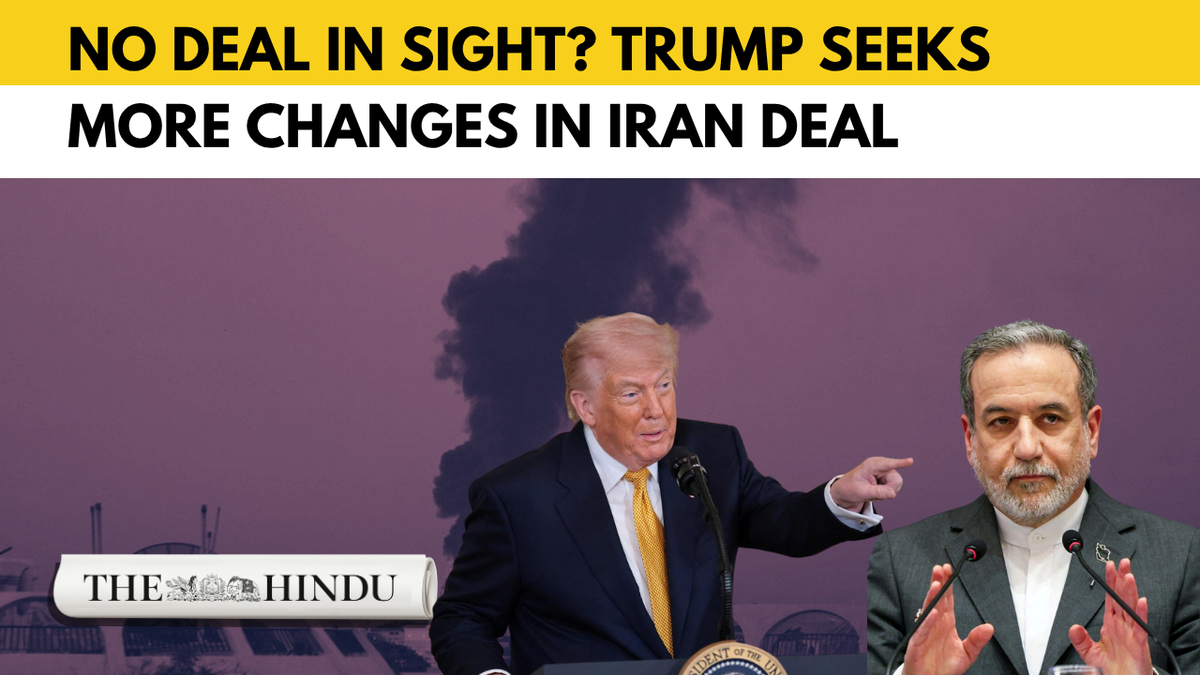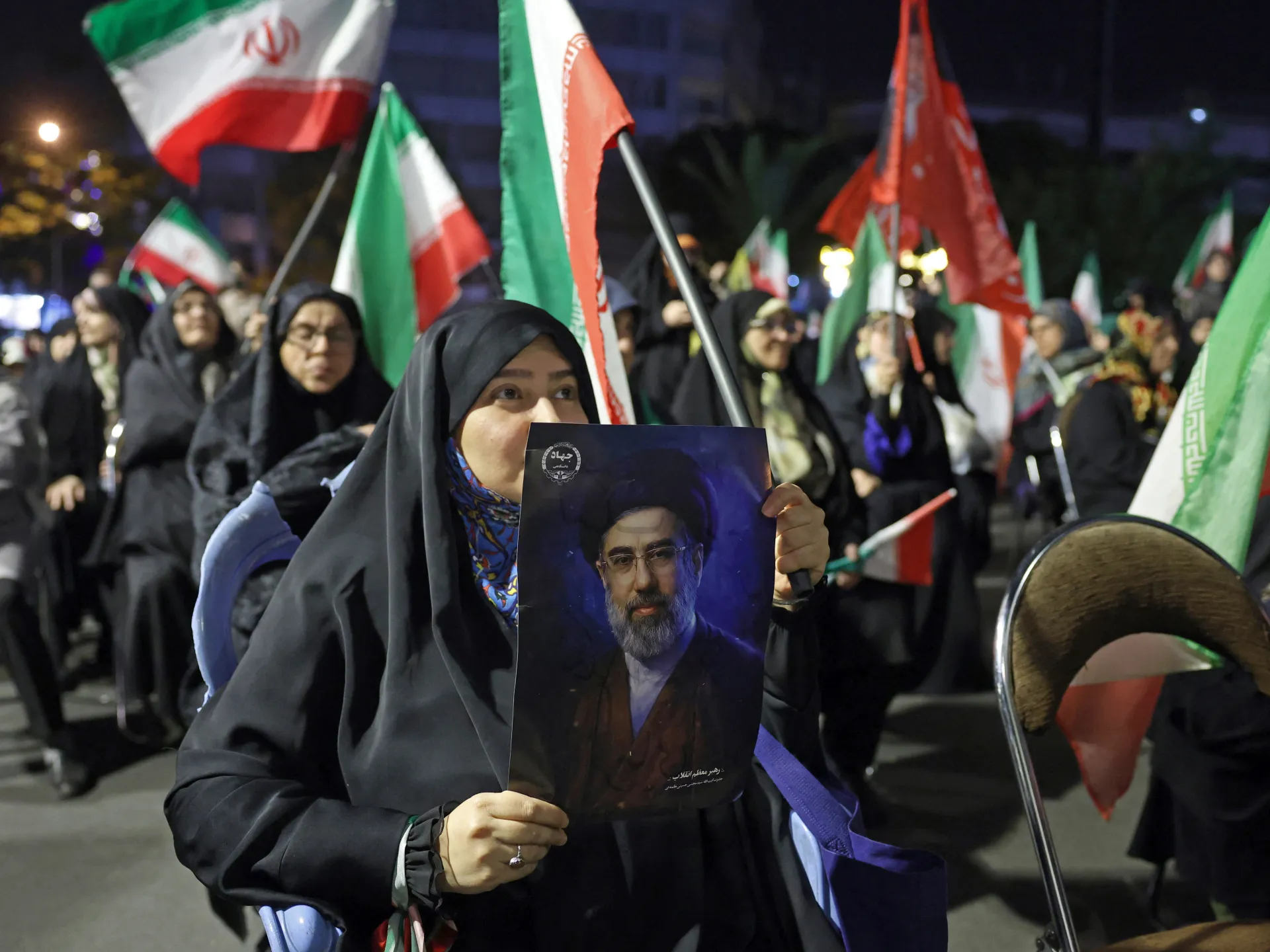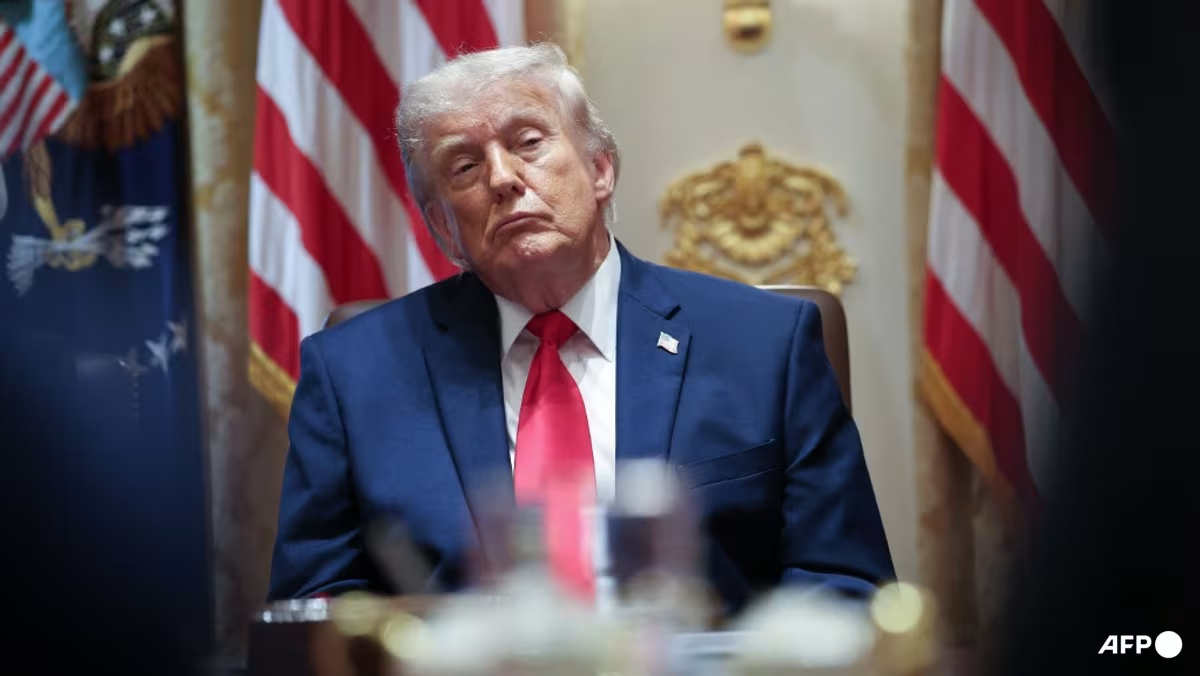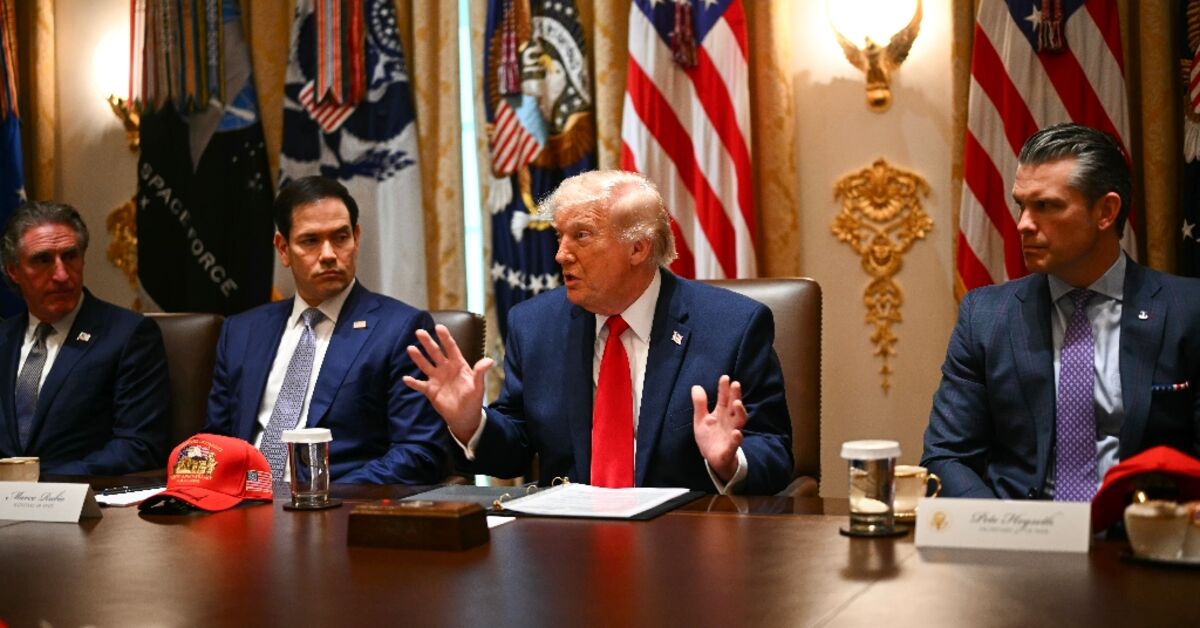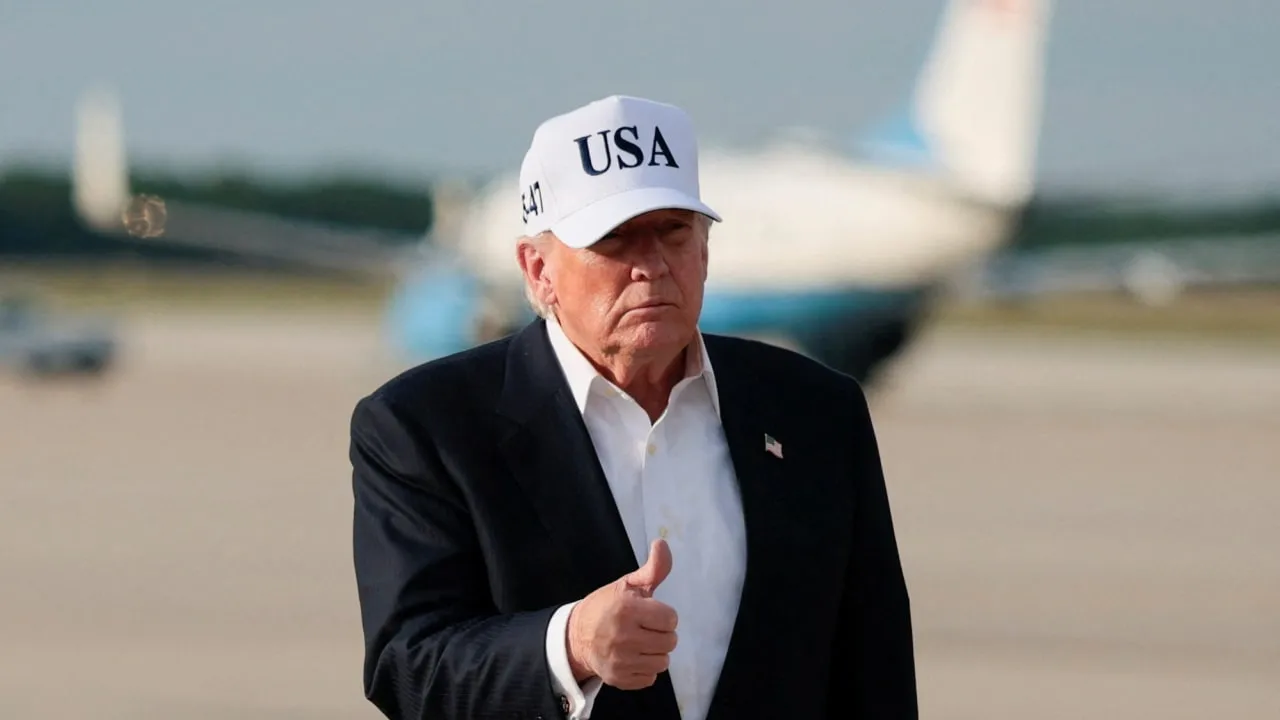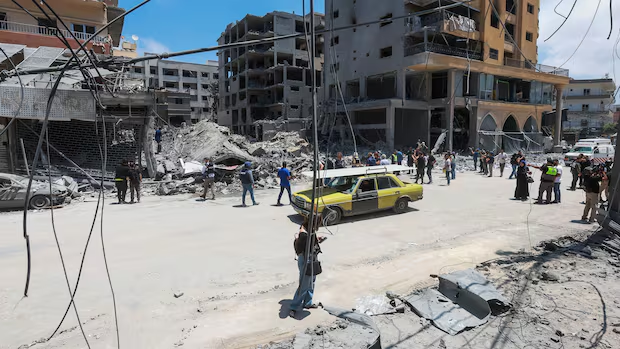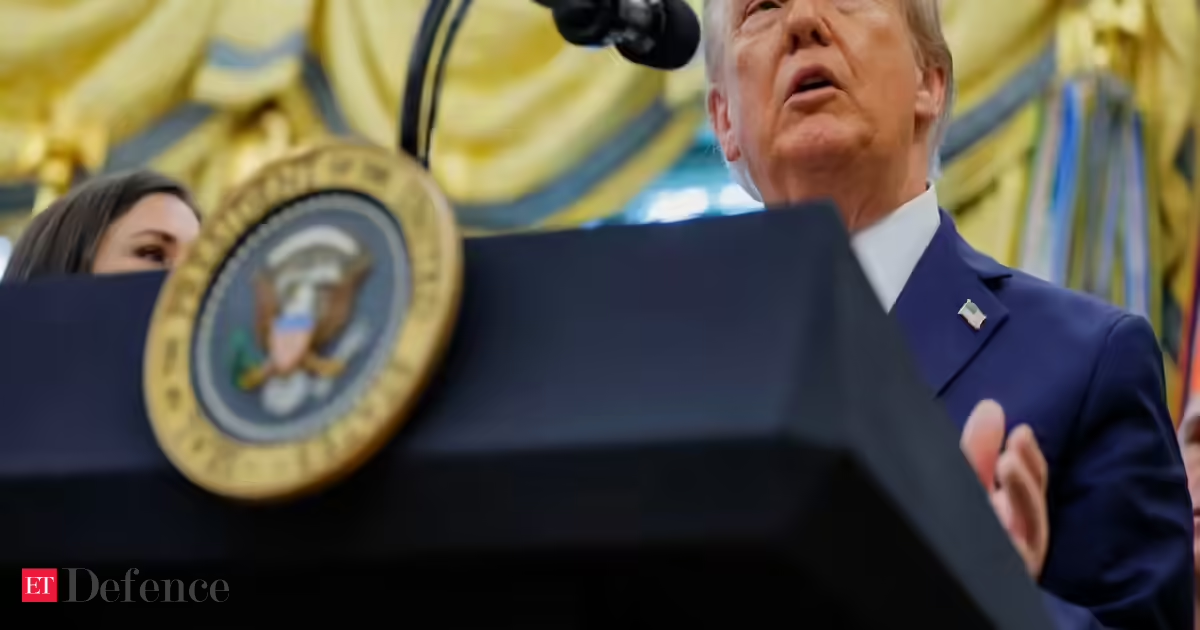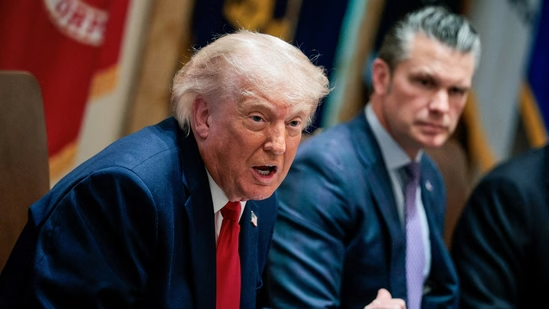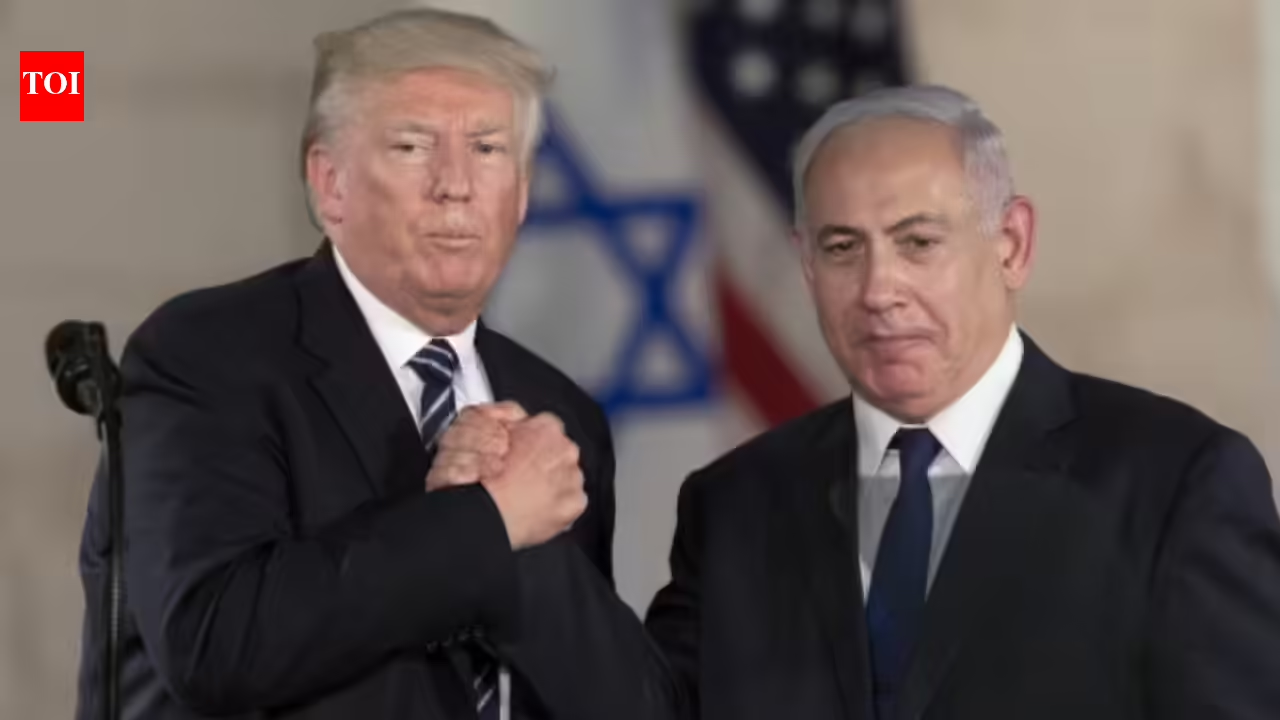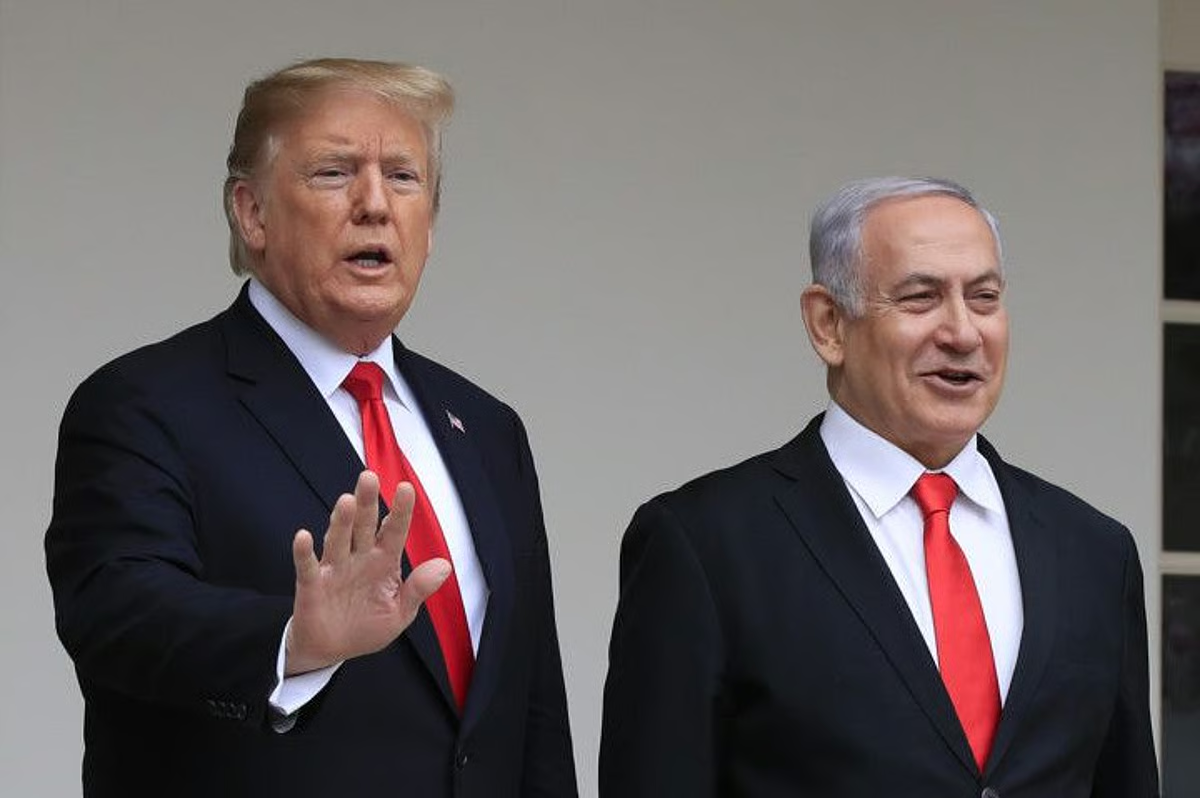
Hello, ABC Middle East correspondent Matthew Doran in Jerusalem here.It's now 93 days since the war between the US, Israel and Iran began, and while a deal to end the conflict seems to be closer than it has been for weeks, there's still great uncertainty about how this will play out.Here's what you need to know now:In yet another sign that talk of a looming deal may be premature, Iran's lead negotiator said the regime in Tehran would not sign up to any agreement that fails to secure the rights of Iranians. Mohammad Baqer Qalibaf made the comments after being re-elected speaker of the Iranian parliament, and said the country was waiting for "tangible results" from any negotiations.US media outlets are reporting that the US President has demanded more amendments to the deal, after a meeting in the White House on Friday. The New York Times said that process could mean further delays, given how difficult it is to get information and instructions to Iran's Supreme Leader, Ayatollah Mojtaba Khamanei. He's been in hiding since a strike on the first day of the war killed his father, and reportedly caused him serious injuries.In a somewhat promising sign, Iranian state media said 28 ships had passed through the Strait of Hormuz in 24 hours from Saturday into Sunday. It's still well below usual traffic levels. Reopening the vital shipping channel, which Iran has had in a chokehold for much of the war, has been a key demand for Donald Trump, but he has insisted it needs to be a reopening of the waterway without restriction, while Iran has said it would maintain sovereignty over it.Israeli forces have pushed further into southern Lebanon, taking control of the historic Beaufort Castle, a strategic hilltop position overlooking a large part of the country, as the IDF intensifies its attacks against claimed Hezbollah targets. It marks the deepest invasion of Lebanese territory since Israel withdrew from the area in 2000, with Benjamin Netanyahu heralding it as both a symbolic and strategic success for Israel.It follows a weekend of ongoing Hezbollah rocket and drone attacks against Israeli forces in southern Lebanon and on Israeli communities that hug the border. Warning sirens have rung out across much of northern Israel, as Hezbollah continues to fight back against Israeli strikes and occupation, and some schools have been ordered to close due to safety concerns. One drone hit a building in northern Israel, injuring a number of people.Here's what it all meansI fear I'm starting to sound like a bit of a broken record, so I apologise in advance. But it's clear there's not going to be a quick solution to this crisis.Last week, Donald Trump said a deal had been largely negotiated and would be announced soon. Then he said he wouldn't rush into a deal. Then he rubbished reports in Iranian state media about what a deal could look like.And then, when presented with a proposal seemingly agreed to by US and Iranian negotiators, he didn't back it in and has now reportedly demanded more changes. The public rhetoric from Tehran is similarly stubborn, refusing to yield ground. Part of that may be because of the delays in getting a clear answer from the supreme leader, who remains in hiding, on where Iran is prepared to negotiate.It's why further declarations of an imminent deal need to be taken with more than a pinch of salt.What I'll be keeping an eye onAs with last week, the situation in Lebanon — which is moving at a considerable pace — needs to be at the top of the watch list.It began with Israel once again demanding all residents of southern Lebanon flee the area last Wednesday, and has escalated to the point where Israeli forces have invaded and seized more territory in the south as of Sunday.Hezbollah, in turn, is attacking Israel in ways that are fuelling deep frustration in the Israeli military — particularly the use of fibre-optic controlled drones, which can't be jammed by Israel's sophisticated air defences in the same way as other threats.Israel's Prime Minister Benjamin Netanyahu was quick to celebrate the capture of Beaufort Castle — an area that has been seen as strategically significant for more than a millennium."I have instructed the IDF to expand the incursion in Lebanon," he said. "Our forces have crossed the Litani River. They took dominant terrain. They captured the Beaufort ridge. And now my instruction is to deepen and expand our hold on places that were under Hezbollah's control."He did note that the capture of Beaufort may stir memories of "deep division" in Israel — perhaps a reference to the last time the castle was under Israeli control, and the protracted war and occupation. But aside from that, the latest developments suggest there could be movement towards what many Lebanese had feared when the IDF started its latest campaign against Hezbollah in March, in response to Hezbollah attacks on Israel.That concern was that Israel would use the militant group's decision to attack it in March as a way to pursue its own territorial ambitions, and that occupation was on the agenda once more."Israel must understand that a scorched-earth policy, collective punishment, and the destruction of villages and towns will not ensure security nor stability," Lebanon's Prime Minister Nawaf Salam said on Saturday. "Rather, they will only deepen the divide with the Lebanese people."Mr Netanyahu is taking a slightly more restrained public position than that of his national security minister, the far-right Itamar Ben-Gvir. He was in one of the border communities over the weekend insisting that the IDF needed to return to heavy bombardment of Dahiyeh — the Hezbollah stronghold suburb in Beirut.But Israeli media reported intelligence that Hezbollah's top brass had scattered from Dahiyeh, and razing that part of Beirut's south would not necessarily have the desired outcome. Even with that, Channel 14, the right-wing network closely aligned with the Netanyahu government, foreshadowed further escalation on Sunday as a result of the seizure of Beaufort Castle.Amidst the very real threat of further fighting and attacks, it is also an election year in Israel. And some of Mr Netanyahu's political opponents are also banging the drums in favour of expanding this war.That's why this moment is so consequential. And it's all set against a backdrop of a US president trying to broker a deal to end the war, or at the very least delay a return to fighting, with Iran.Thanks for joining me. I'll see you at the same time next week.
Iran weekly briefing: Trump demands changes to peace plan
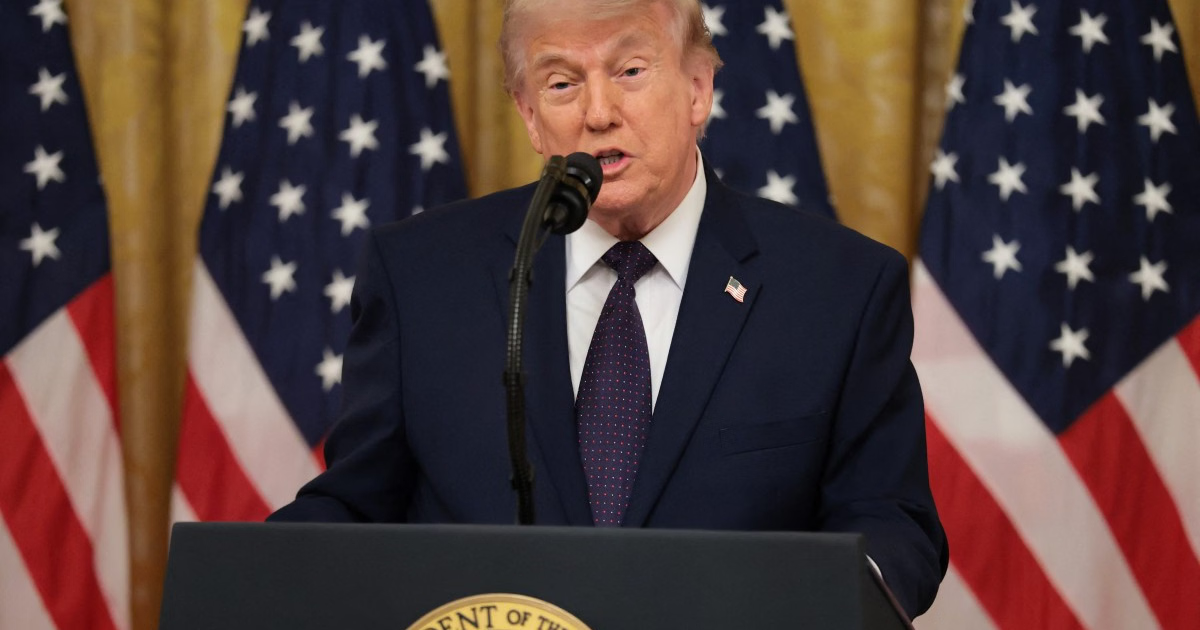
Donald Trump is reported to be amending a peace plan, which could fuel further delays in finding a final agreement.
1,084 words~5 min read