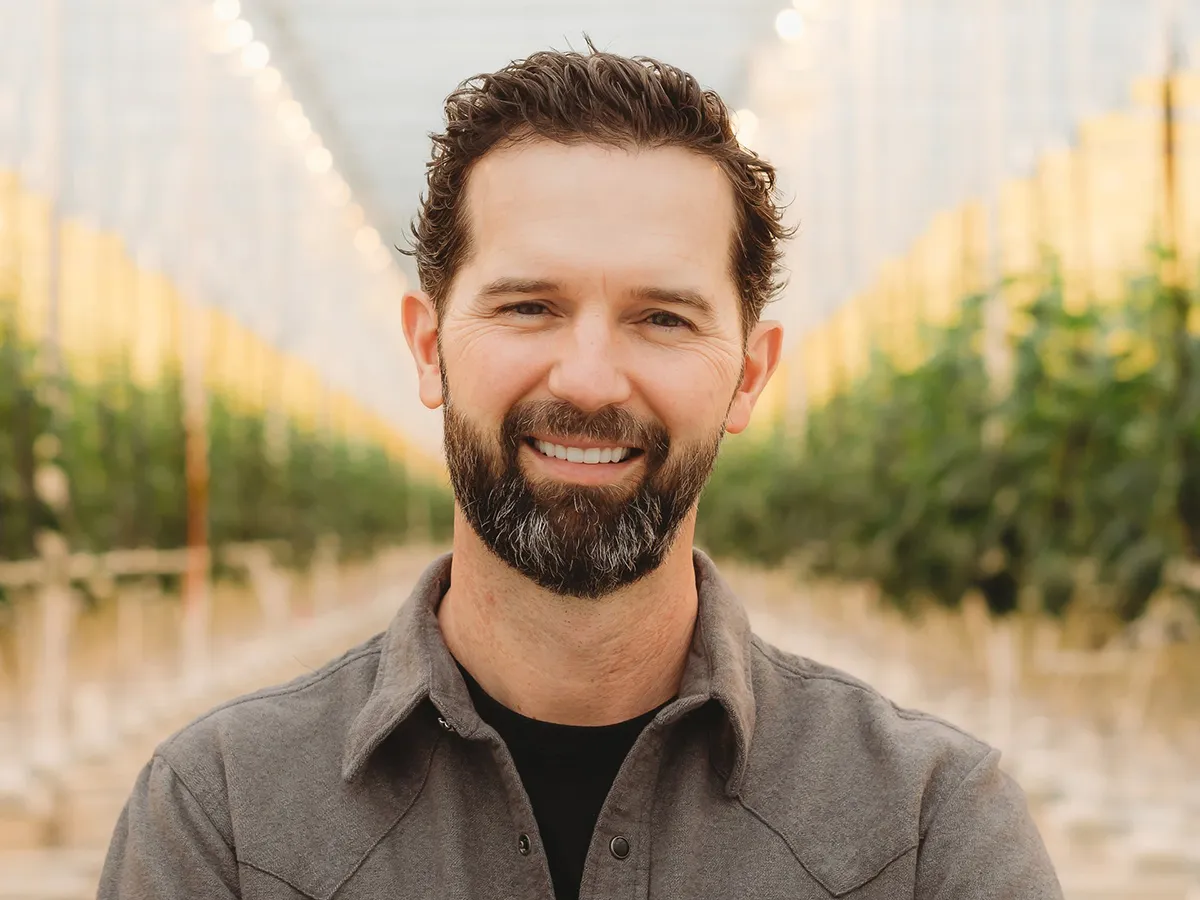
Skip to Content Subscribe Our Offers My Account Manage My Subscriptions FAQ Newsletters Canada Canadian True Crime Canadian Politics Health World Israel & Middle East Financial Post NP Comment Longreads Puzzmo Diversions Comics NP News Quiz New York Times Crossword Horoscopes Life Eating & Drinking Style Sponsored Play for Ontario Travel Travel Canada Travel USA Travel International Cruises Travel Essentials Culture Books Celebrity Movies Music Theatre Television Business Essentials Advice Lives Told Tails Told Shopping Buy Canadian Home Living Outdoor Living Tech Style & Beauty Kitchen & Dining Personal Care Entertainment & Hobbies Gift Guide Travel Guide Deals Savings National Post Store More Sports Hockey Baseball Basketball Football Soccer Golf Tennis Driving Vehicle Research Reviews News Gear Guide Obituaries Place an Obituary Place an In Memoriam Classifieds Place an Ad Celebrations Working Business Ads Archives Healthing Epaper Manage Print Subscription Profile Settings My Subscriptions Saved Articles My Offers Newsletters Customer Service FAQ Newsletters Canada World Financial Post NP Comment Longreads Puzzmo Diversions Life Shopping Epaper Manage Print Subscription HomeNewsCanadaJob one for this high-tech farmer: Squeezing out the AmericansAlberta food producer Ryan Cramer ignores the tempting U.S. market, and instead fills local shelves with local tomatoes and peppersLast updated 11 minutes ago You can save this article by registering for free here. Or sign-in if you have an account.Big Marble Farms CEO Ryan Cramer: “We just haven’t grown to a size where we can reliably supply local demand plus the U.S. So we choose our local market.” Photo by Petara PanabakerNegotiating trade deals — to secure access to global markets for Canadian soybeans, lentils, beef and other marquee agriculture exports, while shielding our own markets from a flood of foreign imports — is front page news.Enjoy the latest local, national and international news.Exclusive articles by Conrad Black, Barbara Kay and others. Plus, special edition NP Platformed and First Reading newsletters and virtual events.Unlimited online access to National Post.National Post ePaper, an electronic replica of the print edition to view on any device, share and comment on.Daily puzzles including the New York Times Crossword.Support local journalism.Enjoy the latest local, national and international news.Exclusive articles by Conrad Black, Barbara Kay and others. Plus, special edition NP Platformed and First Reading newsletters and virtual events.Unlimited online access to National Post.National Post ePaper, an electronic replica of the print edition to view on any device, share and comment on.Daily puzzles including the New York Times Crossword.Support local journalism.Create an account or sign in to continue with your reading experience.Access articles from across Canada with one account.Share your thoughts and join the conversation in the comments.Enjoy additional articles per month.Get email updates from your favourite authors.Create an account or sign in to continue with your reading experience.Access articles from across Canada with one accountShare your thoughts and join the conversation in the commentsEnjoy additional articles per monthGet email updates from your favourite authorsSign In or Create an AccountorYet behind the tariff headlines, who is quietly fixing the more immediate problem of better quality, affordable food for Canadian families — especially when sky-high energy prices drive up the cost of producing and transporting it?The answer is the smaller-scale, often family-owned producers in our own backyards. These are the quiet nation-builders. And no, we’re not talking about “grown in Canada” strawberries waved like flags by the Elbows Up crowd.Get a dash of perspective along with the trending news of the day in a very readable format.By signing up you consent to receive the above newsletter from Postmedia Network Inc.A welcome email is on its way. If you don't see it, please check your junk folder.The next issue of NP Posted will soon be in your inbox.We encountered an issue signing you up. Please try againBig Marble Farms CEO Ryan Cramer is one of them — and this Canadian success story has little interest in chasing U.S. dollars at the expense of its Canadian customers. Like many such operators, he’d rather stay out of the spotlight. I caught him for an interview while he was in his truck — a trick I learned chasing my own dad around our family farm.Big Marble is a multi-generational Alberta greenhouse operation that began in 2009 as a modest four-acre cucumber house. It has since scaled into one of the province’s largest year-round vegetable producers, now sprawling across more than 55 acres of greenhouse space. The farm grows vine-ripened cucumbers, tomatoes and peppers, harvested fresh daily and shipped to grocery chains across Alberta and Western Canada.“A lot of people look at this industry and our business and think, ‘Wow, that’s big. Who’s behind it — investors? Who’s in bed with these guys?’” Ryan says with a hearty chuckle. “It’s not. It’s me and my dad. That’s it. It’s a family operation.”That’s increasingly rare. Many competitors race to expand by courting big investment groups. Ryan wants no part of it. “As soon as it becomes corporate and too big, I start losing interest,” he says. He hires others to handle the business side but still loves getting his hands dirty. “I love the plants, the growing. Walking the greenhouse every single day — that’s what keeps me engaged.”Big Marble operates within Red Hat Co-operative, a producer co-op of greenhouse growers in the Medicine Hat/Redcliff area of southern Alberta. The co-op markets, grades, packs and distributes vegetables across the prairies. It started with a handful of growers in 1966 and peaked near 30; today it’s down to about 10-12. Yet it still runs on its original one-vote-per-grower bylaws — even though Big Marble is now by far the largest player and markets much of the group’s produce.“We have a humble group of farmers here interested in growing enough to support our local market,” Ryan says. That market has expanded from southern Alberta to the full prairies. “Beyond that, we just haven’t grown to a size where we can reliably supply local demand plus the U.S. So we choose our local market. We look after our Canadian retail partners.”Of course the U.S. looks tempting — the exchange rate, the size. But entering it properly would require a full product suite and either massive expansion or pulling supply from loyal Canadian customers. “We never felt good about doing that.” Instead, the primary goal is clear: displace imported product from prairie shelves.All this talk of humble farmers, dirty hands and a 60-year-old co-op might suggest an outfit stuck in the past. Nothing could be further from the truth. The technological pace at Big Marble is gobsmacking.Supplementary lighting is essential for year-round supply — grocers demand it. Robotics and smarter systems slash labour by, for example, moving produce without forklifts or pallet jacks. The farm employs about 400 people: 30 per cent local, 70 per cent temporary foreign workers, mostly from the Philippines and Thailand. AI projects are next. A camera system travels the rows, snapping thousands of images daily. The more data, the smarter the system becomes at tracking growth, spotting insect or disease outbreaks early, and forecasting yields.Medicine Hat sits atop legendary natural gas reserves — Rudyard Kipling once quipped the place had “all hell for a basement.” Generators run on natural gas and capture waste heat to help warm the greenhouse. “Our burners produce almost no byproduct other than CO2, which the plants eat,” Ryan explains. By capturing and re-using that CO2, the operation runs close to carbon neutral for much of the year. A combined heat and power system generates up to 13 megawatts; excess electricity (when grow lights are off) feeds the city grid. An aerial view of Big Marble Farms. “It’s me and my dad. That’s it. It’s a family operation,” says CEO Ryan Cramer. Photo by Ryan CramerIt’s hard to imagine anything slowing this ambitious, self-reliant operation. So what does Ryan need from governments or others to do even better?“The industry is misunderstood,” he says. “We’re still ‘agriculture.’” Yet some in Ottawa don’t see high-tech greenhouses that way anymore. That misunderstanding is a problem, for example, if it threatens access to temporary foreign worker programs.“We love our temporary foreign workers,” he says, emphatically, “but it’s actually far cheaper and easier to hire locals who handle their own housing and live in the local community.” People assume employing migrants costs us less, he reports; that’s untrue — it costs more.Utilities are another pain point. Despite the dramatic carbon reductions from CO2 capture and efficient systems, the farm pays standard commercial rates for gas and power. We’re growing fresh food, he laments, with a cool sustainability story, yet we get no recognition for it. A rebate on gas or electricity would help. And every province is different, he adds, so we’re not even on a level playing field.The biggest pressure, though, is price. “We’re being told to lower our prices in an environment where everything else is going up,” he says with a sigh. “Are you kidding me?”Big trade deals are complicated. But after talking with Ryan, it’s clear the real work of feeding Canadians affordably and reliably is just as tricky—and far more grounded. It happens every day in places like Medicine Hat, where family operators harness technology, local energy and old-fashioned grit to keep fresh vegetables on prairie tables — without chasing the grass that looks greener south of the border. These are the quiet successes worth championing. Canada needs more of them.Our website is the place for the latest breaking news, exclusive scoops, longreads and provocative commentary. Please bookmark nationalpost.com and sign up for our newsletters here. Join the Conversation This website uses cookies to personalize your content (including ads), and allows us to analyze our traffic. Read more about cookies here. By continuing to use our site, you agree to our Terms of Use and Privacy Policy.
Job one for this high-tech farmer: Squeezing out the Americans
"We choose our local market": Alberta producer ignores tempting U.S. market, instead filling local shelves with local tomatoes and peppers
1,617 words~7 min read