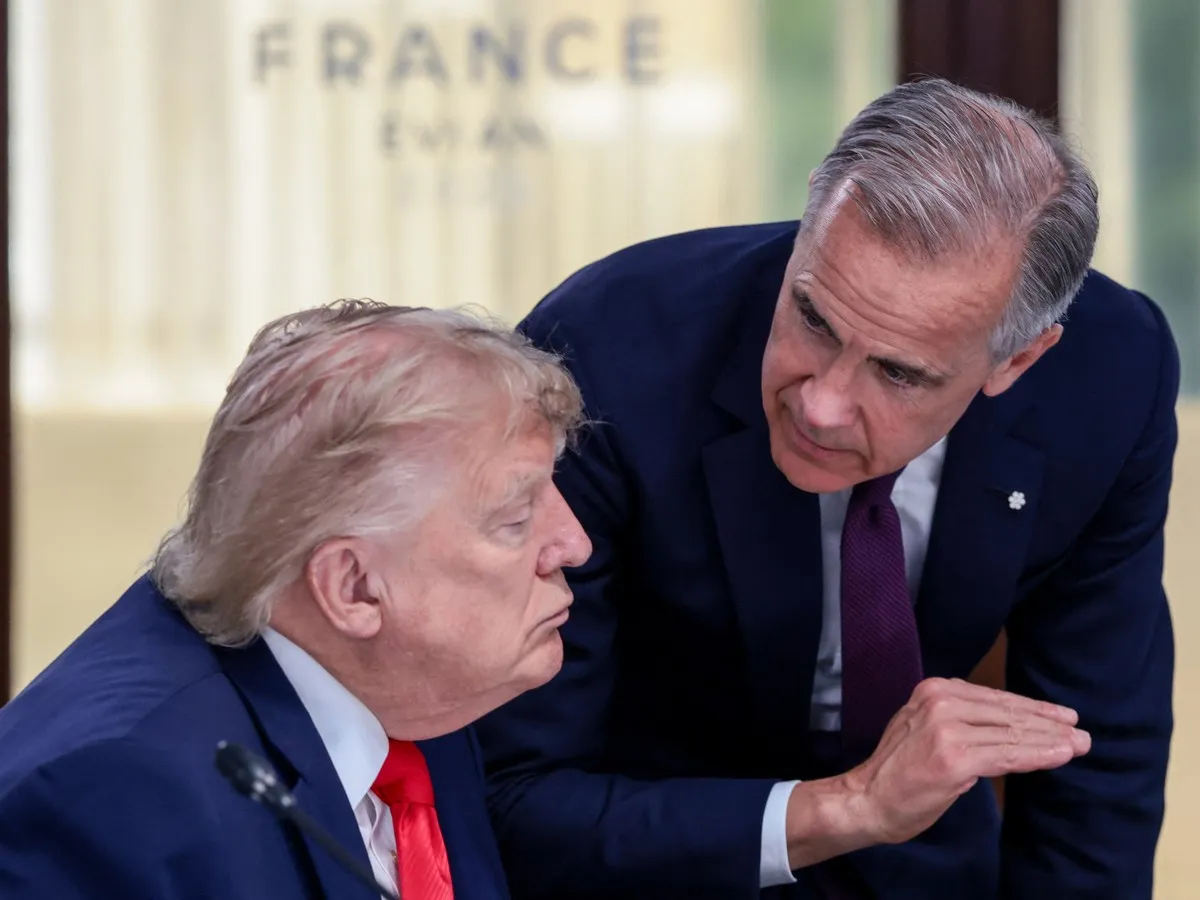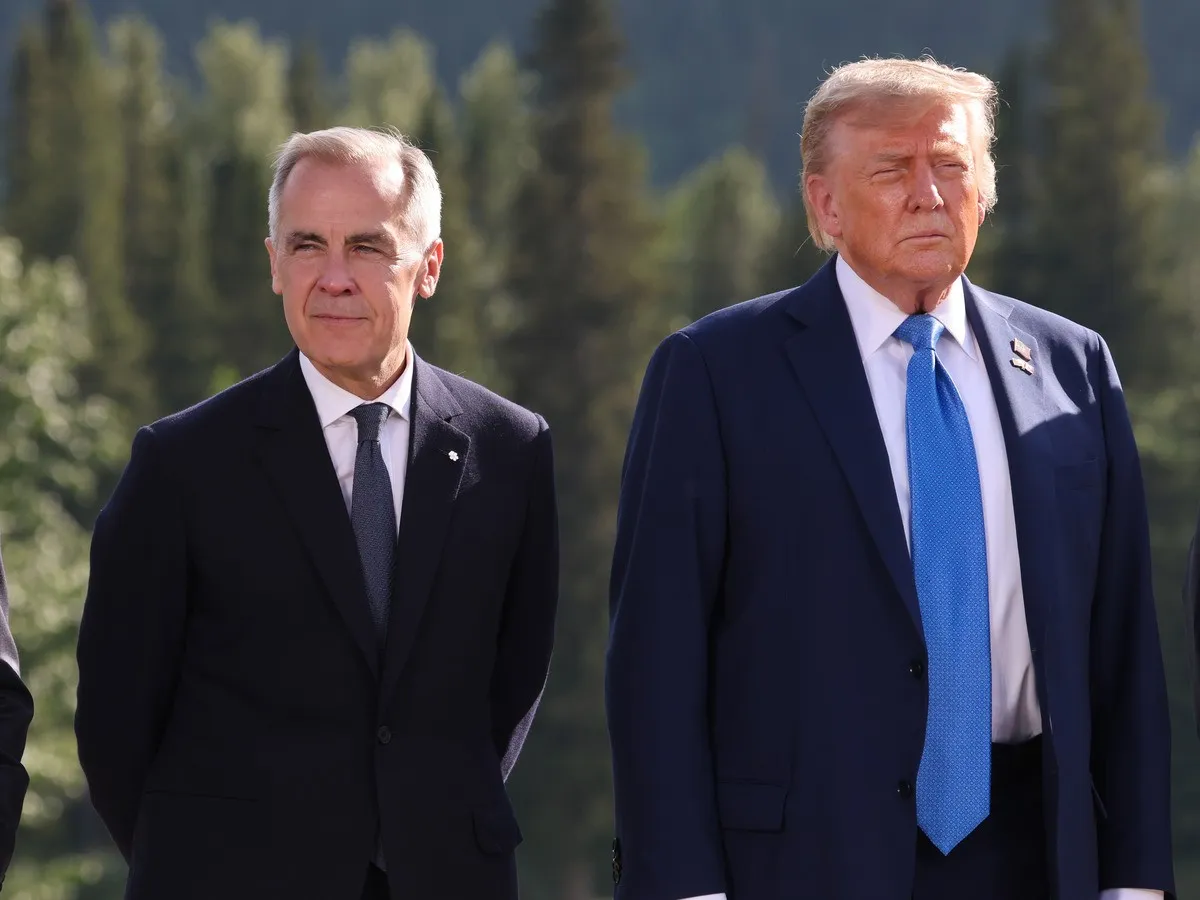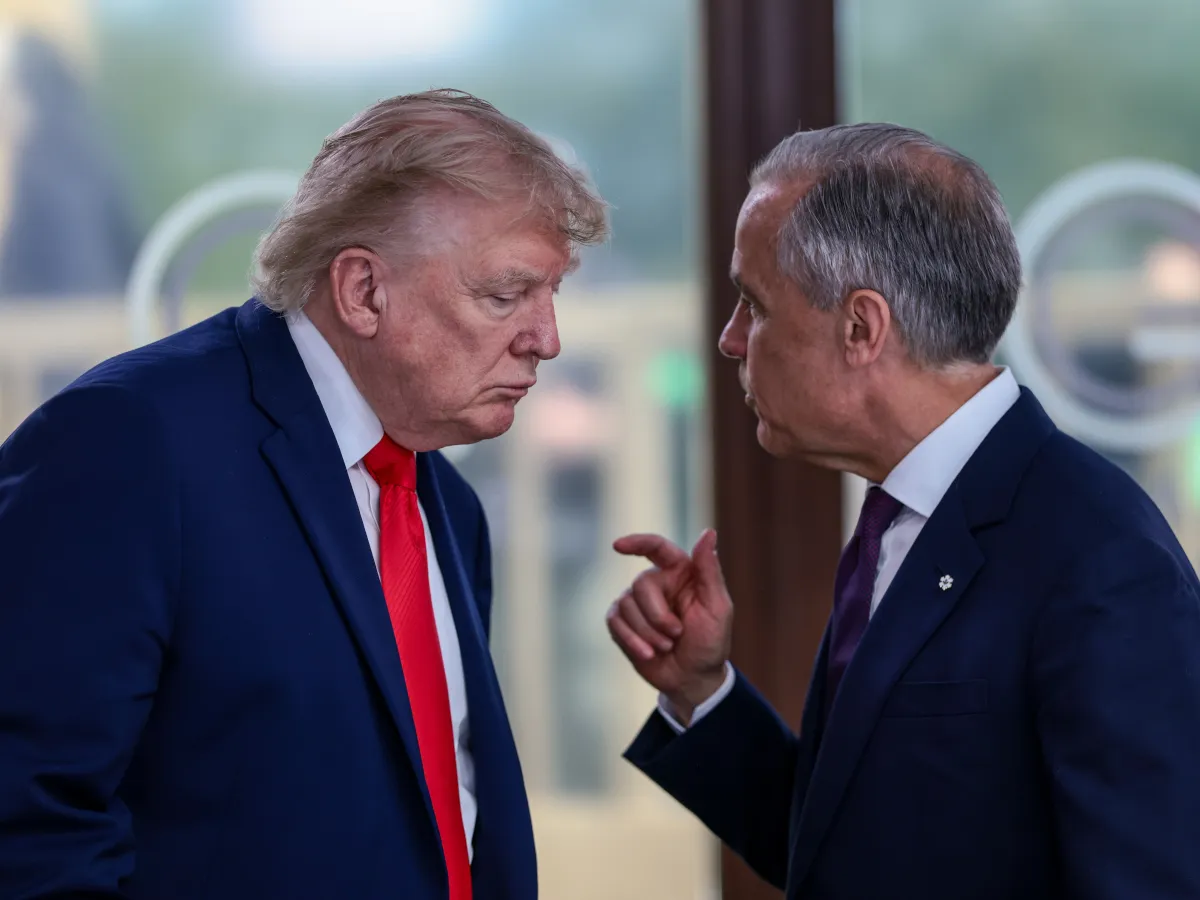
Skip to Content Subscribe Our Offers My Account Manage My Subscriptions FAQ Newsletters Canada Canadian True Crime Canadian Politics Health World Israel & Middle East Financial Post NP Comment Longreads Puzzmo Diversions Comics NP News Quiz New York Times Crossword Horoscopes Life Eating & Drinking Style Sponsored Play for Ontario Travel Travel Canada Travel USA Travel International Cruises Travel Essentials Culture Books Celebrity Movies Music Theatre Television Business Essentials Advice Lives Told Tails Told Shopping Buy Canadian Home Living Outdoor Living Kitchen & Dining Tech Style & Beauty Personal Care Entertainment & Hobbies Gift Guide Travel Guide Amazon Prime Day Deals Savings National Post Store More Sports Hockey Baseball Basketball Football Soccer Golf Tennis Driving Vehicle Research Reviews News Gear Guide Obituaries Place an Obituary Place an In Memoriam Classifieds Place an Ad Celebrations Working Business Ads Archives Healthing Epaper Manage Print Subscription Profile Settings My Subscriptions Saved Articles My Offers Newsletters Customer Service FAQ Newsletters Canada World Financial Post NP Comment Longreads Puzzmo Diversions Life Shopping Epaper Manage Print Subscription HomeNP CommentTasha Kheiriddin: The key to reaching a trade deal with the U.S.There are fresh signs that our countries might be able to find a way forward to an agreement You can save this article by registering for free here. Or sign-in if you have an account.U.S. President Donald Trump, left, and Prime Minister Mark Carney. Photo by Evelyn Hockstein - Pool/Getty ImagesIs there hope for the Canada-United States-Mexico Agreement (CUSMA)? For over a year, Canada-U.S. trade talks have been testy at best, in a deep freeze at worst.Enjoy the latest local, national and international news.Exclusive articles by Conrad Black, Barbara Kay and others. Plus, special edition NP Platformed and First Reading newsletters and virtual events.Unlimited online access to National Post.National Post ePaper, an electronic replica of the print edition to view on any device, share and comment on.Daily puzzles including the New York Times Crossword.Support local journalism.Enjoy the latest local, national and international news.Exclusive articles by Conrad Black, Barbara Kay and others. Plus, special edition NP Platformed and First Reading newsletters and virtual events.Unlimited online access to National Post.National Post ePaper, an electronic replica of the print edition to view on any device, share and comment on.Daily puzzles including the New York Times Crossword.Support local journalism.Create an account or sign in to continue with your reading experience.Access articles from across Canada with one account.Share your thoughts and join the conversation in the comments.Enjoy additional articles per month.Get email updates from your favourite authors.Create an account or sign in to continue with your reading experience.Access articles from across Canada with one accountShare your thoughts and join the conversation in the commentsEnjoy additional articles per monthGet email updates from your favourite authorsSign In or Create an AccountorU.S. President Donald Trump mocked us as the “51st state,” put tariffs our steel, aluminum and autos, and claimed that America doesn’t need anything we’re selling. Prime Minister Mark Carney declared that Canada must reduce its dependence on the U.S., circled the globe inking foreign trade deals and became the darling of Davos for his vision of “middle power” alliances.Yet something curious has happened over the past few weeks. Beneath the high-level noise, diplomats and negotiators are taking a different tone. And that is a sign that our countries can maybe — just maybe — find their way forward to a deal.This newsletter from NP Comment tackles the topics you care about. (Subscriber-exclusive edition on Fridays)By signing up you consent to receive the above newsletter from Postmedia Network Inc.We encountered an issue signing you up. Please try againAt a summit last week in Toronto, U.S. Ambassador Pete Hoekstra reiterated Trump’s transactional approach to trade, but with a caveat. “Make us an offer” he said, but added, “It’s not a threat to Canada, it’s an invitation to partner.” America, Hoekstra argued, needs Canadian potash, energy and critical minerals. “We want a strong Canada. We think a strong Canada across the board is good for the United States … and it’s probably good for the world.”Canada’s ambassador to Washington, Mark Wiseman, struck a similarly pragmatic note. America First, he observed, does not necessarily mean America alone. We need to remind Americans that we are far more than hewers of wood and drawers of water, and that a stronger, more self-sufficient Canada is a better customer and a better partner for the U.S. Wiseman also rejected the notion that global diversification and continental integration are mutually exclusive. “We can do both,” he told the assembled business and political leaders.That strategy took centre stage a month ago, when Carney addressed the Economic Club of New York and declared that, “Canada strong will help make America great again.” The line rang alarm bells in Canada for its use of MAGA language but was well received in Washington. While to us, it sounds like Canada is saying “we don’t need you, we have other friends,” what Americans hear is: we’ll be wealthier and can buy more of your stuff. That is the key to salvaging CUSMA.Trump is obsessed with eliminating the U.S. trade deficit. At the summit, former U.S. trade representative Robert Lighthizer argued that decades of trade deficits have caused a $1.4-trillion wealth transfer to the rest of the world. How to reverse this? In Trump’s view, a tariff system that levels the playing field, allowing U.S. industry to compete against state-subsidized manufacturers and countries with cheaper labour costs.And while China looms largest in this equation, no nation is exempt. Trump constantly carps about the U.S. trade deficit with Canada, even though when you subtract oil exports, America runs a surplus with us. Protectionist policies like supply management are seen as a barrier to U.S. products and a contributor to that imbalance.You don’t need to agree with the Americans, but you need to understand where they are coming from. First, accept that tariffs will be part of the equation — but try to get the lowest ones you can. Second, make it clear that a richer Canada is a better consumer, which will buy more from the U.S. and reduce their trade imbalance.The “Canada Strong” strategy will only work, however, if we can back it up with facts. The week after Carney made his New York speech, Canada slipped into a technical recession, which prompted a “51st state” post from Trump. But the following week, our jobs numbers were good, and a raft of economists disputed the recession label.This week, Canadian officials described discussions with Washington as productive, respectful and businesslike. If we can maintain the tone and disregard the bluster, then maybe we can get a deal done — and get our economy back on track.Postmedia NetworkTasha Kheiriddin is Postmedia’s national politics columnist. Join the Conversation This website uses cookies to personalize your content (including ads), and allows us to analyze our traffic. Read more about cookies here. By continuing to use our site, you agree to our Terms of Use and Privacy Policy.
Tasha Kheiriddin: The key to reaching a trade deal with the U.S.
There are fresh signs that our countries might be able to find a way forward to an agreement
1,156 words~5 min read