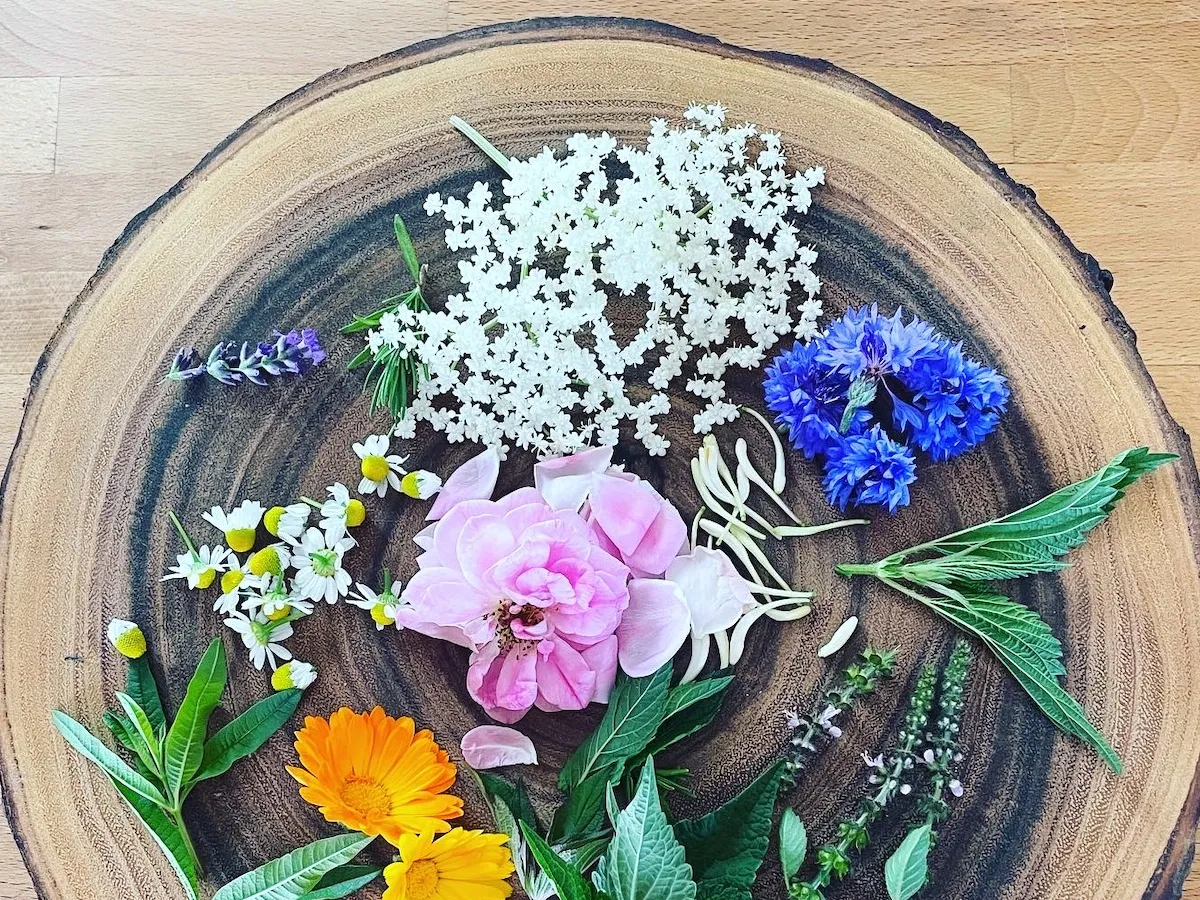
Skip to Content Subscribe Our Offers My Account Manage My Subscriptions FAQ Newsletters Canada Canadian True Crime Canadian Politics Health World Israel & Middle East Financial Post NP Comment Longreads Puzzmo Diversions Comics NP News Quiz New York Times Crossword Horoscopes Life Eating & Drinking Style Sponsored Play for Ontario Travel Travel Canada Travel USA Travel International Cruises Travel Essentials Culture Books Celebrity Movies Music Theatre Television Business Essentials Advice Lives Told Tails Told Shopping Buy Canadian Home Living Outdoor Living Kitchen & Dining Tech Style & Beauty Personal Care Entertainment & Hobbies Gift Guide Travel Guide Amazon Prime Day Deals Savings National Post Store More Sports Hockey Baseball Basketball Football Soccer Golf Tennis Driving Vehicle Research Reviews News Gear Guide Obituaries Place an Obituary Place an In Memoriam Classifieds Place an Ad Celebrations Working Business Ads Archives Healthing Epaper Manage Print Subscription Profile Settings My Subscriptions Saved Articles My Offers Newsletters Customer Service FAQ Newsletters Canada World Financial Post NP Comment Longreads Puzzmo Diversions Life Shopping Epaper Manage Print Subscription HomeHomesIn the garden: “It doesn’t have to look like a farm” Grass is giving way to front-yard vegetable gardens that have their own style of curb appealLast updated 27 minutes ago You can save this article by registering for free here. Or sign-in if you have an account.Edible herbs and flowers can be used in tinctures, teas and all manner of dishes. Photo by Wild by NatureWe independently select everything we recommend. Buying through us may earn us a commission, which supports our work.When sisters and new co-homeowners Meagan and Sarah Gartlan first laid eyes on the front yard of their semi-detached house near Bloor Street West and Dufferin Street a few years ago, there wasn’t much to love. Enjoy the latest local, national and international news.Exclusive articles by Conrad Black, Barbara Kay and others. Plus, special edition NP Platformed and First Reading newsletters and virtual events.Unlimited online access to National Post.National Post ePaper, an electronic replica of the print edition to view on any device, share and comment on.Daily puzzles including the New York Times Crossword.Support local journalism.Enjoy the latest local, national and international news.Exclusive articles by Conrad Black, Barbara Kay and others. Plus, special edition NP Platformed and First Reading newsletters and virtual events.Unlimited online access to National Post.National Post ePaper, an electronic replica of the print edition to view on any device, share and comment on.Daily puzzles including the New York Times Crossword.Support local journalism.Create an account or sign in to continue with your reading experience.Access articles from across Canada with one account.Share your thoughts and join the conversation in the comments.Enjoy additional articles per month.Get email updates from your favourite authors.Create an account or sign in to continue with your reading experience.Access articles from across Canada with one accountShare your thoughts and join the conversation in the commentsEnjoy additional articles per monthGet email updates from your favourite authorsSign In or Create an Accountor“It was a parking spot,” Meagan says, covered in “ugly paving stones and very stubborn grass.” So the sisters tore it up, brought in a truckload of organic compost, bought some herb seedlings and within a couple of seasons had skullcap, yarrow, anise hyssop, rhubarb and wild ginger growing where the stones and grass used to be — plus a few shiitake mushroom logs hidden among the greenery and a patch of lettuce and kale tucked into the middle and hidden from street view. “It’s not perfectly tidy,” admits Sarah. “There’s a lot going on.” One neighbour was more direct about it: “Sarah, the whole neighbourhood is wondering what you’re doing with your garden,” she quoted her as saying. That tension — between wanting a productive garden that grows food and not wanting your yard to read as neglected — is at the centre of a gradual shift happening on urban residential streets. Homeowners are increasingly trying to have it both ways: maintaining the curb appeal some neighbours expect, along with a garden that can feed them. The claim, according to the people who design these gardens for a living, is that it’s possible. Chris Wong, who owns Young Urban Farmers, a company that designs edible gardens for homeowners, has watched the old hesitation around food gardens erode. The front yard, he points out, is often the only patch of a property with enough sun for vegetables to thrive. “It’s prime food-growing real estate,” says Wong. “But it doesn’t have to look like a farm. Food and beauty are not mutually exclusive.” Maria Solakofski runs Wild by Nature, an urban botanical farm, out of her front and back yards. Photo by Wild by NatureMaria Solakofski runs Wild by Nature, an urban botanical farm, out of her front and back yards. “People really care what is on the outside of your house,” she says of the social pressure around curb appeal. Her front yard is filled with flowers stretching to the sidewalk — arnica, echinacea, peonies, lavender, St John’s Wort — a bounty that is entirely edible. Her plants are the raw material for teas, oils and tinctures that she produces and sells at Evergreen Brickworks in Toronto, yet the bed still looks like a flower garden. “I wanted something beautiful to look at, but it has to stay wild in my way,” she says. Solakofski grows a bit of everything in her gardens: there are herbs, edible flowers, vegetables, berries, fruit trees and even an almond tree. “I think it might be the only one in Toronto,” she says. It tracks that Solakofski, an herbalist, would have more than 70 varieties of herbs in her garden. But she recommends that gardeners carefully consider their own motivations for growing an edible garden. Is the goal saving on grocery bills; making organic teas; or having fresh greens for salads? Once they know the why, they should consider how much time they’re willing to commit. Will they be in the garden every day, or are they more of an hour-on-the-weekend gardener? For those just getting started, Wong recommends ornamental varieties of edible plants that slot easily into a flower bed, like Swiss chard, kale and peppers of different varieties in purple, yellow and red. He’s also a fan of raised beds with defined borders for the more geometrically minded, which read as deliberate rather than messy. “It makes it look more intentional, which can alleviate the concerns of fussier neighbours,” he says. For street-facing beds, Wong suggests planting ornamentals closer to the sidewalk and tucking edibles behind, which also helps with pollution and dog-mess concerns. But the foundation, he says, is soil: “My general recommendation is to spend 50 percent on good soil and 50 percent on everything else.” Both the flowers and fruit of the attractive elderberry tree are edible. Photo by Wild by Nature Solakofski agrees that soil health is essential. “I’m not growing the plants. The soil is growing the plants,” she says. “If I tend the soil, then everything else is going to work out.” And that soil never needs to be bare, even if a crop is harvested. “Interplanting is something that I do so that I never am looking at blank soil,” Solakofski says. When she pulls garlic out of a bed in July, the tomato plants growing alongside are ready to spread out and fill the gaps. She’s also a believer in multi-season plants that pull double duty as landscaping. Her serviceberry bush, she says, is “an amazing landscape plant to have in your garden that is beautiful all season round,” with white flowers in spring, red leaves in fall and berries that “support birds and us.” It’s a plant Sarah Gartlan chose for her own front yard, for the same reasons. There’s a surprising social benefit, too. Wong has noticed neighbours stopping on evening walks to admire ripening tomatoes or cucumbers, sparking conversations and connections that wouldn’t have happened otherwise. For Meagan Gartlan, the appeal is simpler and more sensory: “In the middle of the summer when it’s so hot and peaceful, and there are bees on everything, it’s just so satisfying.” The Gartlans’ edible front yard garden has settled into its own kind of order. The neighbours don’t seem to be wondering what the plan is anymore — and if they are, Meagan is unconcerned. “It’s hilarious to me that people would judge someone for growing food,” she says, “that we’re still judging that.” Join the Conversation This website uses cookies to personalize your content (including ads), and allows us to analyze our traffic. Read more about cookies here. By continuing to use our site, you agree to our Terms of Use and Privacy Policy.
In the garden: “It doesn’t have to look like a farm”
Grass is giving way to front-yard vegetable gardens that have their own style of curb appeal
1,438 words~7 min read