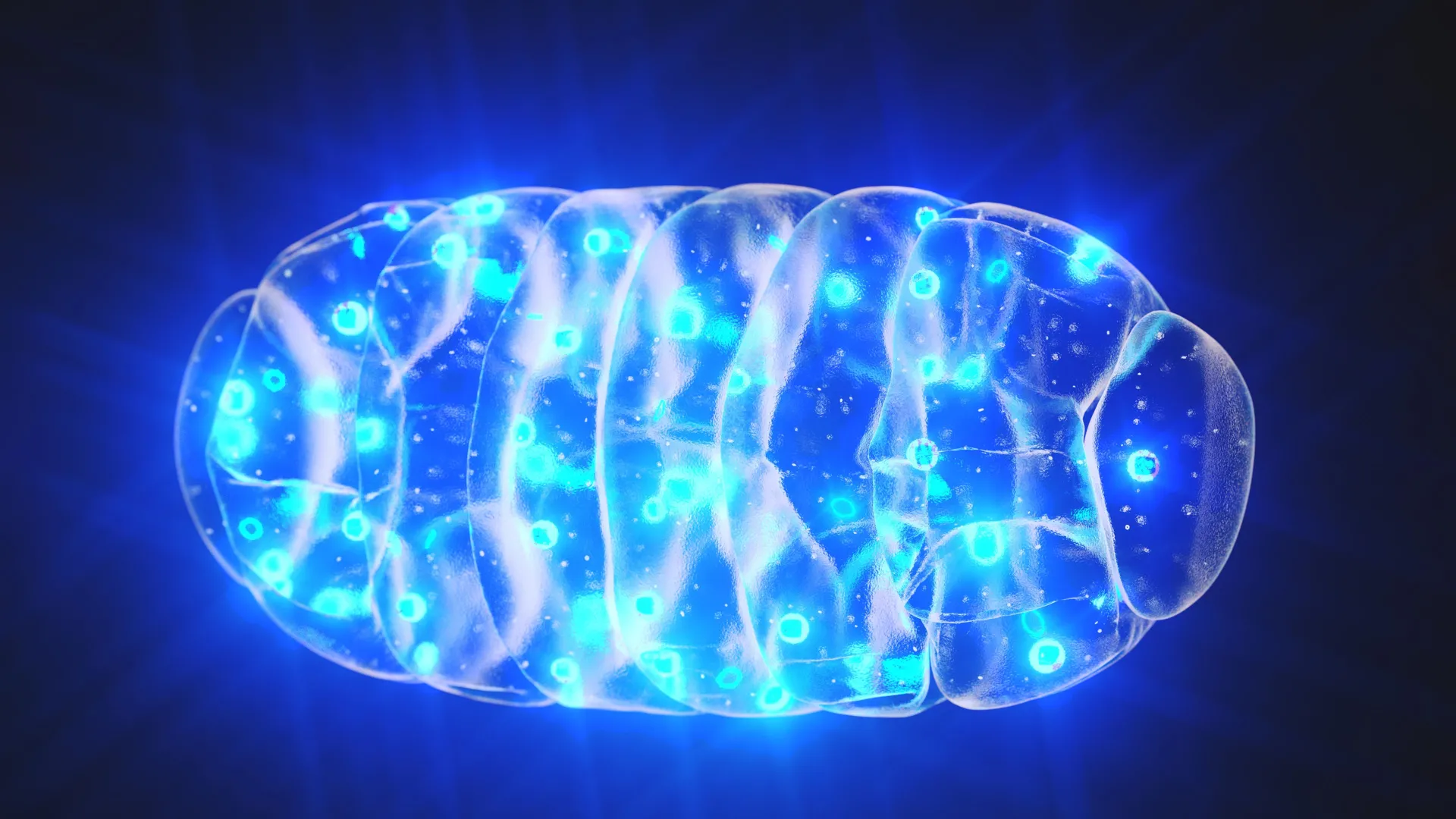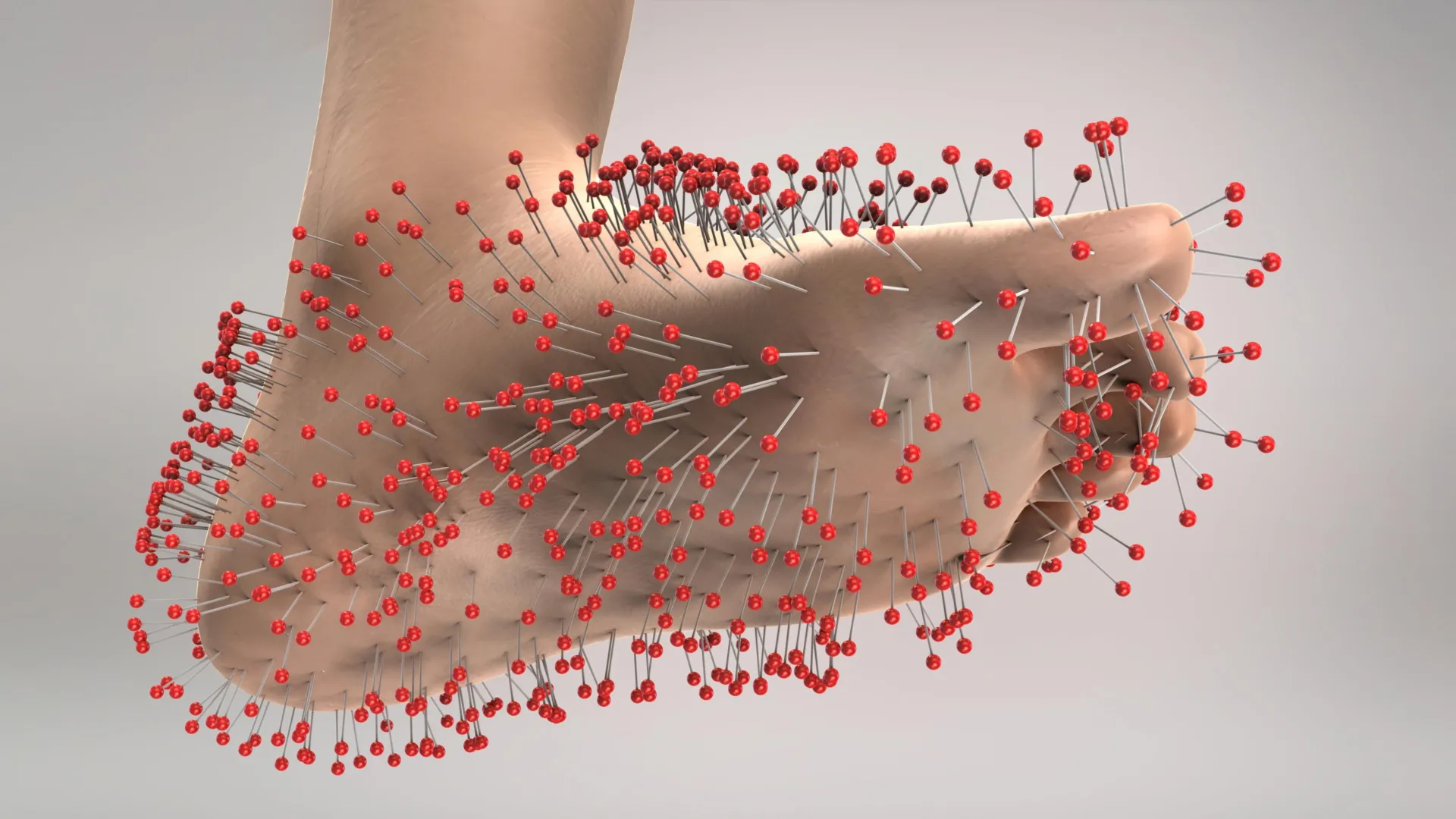
Millions of people live with chronic nerve pain that can make even the lightest touch feel intense and unbearable. Scientists have long believed that this kind of pain may begin when mitochondria, the tiny structures that produce energy inside cells, stop working properly in damaged nerves.
Now, researchers at Duke University School of Medicine say restoring healthy mitochondria could offer a completely new way to treat that pain.
In a study published in Nature, the team used both human tissue and mouse models to test whether replenishing mitochondria could help damaged nerve cells recover. The treatment significantly reduced pain linked to diabetic neuropathy and chemotherapy-related nerve damage. In some cases, the relief lasted for up to 48 hours.
Rather than simply blocking pain signals, the researchers believe the approach may address one of the underlying causes of chronic nerve pain by restoring the energy supply nerve cells need to function properly.
"By giving damaged nerves fresh mitochondria -- or helping them make more of their own -- we can reduce inflammation and support healing," said the study's senior author Ru-Rong Ji, PhD, director of the Center for Translational Pain Medicine in the Department of Anesthesiology at Duke School of Medicine. "This approach has the potential to ease pain in a completely new way."