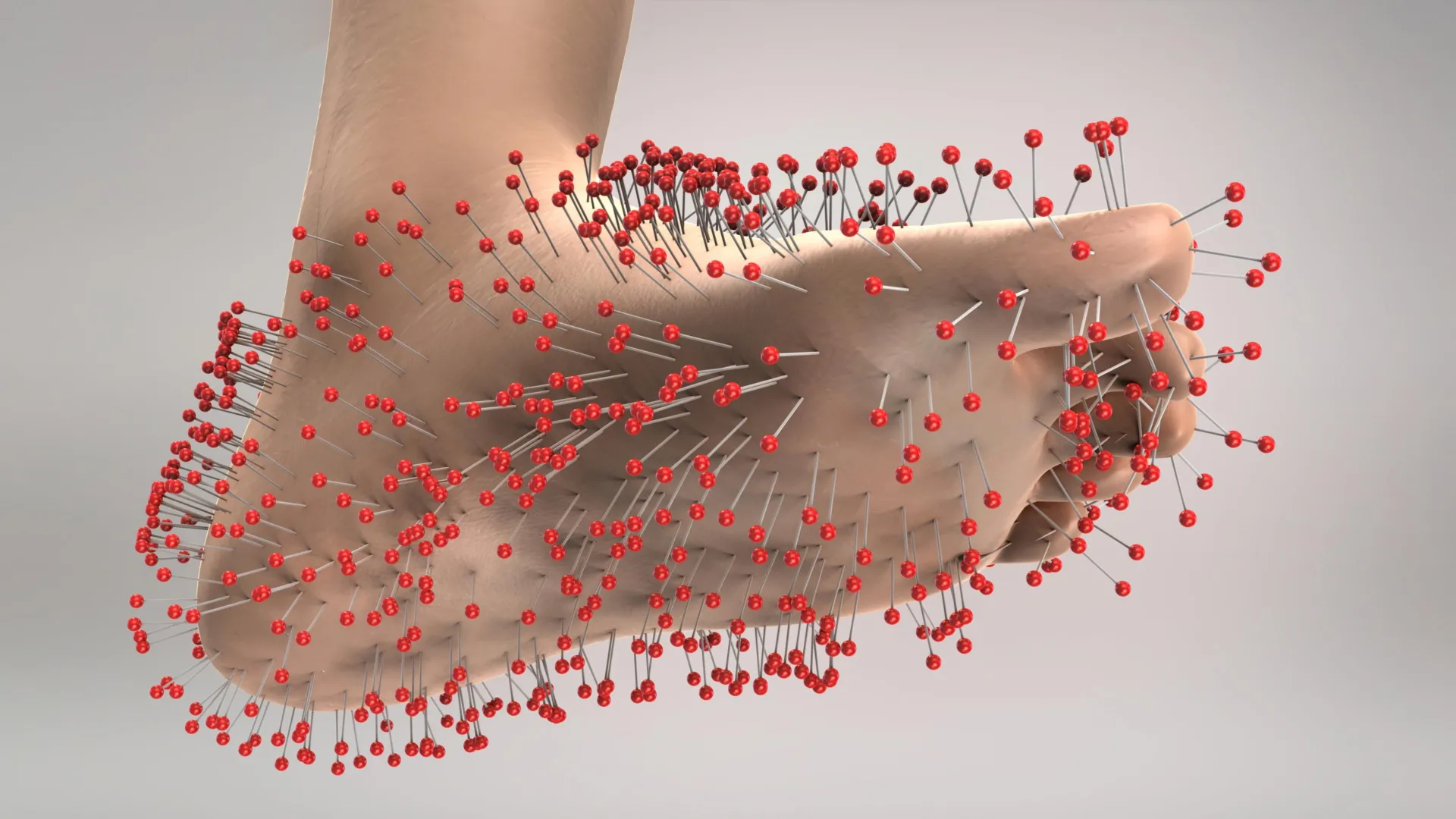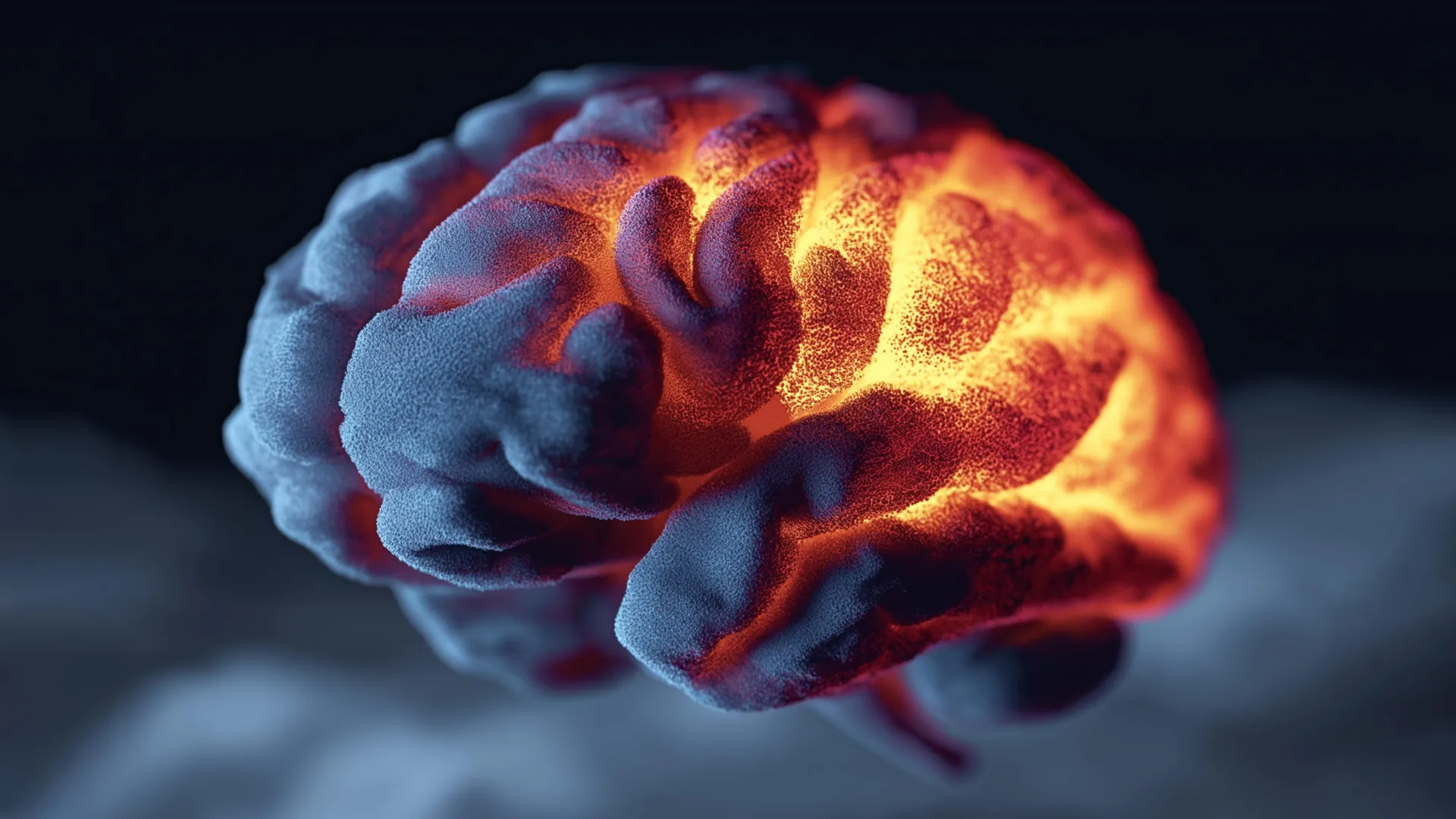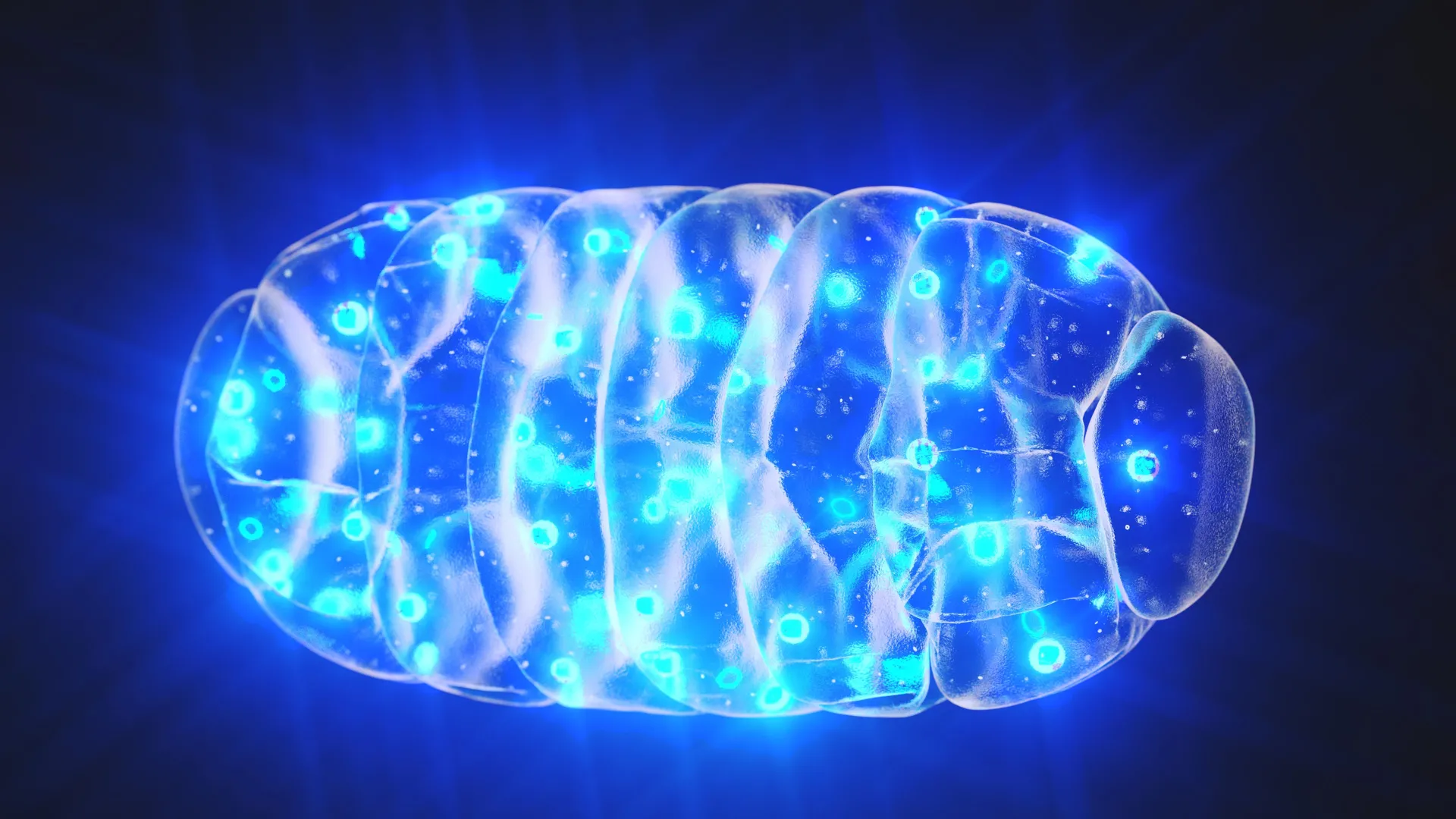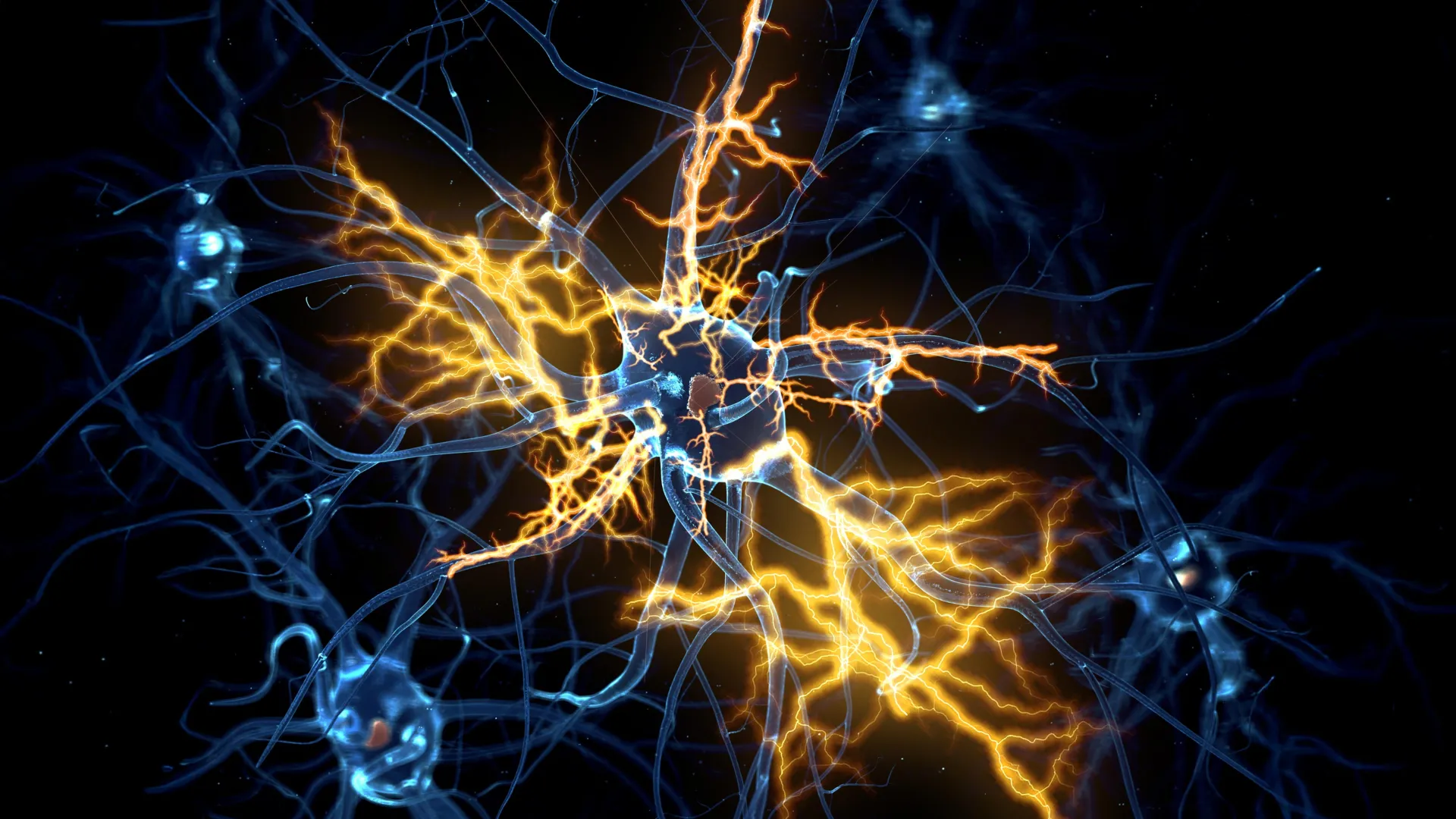
Chronic nerve pain is a long-lasting condition that can make everyday sensations extremely painful and difficult to tolerate.A recent study from the Duke University School of Medicine proposes a varied way of thinking about treatment: instead of simply blocking pain signals, it may be possible to repair the underlying cellular damage that contributes to pain in the first place.Published in the journal Nature, the research team studied both human tissue and mouse models to determine whether restoring or replacing damaged mitochondria could improve nerve function. The study indicates that pain may be associated with cellular energy dysfunction, opening avenues for future therapies that repair rather than simply suppress symptoms.Restoring Cellular Energy as a New Pain StrategyLead researcher Ru-Rong Ji described the potential behind this approach, citing:“By giving damaged nerves fresh mitochondria -- or helping them make more of their own -- we can reduce inflammation and support healing,” and added, “This approach has the potential to ease pain in a completely new way.”Mitochondrial Transfer Between CellsThe study also contributes to increasing evidence that mitochondria are not restricted to individual cells. Instead, they may be exchanged between cells as part of a natural repair system involved in various biological processes, including tissue recovery and disease regulation. Researchers focused on satellite glial cells, which surround and support sensory neurons. These cells appear to play an important role in maintaining nerve health by transferring mitochondria directly into neurons.This transfer occurs through ultra-small tube-like structures known as tunneling nanotubes. When this communication pathway is disrupted, nerve fibers begin to deteriorate, leading to symptoms such as pain, tingling, and numbness, especially in the hands and feet where nerve length is greatest.Evidence From Animal StudiesIn experiments on mice, enhancing mitochondrial transfer between cells resulted in a substantial decrease in pain-related behaviors by as much as 50%. The researchers also evaluated whether directly injecting isolated mitochondria into dorsal root ganglia, clusters of sensory neurons that relay signals to the brain, could achieve similar outcomes. Results showed a strong dependence on mitochondrial quality. Healthy donor mitochondria reduced pain responses, whereas mitochondria obtained from individuals with diabetes failed to produce the same benefit.Cellular Mechanisms and Key Protein DiscoveryThe team also identified a protein named MYO10, which appears essential for forming the tunneling nanotubes that enable mitochondrial movement between cells. Without this protein, the transfer system cannot operate correctly.According to the researchers, this discovery clarifies how energy exchange between supporting cells and neurons is structurally organized at the microscopic level. The study was led by Jing Xu alongside long-term collaborator Cagla Eroglu, whose research focuses on glial cell communication.Future Research and Therapeutic PotentialAlthough the findings are promising, researchers stress that further studies are necessary before this approach can be applied clinically. High-resolution imaging and additional biological investigations are needed to fully understand how mitochondria are transported within living nerve tissue.Nevertheless, the study highlights a previously underrecognized communication system between neurons and supporting glial cells. If future research confirms these results, it could lead to therapies that target chronic pain at its biological origin rather than merely masking symptoms.Source: ScienceDailyFAQs:Q1. What is this research about? It studies how mitochondria may help treat chronic nerve pain. The focus is on improving cell energy instead of only blocking pain signals.Q2. What are mitochondria? Mitochondria are tiny structures inside cells that produce energy. They help cells function and stay healthy.
What if chronic nerve pain isn’t just something to block, but something to fix at the cellular level? New study reveals potential way to “recharge” nerve cells to relieve long-term pain
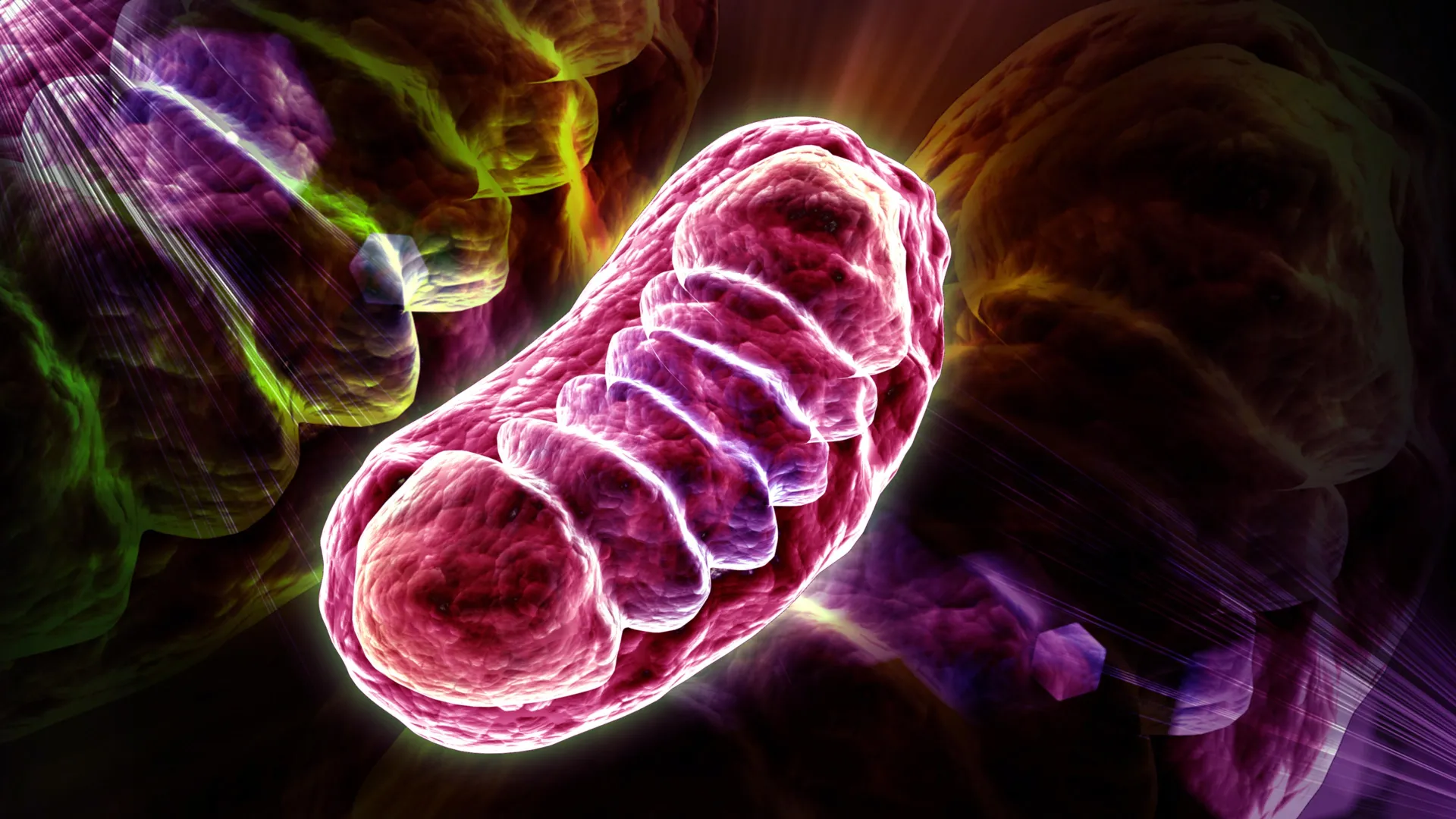
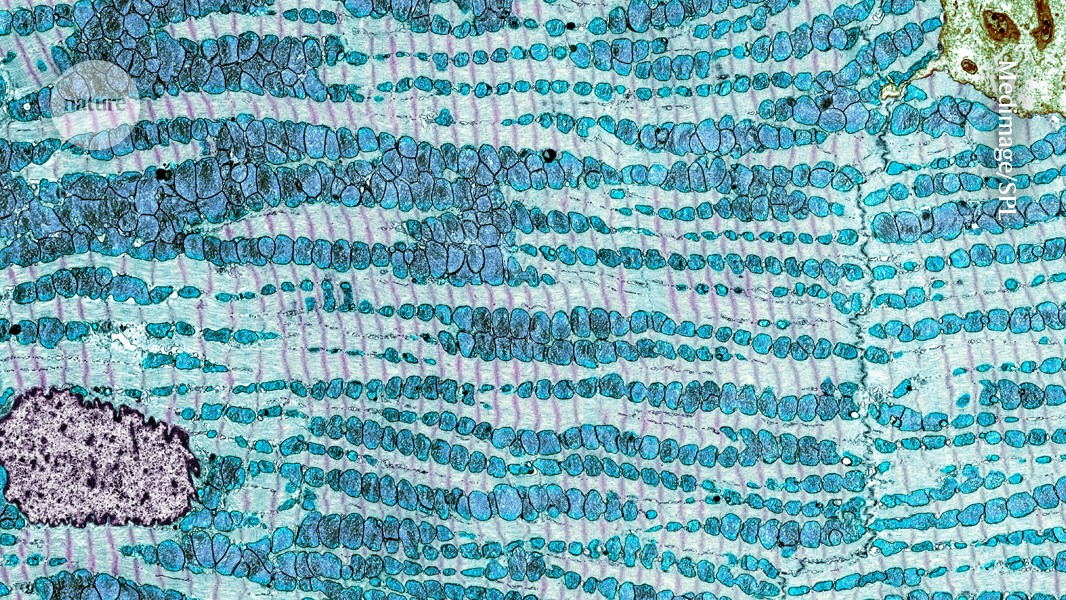
Scientists are exploring a new way to treat chronic nerve pain by focusing on mitochondria, the energy-producing parts of cells. Researchers from Duke University School of Medicine found that damaged nerves may improve when healthy mitochondria are restored or shared between cells. The study suggests pain may be linked to cellular energy failure, opening possibilities for future treatments that repair rather than mask symptoms.
TL;DRAI
A Duke University Nature study shows boosting mitochondrial transfer to sensory neurons reduces chronic pain by 50% in mice. It repositions neuropathic pain as cellular energy failure, pointing biotech R&D toward repair-based therapies over signal blockers.
556 words~3 min read