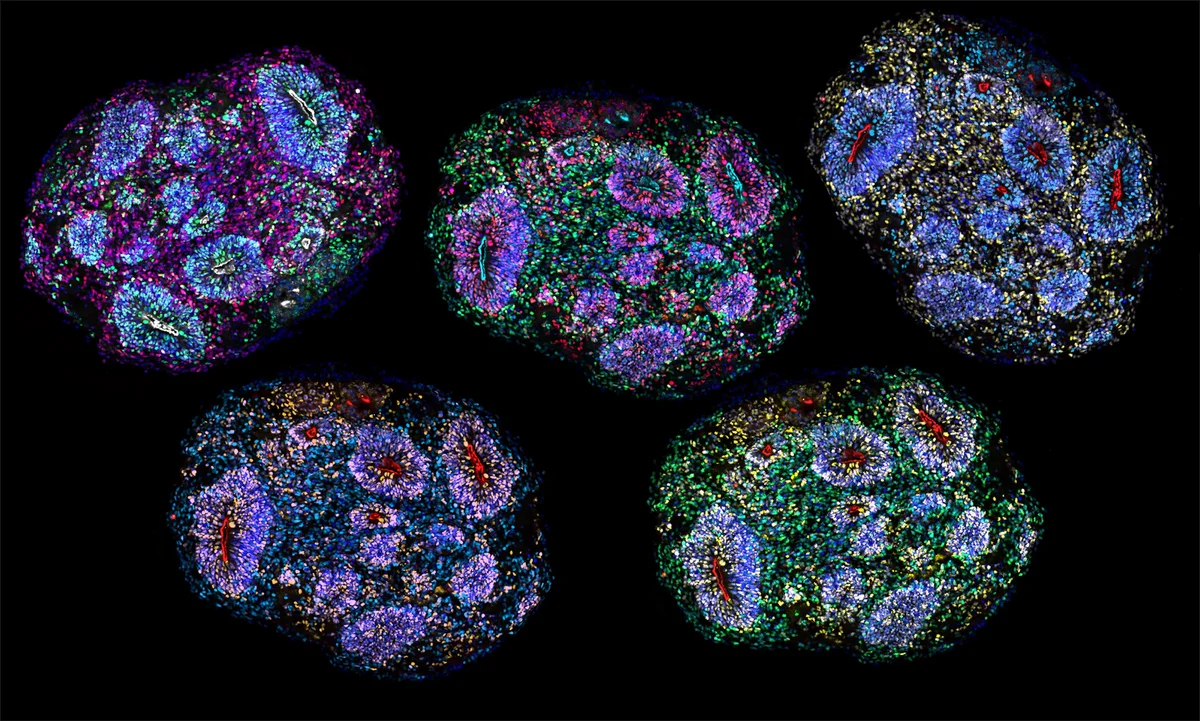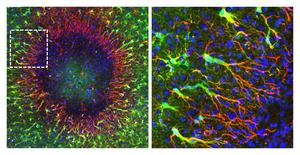
Scientists at the University of Cambridge have created tiny lab-grown brain and spinal cord systems that mimic how movement signals travel through the human nervous system. Using this model, the team discovered that nerve damage once believed to be permanent may actually be reversible under certain conditions.
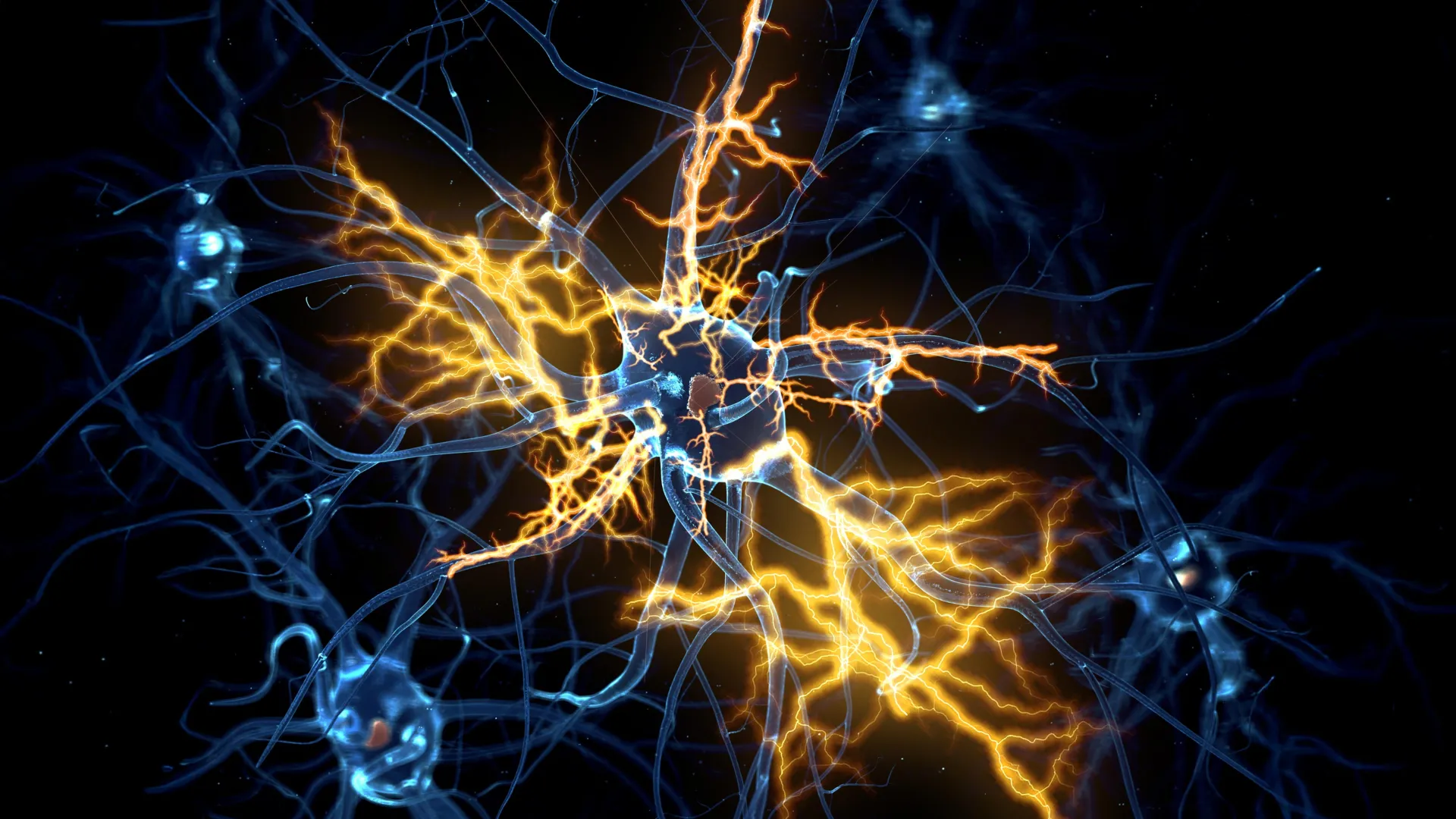
As the human body develops from an embryo into a fetus and eventually an infant, neurons form complex communication networks between the brain and spinal cord. These signals travel through axons, the long nerve fibers that allow neurons to send messages and control muscle movement.
Over time, however, the central nervous system largely loses its ability to regrow damaged axons. As a result, injuries to the brain or spinal cord often become permanent, leading to serious disabilities such as paralysis or loss of movement. This loss of regenerative ability is also linked to neurological diseases including motor neurone disease and multiple sclerosis.
Mini Human Brain and Spinal Cord Models
In 2021, Dr. András Lakatos and his colleagues at the University of Cambridge developed miniature human brain models using stem cells taken from patients. These pea-sized "brain organoids" resembled parts of the cerebral cortex and allowed researchers to study molecular changes linked to motor neurone disease and explore ways to prevent them.