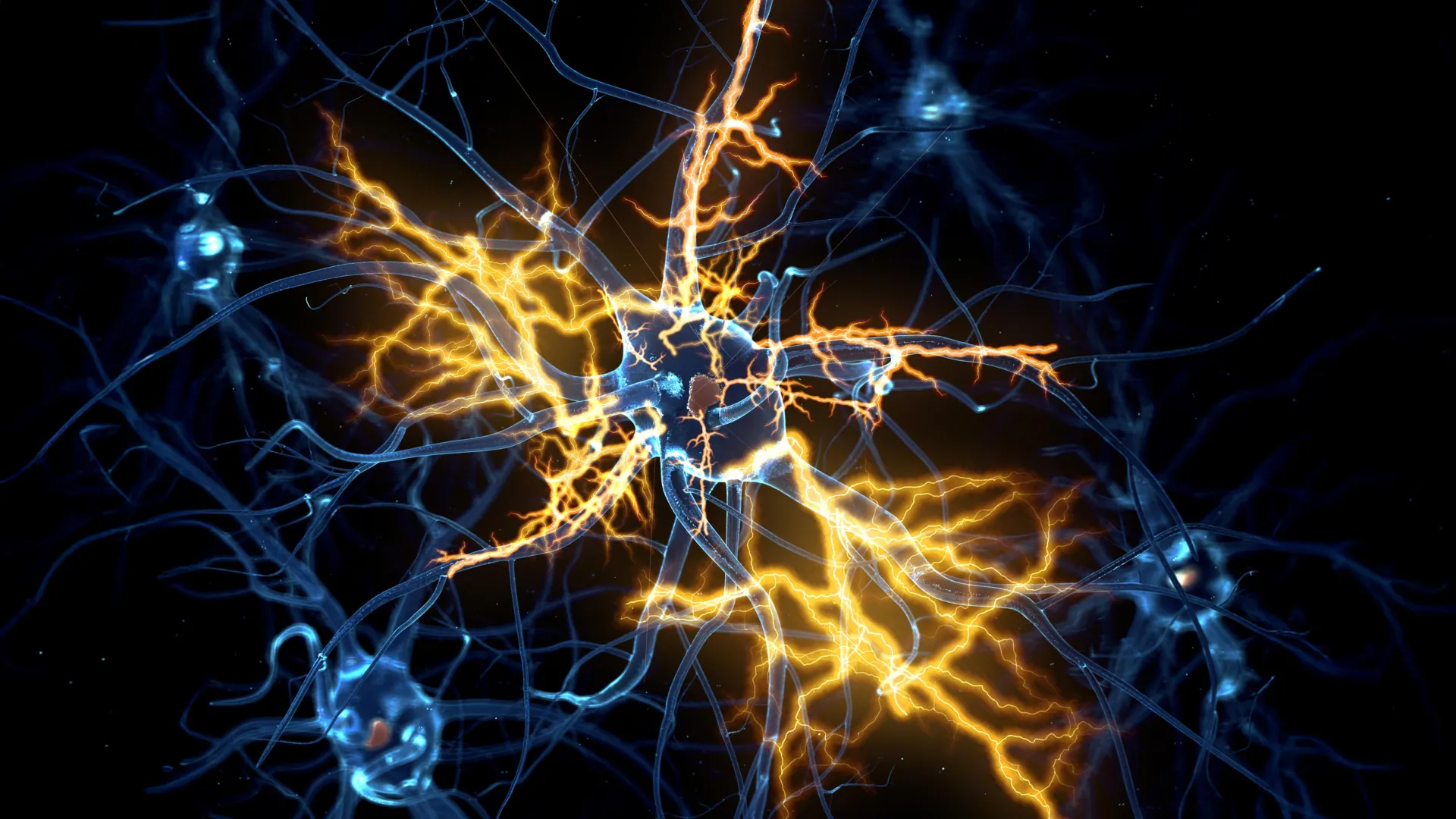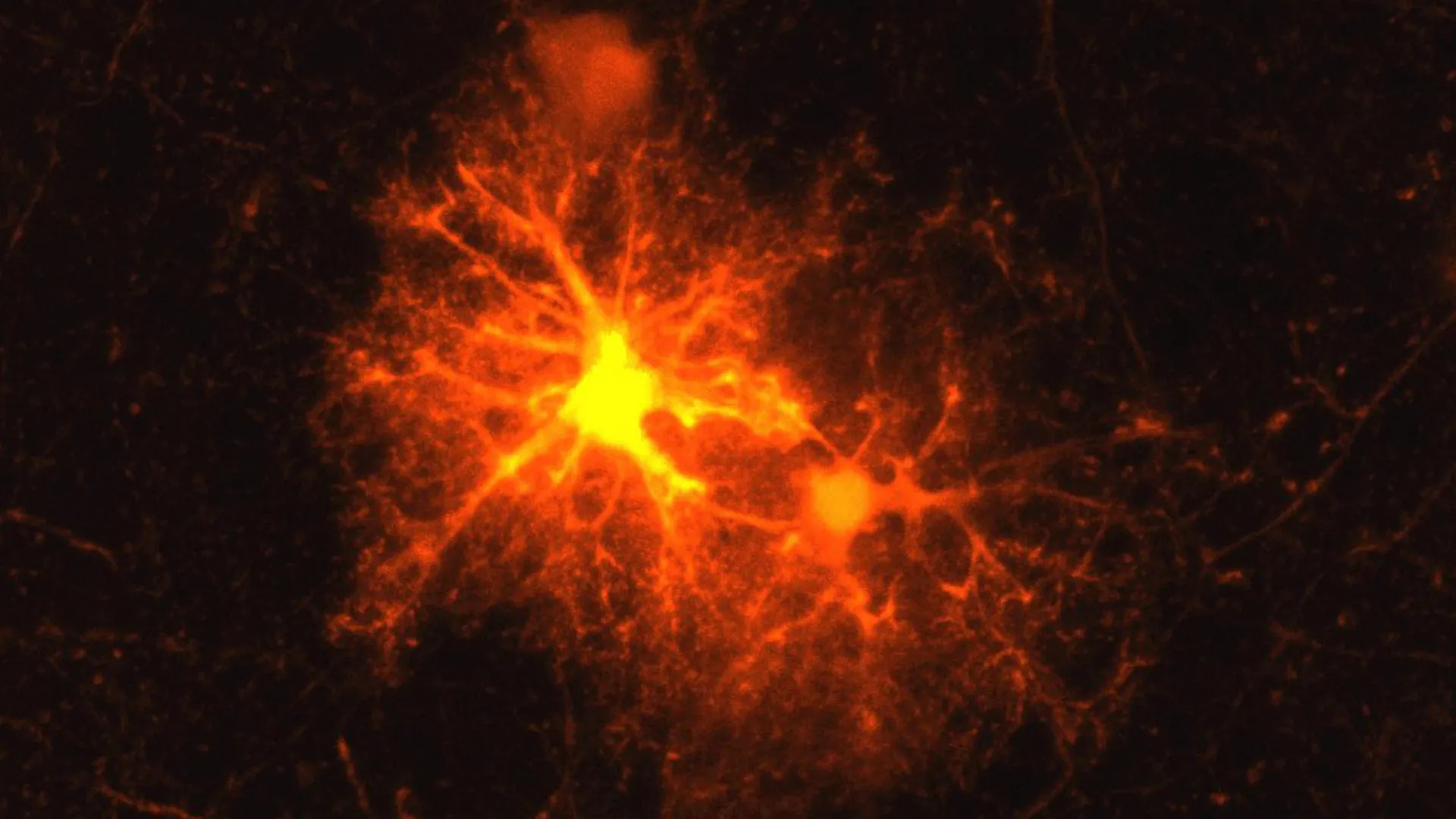
Researchers at the Icahn School of Medicine at Mount Sinai have identified a molecular mechanism that appears to restrict the ability of injured neurons to regrow damaged axons. The findings, published in the journal Nature, suggest that blocking a protein known as the aryl hydrocarbon receptor (AHR) could promote nerve regeneration and improve recovery after damage to peripheral nerves or the spinal cord.
Axons are long extensions of nerve cells, or neurons, that transmit signals throughout both the central and peripheral nervous systems. These fibers are essential for communication between nerve cells. When axons are damaged or severed, recovery depends heavily on whether neurons can rebuild those connections.
Why Damaged Nerves Struggle To Regrow
In adult mammals, however, neurons have only a limited capacity to regenerate their axons. As a result, injuries involving nerves or the spinal cord can cause long-lasting or permanent problems with movement and sensation. Understanding what prevents stronger regrowth has been a major challenge for researchers.
The new research points to AHR as an important regulator of how neurons respond to injury.