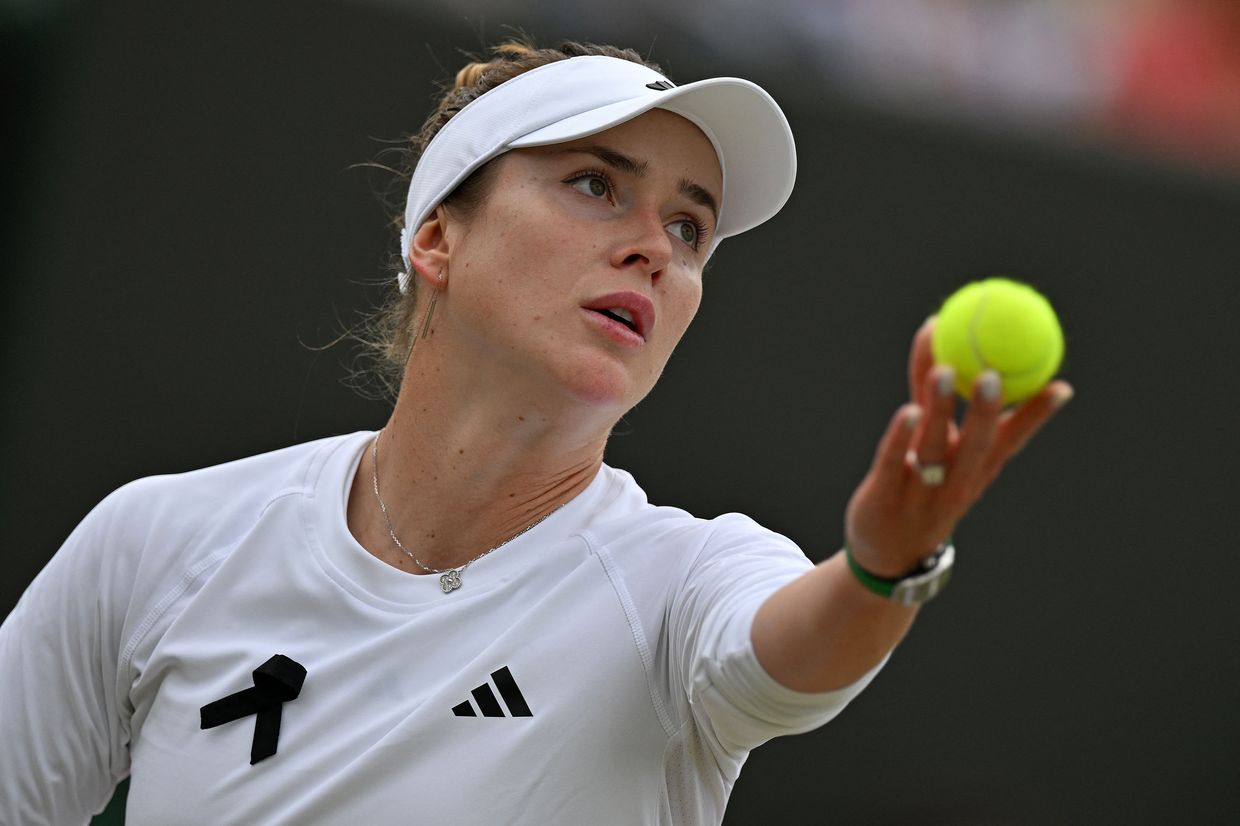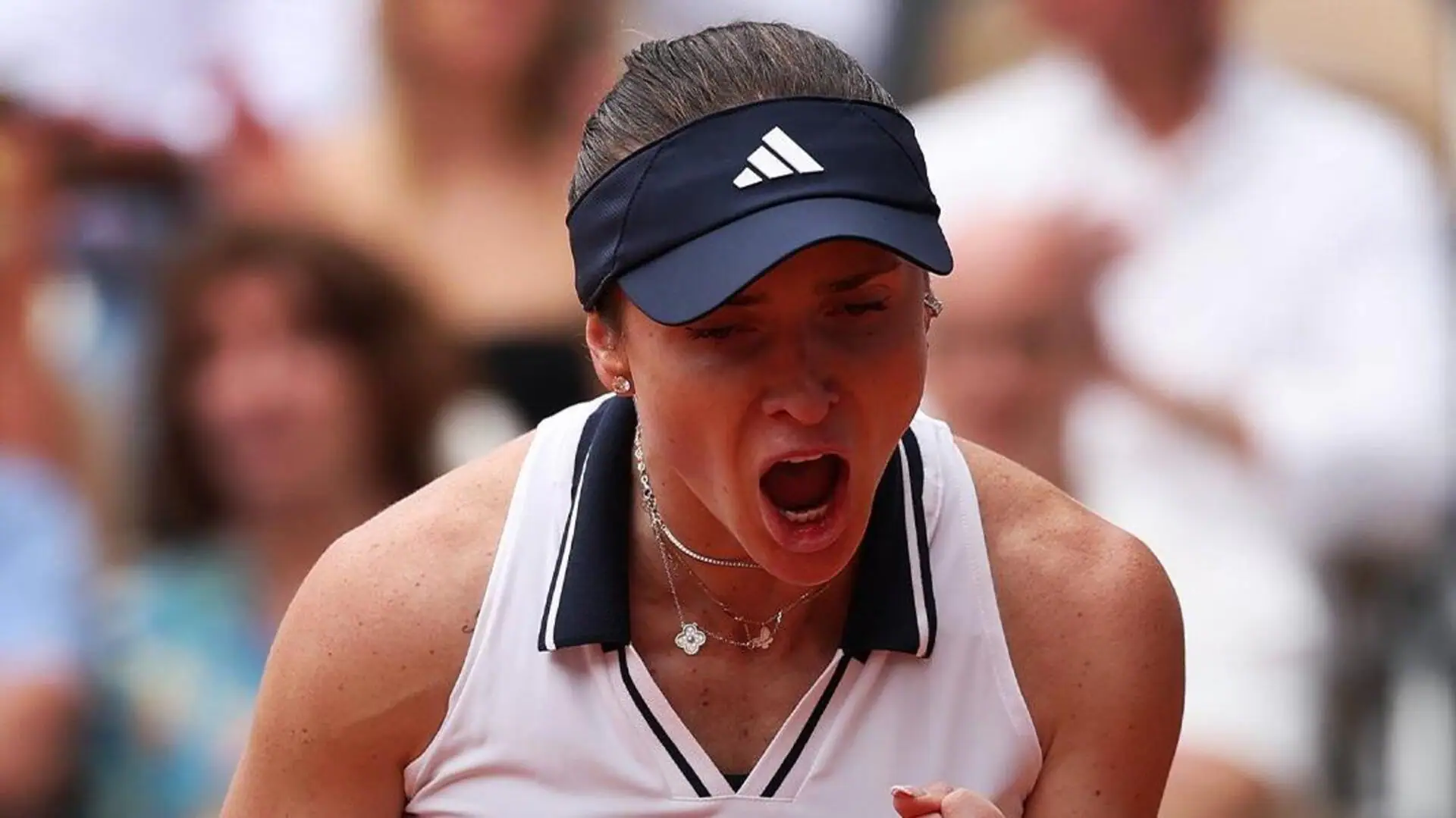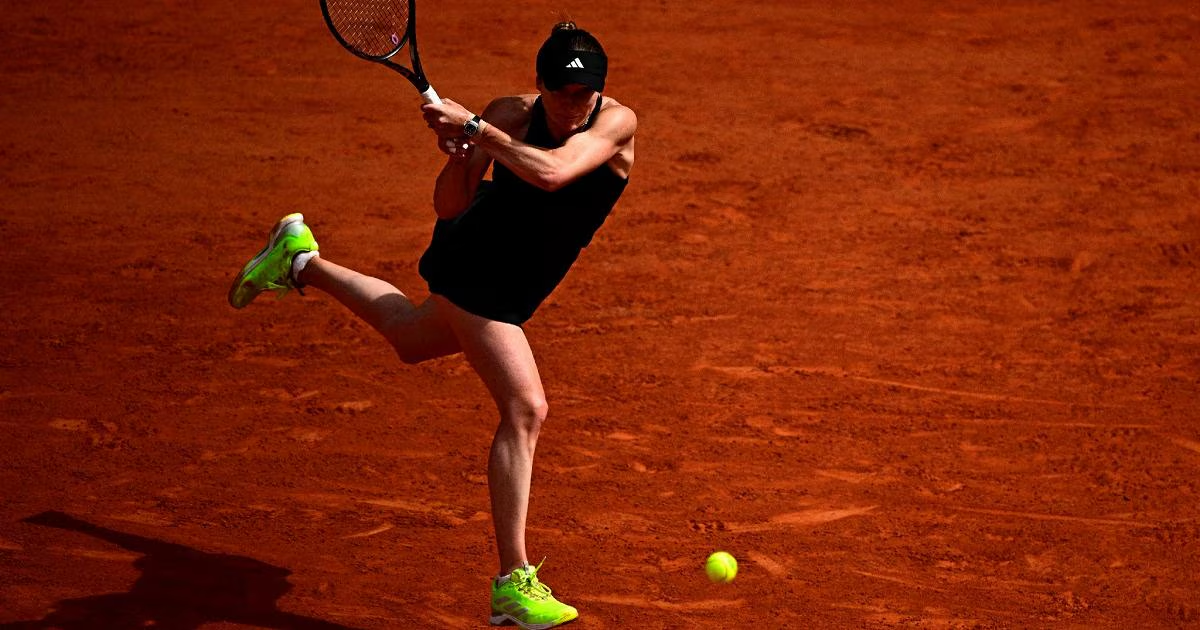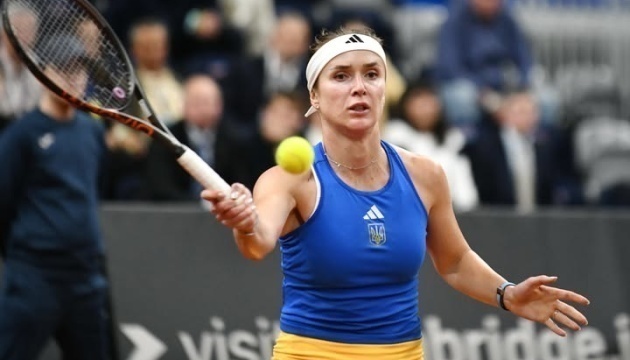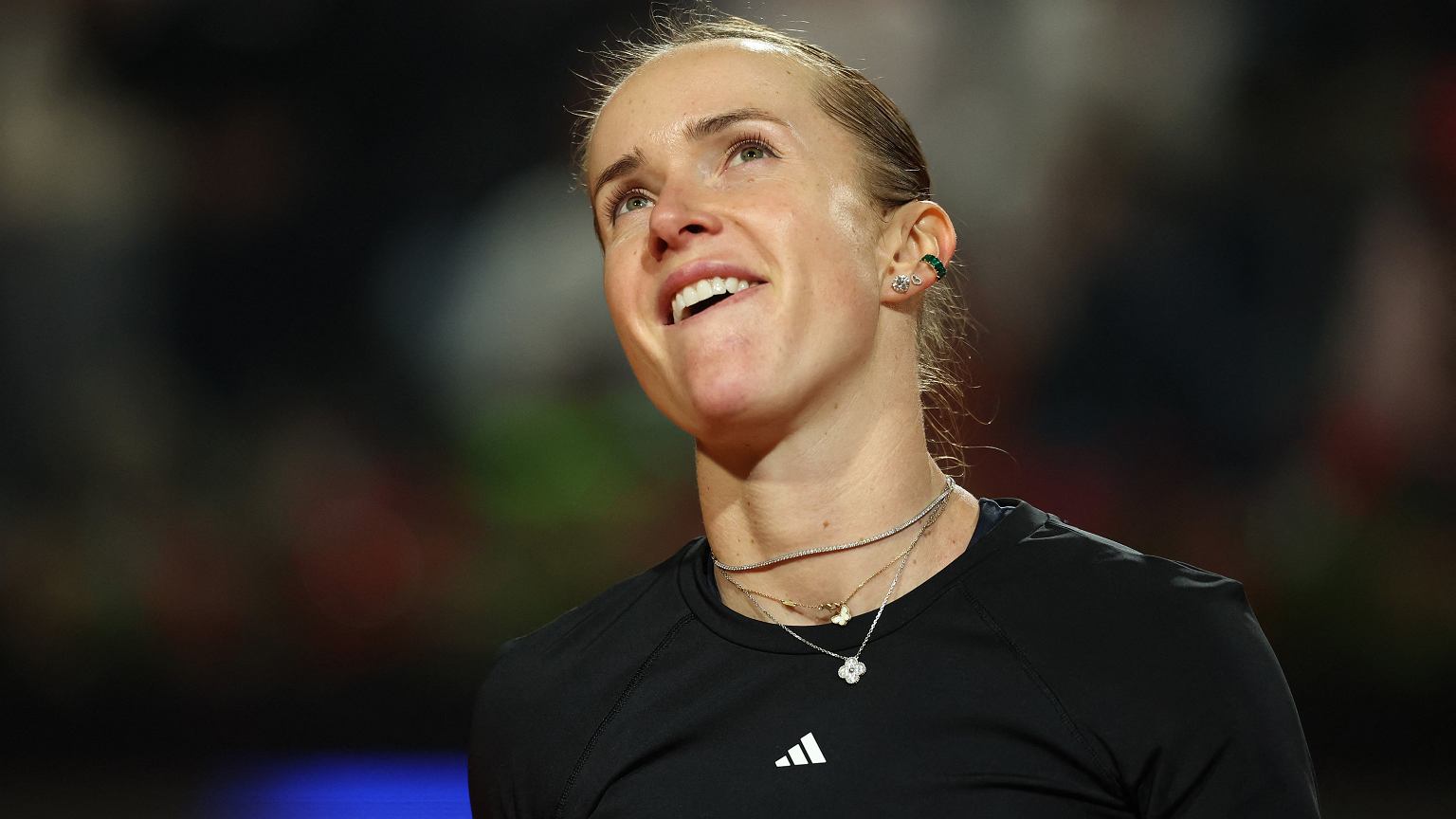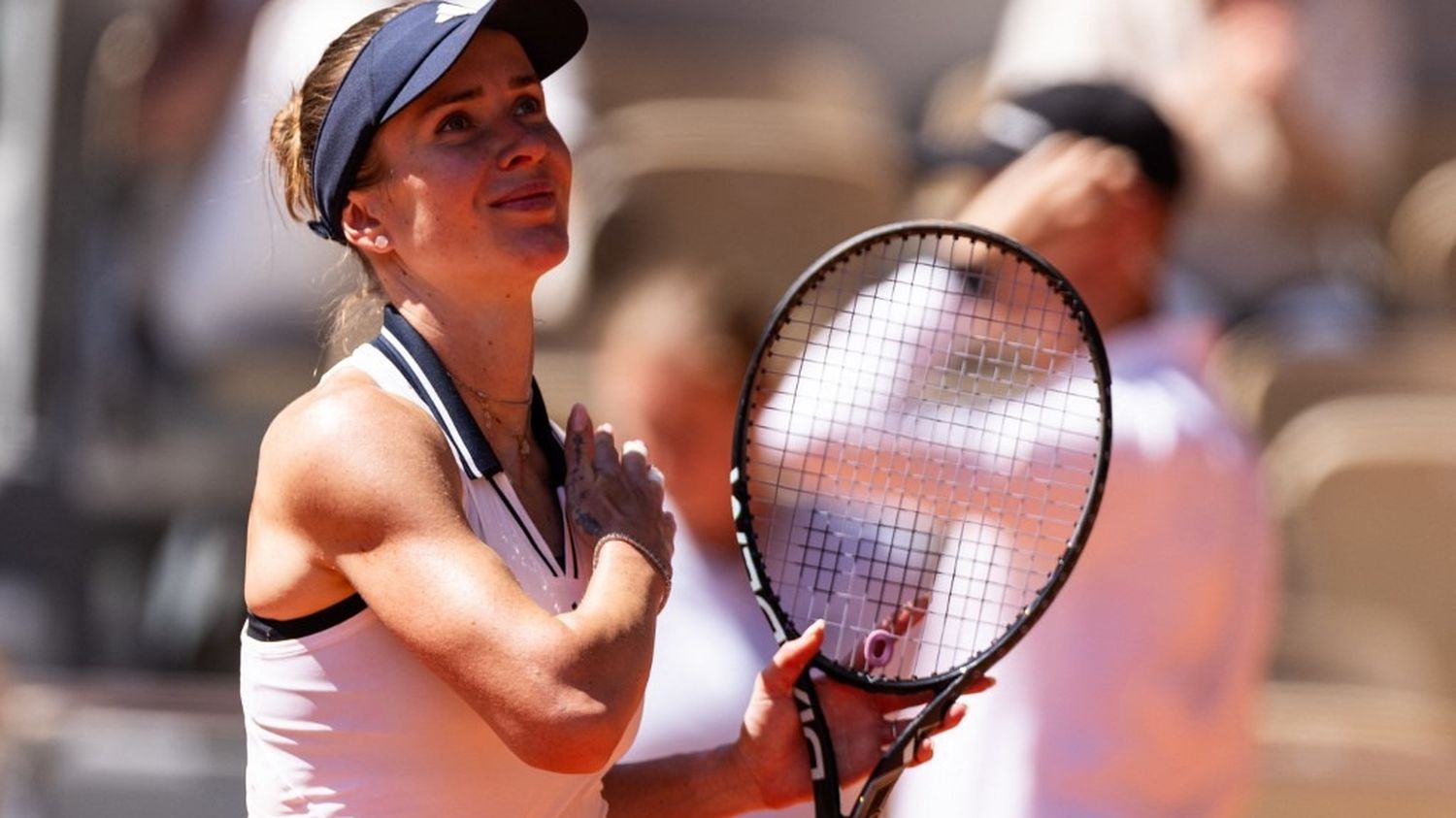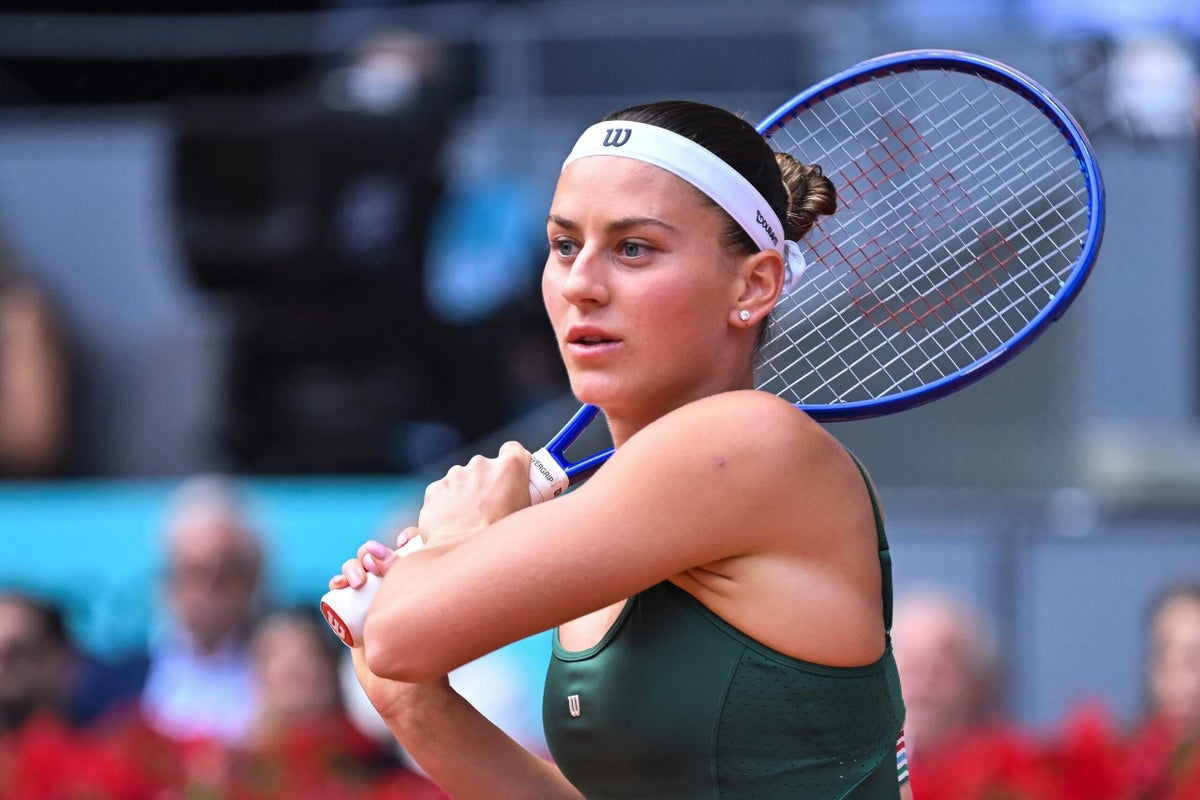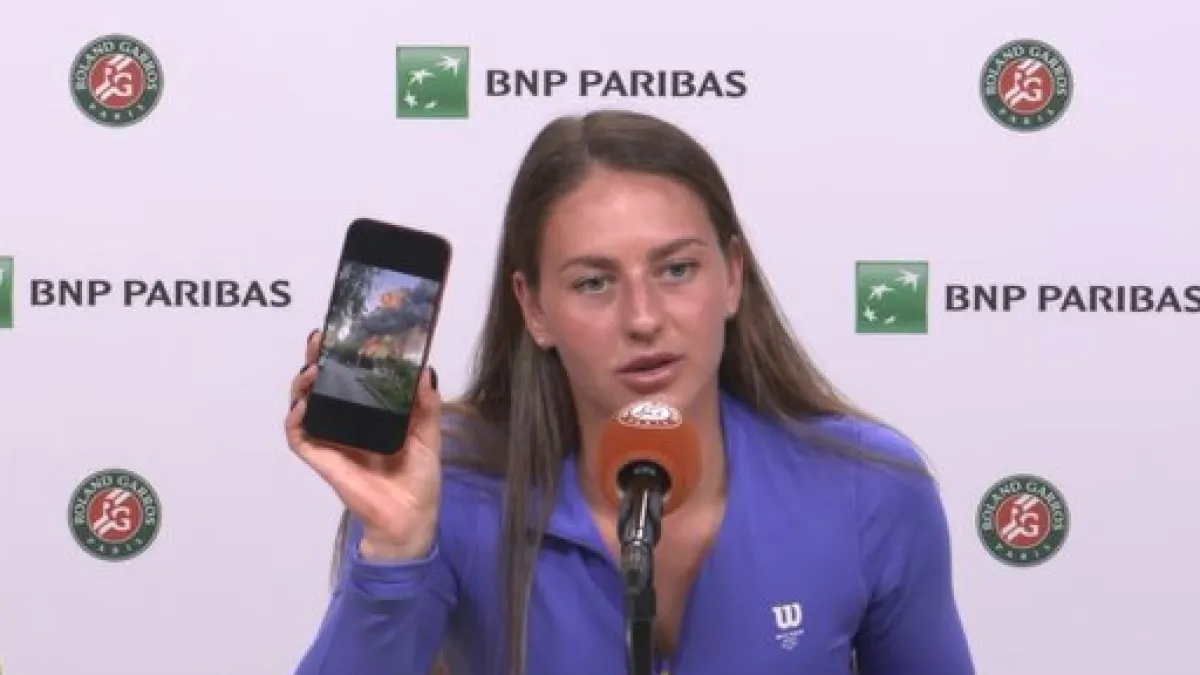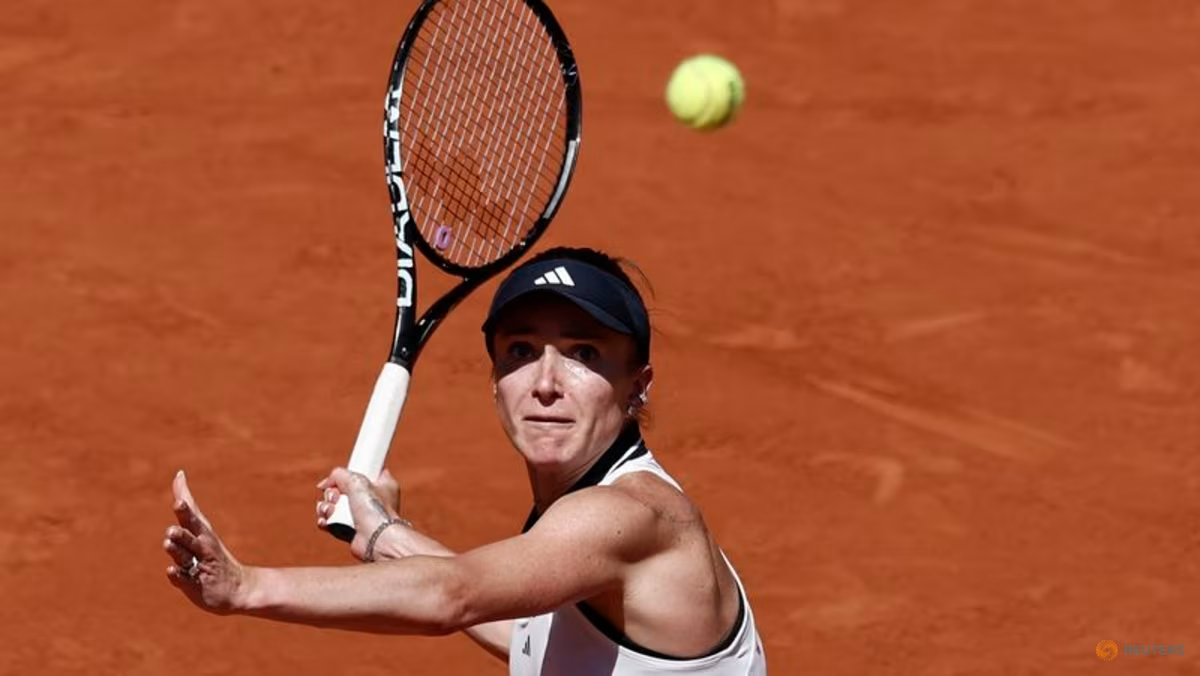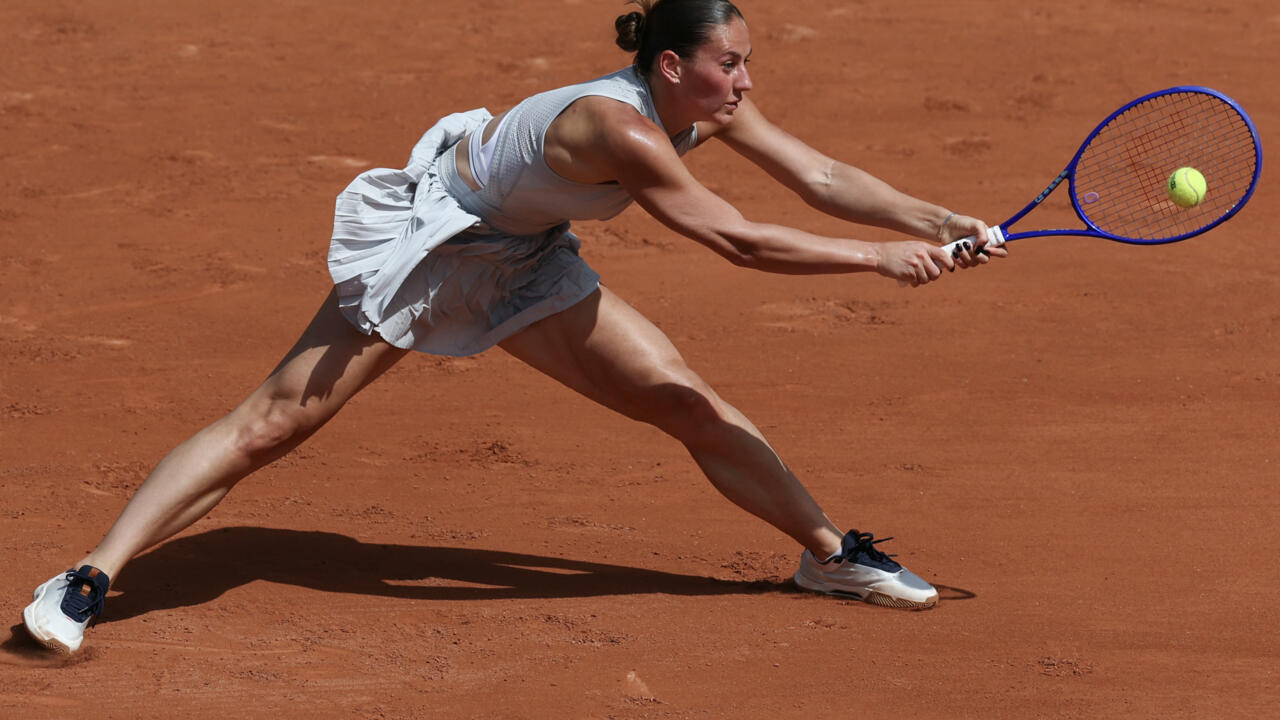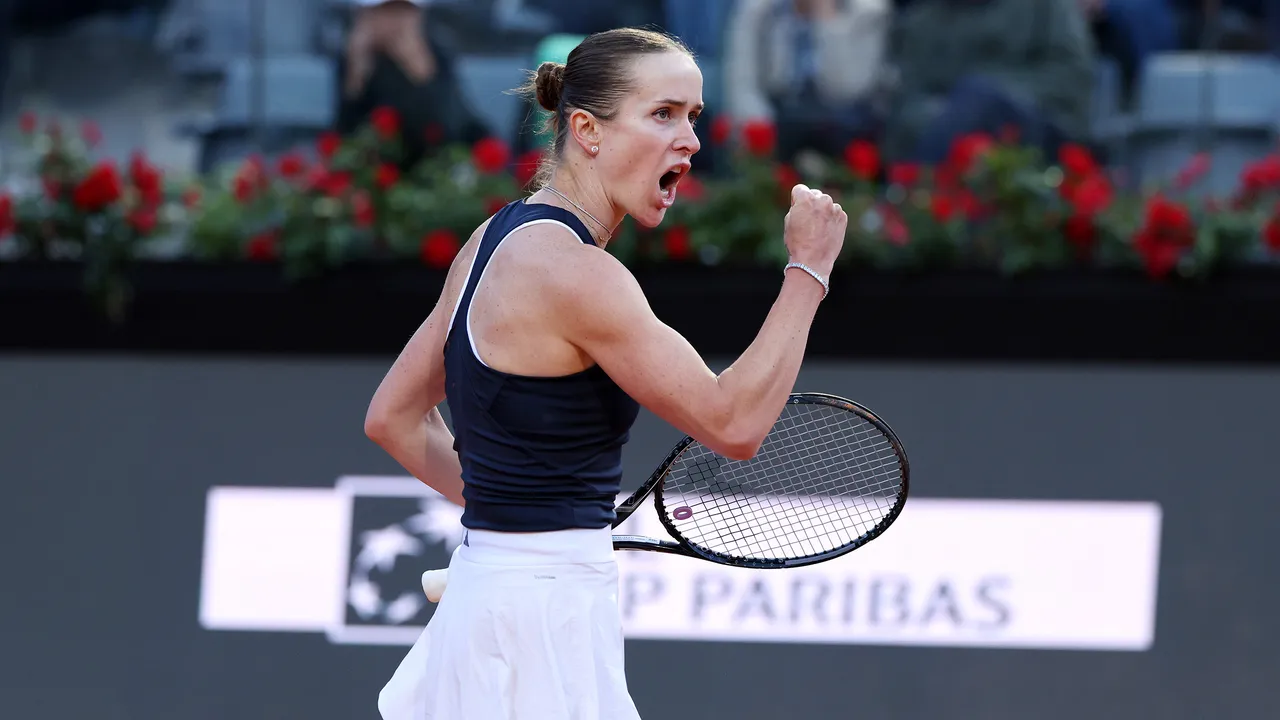
Sometimes it is hard for Elina Svitolina to find the motivation to get on a tennis court. She wakes up and checks the news from Ukraine, and she sees that Odesa, where she was born, has been bombed, or that another swath of Kharkiv—the city where she turned herself into the greatest player Ukraine has ever produced, and which is just miles from the Russian front—is in rubble. She thinks about her grandmother, who still lives in Odesa, and worries about the rest of her family and her friends who have been under siege for four years. So Svitolina takes inspiration where she can: in the idea that her grandmother will be following her match that night, or in the awareness that she represents her country and that Ukrainians need something to cheer for. Sometimes she reaches for something closer. She FaceTimes with her three-year-old daughter, Skaï, who stays back home in Switzerland, where she attends preschool, and Skaï tells her to “win against the lady.” She looks forward to calling Skaï the next morning and saying that she did it, she won.Lately, she has been beating a lot of the ladies. In early May, she won a tournament in Rome, beating three of the top four women—Elena Rybakina, Iga Świątek, and Coco Gauff, all former Grand Slam winners—along the way. Now ranked No. 7 in the world, she has defeated all the players ranked above her at least once. And she’s a contender to win the French Open, which begins today. But she told me that she was not thinking about the title when we spoke last week, the day before she left for Paris. She was focussed on recovering, physically and mentally, from the exhausting two weeks in Rome, which had required her maximum effort. Then, as the adrenaline began to kick in, she would focus on her first match, which, by a cruel quirk of the draw, would be against the Hungarian Anna Bondar, who is something of a nightmare opponent for Svitolina, having beaten her at the U.S. Open last year and again in Madrid only a few weeks ago. If Svitolina does make it past Bondar, she’ll think about the second round, and if she wins that match, then she’ll worry about the match after that, and so on.Every player says some version of this—one match at a time!—but Svitolina says it a little differently. It’s not a matter of protecting herself, psychologically, from the burden of expectations but, rather, of making space for them. Her time is valuable, and she does not want to waste it. Every moment requires her fresh attention.When she was younger—before she married the talented, charismatic French player Gael Monfils, before she left the tour for a time to have a baby, before her homeland was invaded—she was focussed on trophies. She wanted them, and wanted them fast. “Results, results, results,” as she put it to me. And her results were good: she won that title in Rome twice; won the World Tour Finals, which is contested by the top players of the year; and made her way toward the top of the game, peaking at No. 3. But she was another player back then, almost another person, perhaps; a fighter, still, but of a different type. She was a defensive-minded counterpuncher, fast and athletic but something of a grinder. Reliability and consistency were her hallmarks—admirable qualities, but unexciting. A powerful player could blow her off the court.Then she married Monfils, who is famous for his shotmaking and beloved on the tour. Russia invaded Ukraine, and, eight months later, Svitolina and Monfils had Skaï. When she returned to tennis, less than six months after Skaï was born, she seemed galvanized. She had a platform and a purpose—and, strikingly, a new playing style. She had seen that the game had evolved. “It’s more about who takes the earlier opportunities,” she told me. To keep up, and to move ahead, she needed bigger groundstrokes, an attacking forehand. She needed to be more efficient. The shift was partly born out of necessity, she told me. Now thirty-one years old, she still has élite speed, but she knows she can’t run as well as she could when she was twenty. She has to shorten points. “Of course, it’s not always possible to do it in the best possible way, but I’m really trying to force myself to be really brave on some decisions,” she said. “Sometimes it pays off, sometimes it doesn’t.”It is exhausting, of course, this way of being on the court and in the world. Only months after returning to the tour from her maternity leave—a time she spent not only caring for a newborn but travelling to a war zone and raising money for Ukraine’s war effort—she made it to the Wimbledon semifinal. It seemed like a remarkable and uplifting story, the surge of a great player buoyed by extraordinary circumstances. But it turned out to be something else, something less dramatic maybe, but not less remarkable. She had become a better player. Svitolina made it back to the quarterfinals at Wimbledon the next year, and established herself inside the top twenty. Led by Svitolina, there are now seven Ukrainian women in the W.T.A.’s top hundred. (There are no Ukrainian men in the A.T.P.’s top hundred, which is perhaps a reflection of the war’s impact. The three most notable Ukrainians on the men’s side in recent years all joined the army.) One of the rising stars, Marta Kostyuk, won the Madrid Open just before Svitolina’s win in Rome. Both say they refuse to shake the hands of any Russian or Belarusian player who isn’t publicly against the war—including Aryna Sabalenka, the world No. 1, who comes from Belarus. Not everyone is happy about the injection of geopolitics into tennis, but the Ukrainian players consider it inescapable, and they don’t apologize for it.Last fall, burnt out, Svitolina announced that she was taking the rest of the year away from the tour. She went home to Switzerland and immersed herself in her daughter’s world and in her efforts to help Ukraine. The time away from the tour refreshed her. In January, she flew to Auckland, New Zealand, and immediately won a tournament, a tune-up for the Australian Open. In Melbourne, she made the semifinals, where she was beaten by Sabalenka. She made it back into the top ten, and then won in Rome. Other players have had children, come back, and won. Other players have dealt with personal and national tragedies and still thrived on the court. But the transformation of Svitolina’s game, this far into her career, has little precedent. On his podcast, “Served,” Andy Roddick tried to find an analog, and the only one he could think of was Roger Federer, who returned from a knee injury to win the Australian Open, in 2017, with a more aggressive approach—and even that seemed like more of a refinement than a reinvention. Svitolina appeared to be almost a different player altogether.The crowd at Roland Garros will be in her corner. Her husband, Monfils, is playing in his last French Open this year. On Thursday, the tournament celebrated him, bringing out many of the top players and some of his old friends and foes to hit and giggle and say goodbye. When it came time for Monfils to address the crowd, Svitolina sat in the stands and cried.Early last year, Monfils was asked by a reporter about not achieving the dream of winning a Grand Slam. “That’s your dream, I guess, to win a Slam,” Monfils replied. “I’ll tell you my dream. My dream is to have an unbelievable family. Tennis is cool. Of course, you want to have goals, dreams, whatever. But my dream is out there.” When I brought his words up to Svitolina, she demurred a little. “Gael is six, seven years older,” she pointed out. I sensed her dreams weren’t only on the other side of tennis; she is ready for this moment, now. But she has adapted more than her game. “I have a different perspective now on life,” she said. “I adjusted it a little bit. Constant adjustments.” Then, for a moment, at least, she let herself look ahead. “In ten, fifteen years, I think we’ll be very proud that we competed together at these big events and really enjoyed our time and gave it our very best chance at it. Just a beautiful thing to experience.” ♦
The Transformation of Elina Svitolina
Four years ago, her country went to war. Then she became a mother. She returned to tennis a different player.
1,410 words~6 min read