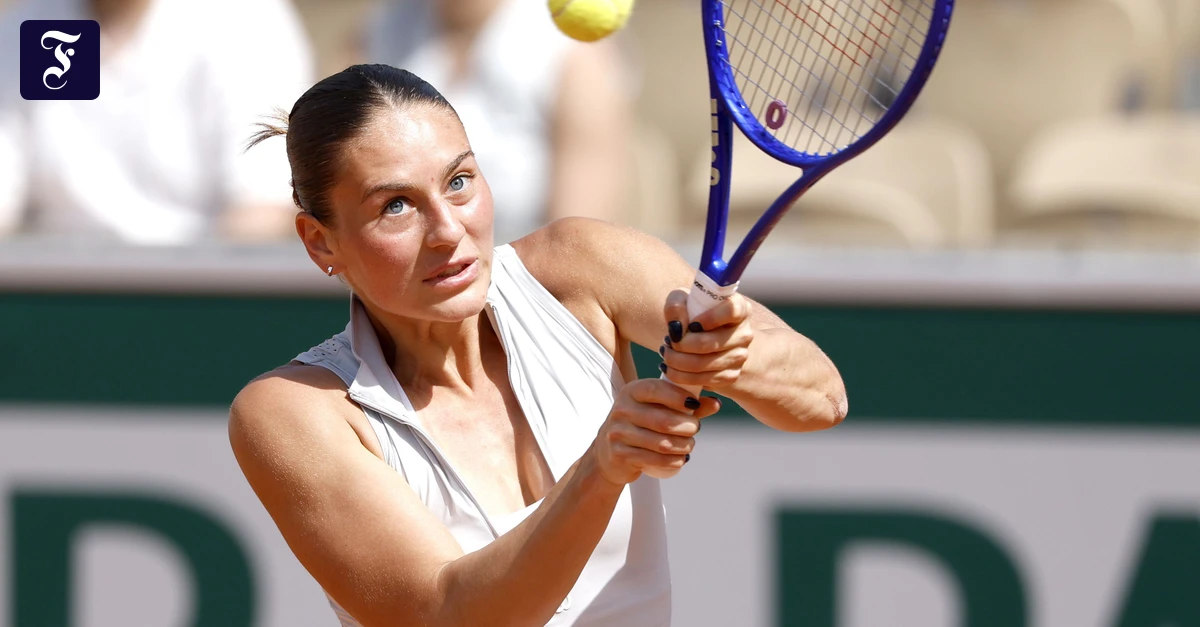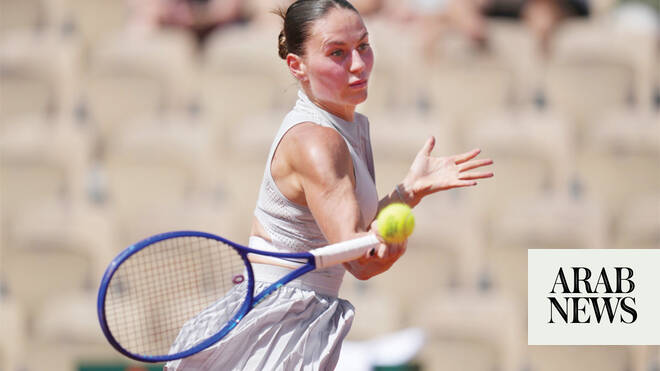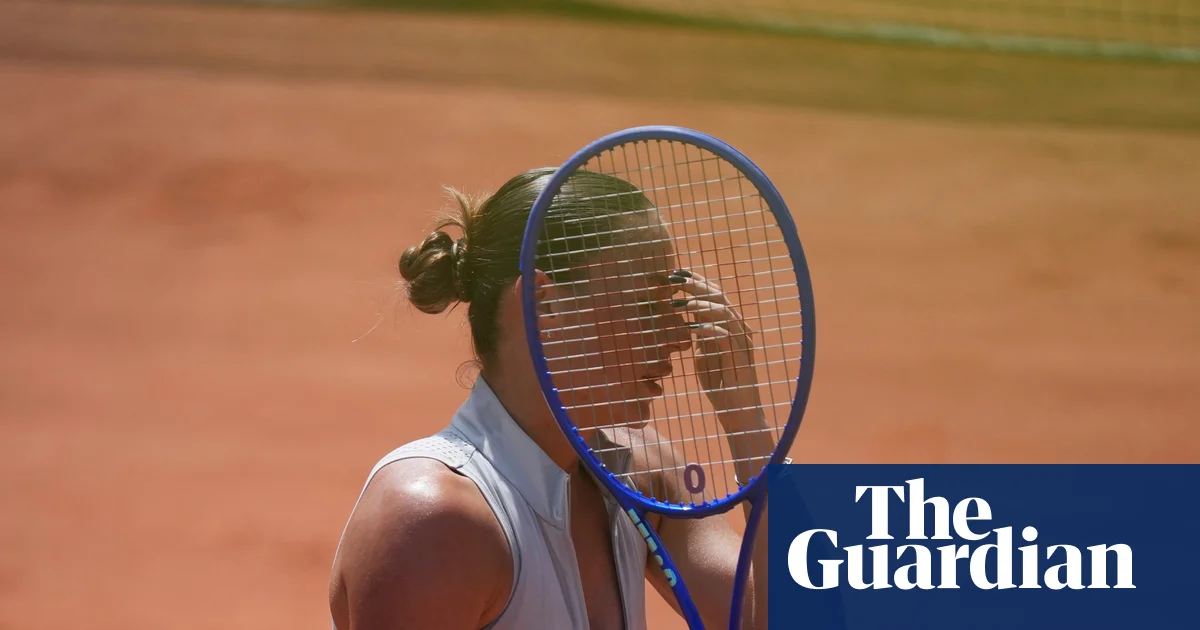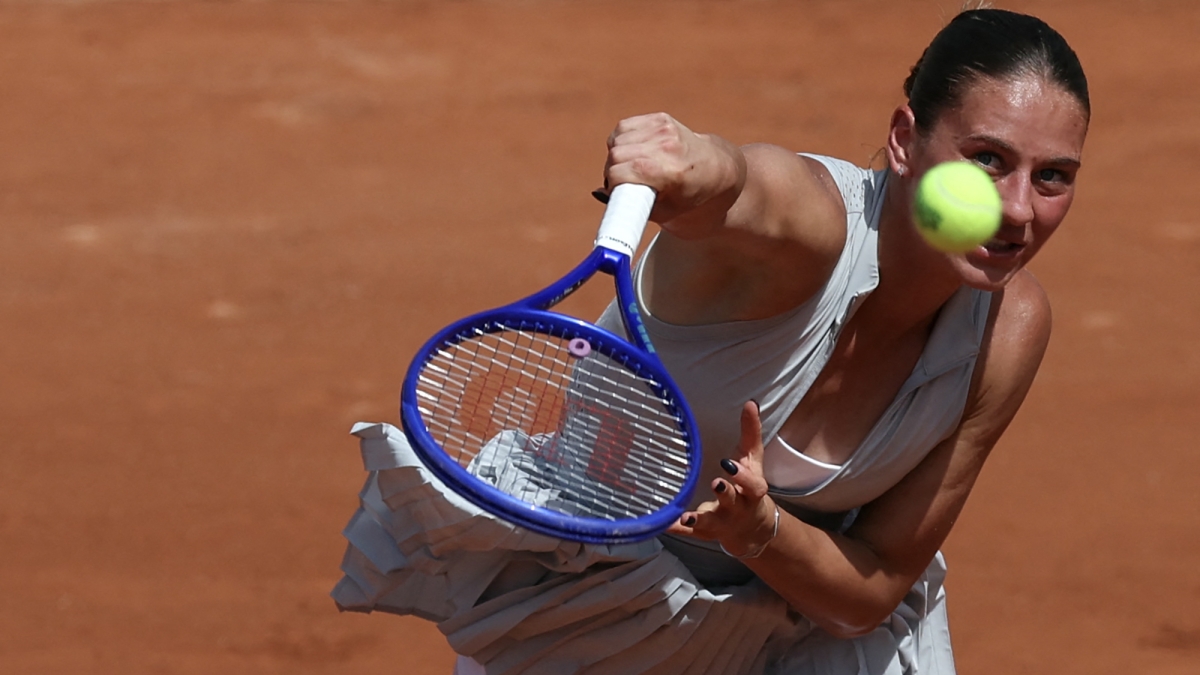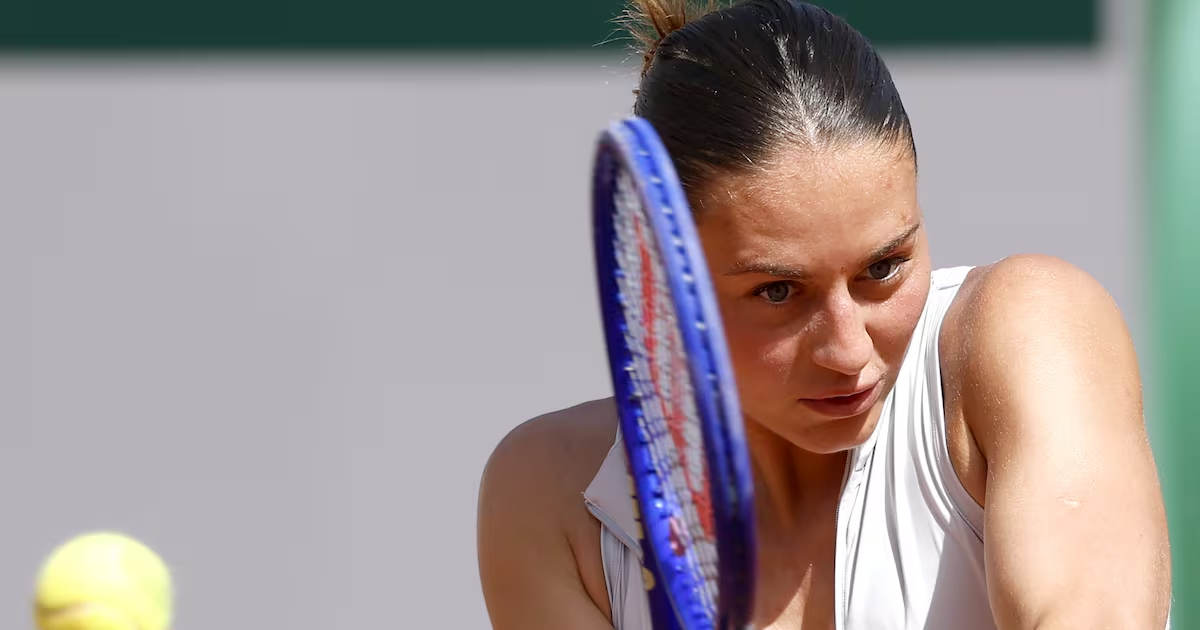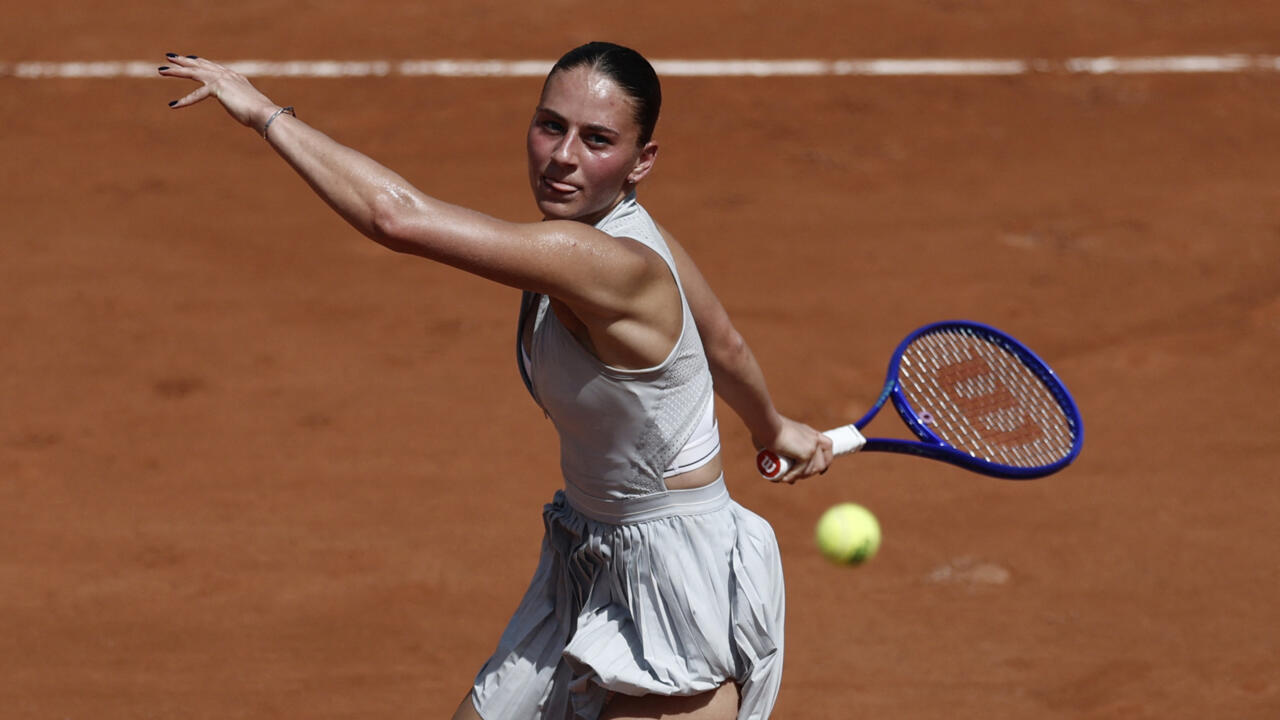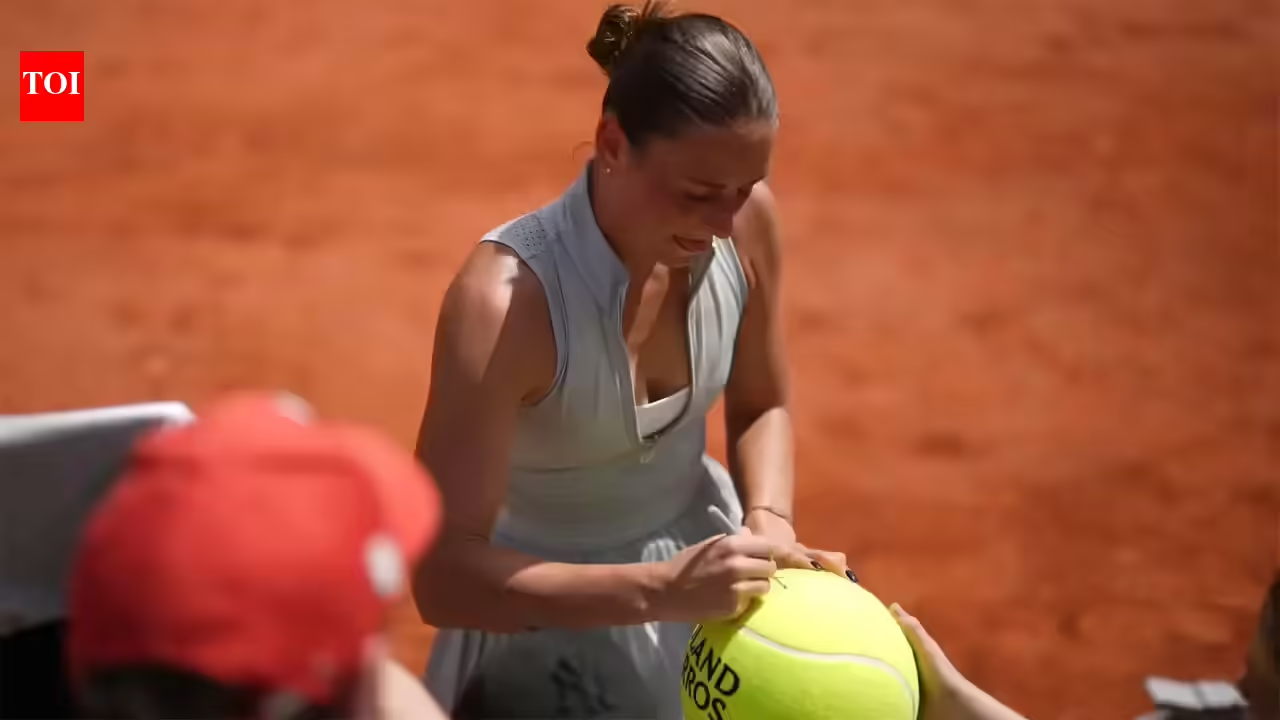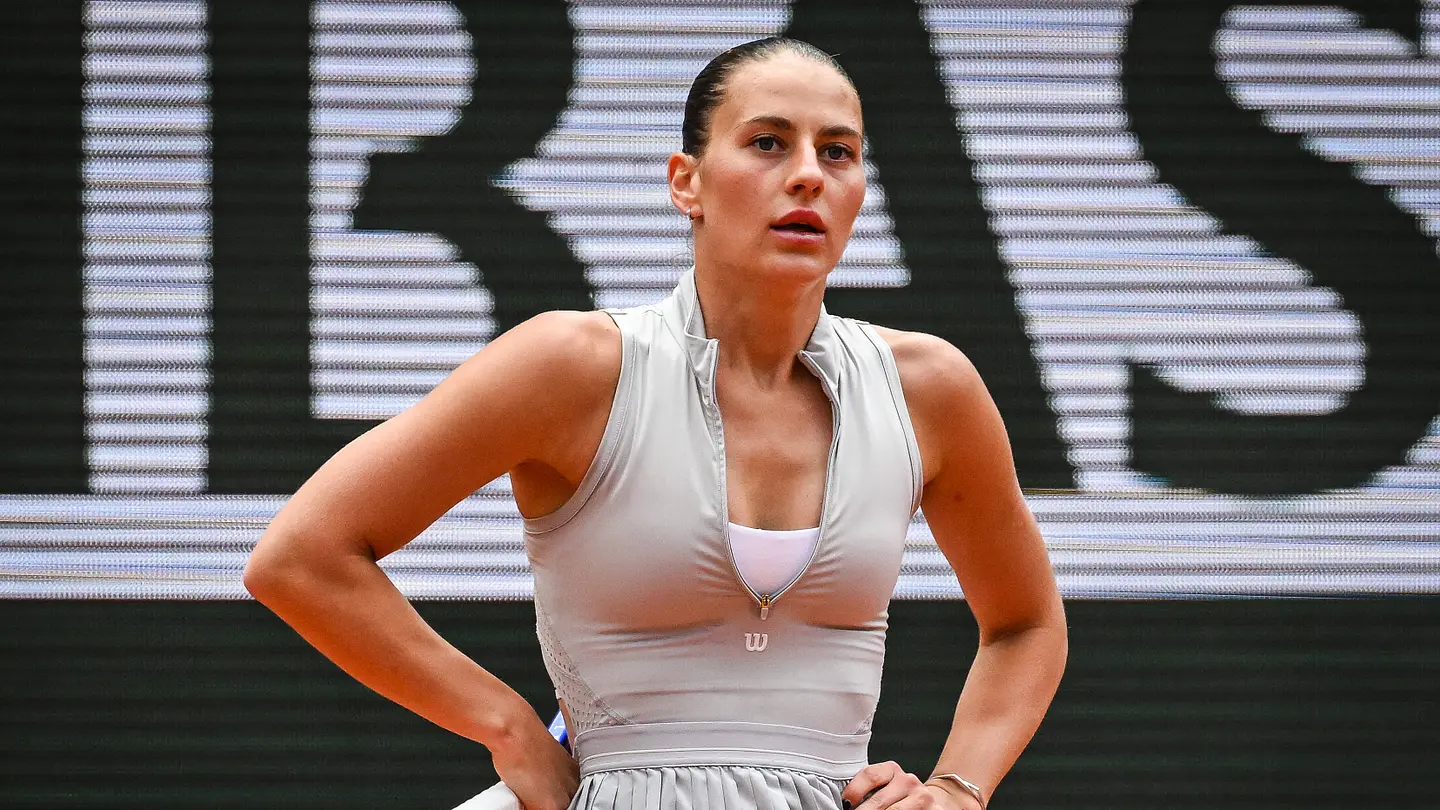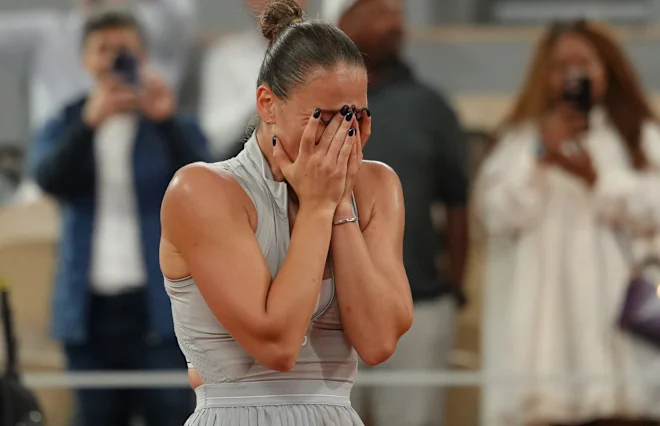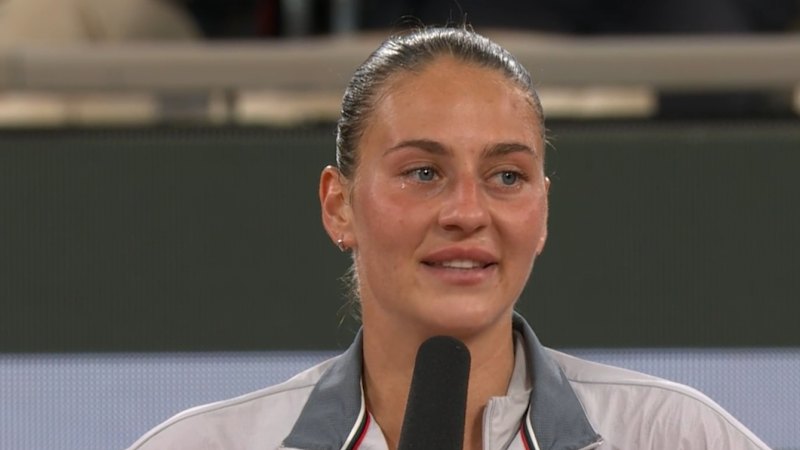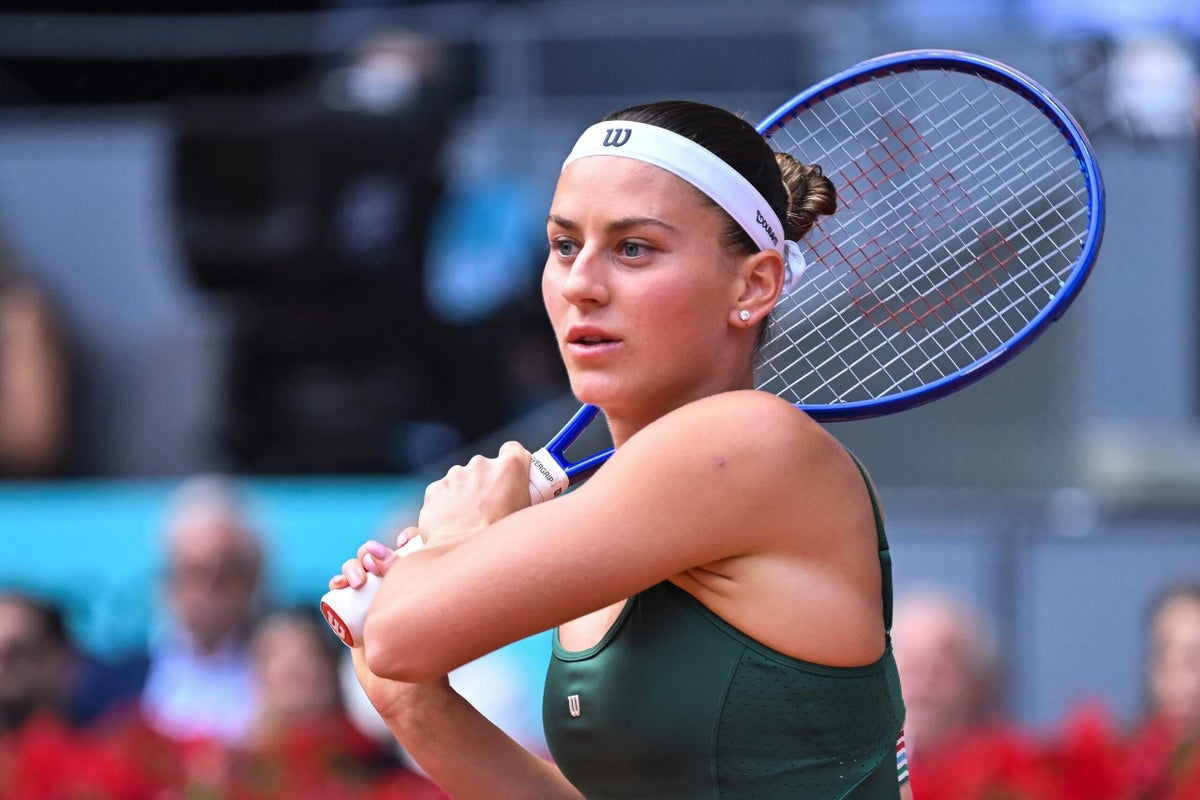
After losing an exhibition match to fellow Ukrainian Elina Svitolina last December in India, Marta Kostyuk had had enough. She told her coach, Sandra Zaniewska, that if she didn’t kick on the following year, Kostyuk would consider quitting tennis.“I kind of hit rock bottom,” Kostyuk, who was ranked No. 26 at the time, said in a video interview from her Monaco home earlier this month. “I told her that it feels like I’m literally shedding my skin. Like it’s coming off, and I have to rip it, and it’s very painful because you hit these very deep, emotional things that are difficult to process.“I remember sitting, and I was like, ‘I don’t know how long I can deal with this because I’ve been dealing with this shedding for the past four years, and it’s like layer by layer, more things come up.’“I felt like I’m coming to the point where I’ve tried everything that there is.”Five months later, Kostyuk, 23, is in a much different place. She has won her past two events, the Rouen Open and the Madrid Open, a WTA 1000 event, which is just below the Grand Slams. In so doing, she trebled her career total of WTA titles, going some way to dispel the notion that she is not mentally tough enough to have the kind of career her talent merits.After skipping the Italian Open because she didn’t want to risk aggravating a leg issue, she arrived at the French Open on an 11-match winning streak as the world No. 15. But the path to this point has not been straightforward. Following that “rock bottom” at the end of 2025, Kostyuk’s difficulties continued into 2026.She lost to Elsa Jacquemot in a seesawing Australian Open first-round match, having gotten to a final-set tiebreak despite tearing a ligament in her left ankle during a match that lasted 3 hours, 31 minutes.After another early loss at the Miami Open in March, Kostyuk had another frank conversation with Zaniewska. Data commissioned from an analytics company suggested that Kostyuk’s performance in 2026 warranted a place in the top 10. Her ranking did not reflect that.“I was like, ‘Yes, Sandra, it’s great — but where are the results? I’m not even close, I’m No. 28. The math is not mathing,’ ” Kostyuk said.After her Madrid Open title, Zaniewska delivered her retort. “See, I told you,” she said with a smile.“Just wait.”For Kostyuk, who caught the tennis world’s attention by reaching the third round of the 2018 Australian Open at 15, the wait has been much longer than a few months. That run followed a successful junior career — she was the defending girls’ singles champion at the same time as her main-draw run — guided by her mother, who had high expectations in every sense.She entered Kostyuk’s height as 5 foot 7 on the tour website. Kostyuk, she said while laughing, is 5-6.After “a lot of chaos growing up,” she struggled to juggle the challenges of teenage life with the demands of being an elite tennis player.“I was very energetic,” she said. “I did 100 things in a day. I was very emotional, very sensitive. I mean, still am, it’s just different. When you’re a child, you process things differently.“I was crazy; I don’t know how else to phrase it.”The struggle to fulfill her potential until this year was “the majority of the time mental,” she said.“I consider myself a pretty athletic player, but it’s still very connected to the mental part. If there are some things that you doubt, or you’re not sure of, it’s not easy to beat that even with physicality.”Marta Kostyuk’s first Grand Slam breakthrough came at the 2018 Australian Open. (Peter Parks / Getty Images)The first turning point in Kostyuk’s career arrived in February 2022, when Russia invaded Ukraine. The start of the war was “a horrendous time,” she said.“Every day felt like an eternity because of all the news and everything that we had to do publicly and speak (about). The part with the tour, it was very complicated and very frustrating, so that would take up a lot of energy.”After the Sunshine Double of the BNP Paribas Open in Indian Wells, Calif., and the Miami Open, Kostyuk returned home feeling drained. She said she had “suicidal thoughts” that were “really difficult for me to control.” In the ensuing four years, the war has remained a constant preoccupation, a low hum punctuated by sharp shocks.Kostyuk’s mother and sister came to live near her in Monaco when it first started, but they moved back to Ukraine after struggling to settle.“A lot of people don’t understand that when you move to a different country, you need to find your place there, and it’s a very, very difficult journey to pretty much insert yourself into a new environment, new language, new people, new culture,” Kostyuk said.With most of her family and friends in Ukraine, including her 74-year-old father, Kostyuk returns to visit a couple of times a year, on a drive from Poland that can take between 10 and 17 hours. Kostyuk last visited in April, and while there have been no major attacks when she has been at home, she has practiced amid air raids, with drones and explosions audible in the distance.“You live day by day,” she said. “You don’t know what’s going to happen. It’s not stable, ever. Some days are fine, some days they’re worse. Sometimes something triggers me really bad.”Ukrainians and Russians compete against each other in tennis more often than in any other individual sport, and the post-match handshake can expose these tensions. Ukrainian players stopped shaking hands with their Russian counterparts after the invasion, a policy that Kostyuk and her compatriots extend to players who’ve changed nationalities but not denounced the war.Kostyuk said that after Vladimir Putin’s invasion, she initially found it “very emotional” facing Russian players.“Especially when you knew … we know a lot of inside information within the tour, what someone thinks, what someone said, what’s someone’s opinion. So against some players, it was even more difficult to play,” she said.This was the backdrop for the biggest win of Kostyuk’s career, the Madrid Open final earlier this month against Russia’s Mirra Andreeva, the world No. 8.Marta Kostyuk won the biggest title of her career on clay at April’s Madrid Open. (Franck Fife / AFP via Getty Images)Everyone knew Kostyuk and Andreeva would not shake hands at the end of their meeting in Madrid, but a final creates other complications. The trophy ceremony and post-match speeches can also be fraught, and Kostyuk said her husband hoped Andreeva would lose to Hayley Baptiste in the semifinals because he wanted to “have a really nice ceremony, really good vibes.”After her title win, Kostyuk did not mention Andreeva in her victory speech.“Whether I win or I lose, I never had a problem acknowledging my opponent,” Kostyuk said of the incident. “But in that moment when I’m on the stage, and I give a speech, I want to be compassionate with people in Ukraine, who are almost daily being bombarded by Russia and Belarus.“People are dying, people are suffering. It’s a terrible, terrible situation, and in that moment, my heart is with these people, so I just cannot.”Tennis authorities have yet to align with the International Olympic Committee’s recommendation that Belarusian athletes play under their flags.There are seven Ukrainian players in the top 100, and following Svitolina’s Italian Open win earlier this month, they have won the last two big WTA events. Kostyuk said that when Oleksandra Oliynykova claimed the WTA had threatened her with disqualification and fines over her comments about Russian and Belarusian players, she got in touch to check on Oliynykova’s well-being.For the next couple of weeks, Kostyuk will try to focus on the French Open — a tournament where she has won just one match in four visits since reaching the fourth round in 2021. A potentially make-or-break year for her has so far been much the former, and Kostyuk credits that to what she did during the most difficult parts of 2022.“I came to my mom, and I said, ‘Listen, I really need to find a therapist because I’m just not handling it anymore,’ ” Kostyuk said.“I made the decision in just a matter of days. I was like, ‘OK, this is not good, I need to deal with this, and that’s it.’“I don’t think it’s possible to change without being conscious about it. It definitely took me a lot of years to generally change my perspective on life and on tennis and on myself. I think a lot of performers struggle with this, that you cannot separate your identity from your results. So whenever you play badly, you think you’re a terrible person, you are not worth anything. I was one of these people for sure. And that was really just difficult to live like this because … I mean, we lose every single week.”Kostyuk’s perspective mirrors that of Madison Keys, the American player who was similarly tipped for great things as a youngster.When she eventually won her first Grand Slam at the Australian Open last year at 29, she explained that starting therapy and being able to separate results from self-worth had led to a fundamental shift in her freedom on and off the court.Kostyuk said many other avenues, including her coach, Zaniewska, as well as her Christian faith, have helped her reframe her outwardly emotional character on and off the court as something positive rather than negative.“Even if I go through some difficult moments, some negative emotions, I realize how colourful my life is,” she said.“The spectrum of all the emotions I experience in different situations … It’s a very fun way to live. If you have no control over it, it’s very difficult, and I’ve lived like this my whole life up until a certain point.“That is not fun. That is very, very draining and very difficult. I think not just for me, but for everyone around me as well. But if you work through it, it’s great to be like this.”
Marta Kostyuk was out of tennis patience. She found it in her hardest moments
Kostyuk's work to separate her self-worth from her results has led to the flourishing of a player whose talent was never in doubt.
1,676 words~8 min read