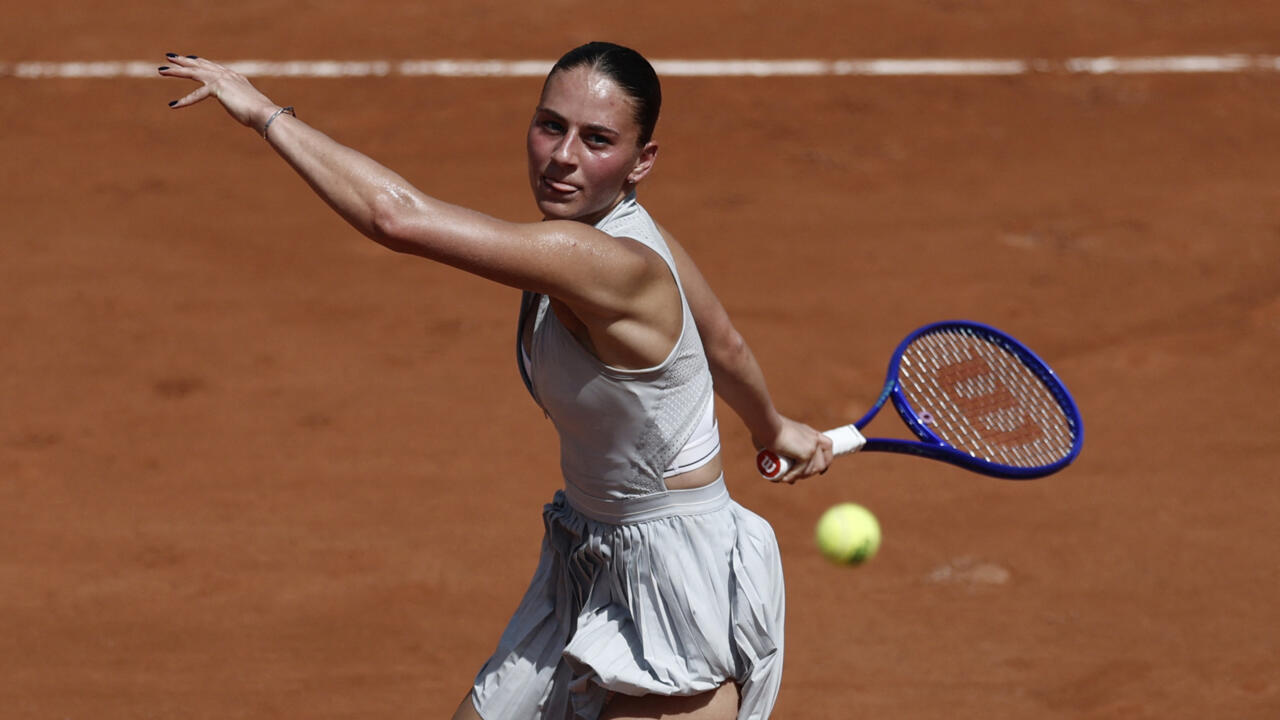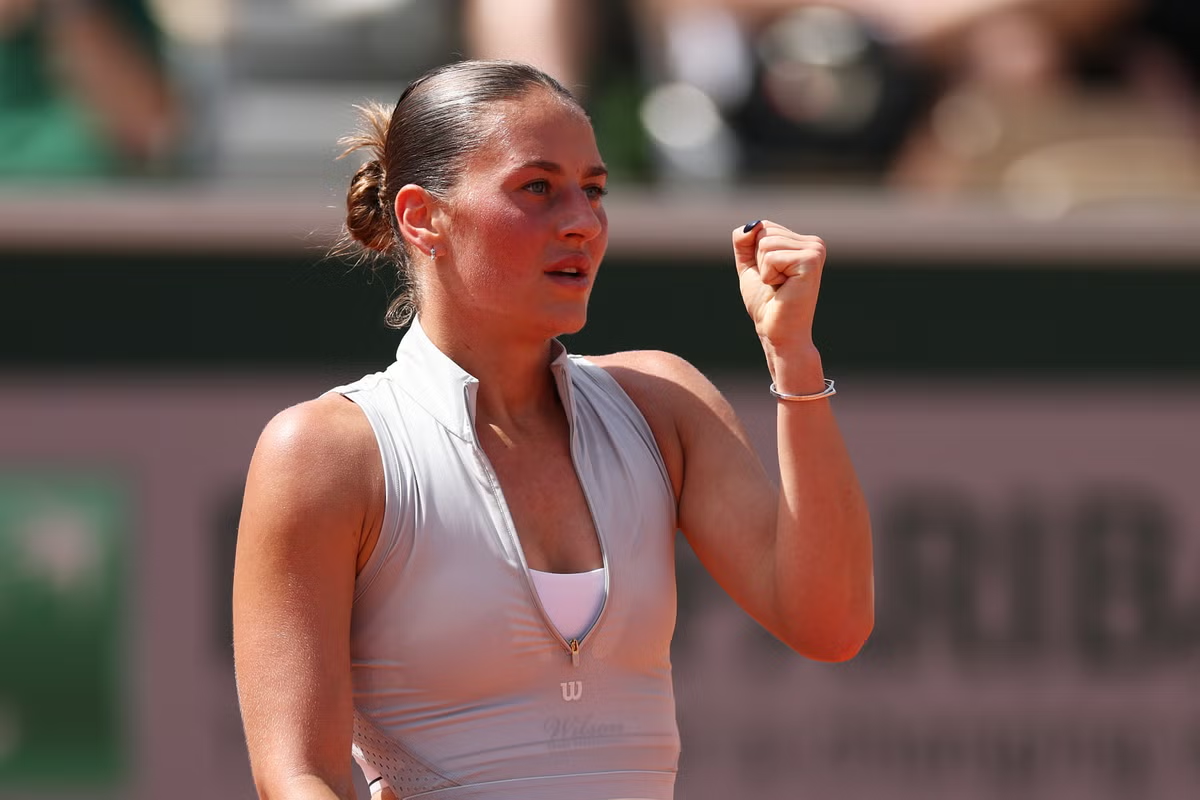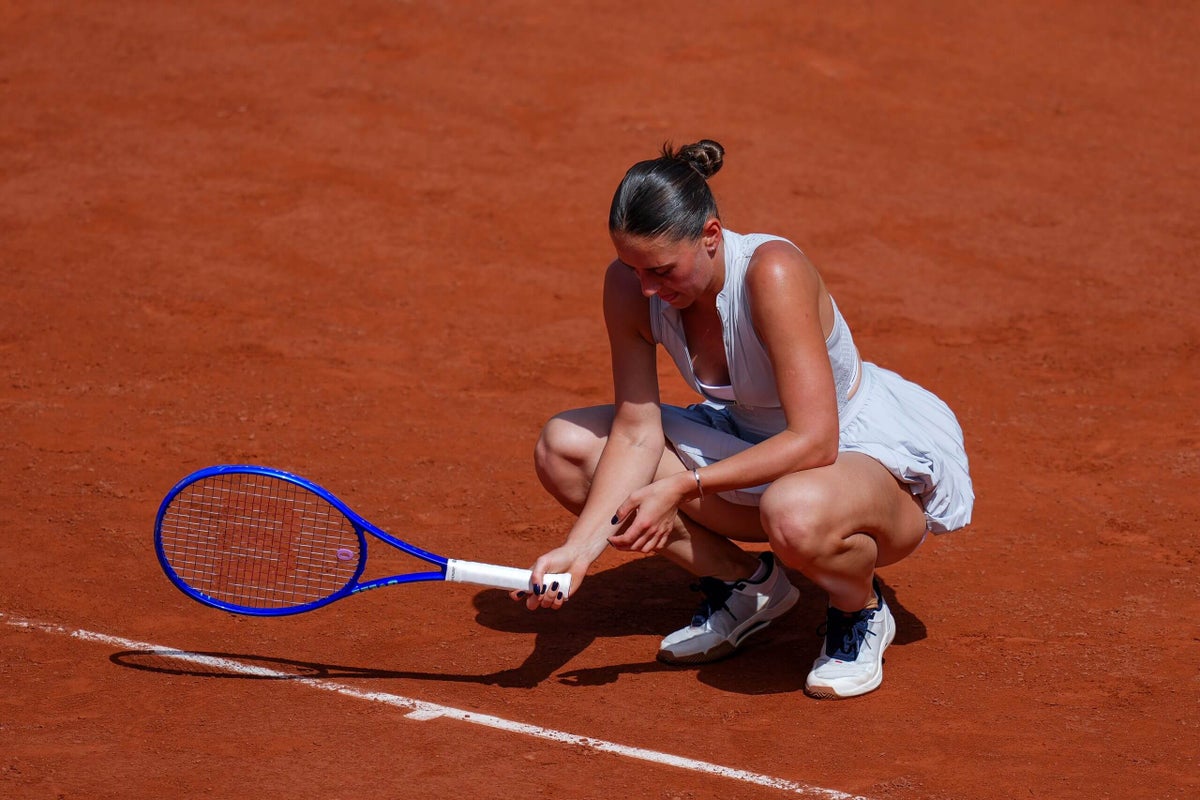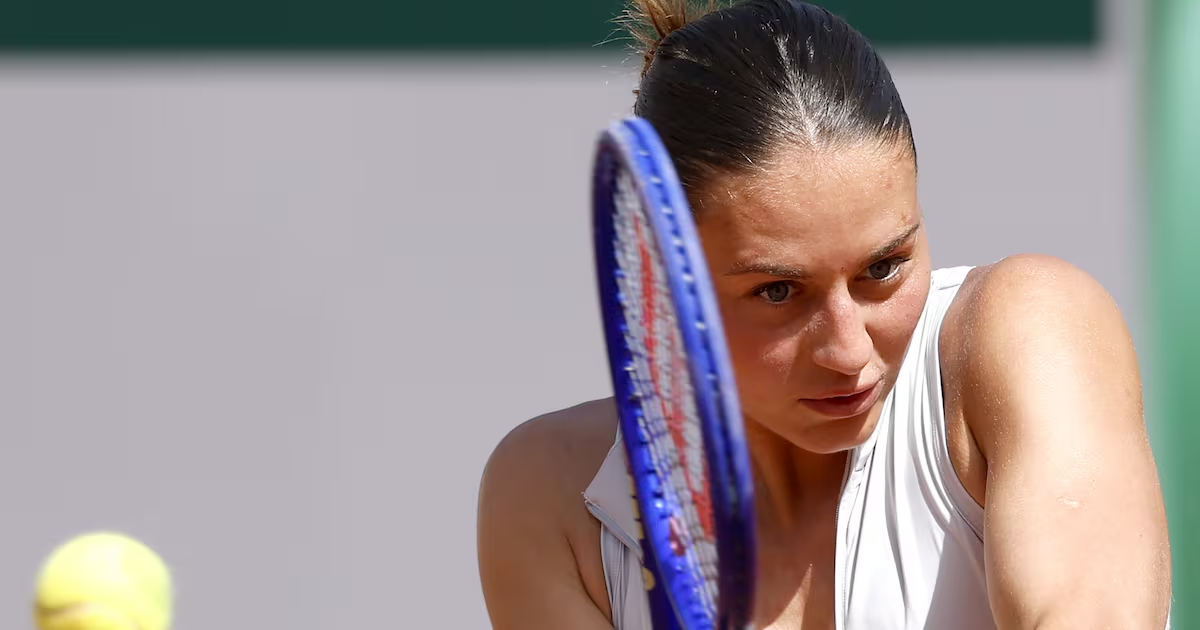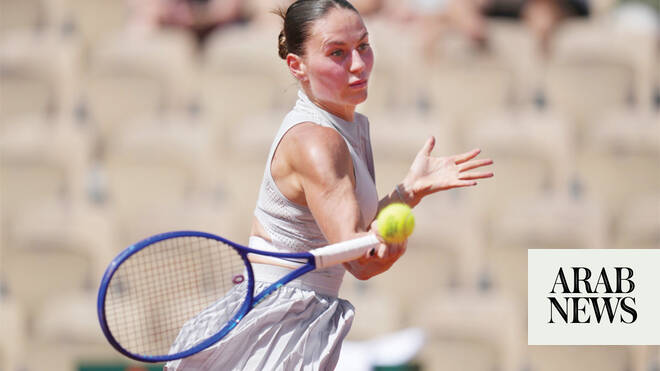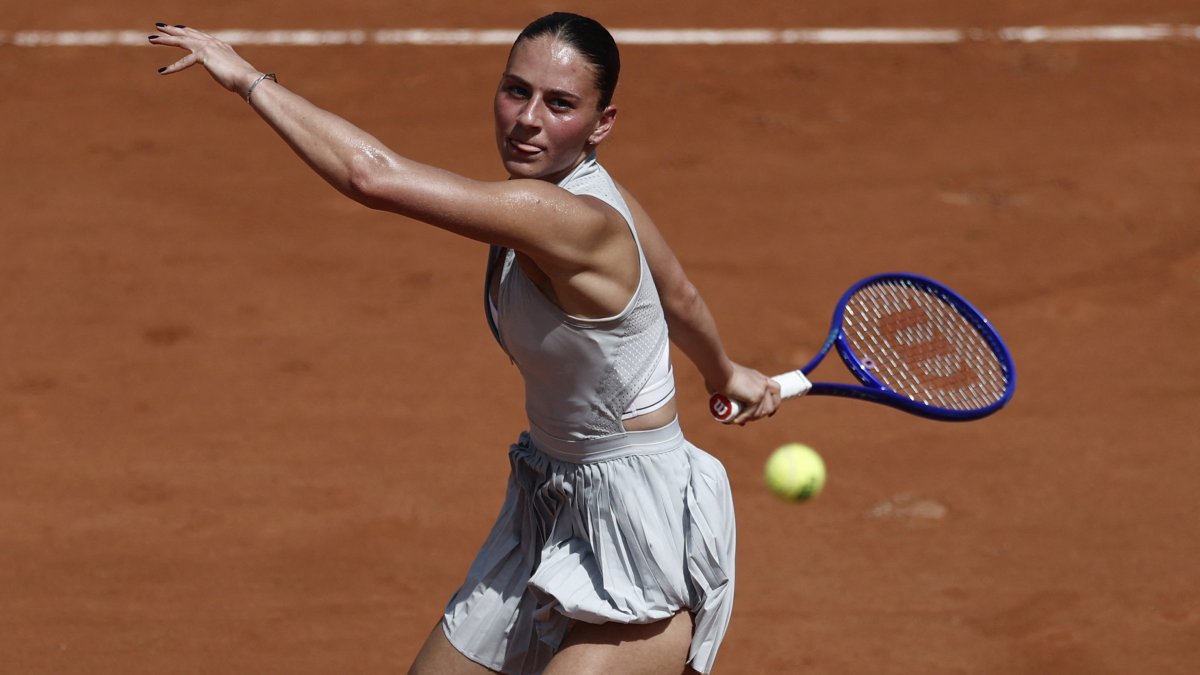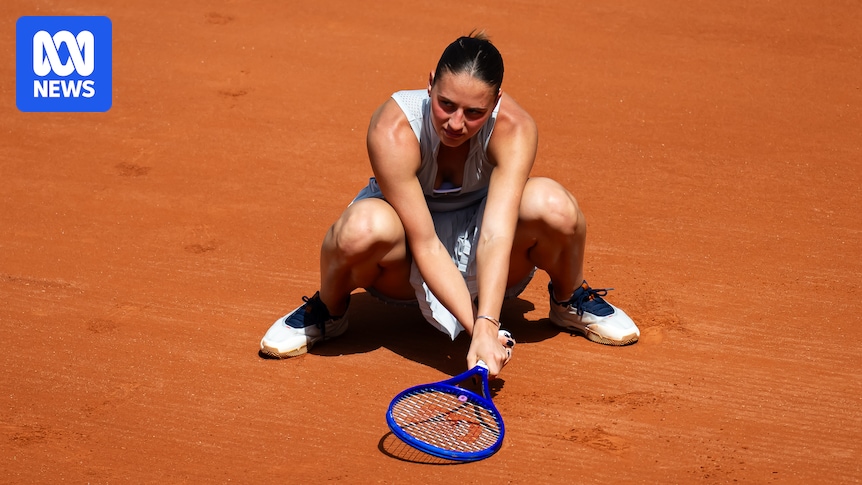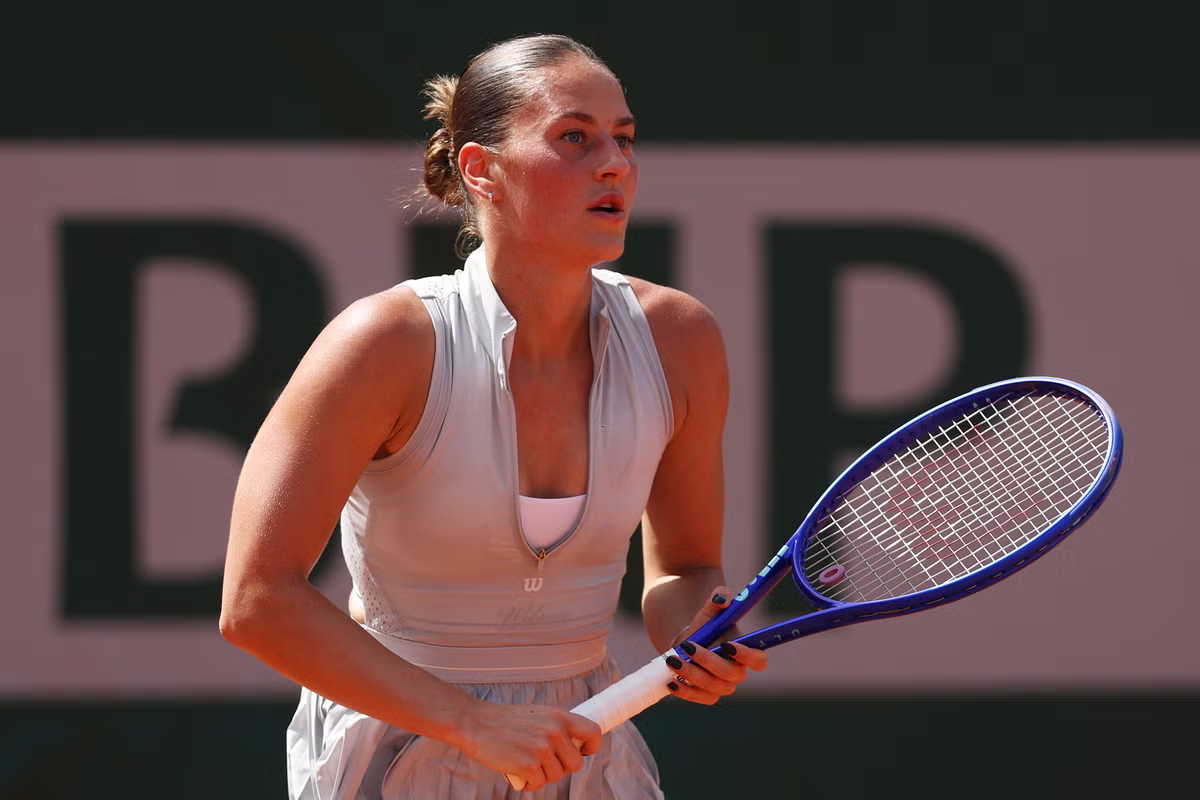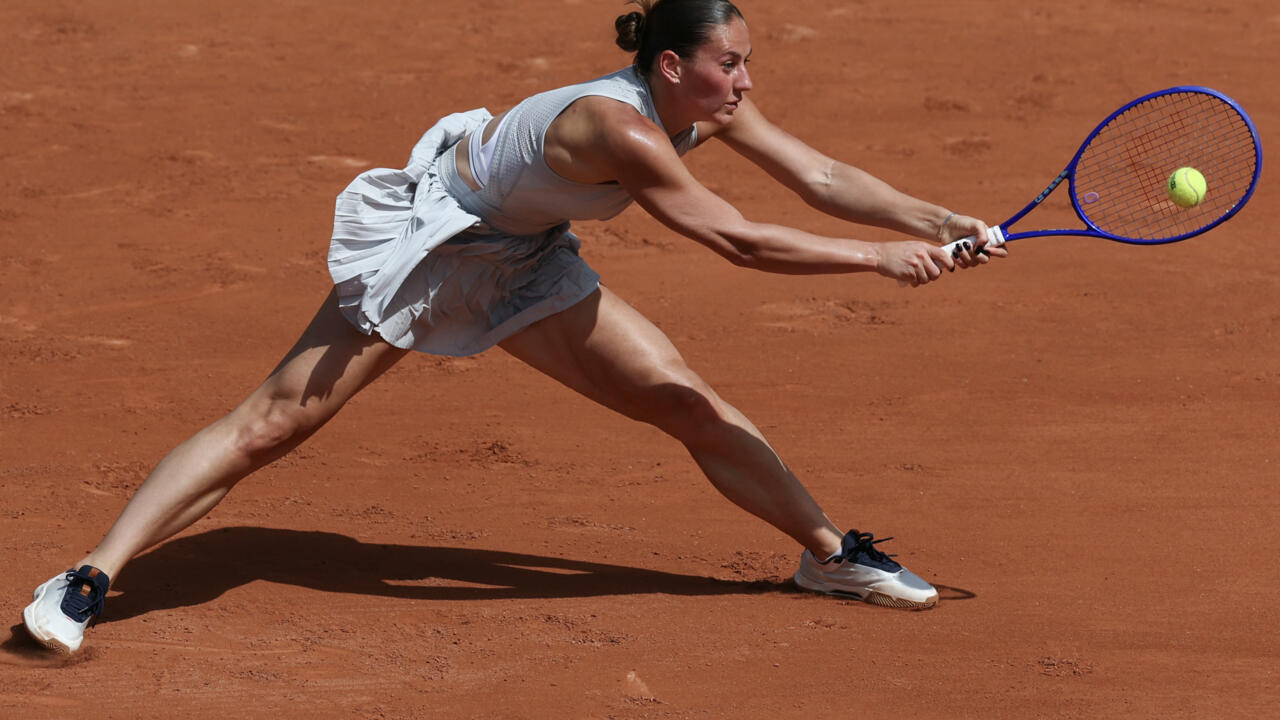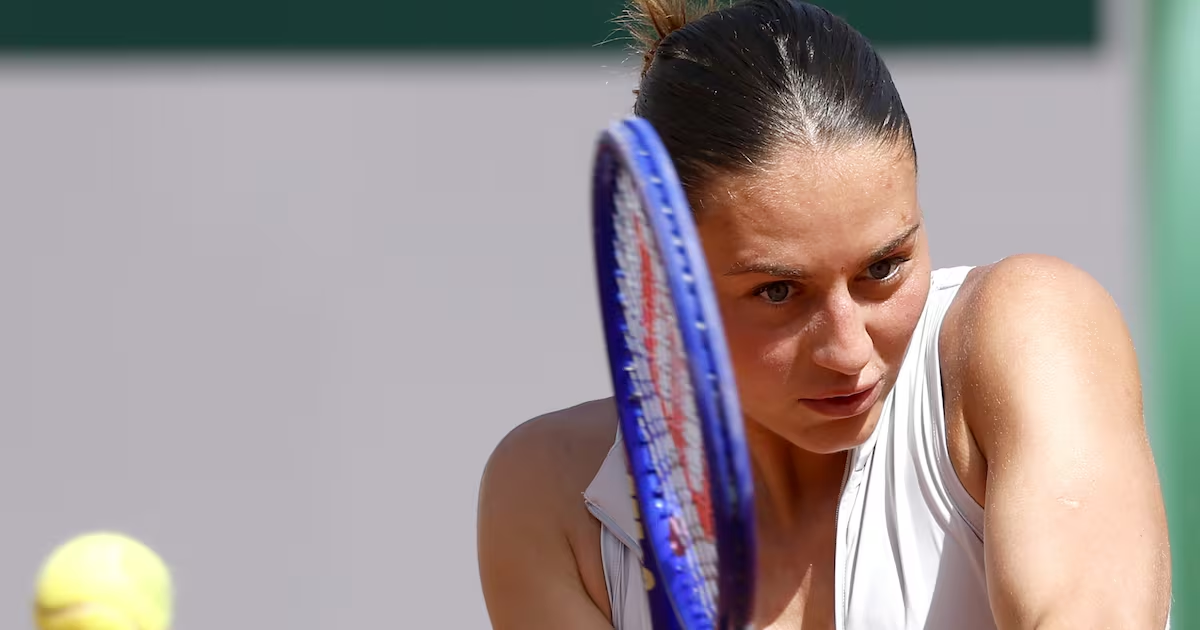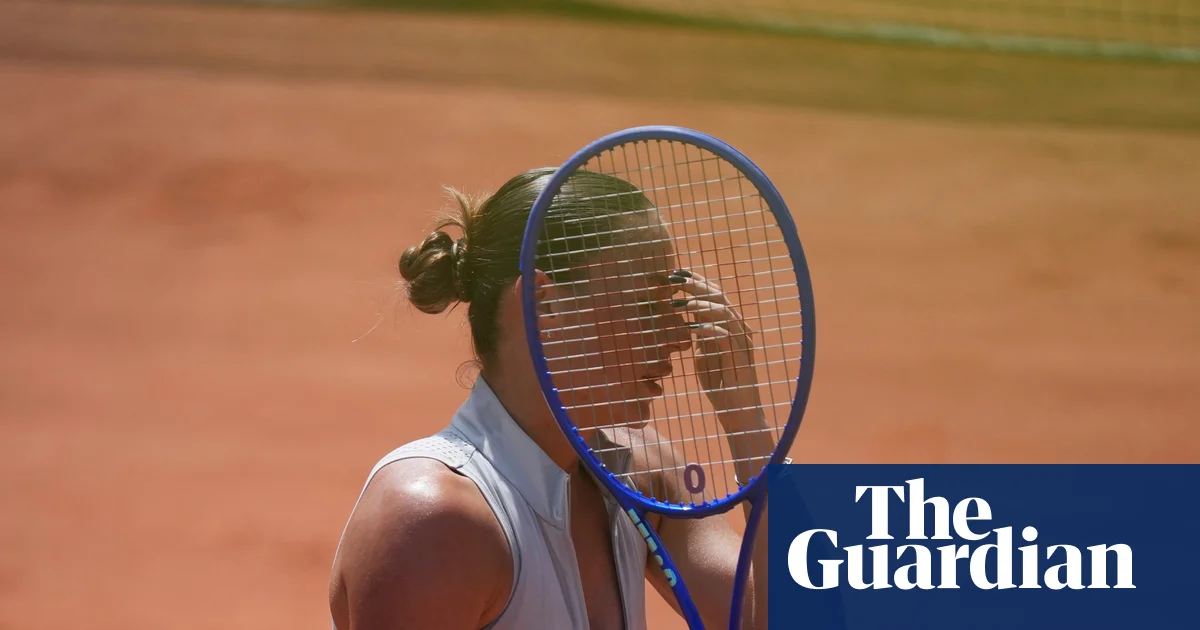
An emotional Marta Kostyuk described her first-round win at the French Open as one of the most difficult matches of her life as she revealed that she had taken to the court hours after a Russian missile landed close to her parents’ house in Ukraine.Kostyuk, the 15th seed in Paris, became one of the first players to win a match at the tournament this year as the 23-year-old registered a 6-2, 6-3 win over Oksana Selekhmeteva. Kostyuk hails from Kyiv, where she periodically returns to train between tournaments.According to reports, four people were killed overnight in Kyiv and approximately 100 people were injured in Ukraine after Russian forces launched a significant wave of drone and missile strikes. Kostyuk struggled to hold back tears during her on-court interview.“I’m incredibly proud of myself today,” Kostyuk said. “I think it was one of the most difficult matches of my career. This morning, 100 metres away from my parents’ house [in Ukraine], a missile destroyed the building. It was a very difficult morning for me. I didn’t know how this match was going to turn around for me. I didn’t know how I would handle it.”Kostyuk began her post-match press conference by showing a photo from her phone of the destruction close to her family home, where her mother, sister and great-aunt live. “This is what I received at 8:00 in the morning today,” she said. “I had to live through it and deal with it and go out and play. I didn’t know what to expect from myself. I didn’t know how my focus is going to be, how I’m going to be able to control my emotions or my thoughts.“There were obviously times in the match when I would go in back to thinking about it, because most of the morning I felt sick just for my thought that if it was 100 metres closer, I probably wouldn’t have a mom and a sister today.”The match alone provided another reminder of the Ukrainian war since Kostyuk’s opponent, Selekhmeteva, is a Russian-born player who represented her country of birth throughout her entire career before switching nationalities to Spain, her new country, on the eve of this tournament.Numerous Russian players have opted to change nationalities on the tour, often for practical reasons such as the difficulty of acquiring visas with a Russian passport. Kostyuk has chosen to continue refusing to shake hands with Russian-born opponents who have not spoken out against Russia’s invasion of Ukraine. She did not shake hands with Selekhmeteva.Four years into the Ukraine war, Kostyuk says the exhaustion from having to deal with the constant threat of family members being killed is paired with anger and determination: “It’s definitely exhausting, especially when it repeatedly is happening over the night, nobody is sleeping well. People are just more irritated and scared. But generally, everyone is really angry, and everyone just wants to keep going. Everyone is trying to help whoever they need to help, and that’s it. People are very resilient, and this is something to learn from them, for sure.”Kostyuk is one of the in-form players in Paris, having won the biggest title of her career at the WTA 1000 in Rome earlier this month. Her Italian Open title run had been preceded by a title in Rouen, meaning she is now on a 13-match winning streak.Elsewhere, the tournament opened with a desperate plea from Arthur Gea, the French wildcard tasked with facing the two-time quarter-finalist and 13th seed Karen Khachanov. Late in the second set, Gea begged the officials to allow him to leave the court in order to use the bathroom after struggling with diarrhoea. “I’ve got the shits. I need to go to the bathroom, I can’t move any more, I’m going to shit on the court,” he said.Gea, who fell 6-3, 7-6 (3), 6-0 to Khachanov, was eventually allowed to exit the court and use the toilet on medical grounds while trailing 2-4: “I was feeling really, really bad,” Gea said. “This morning in particular, but during the match it was even worse because it was a bit hot. And I had to go to the toilet really quick and they didn’t allow it. So I was asking the referee because I was feeling really, really bad. And then the doctor came and obviously I could go out. And it was not so long, so I was good.”
Ukraine’s Kostyuk keeps focus on French Open after missile strike near parents’ home
An emotional Marta Kostyuk described her first round win at the French Open as one of the most difficult matches of her life
738 words~3 min read