For most of the last decade, AI in payments meant one thing: fraud detection. A model sitting downstream, flagging suspicious transactions after the fact. Useful, but passive. The system still required a human or deterministic code to decide what to do next.
That is changing fast. Agentic AI emerged as the breakout technology of 2025, moving from demos into regulated payment workflows. The difference is not the model. It is the architecture. Agentic systems do not just classify or predict. They plan, execute multi-step workflows, and take action across external systems without a human in the loop for every step. In payments, that shift has real consequences for how infrastructure gets built and what developers need to understand.
What agentic AI actually means in a payments context
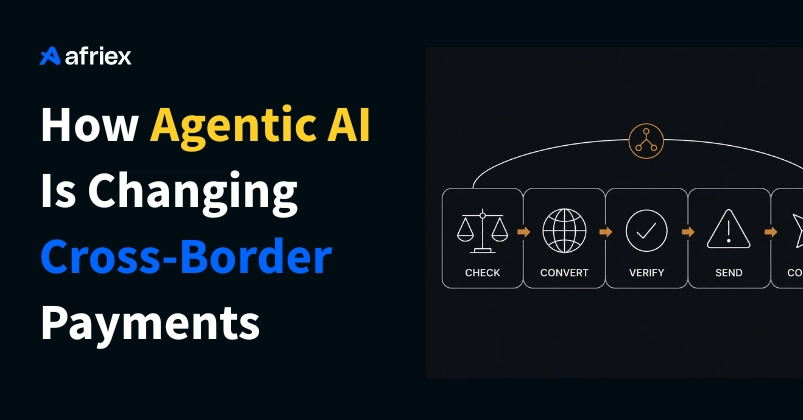
The term gets used loosely, so a working definition is worth establishing. An AI agent in a payment context is a system that receives a high-level goal, decides what sequence of API calls to make to achieve it, executes them, handles failures, and reports the outcome, with no human approving each individual step.
The IMF's May 2026 note on agentic AI in payments describes the scope of experimentation as expanding rapidly: from fraud detection and compliance monitoring to treasury optimization and cross-border payment orchestration. Fenwick's 2026 agentic payments analysis draws the line clearly: unlike traditional autopay automation, agentic AI makes decisions and takes actions to achieve goals. It is not executing a predefined script.