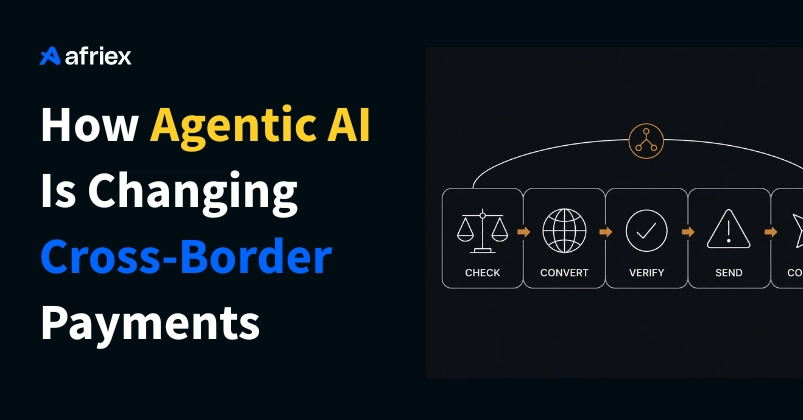
For years, "AI agents will handle payments" sounded like a demo-day slide, not a production workload. That's changed fast. In the first half of 2026 alone, Google, Mastercard, Visa, Stripe, American Express, Ant International, and Circle have all shipped or announced infrastructure specifically built for AI agents that browse, decide, and pay on a human's behalf. The protocols, wallets, and identity frameworks needed to make this real are no longer whitepapers they're SDKs developers can install today.
Whether 2026 turns out to be the breakout year or just the year the foundations got poured, the practical question for developers is the same: what do you actually need to know to build on this stack, and what should you be careful about?
Why now?
Three things converged at once:
Capable agents. LLM-based agents can now reliably complete multi-step tasks compare options, fill out forms, negotiate within constraints well enough that letting them finish the transaction is the obvious next step.