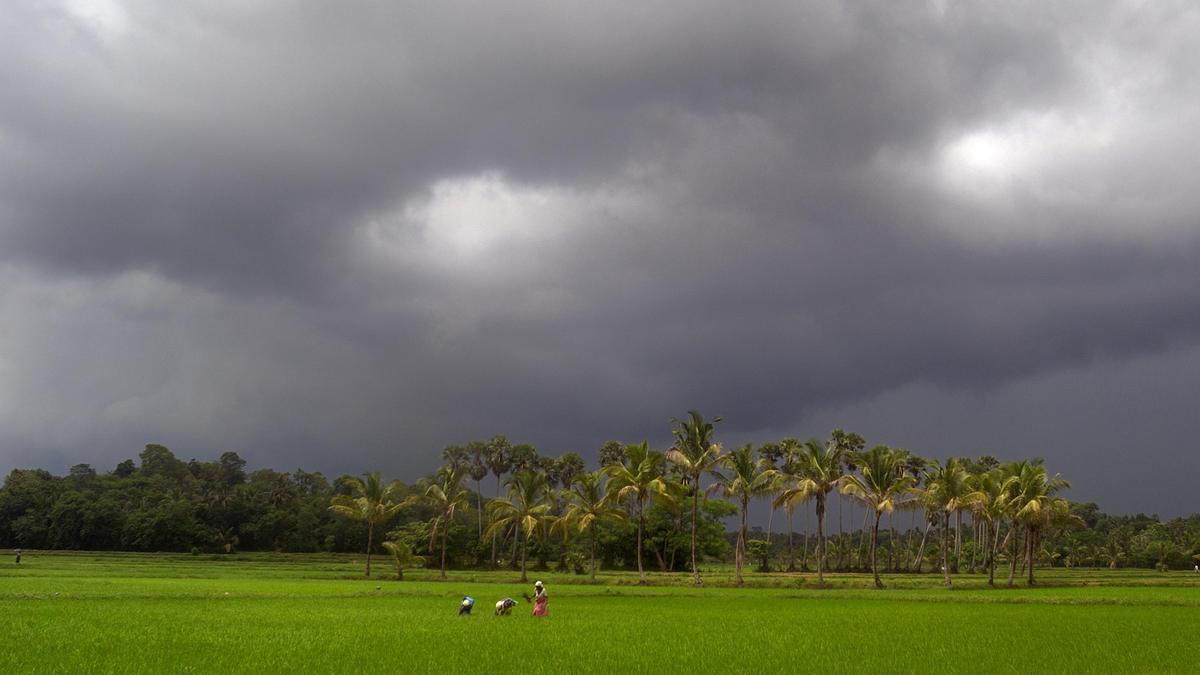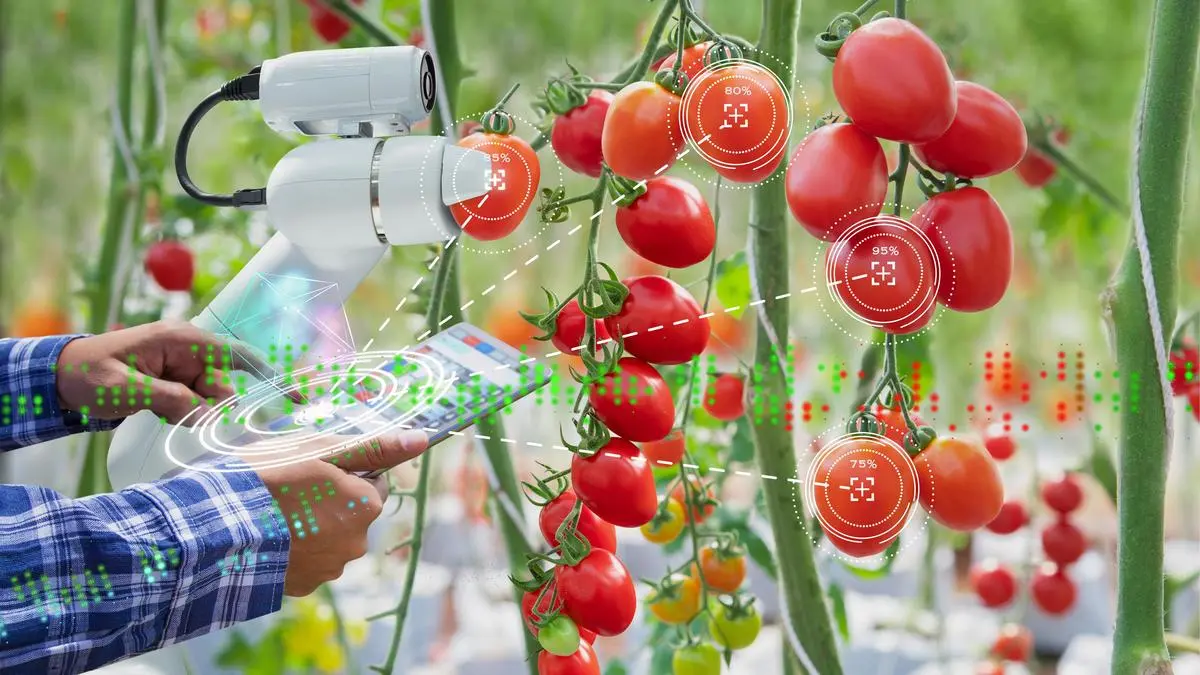
It is 4:47 in the morning in Vidarbha. Rajan is already standing in his cotton field, pressing fingers into soil that has fed his family for three generations. His phone buzzes. An SMS. A 70 per cent chance of unseasonal rain in 48 hours.He reads it. He stares at his crop. He puts the phone back in his pocket. And then he does exactly what he would have done without the text — because the message told him what was coming but gave him nothing about what to do next. No credit line. No early buyer. No insurance trigger.Just a text message. That SMS — well-intentioned, technically accurate and nearly completely useless in isolation — is where the story of AI in Indian agriculture begins.We gave farmers information, we forgot they needed actionIn the mid-2000s, SMS campaigns launched across rural India. Mandi prices. Pest warnings. Weather alerts. Millions of messages beaming into millions of basic phones.The problem? Information without infrastructure is like a compass without legs. Knowing your crop has a fungal infection is worthless if the nearest agrochemical dealer is 40 kilometres away and won’t extend credit until next season. The SMS era was India’s AgriTech industry talking to farmers, not building with them.A thousand solutions for a problem nobody fully understoodThen came the smartphone. Then came the startups. Soil testing apps. Tractor rentals by the hour. Real-time crop advisory platforms. One startup built an app so beautifully designed it won a global UX award. Farmers downloaded it, used it twice, and deleted it.Because a farmer does not have a soil problem, or a credit problem, or a market access problem. A farmer has all of those problems simultaneously, every single day. An app that solves one slice — no matter how elegantly — is not a solution. It is an expensive Band-Aid on a patient who needs surgery.The platform era — and why it almost workedThe smarter founders eventually looked in the mirror. Credit providers partnered with advisory platforms. Satellite data wired into insurance engines. Input suppliers connected with output markets. Farmers in well-served regions were suddenly getting credit based on crop health data. The gap between knowing and doing started closing.But most of these ecosystems were ecosystems the way a food court is a restaurant — everything technically under one roof, nothing truly integrated. Integration was a feature. It needed to be a religion.AI finally showed up — and asked an uncomfortable questionMachine learning models started detecting crop stress before farmers could see it. Yield prediction engines became eerily precise. For the first time, the technology wasn’t just informing the farmer. It was thinking alongside him.And then it revealed its own limitations. An AI that sees soil data but not credit behaviour misreads financial risk. A yield engine blind to commodity futures cannot tell Rajan whether harvesting Thursday or Friday means clearing debt or drowning in it. The lesson: the intelligence of any AI system is inseparable from the completeness of the ecosystem behind it. Garbage in. Genius wasted.The whole farm, or nothingThe farmer at 4:47 in the morning does not divide his world into sectors. His soil, his loan, his weather, his market and his family’s future are one life — indivisible, pressing down on him all at once. Technology that truly serves him must wrap itself around the whole farm, or it is just another SMS — sophisticated and insufficient.Single products will impress at demos. Ecosystems will change lives. Rajan is still standing in that field. The question is not whether we can build intelligent technology for Indian agriculture. The question is whether we are bold enough — and humble enough — to build it together.The author is the Founder and CEO of Farmneed Agri Business and Express Weather data companyPublished on May 24, 2026
From SMS crop alerts to autonomous farm intelligence
Explore the evolution of AI in Indian agriculture, highlighting its challenges and the need for integrated, actionable solutions for farmers.
630 words~3 min read