(Part 1: Epigenetics and mental health: It’s not just In your head)
The Philippines is disproportionately impacted by climate disasters made worse by political corruption. This year, typhoon season approaches along with El Niño, which meteorologists say may bring fewer but stronger storms.
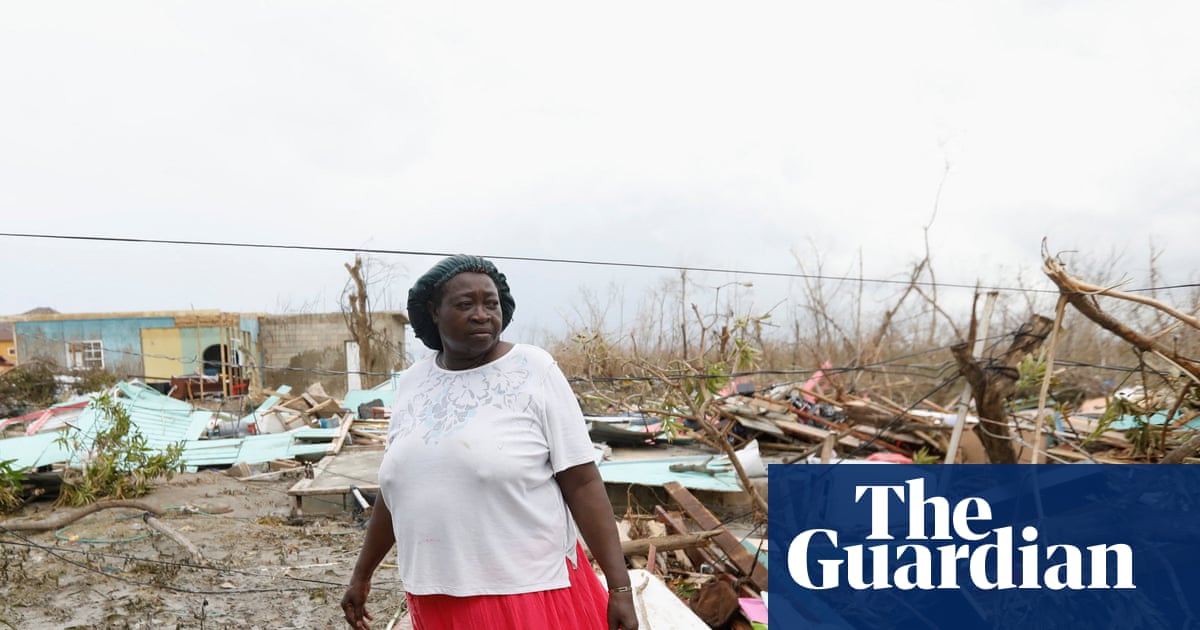
Meanwhile many communities are still recovering from last year’s storms. More than six months after Typhoon Tino, critical infrastructure remains unrepaired. Many in Cebu have had to resort to rebuilding their own homes.
Emotional repair among survivors also endures as an important but underresourced area of disaster recovery. Much is made of the resilience of Filipinos. And yet this cultural trait can also obscure the reality of deep and unaddressed needs.
In 2013 after Typhoon Yolanda — one of the strongest typhoons ever recorded and the deadliest to hit the Philippines — more than 80% of survivors experienced mental health challenges. This is much higher than rates of psychological distress after the 2011 Japan earthquake (15%) and higher than the estimated national rate of depression in the Philippines before Yolanda (14.5%).