By providing an email address. I agree to the Terms of Use and acknowledge that I have read the Privacy Policy.
The anticipated Super El Niño poses a multidimensional threat to the Philippines, worsening structural vulnerabilities in agriculture, energy, and governance. Impacts vary sharply by region due to geography, rainfall dependence, and crop profiles.
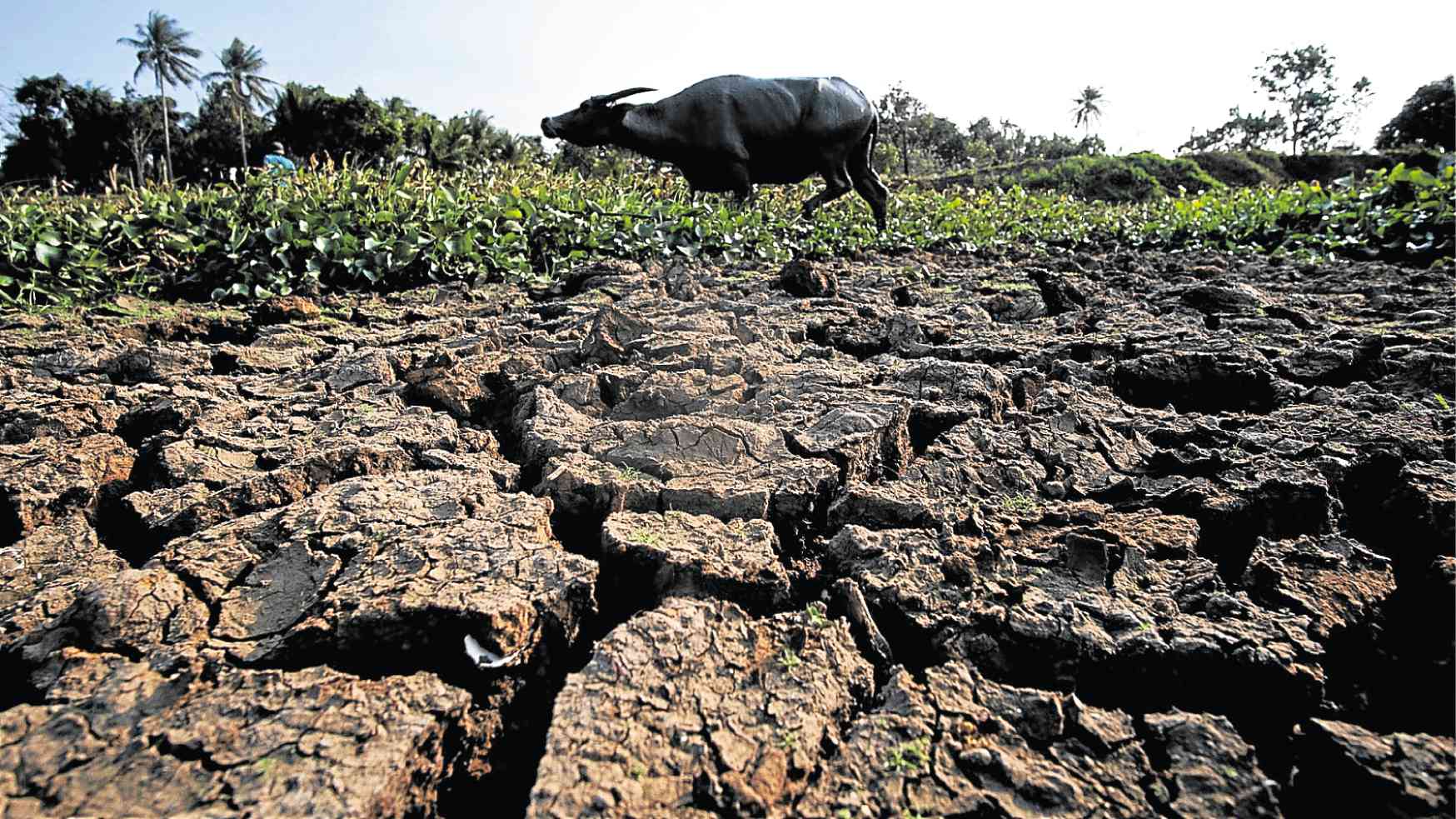
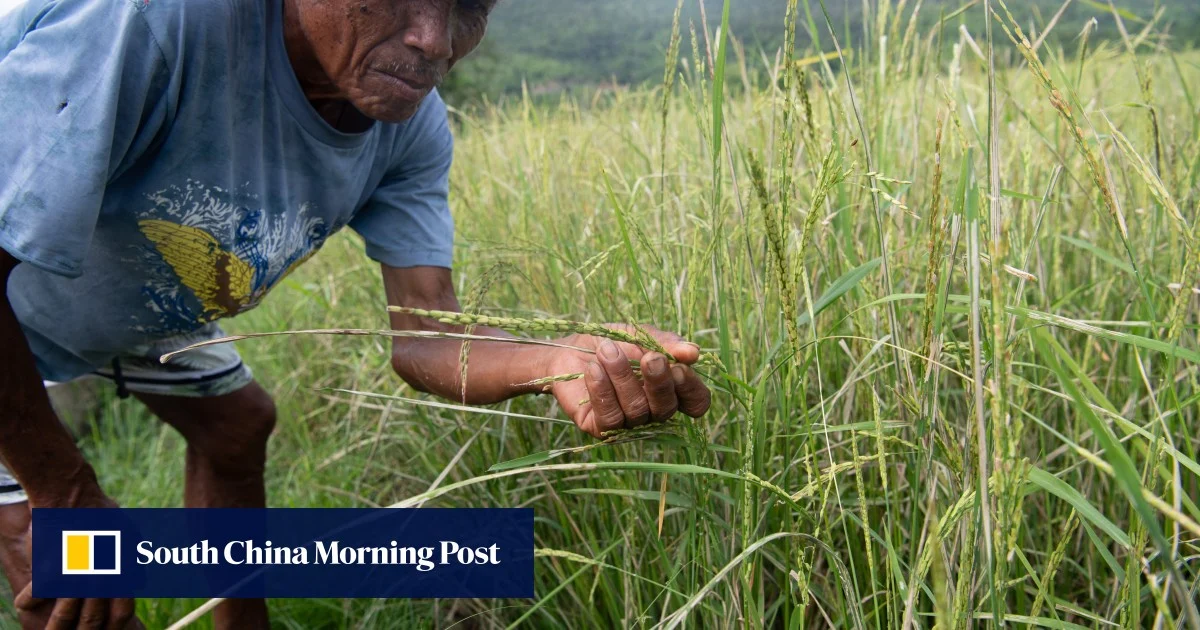
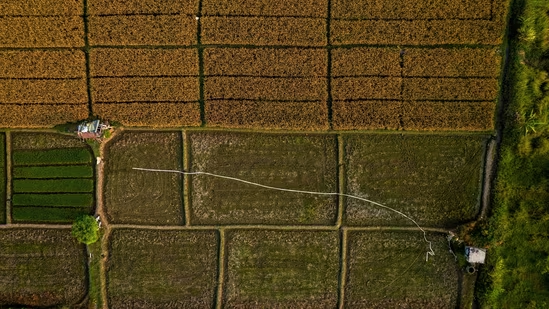
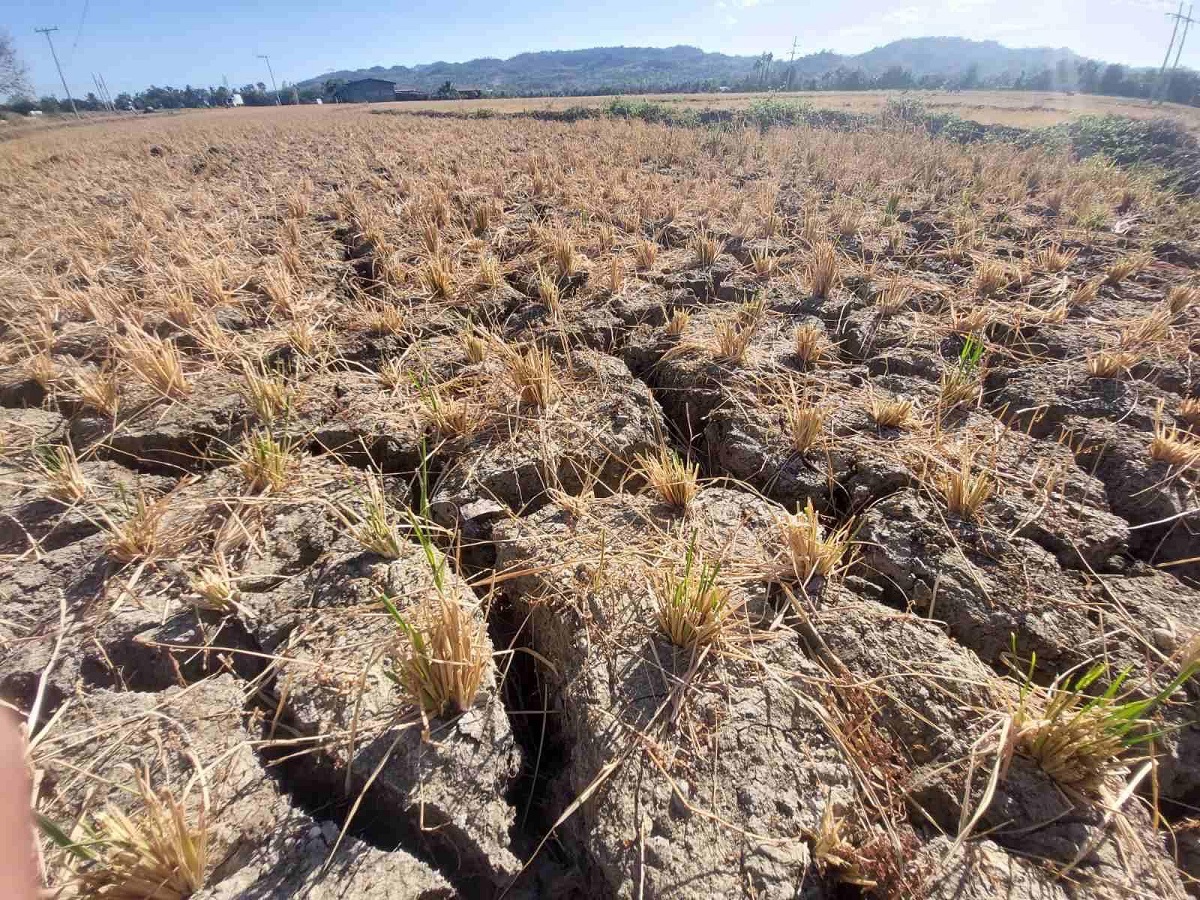
Northern and Central Luzon face severe drought and reservoir inflow deficits. Southern Luzon and Bicol experience alternating floods and dry spells. The Visayas face sugarcane and fisheries declines, while Mindanao endures localized drought affecting corn, pineapple, and export crops. These differentiated impacts underscore the need for region-specific adaptation strategies.
Historical analogs (1982-83, 1997-98, 2015-16) show recurring severe droughts and economic shocks. Super El Niño events recur every 10 to 15 years, each inflicting significant agricultural and economic losses, with projected nationwide losses of P286.8 billion (US$5.5 billion) in direct and indirect impacts.
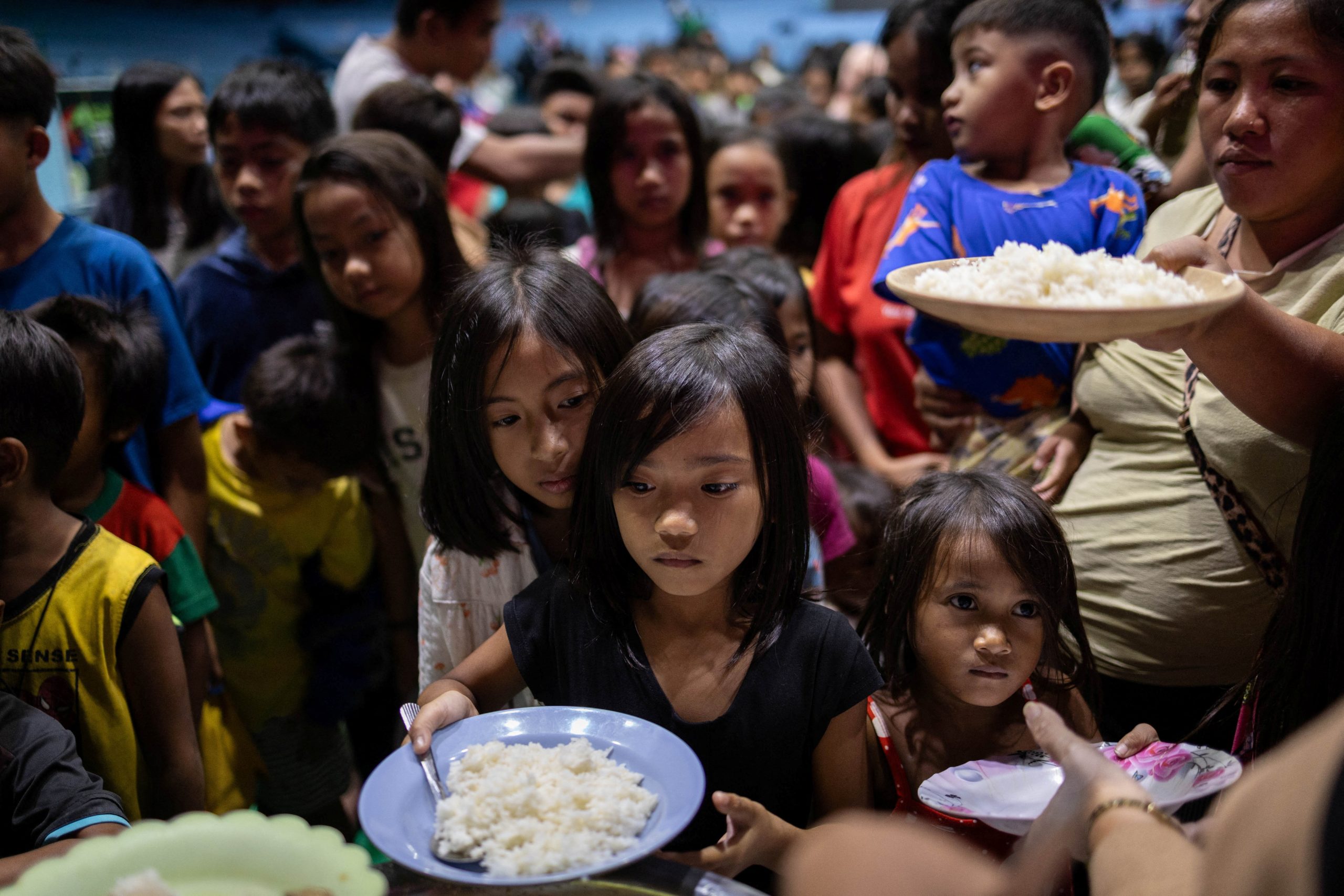
Drawing lessons from Vietnam, Thailand, and Malaysia, pathways to resilience include irrigation modernization, cooperative empowerment, energy diversification, fiscal buffers, and ASEAN-level coordination. Implementing these reforms could reduce projected losses by 60% to 70%, strengthen food security, and raise the Philippine resilience index from 38/100 to 55/100.