By providing an email address. I agree to the Terms of Use and acknowledge that I have read the Privacy Policy.
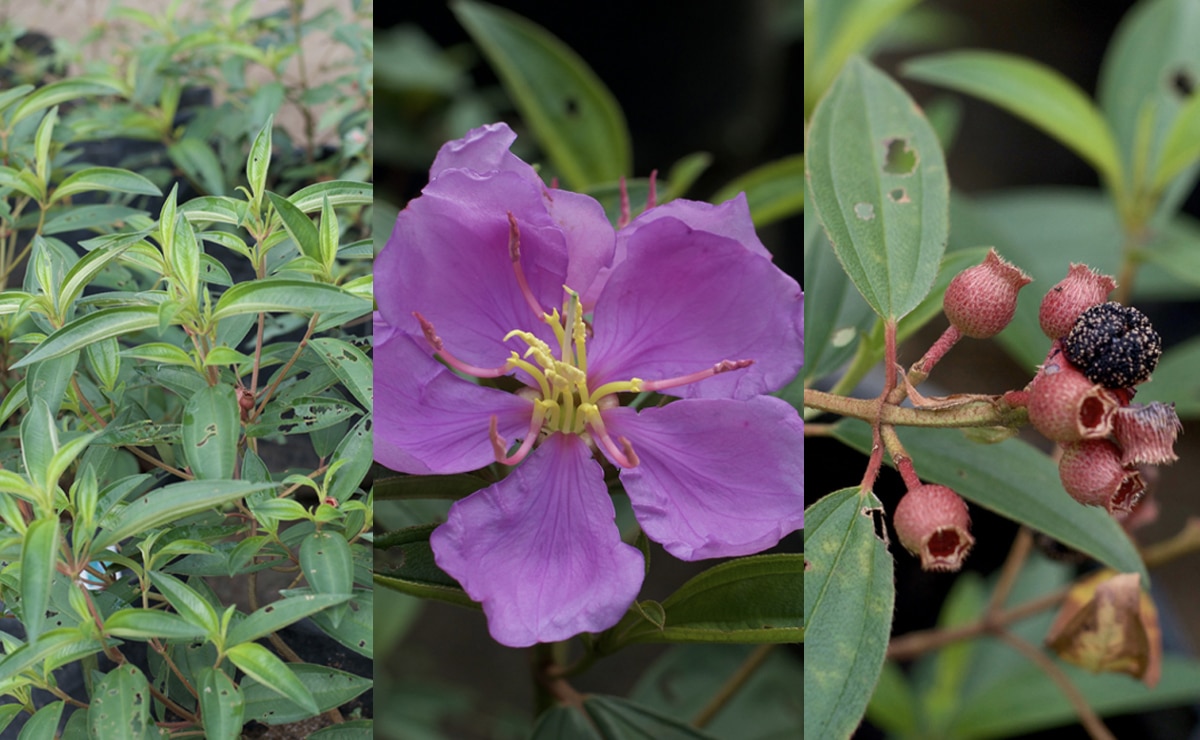
Melastoma malabathricum or “apitngaw” or “malatungaw” composite from Socfindo Foundation through the University of the Philippines Open University website
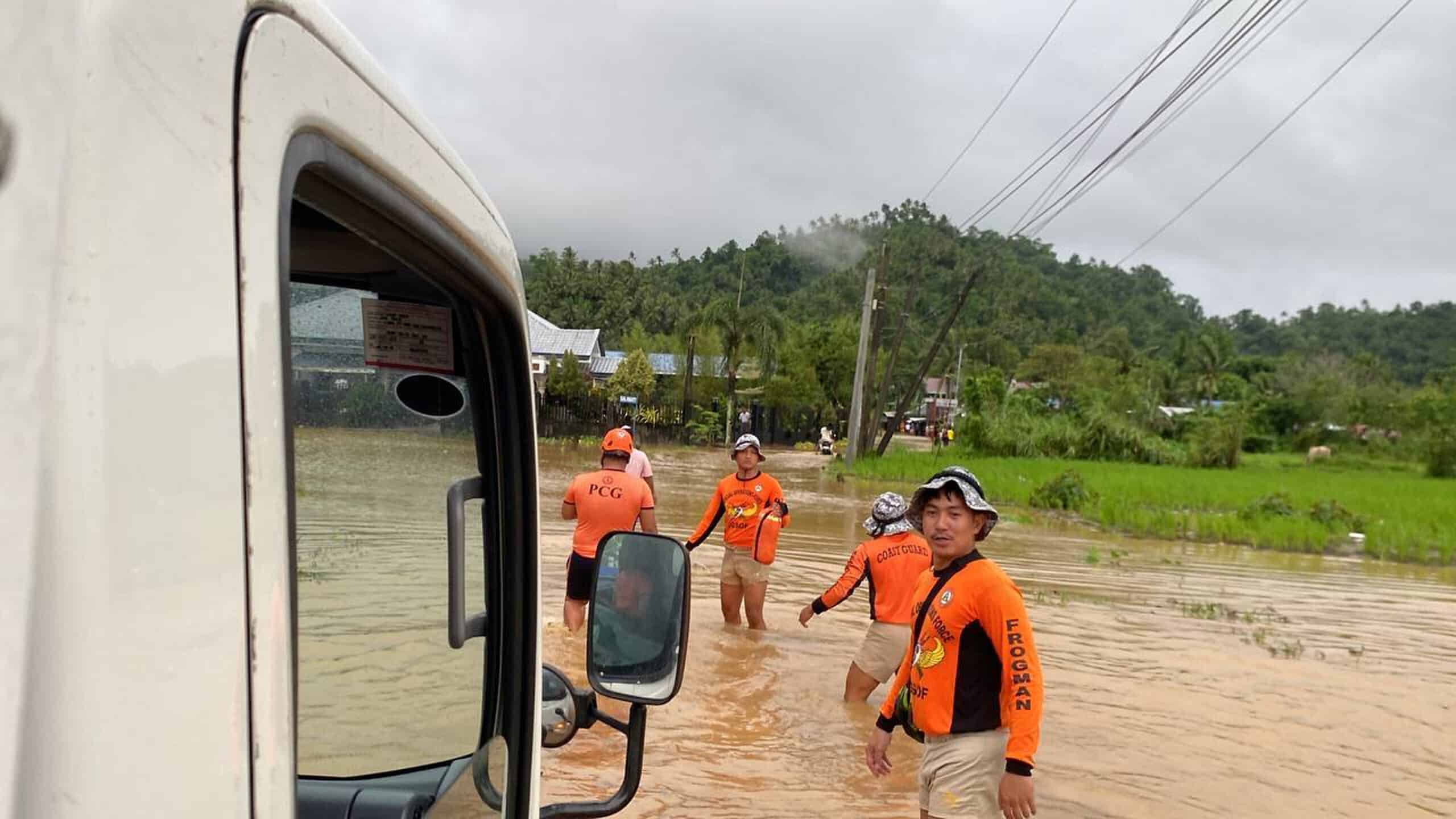
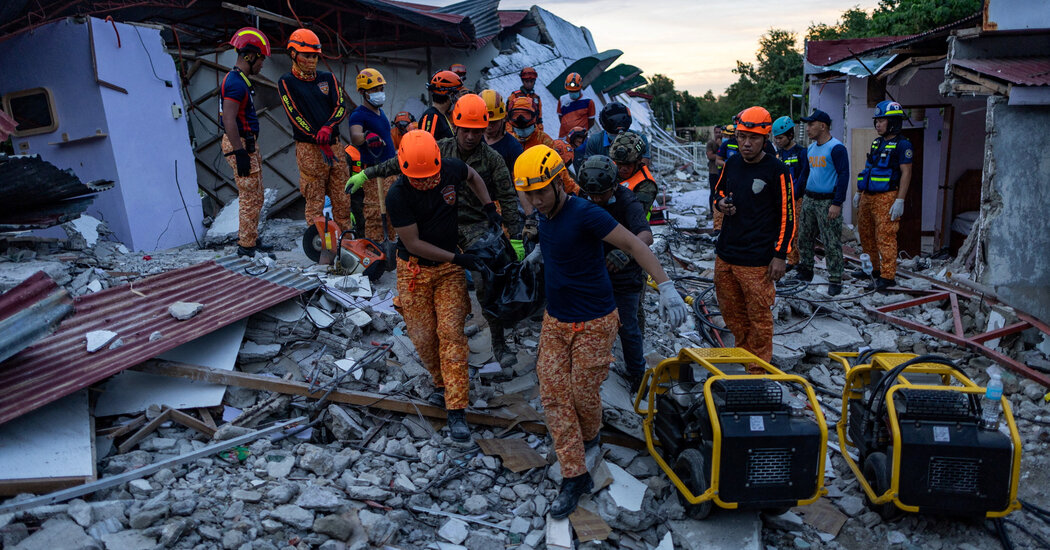
When typhoons shatter homes or earthquakes leave communities inaccessible, one immediate concern rises as people take in the devastation — where will they get food in the first critical hours “when roads are blocked and relief goods are yet to arrive”?
To mark International Biodiversity Month, the University of the Philippines Open University (UPOU) said the survival of disaster-stricken communities “often depends on what is immediately available.”
After Super Typhoon Yolanda (international name: Haiyan) devastated Leyte in 2013 and a 6.5-magnitude earthquake hit Bohol in 2017, thousands of people faced delays in assistance because roads were damaged or blocked.