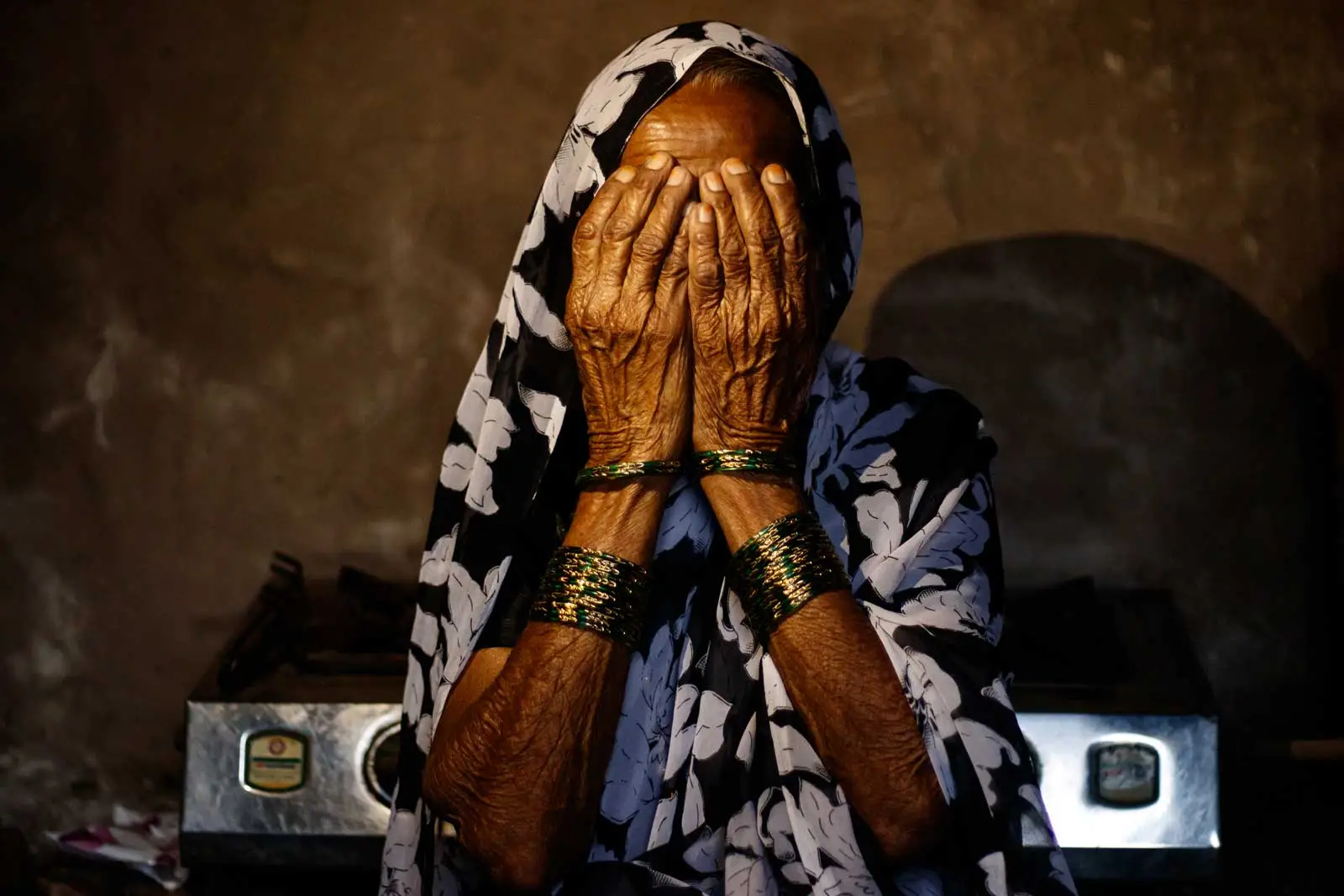
The stress of climate change is taking a toll on mental health across the world – and not just among those who have survived disasters.
Even as extreme weather hits more frequently, the signals people have always relied on to track the seasons seem to be spinning out of control. And scientists and public health researchers are seeing growing evidence of the cost to mental health.
In a review of 57 studies published in the journal Nature Mental Health, researchers linked slow-moving environmental changes, such as drought and changes to the seasons, with depression, anxiety, and psychological distress. Study participants described recurring feelings of worry, grief, and frustration, often tied to concerns about their families, communities, and the future.
“Slow, ongoing environmental changes are related to negative emotions, as well as depression and anxiety symptoms, generalized psychological distress, and suicidality,” said Sarah Lowe, an associate professor of public health at the Yale School of Public Health and a co-author of the study.
Gradual environmental shifts don’t make headlines the way that major disasters do, but they still affect people like 70-year-old Saibi Takavade from Shirdhon village in western India. For most of her life, Takavade could tell the time of year by observing the weather. But in recent years, she’s felt stressed as summers grow longer and harsher, rains come late or all at once, and seasons no longer follow a familiar routine.