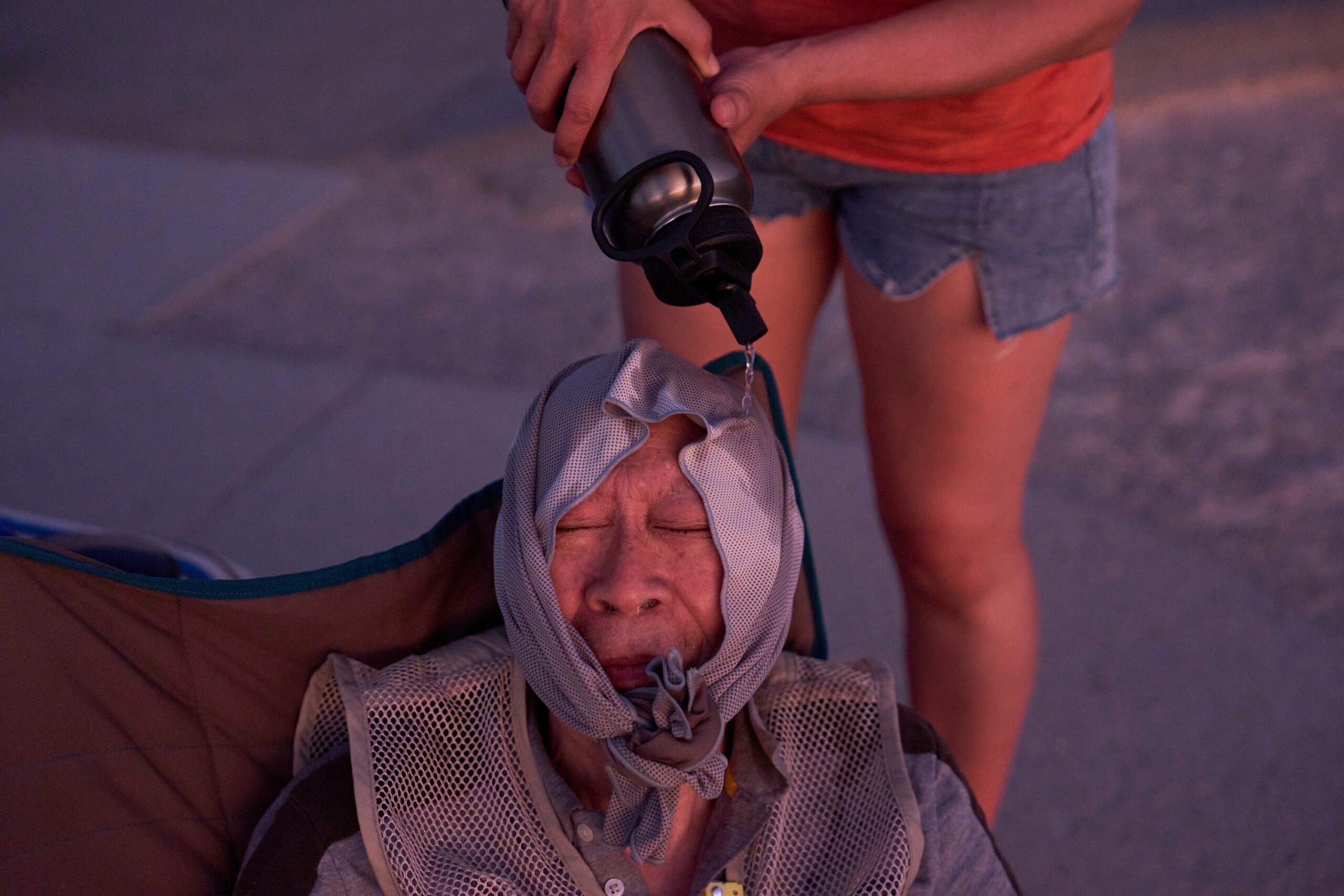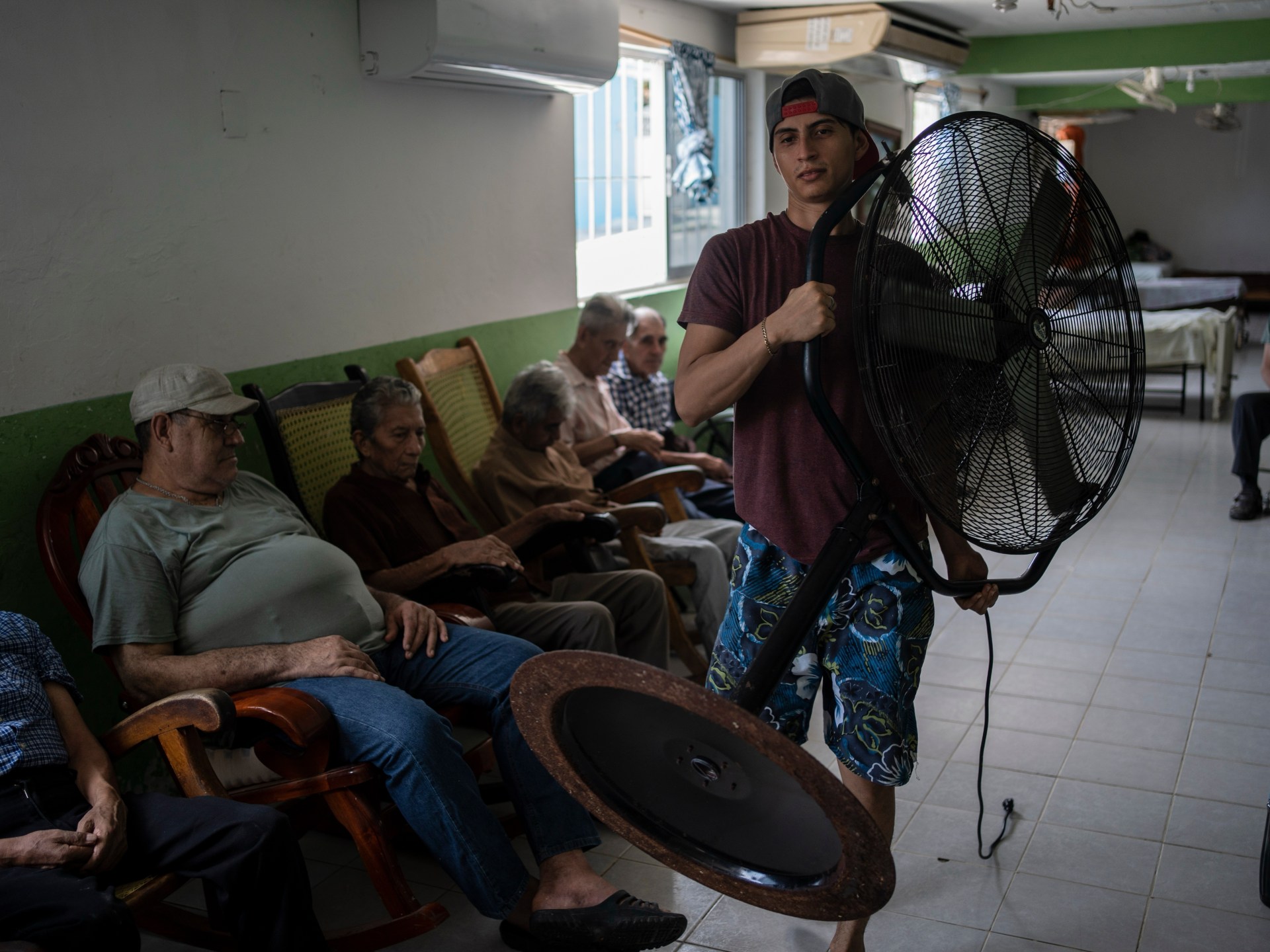
Recent research finds that limitations to people’s daily lives imposed by climate change are already widespread and likely to continue growing as global temperatures rise. Older people are the most impacted.The researchers used a “physiologically grounded” heat model to analyze 75 years of global climate data.The global average number of hours per year that people are exposed to heat that severely limits their activity was found to have doubled for younger adults since the 1950s, while for older adults, it went from about 600 hours per year to about 900 hours.Parts of Southwest and South Asia, South America and Australia already experience what the study researchers call “extreme livability limitations,” which is even true for younger adults.
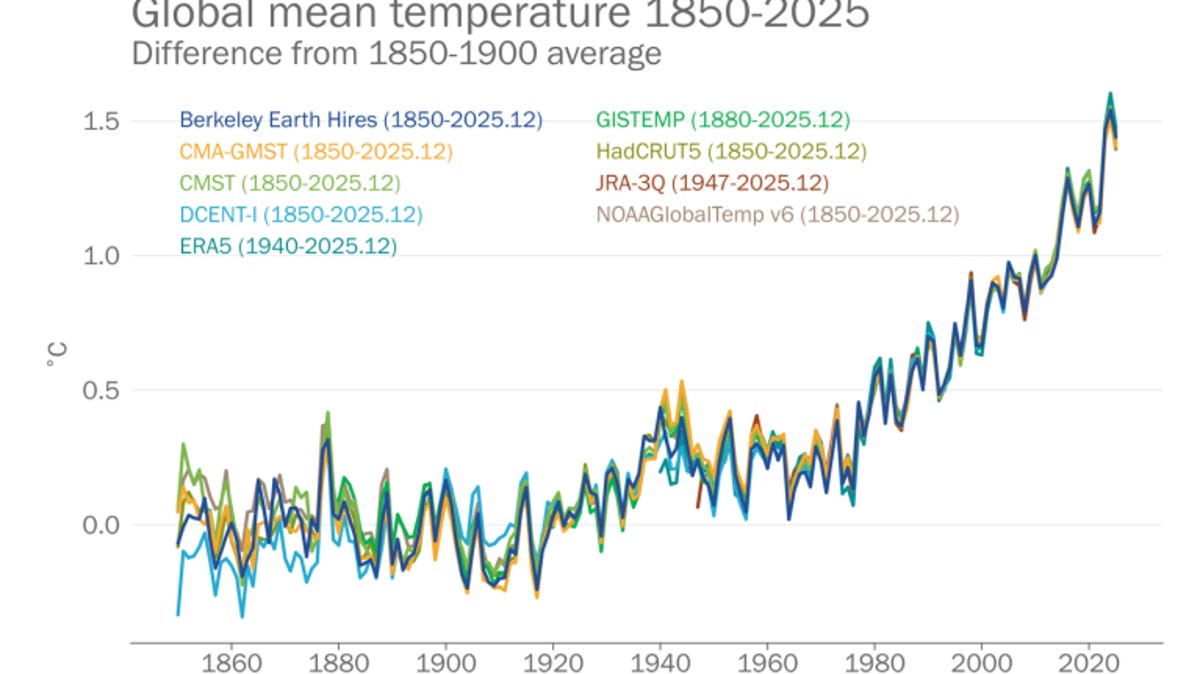
As a grueling March heat wave batters the U.S. West with dangerous temperatures, and the world girds itself for what could be another sizzling record-smashing Super El Niño, a team of researchers has published a study looking at how global warming is already impairing people’s regular daily activities.
Using 75 years of data stretching from 1950 to 2024, the scientists identified a clear trend and concluded that climate change is already placing serious limitations on people’s daily lives, with those impacts now widespread and very likely to worsen as temperatures continue to rise. Older adults, and people in the tropics, are especially being affected.