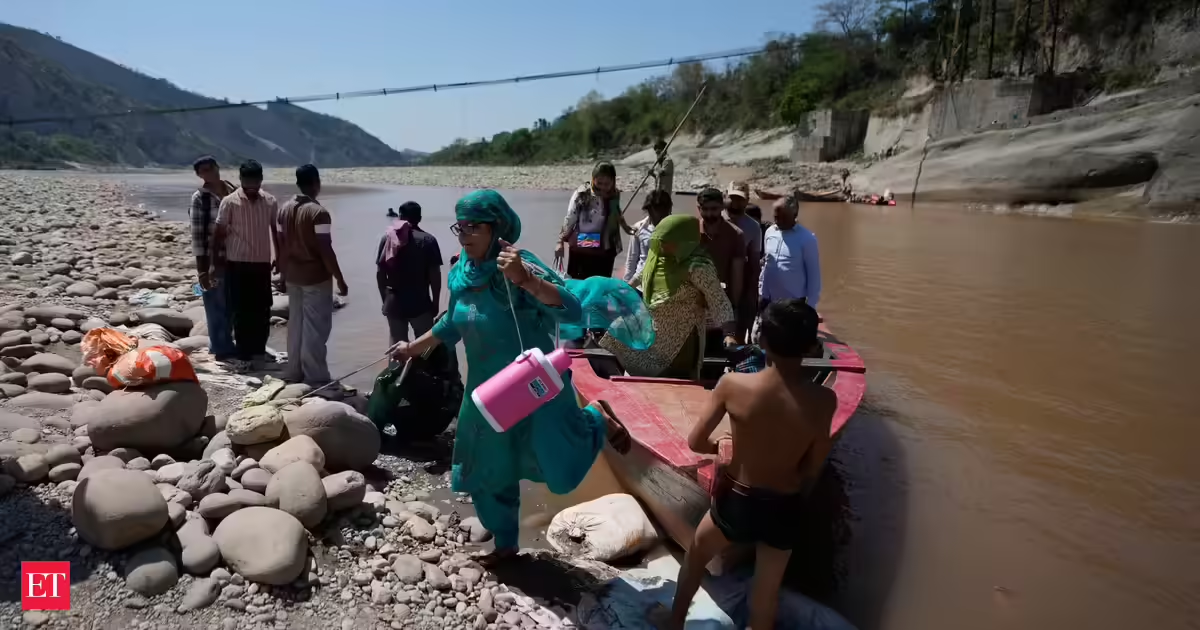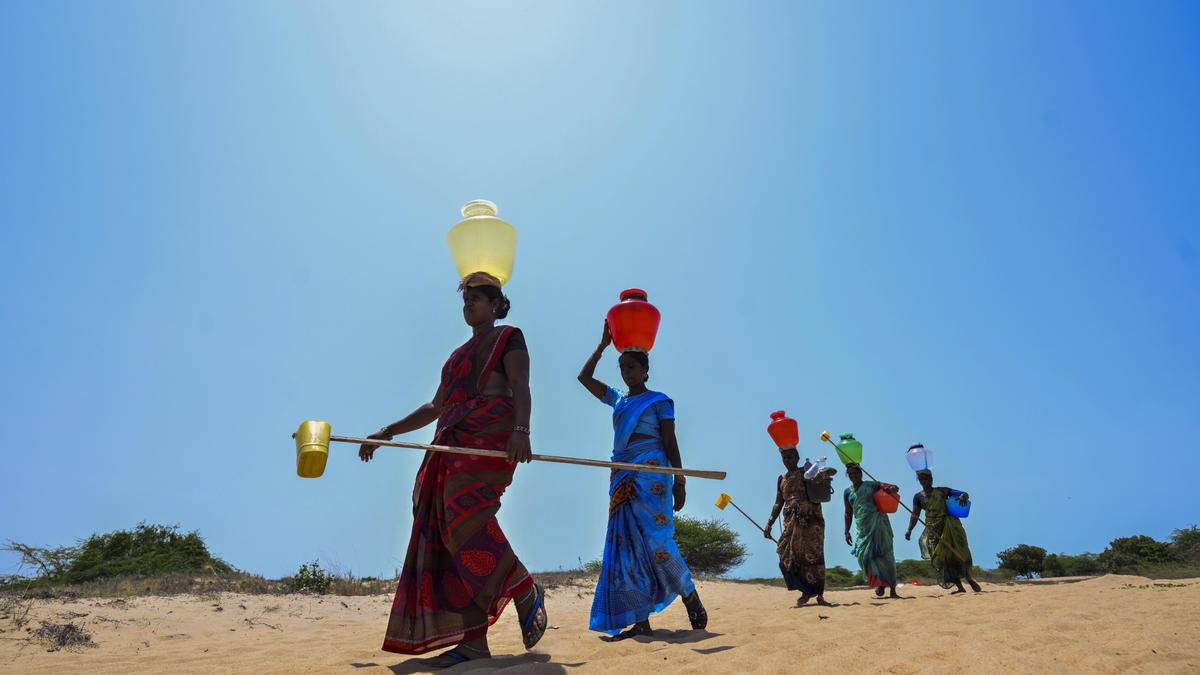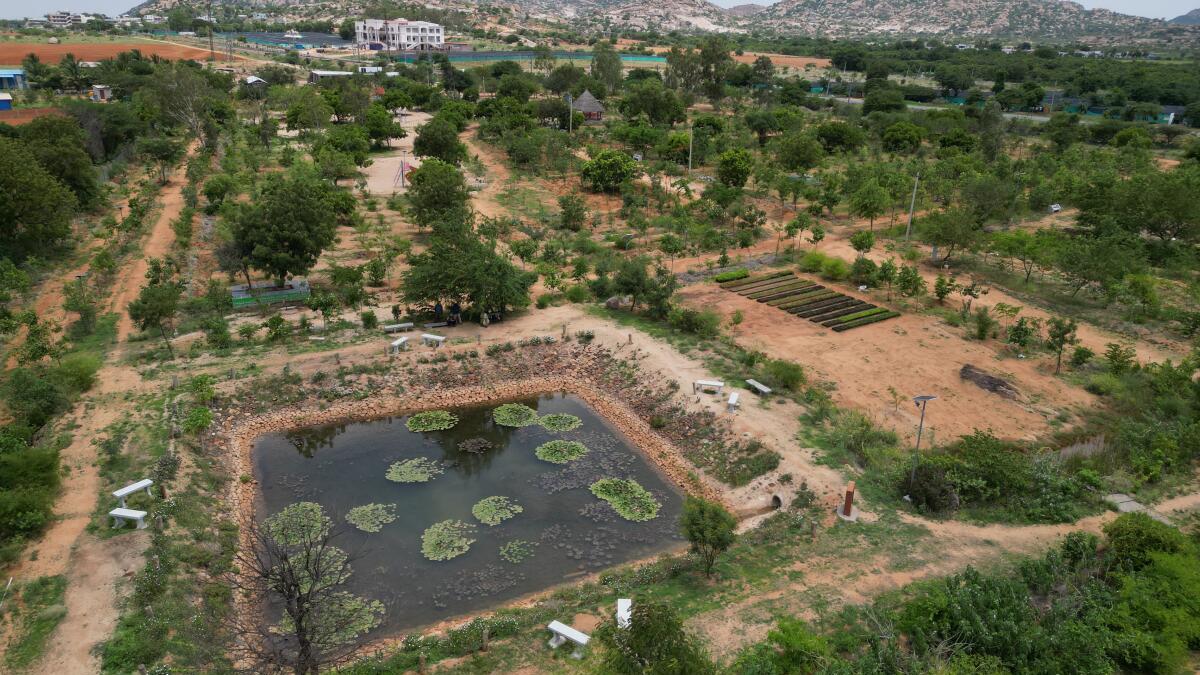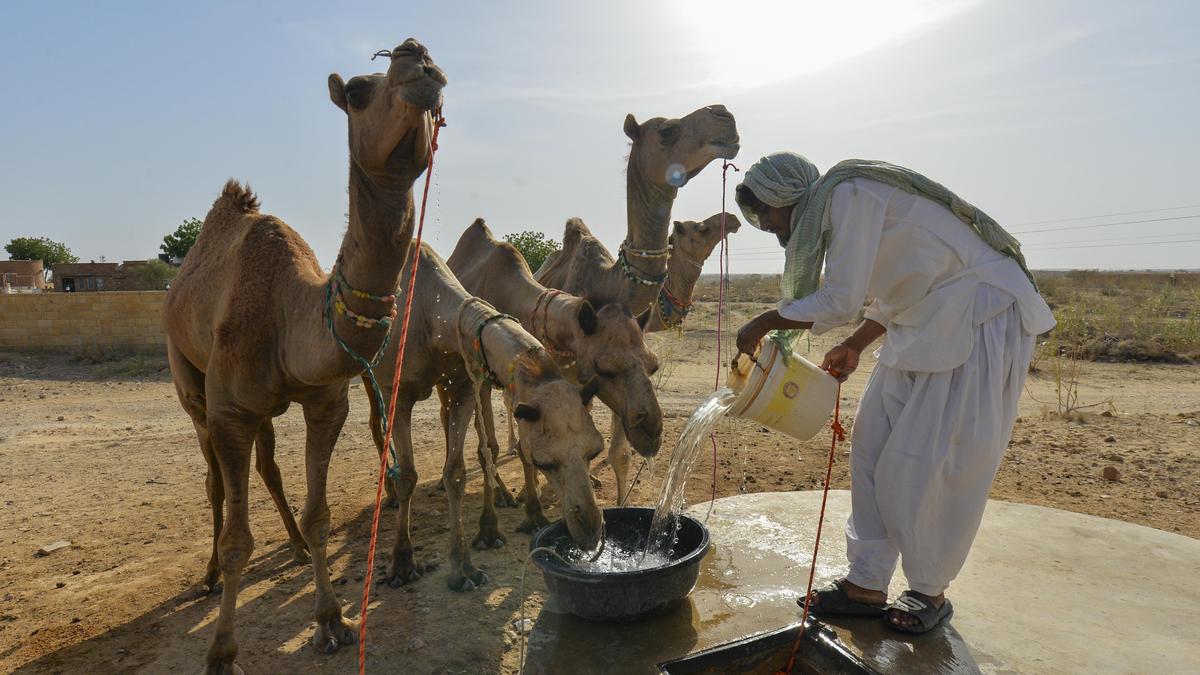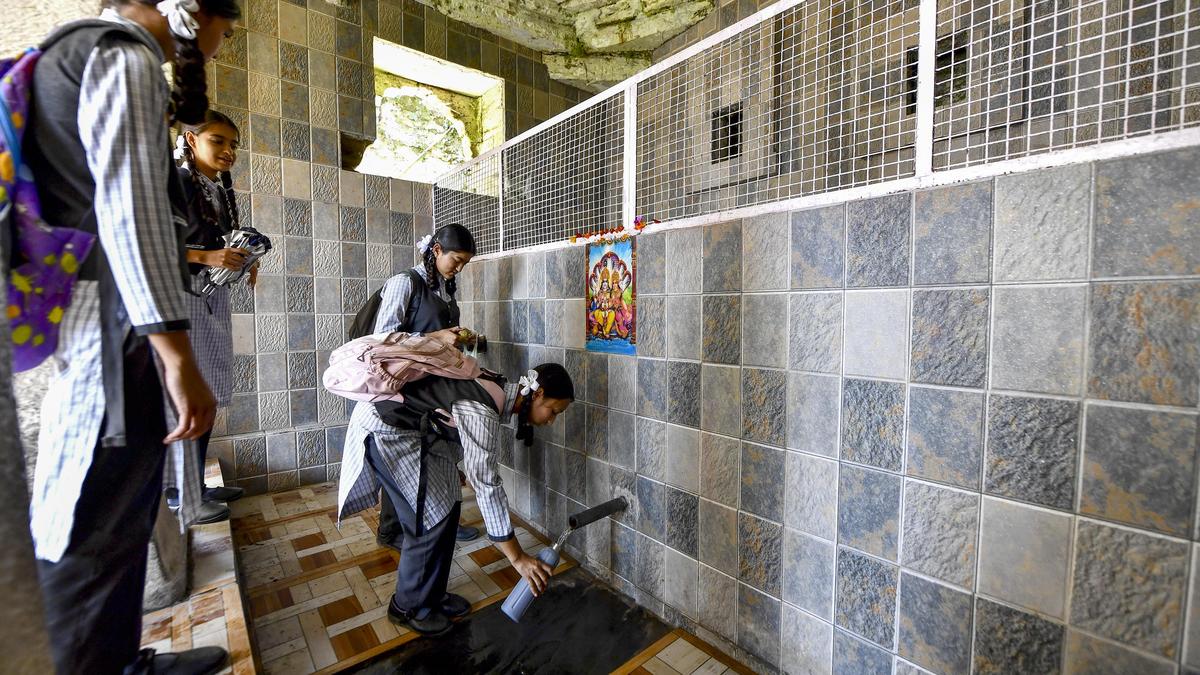
Naulas, or water temples, represent a remarkable union of nature and human ingenuity — places where one could drink clean water or even take a royal bath, as at the Ranidhara naula. These traditional stone-built water springs of the Kumaon region in Uttarakhand have long been an integral part of Himalayan life. They are not only historically significant but are also sites of water worship.In Kumaon culture, a naula is treated with the sanctity of a temple and these ancient stone-lined water structures serve as the primary lifeline for drinking water, especially where modern piped infrastructure faces geographical challenges.Today, however, many naulas and dharas, the natural springs where water emerges from the hillsides, are drying up, lying abandoned, or growing polluted — signs of a deepening environmental crisis across the State. Declining groundwater recharge has caused these springs to weaken, and many of these groundwater aquifers, tucked away inside village lanes or forest patches, have been neglected. Frequent forest fires compound the problem, destroying vegetation and drying out the soil.Climate change has further disrupted rainfall patterns, bringing irregular rains, reduced snowfall, and rapid surface run-off rather than steady absorption into the ground. Among the major drivers of this decline are road construction, urbanisation, and rising tourism, all of which have damaged natural water channels and recharge zones. Many villagers also speak of acute water shortages, particularly in summer, forcing them to climb to higher ground in search of water.Photo:
News in Frames | The drying naulas of Uttarakhand
The Hindu's News in Frames on May 24, 2026
497 words~2 min read