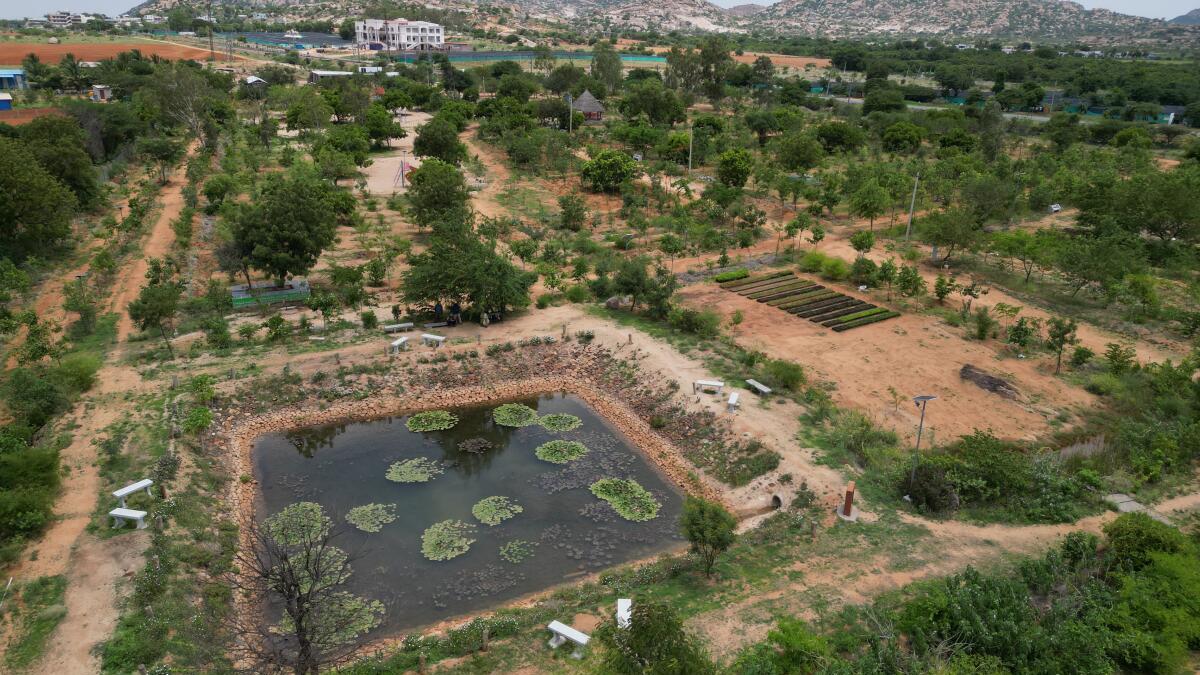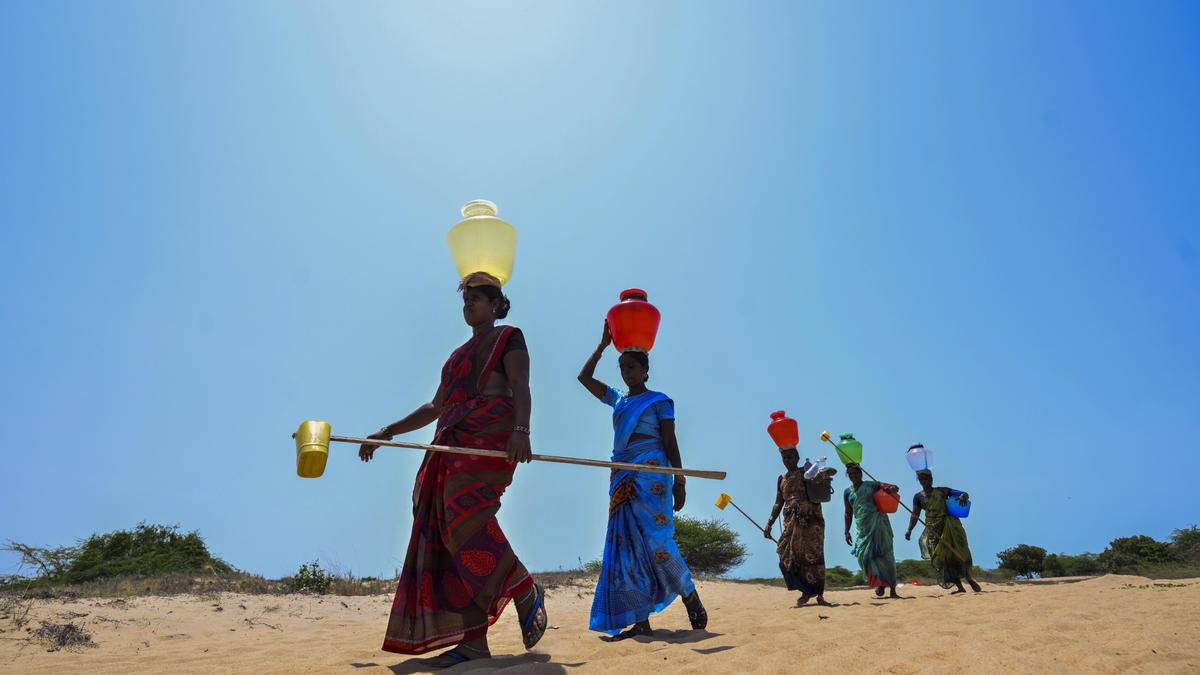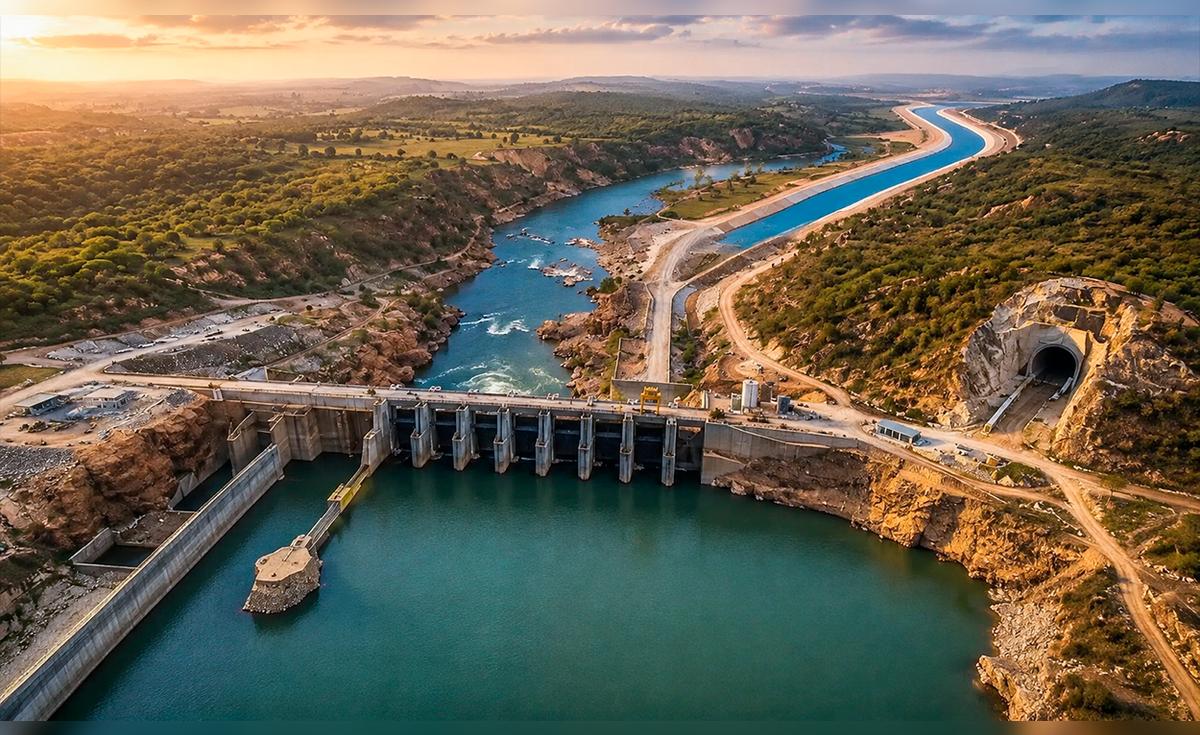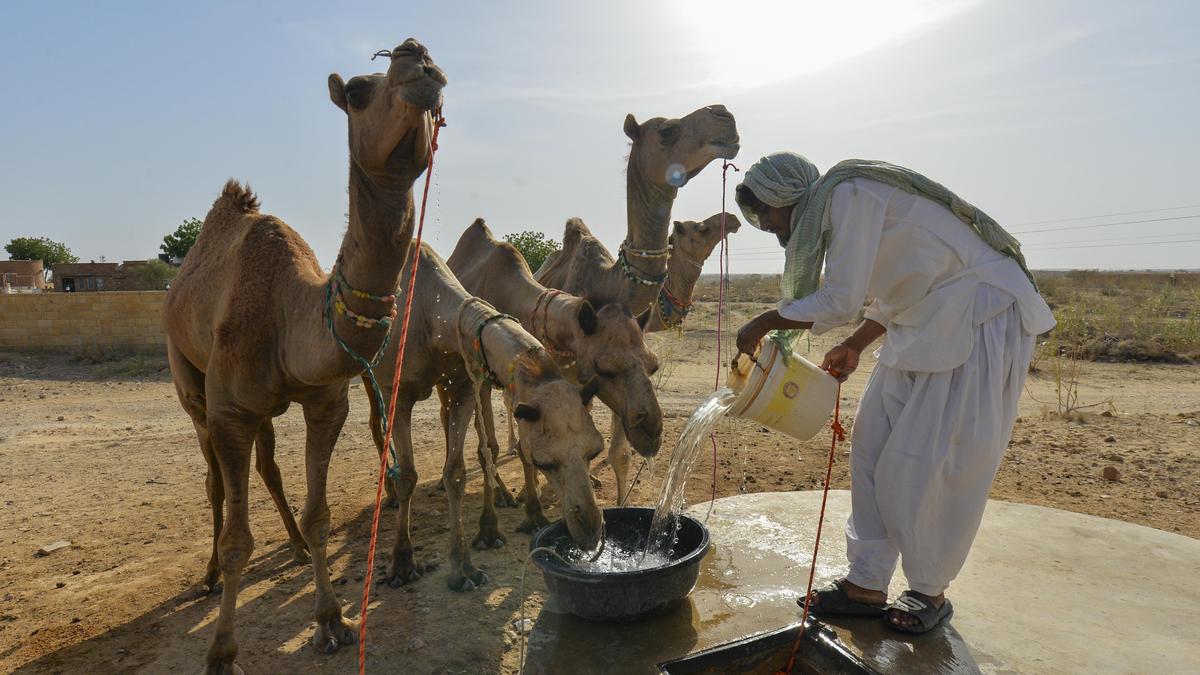
The Indira Gandhi Canal, which flows through a small stretch of northwestern Haryana before traversing Rajasthan and ending in the Thar Desert near Gadra Road in Jaisalmer district, is India’s longest canal, at 837 kilometres. It provides critical water supply to Jaisalmer and thousands of remote desert villages.The canal has also reduced dependence on scarce groundwater and supports large-scale irrigation, enabling farmers to cultivate crops and significantly strengthen animal husbandry. Rainfall itself has increased, a shift local people say is due to the increased availability of water and vegetation the canal has given growth to.“Fifty to sixty years ago, our forefathers in Jaisalmer used to tell guests, ‘You may ask for a glass of ghee or milk, but do not ask for a glass of water,’” says local social activist and veteran journalist R.K. Vyas. “That has changed... Due to the canal water, Jaisalmer witnessed changes in rainfall over the past decade. Though there was no rain last year, we pray that this year brings good rainfall so that our livestock survives and the cycle of nature continues with joy and prosperity,” he adds.However, despite this progress, the problem of water scarcity persists.According to the Central Groundwater Board, as of 2022, Jaisalmer’s urban area was among seven cities in the list of 219 of Rajasthan’s 302 blocks which were categorised as over-exploited for groundwater.With temperatures hovering between 47 and 50 degrees Celsius, resident Razak Mahmood depends on his two camels to draw water from his ancestral well in Kalu ka Talav, a village surrounded by sand dunes on the outskirts of Ramgarh near the India-Pakistan International Border in Rajasthan. People like Mahmood still struggle to secure enough water for themselves and their livestock. “The canal needs maintenance throughout the year so that sand dunes do not spill into them and obstruct the water flow,” says Hukumsinh Mahicha Rathod, who lives near the Jaisalmer Fort.Photo:
News in Frames | Bringing water to a scorching desert
The Hindu's News in Frames on May 31, 2026
528 words~2 min read