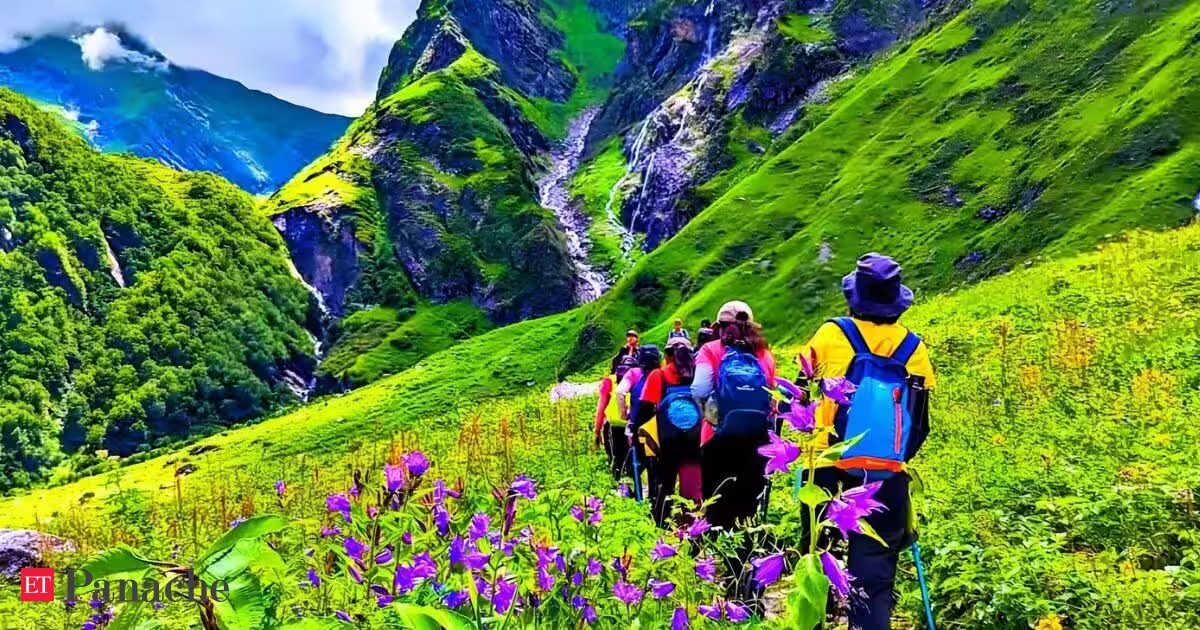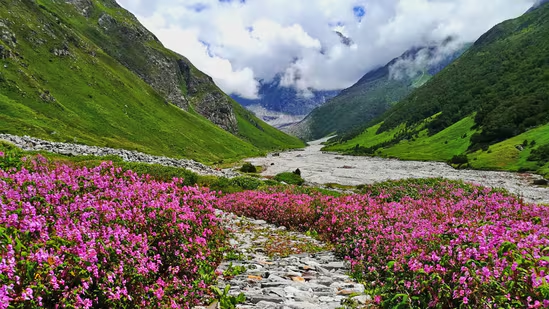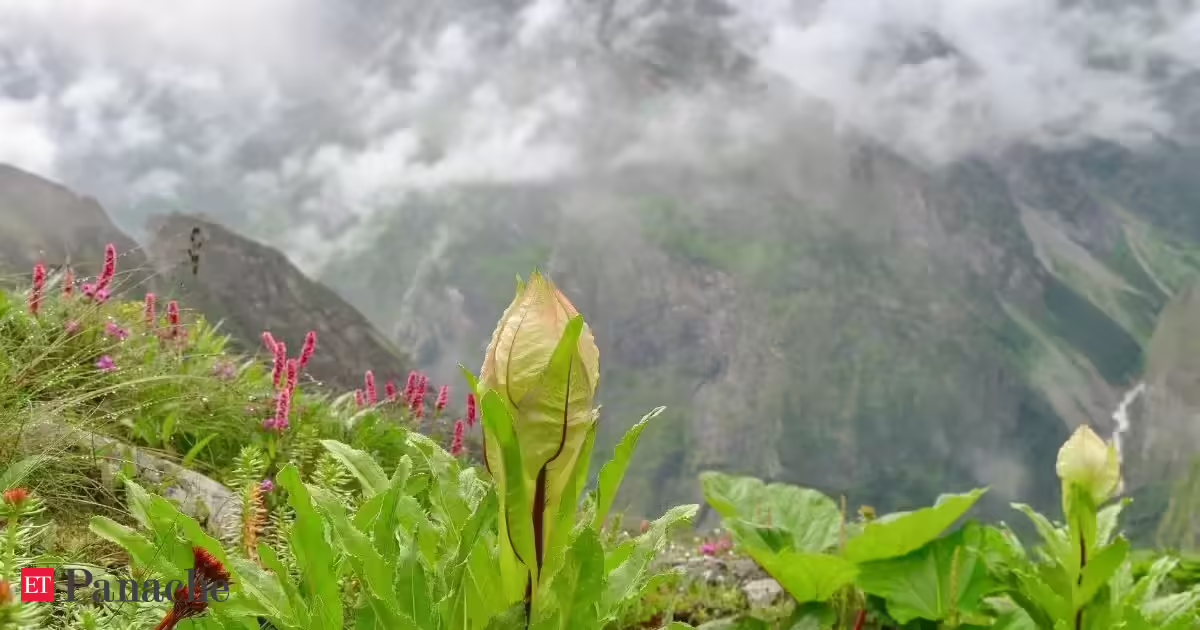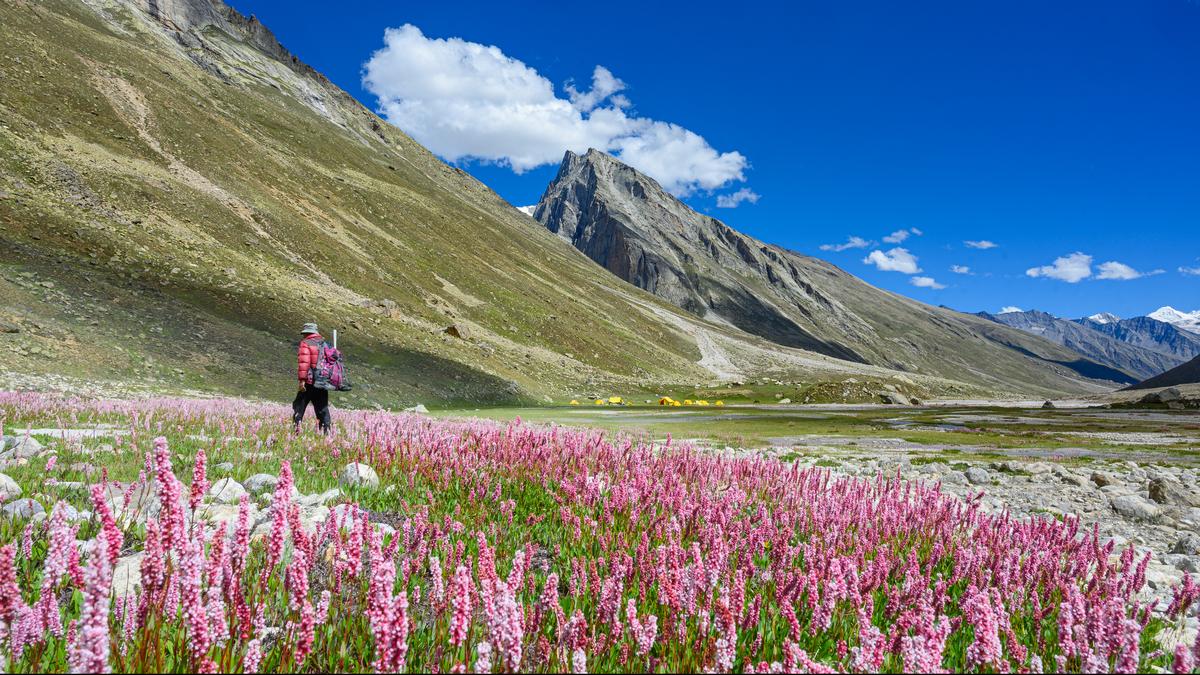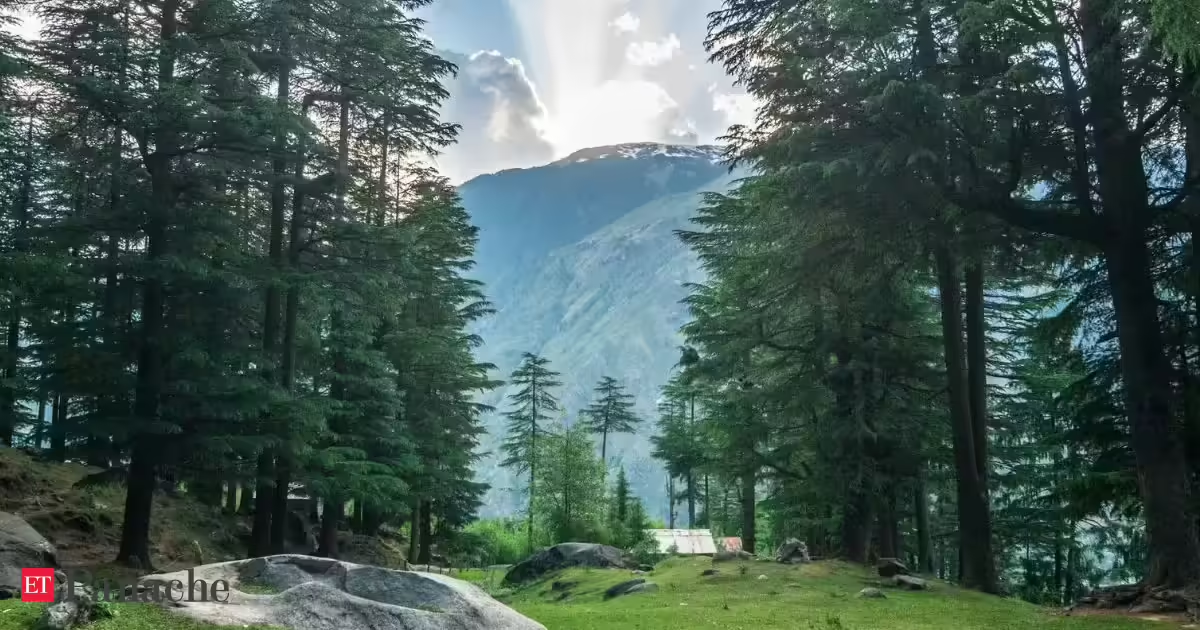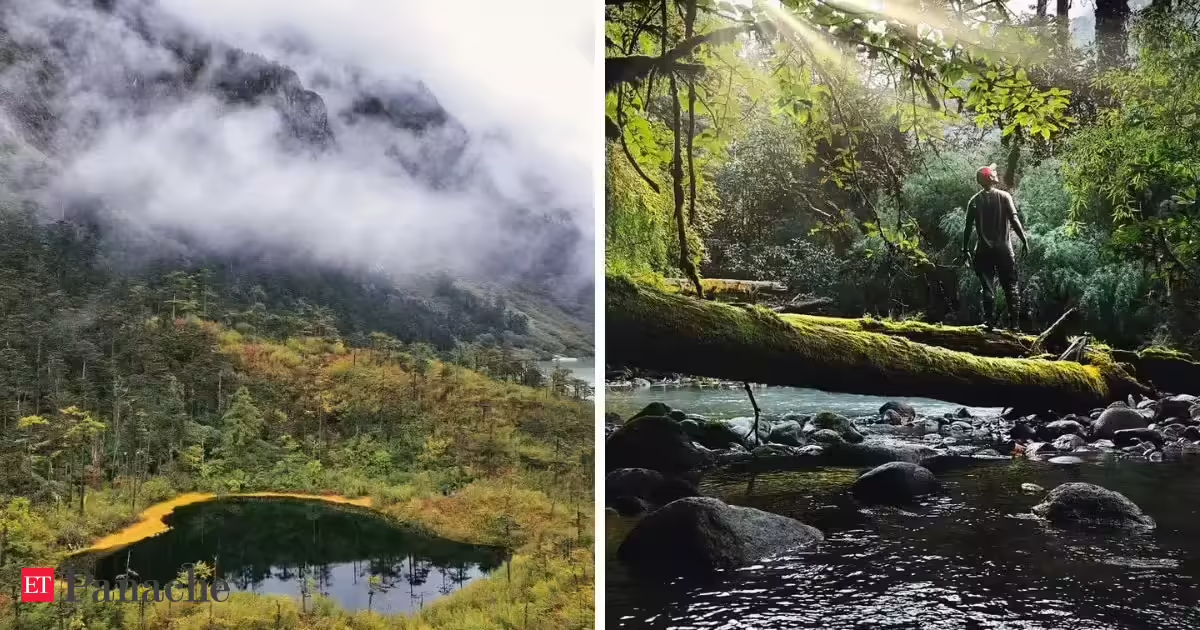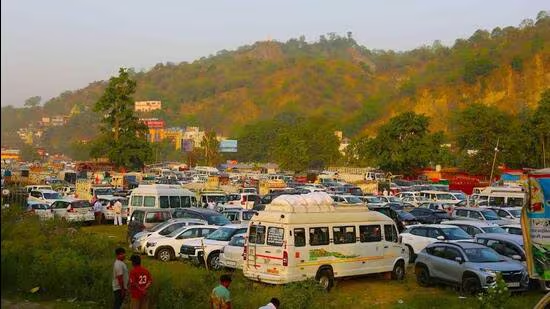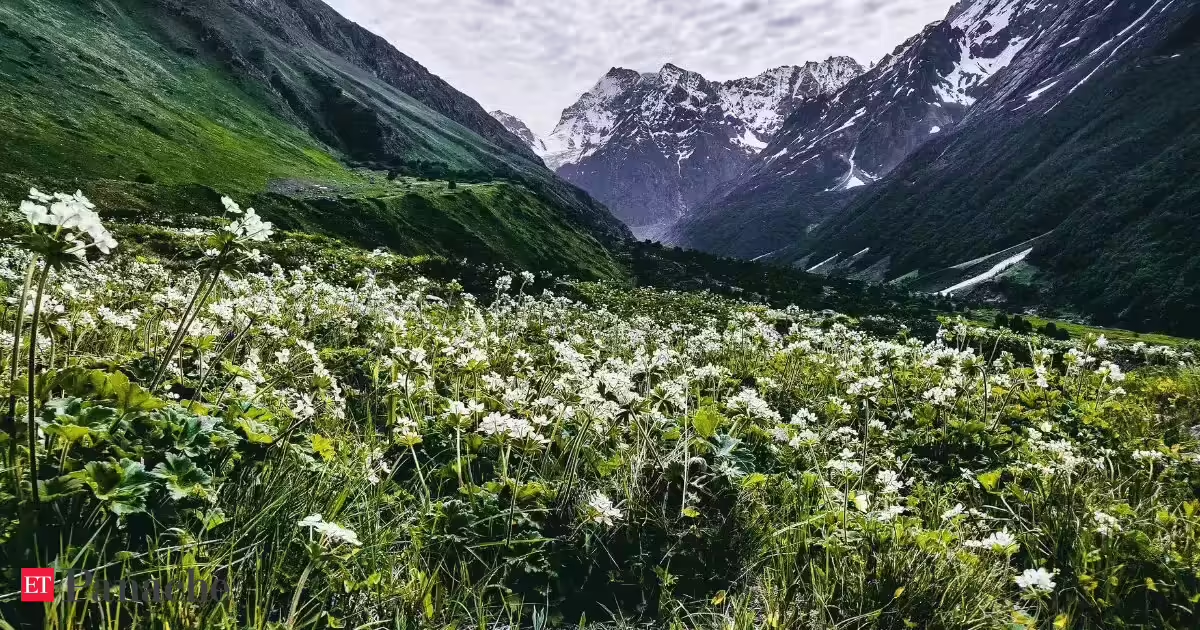
The month of June is finally upon us. As we bid goodbye to the scorching summer temperatures and welcome the monsoon season with open arms, nature lovers and trekking enthusiasts have another special reason to celebrate. The Valley of Flowers, tucked away in the heavenly landscapes of Uttarakhand, has opened its gates to tourists. Every year, the UNESCO World Heritage Site draws a large number of adventure seekers for its picturesque trails, lush greenery, and most importantly, the colourful alpine blooms spread across the region. The Valley of Flowers will remain open from June 1 to October 31. All you need to know about the Valley of FlowersThe Valley of Flowers, spread over an area of 87 sq km in the Chamoli district, is surrounded by the majestic Himalayan ranges. According to Uttarakhand Tourism, the valley was believed to have been discovered by 3 British mountaineers, led by Frank S Smythe, in 1931. Lost on their way, the trip happened to stumble upon this mesmerising spot and named it the ‘Valley of Flowers’.The Valley of Flowers is spread over an area of 87 sq km. (Image - iStock) The moderate trek to the Valley of Flowers will take you through verdant pastures, winding rocky roads, cascading waterfalls and gushing streams, coupled with cool breezes, the chirp of birds and occasional animal sightings like the grey langur, the flying squirrel, the Himalayan weasel, the red fox, and the lime butterfly. Lucky folks can also spot the snow leopard or the black bear. Once you reach the spot, at an altitude of 3,600 m above sea level, do not be amazed by the exotic and diverse range of flowers (more than 600 species), including orchids, poppies, primulas, marigolds, daisies and anemones, to name a few. Watch out for the rare Brahma Kamal and Blue Poppy. 5 nearby attractions to the Valley of FlowersHemkund Sahib: One of the highest gurudwaras in the world, the Gurudwara Sri Hemkund Sahib Ji, located at a height of about 4,329 m, is a sacred abode where spirituality meets tranquility. Encircled by snow-capped peaks, the place is also home to the calm waters of Hemkund Lake. As per folklore, Lakshman meditated on the banks of the river to regain his health and hence, there’s also a small shrine dedicated to him. One of the highest gurudwaras in the world. (Image - iStock) Mana: Does the idea of visiting the last village intrigue you? If yes, then Mana must be on your bucket list. Perched atop 3219 m above sea level, the quaint hamlet stands at the Uttarakhand Indo-Tibetan border, on the banks of the River Saraswati. The Mongol tribe lives here, so you can spend the day admiring their rustic cottages or sip hot tea at the last Indian stall. The Vasundhara Falls, Bheem Pul and Mata Murti temple are also must-visit spots.Mana village is located at the Uttarakhand Indo-Tibetan border. (Image: Instagram - himachal_pictures) Nanda Devi National Park: The Nanda Devi Biosphere Reserve is a nature lover’s paradise. This UNESCO World Heritage Site encompass a unique transition zone between the Zanskar mountain range and the Great Himalaya. Sprawling over 6,407.03 sq km, the region is home to a vast expanse of wilderness, like the snow leopard, the Himalayan musk deer, the Asiatic black bear, the Himalayan brown bear, bharal and Himalayan tahr. You can also spend your day bird-watching.The park is famous for its wilderness. (Image: Instagram - salil_pandavaas) Ghangaria: Nestled amid dense forests and towering Himalayan peaks, Ghangaria is the picturesque base camp for both the Valley of Flowers and Hemkund Sahib. Situated at an altitude of around 3,050 m, this small settlement comes alive during the trekking season, welcoming nature enthusiasts, pilgrims and adventure seekers from across the country. Bestowed with breathtaking landscapes, gushing streams and alpine meadows, Ghangaria offers a peaceful retreat before the challenging treks. It is also one of the best places to soak in the beauty of the Garhwal Himalayas. Ghangaria is the picturesque base camp. (Image - uttarakhandtourism)Pandukeshwar: Steeped in mythology and religious significance, Pandukeshwar is a quaint Himalayan village located between Joshimath and Badrinath. According to local legends, it is believed to be the place where King Pandu, the father of the Pandavas from the Mahabharata, meditated and performed penance. The village is best known for the ancient Yogadhyan Badri Temple, one of the revered Panch Badri shrines dedicated to Lord Vishnu. Surrounded by scenic valleys, snow-clad mountains and lush greenery, Pandukeshwar offers visitors a perfect blend of spirituality, history and natural beauty.Pandukeshwar is located between Joshimath and Badrinath. (Image - NBT)How to reach Valley of FlowersBy Air: The Jolly Grant Airport, about 292 km away, is the nearest airport to the Valley of Flowers. Since the roads are only connected to Govind Ghat, you have to trek for 16 km to reach the Valley of Flowers. By Train: The closest railhead to the Valley of Flowers is Rishikesh, located about 273 km away. From here, you can easily take a bus or taxi to reach Govind Ghat. By Road: The Valley of Flowers is well-connected to Govind Ghat with motorable roads and the road trip ensures pristine views.
India's magical Valley reopens again for visitors, but only for a few months. Trekking, a UNESCO site, rare flowers and Himalayan views. How to reach, nearby attractions
The Valley of Flowers in Uttarakhand has opened its gates for tourists. This UNESCO World Heritage Site is famous for its colorful alpine blooms and picturesque trails. The valley will remain open until October 31. Visitors can enjoy moderate treks through lush greenery, waterfalls, and streams. Nearby attractions include Hemkund Sahib, Mana, Nanda Devi National Park, Ghangaria, and Pandukeshwar.
TL;DRAI
Non-tech article. This is travel/tourism content about a UNESCO nature site in India with no tech, business, or IT angle — out of scope for Warptech Tech News.
860 words~4 min read