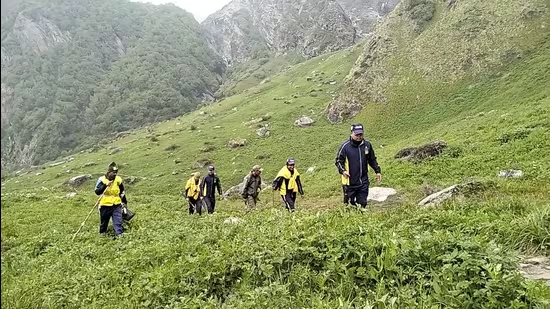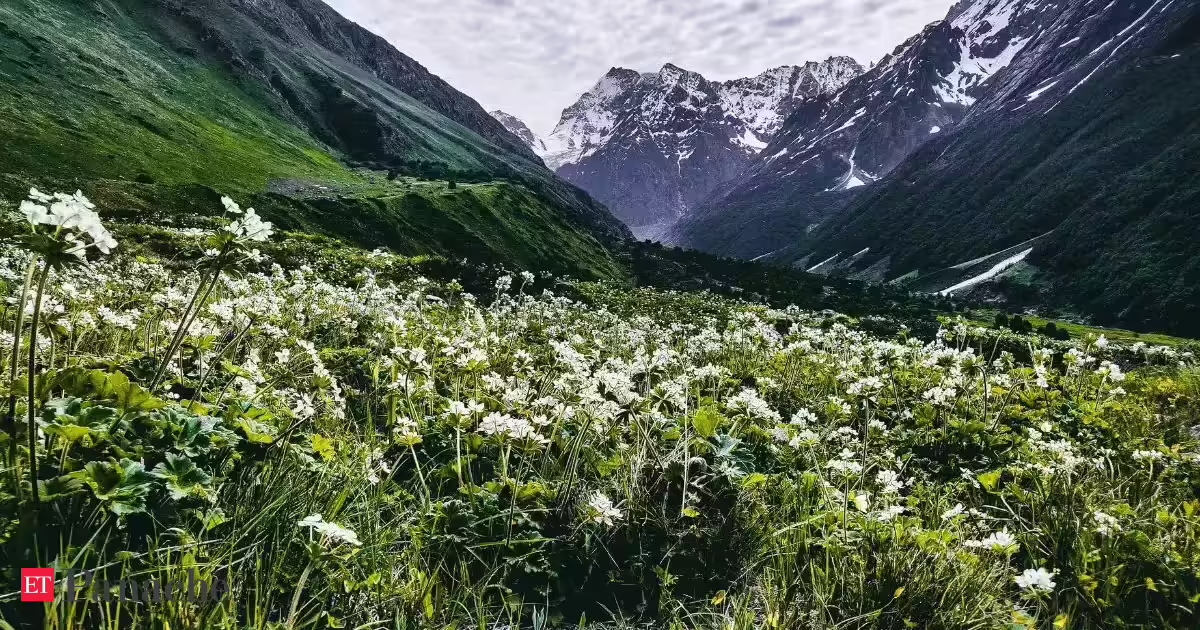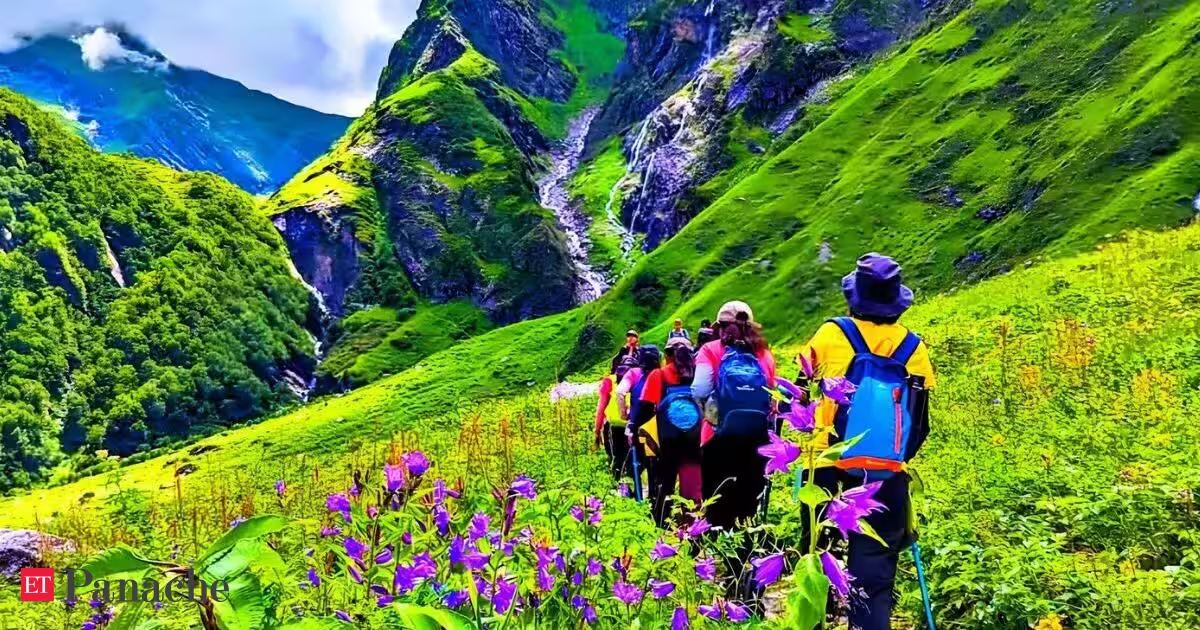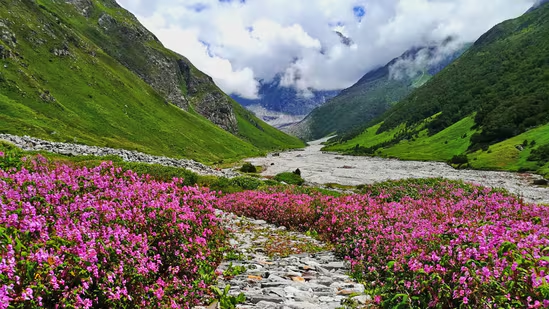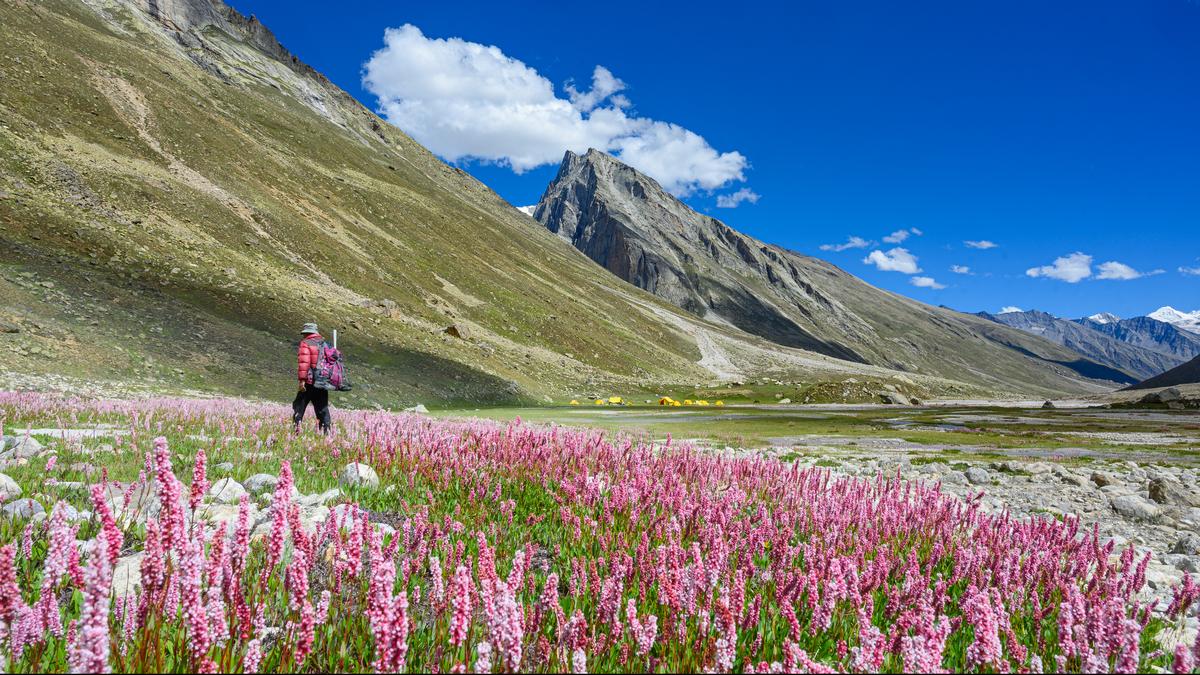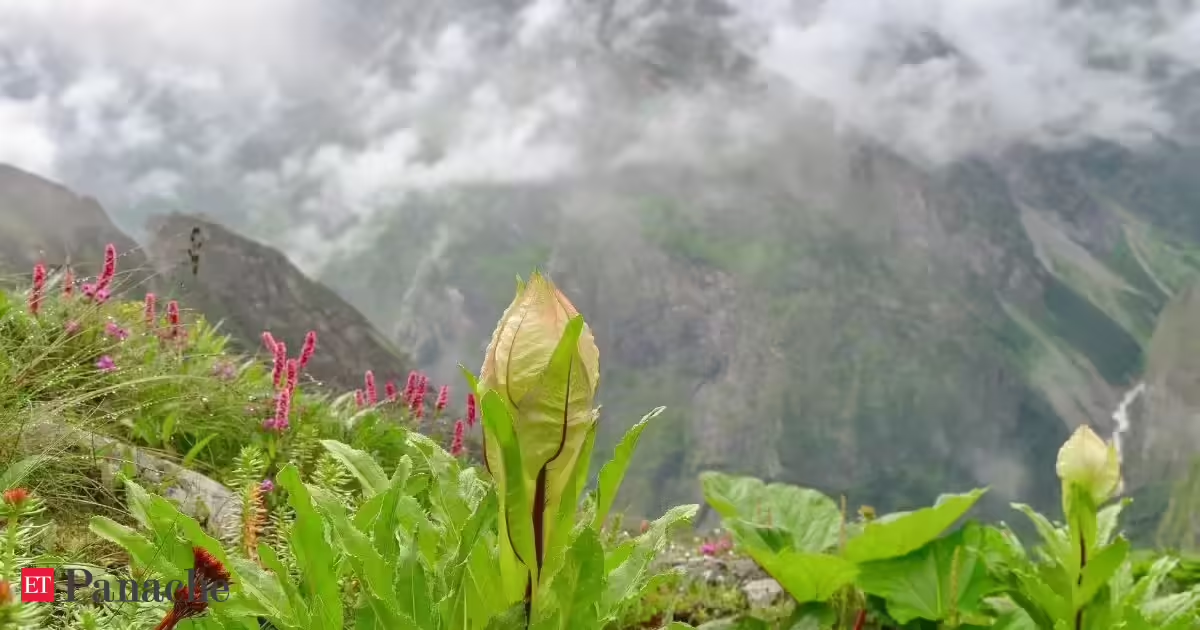
SynopsisThe Valley of Flowers in Uttarakhand, a UNESCO World Heritage Site, is now open, drawing nature lovers to its vibrant monsoon blooms. Beyond the widespread wildflowers, visitors can seek out rare species like the Blue Poppy and Brahma Kamal, and observe unique wildlife such as blue sheep in the adjoining Nanda Devi National Park.It is one of the most elusive floral spectacles in the Himalayas. (Istock)With the Valley of Flowers now open to visitors in June, thousands of nature lovers are once again heading into the Himalayas to witness one of India's most breathtaking landscapes. Nestled in Uttarakhand and recognised as a UNESCO World Heritage Site, the valley transforms into a mesmerising carpet of colours during the monsoon months. While most visitors come for the spectacular blooms, the region hides several rare flowers and fascinating wildlife species that make the journey even more rewarding.Located in the Chamoli district of Uttarakhand, the Valley of Flowers is famous for its alpine meadows, dramatic mountain backdrops and extraordinary biodiversity. Every year, as the snow begins to melt and the flowering season starts, the valley comes alive with hundreds of species of plants that paint the landscape in vibrant shades. But beyond the sea of wildflowers, there are a few rare treasures visitors should keep an eye out for.Blue Poppy: The Queen of Himalayan FlowersAmong the most sought-after blooms in the region is the Blue Poppy, often called the Queen of Himalayan Flowers. Known scientifically as Meconopsis aculeata, the flower derives its name from the Greek word "Mecon," meaning poppy. The species name "aculeata" refers to its prickly nature, as per information on valleyofflowers.info.The Blue Poppy is considered endangered and is one of the most iconic flowers found in the higher reaches of the Himalayas. While visitors can occasionally spot it in the Valley of Flowers, it is found in far greater abundance near Hemkund Sahib. The best time to see the Blue Poppy is from mid-July until the end of August, when its striking blue petals stand out against the rugged mountain landscape.The plant is known to contain narcotic constituents, while its roots are considered poisonous. Despite this, it remains one of the most photographed flowers in the region and a major attraction for botanists and trekkers alike.Brahma Kamal: The rare flower that blooms for just one nightFew flowers carry as much mystique as the Brahma Kamal. Scientifically known as Saussurea obvallata, this rare Himalayan flower belongs to the sunflower family and holds deep religious significance in Hindu traditions.According to mythology, Lord Brahma, the creator of the universe, is believed to have sat upon this flower while meditating. Its association with spirituality has made it an important part of religious ceremonies for centuries.What makes the Brahma Kamal especially fascinating is its blooming cycle. The flower is known to bloom only once a year and remains open for just a single night, making it one of the most elusive floral spectacles in the Himalayas. The flowering season typically falls between July and August. Visitors are more likely to find the flower near Hemkund Sahib Lake and along the final stretch of the trek leading to the shrine.According to information available on several websites, the Brahma Kamal is generally not found inside the Valley of Flowers itself, despite being present in nearby Himalayan regions. Its rarity and religious importance make it one of the most celebrated flowers in Uttarakhand.Cobra Lily: A flower that resembles a snakeAnother unusual species found along the trekking route is the Cobra Lily. Named for its striking resemblance to a cobra with a raised hood, this flower is among the more intriguing sights visitors can encounter on their journey.The flowering period for Cobra Lily generally runs from June to July. Trekkers can spot it in the forested sections after crossing the helipad grounds on the route from Govindghat to Ghangaria. It is particularly visible during the final kilometre before reaching Ghangaria. The flower can also be seen on the trail leading from Ghangaria toward the Valley of Flowers.Interestingly, while it is commonly spotted along these trekking routes, some websites suggest that Cobra Lilies are rarely found inside the Valley of Flowers itself. Its unique appearance makes it one of the most recognisable plants in the region.Watch out for blue sheep and other wildlifeThe region is not only a paradise for flower enthusiasts. Wildlife lovers also have plenty to look forward to. According to information provided by UNESCO, the adjoining Nanda Devi National Park contains a remarkable variety of high-altitude habitats that support several threatened species. Among the most notable animals found in the area are the snow leopard and the Himalayan musk deer.The park is also home to a significant population of bharal, commonly known as blue sheep. While blue sheep occasionally wander near the fringes of the Valley of Flowers, UNESCO notes that larger populations are found in the high-altitude landscapes of Nanda Devi National Park and the surrounding transition zones. Their ability to navigate steep rocky terrain and blend into mountain slopes makes them a fascinating sight for trekkers and wildlife enthusiasts.Read More News on...morelessRead More News on...moreless
A flower that blooms only once a year for one night awaits at this UNESCO site 500 kms from Delhi. What else to check here?
The Valley of Flowers in Uttarakhand, a UNESCO World Heritage Site, is now open, drawing nature lovers to its vibrant monsoon blooms. Beyond the widespread wildflowers, visitors can seek out rare species like the Blue Poppy and Brahma Kamal, and observe unique wildlife such as blue sheep in the adjoining Nanda Devi National Park.
849 words~4 min read