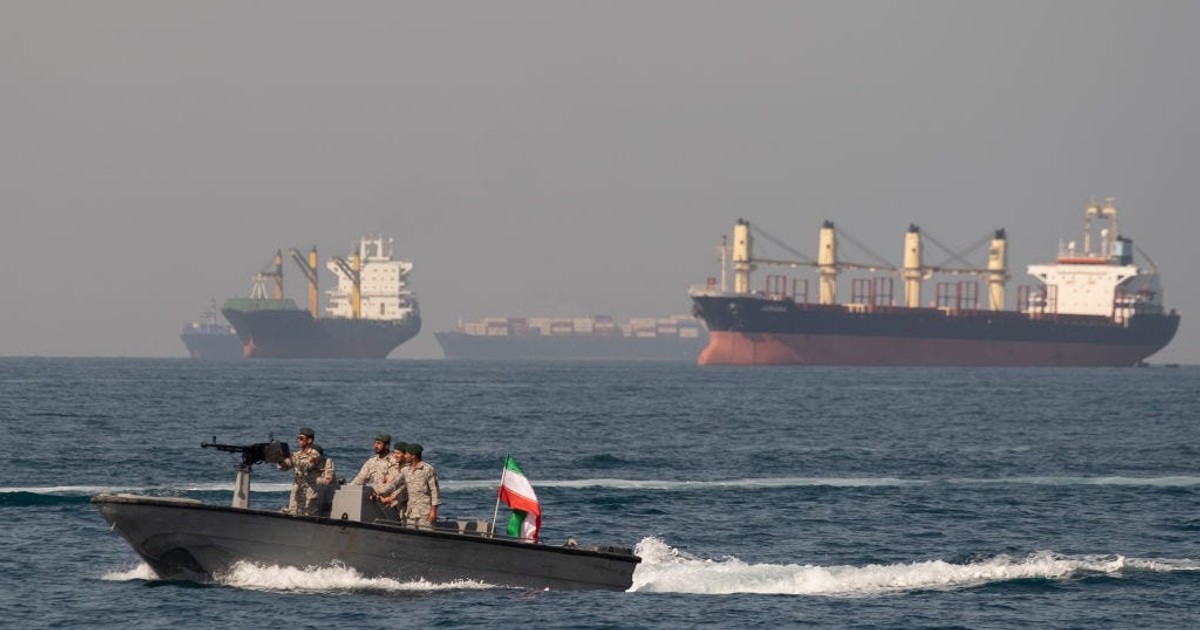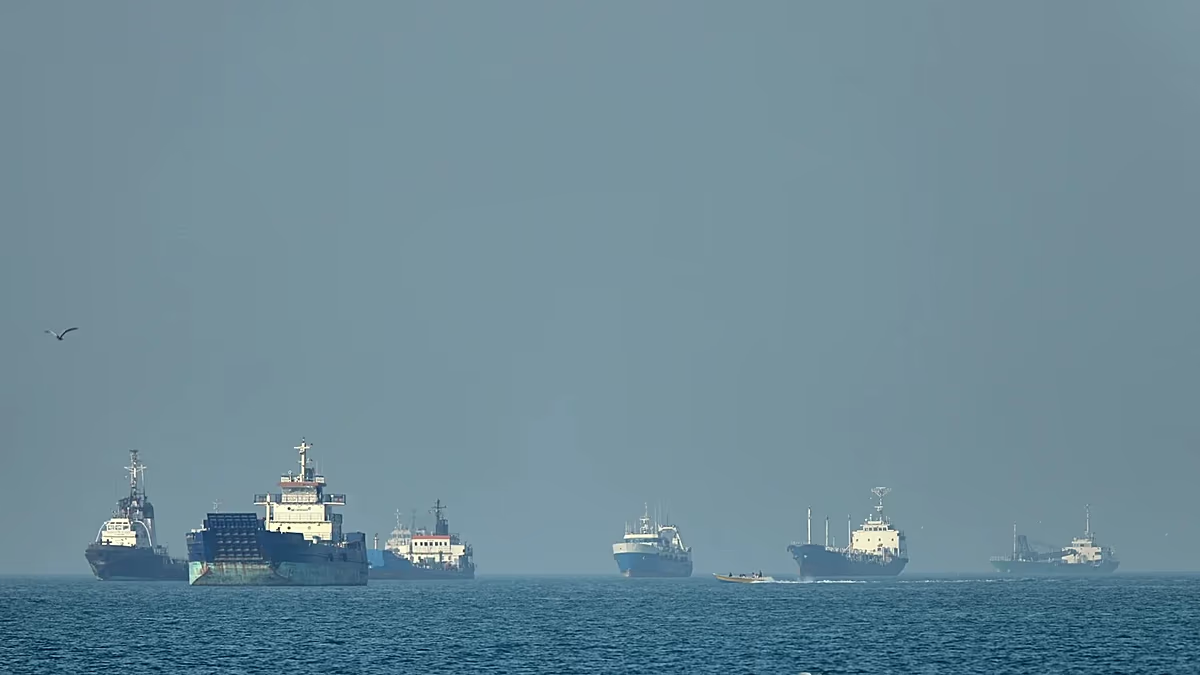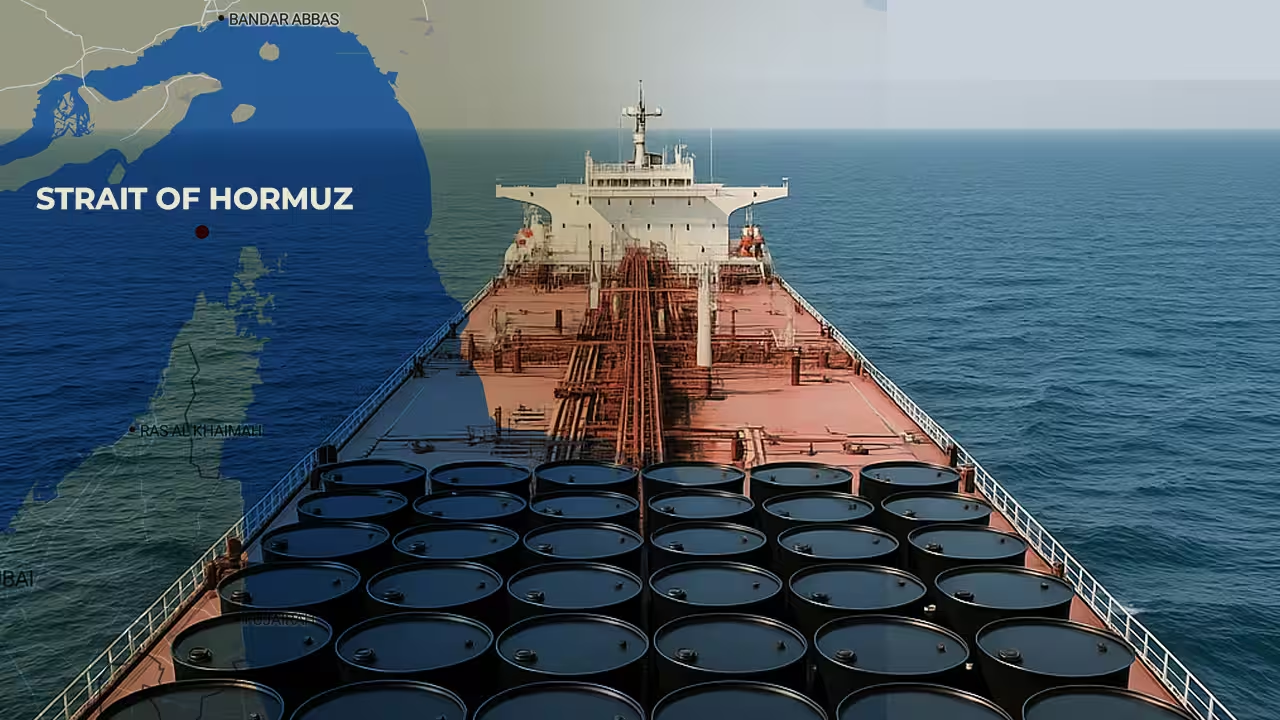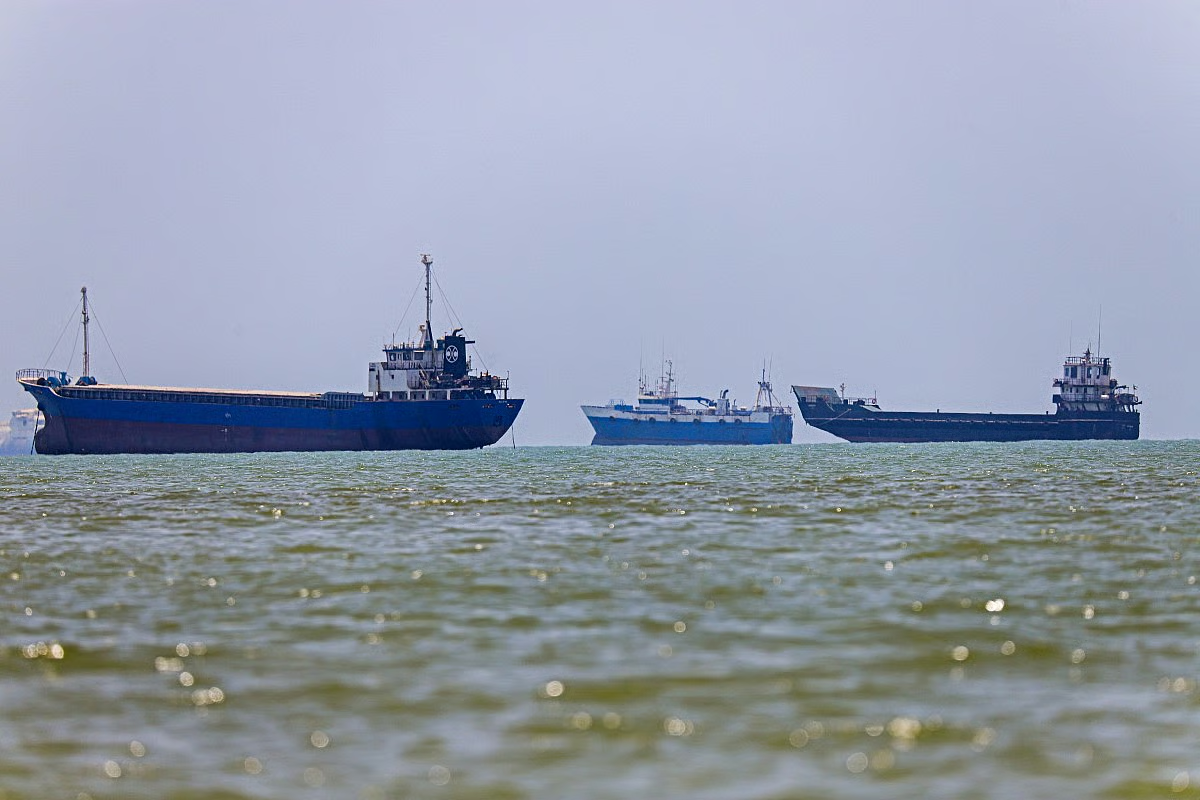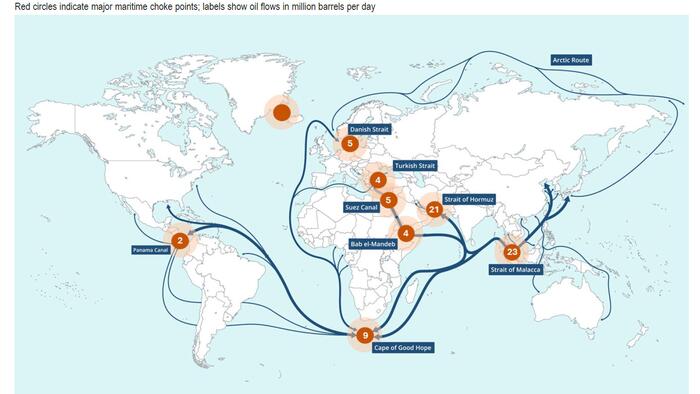
PremiumWith the fate of the Strait of Hormuz in the balance (and, for once, Lindsay Graham making a good point about the balance of power in the Middle East should Iran end up with uncontested control over who can and can't cross the SoH), it's a good time to look at the world's key seaborne passages, especially in light of the recent diplomatic fiasco when an Indonesian minister floated the idea of collaborating with Malaysia and Singapore to impose a toll on ships passing through the Strait of Malacca (following immediate regional pushback, Jakarta quickly walked back the comments, clarifying that the proposal was made as a "joke" and "in a humorous tone").To do that, we excerpt from the latest note by JPMorgan's Natasha Kaneva titled "Port Authority" which digs deeper into this issue (full note available to pro subs).
If Iran Imposes A Permanent Toll On Hormuz, Who Will Start Charging Next: Deep Dive Inside The World's Oil Chokepoints
States may regulate navigation and recover the cost of specific services, but they may not impose a general transit toll in internationally significant waterways.
140 words~1 min read