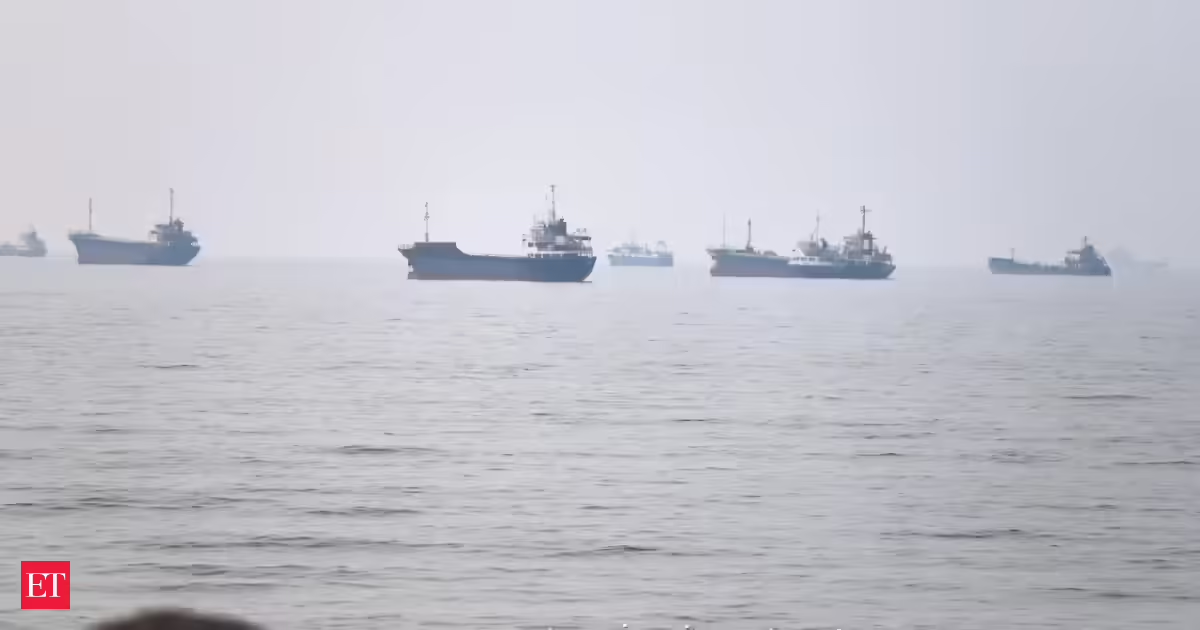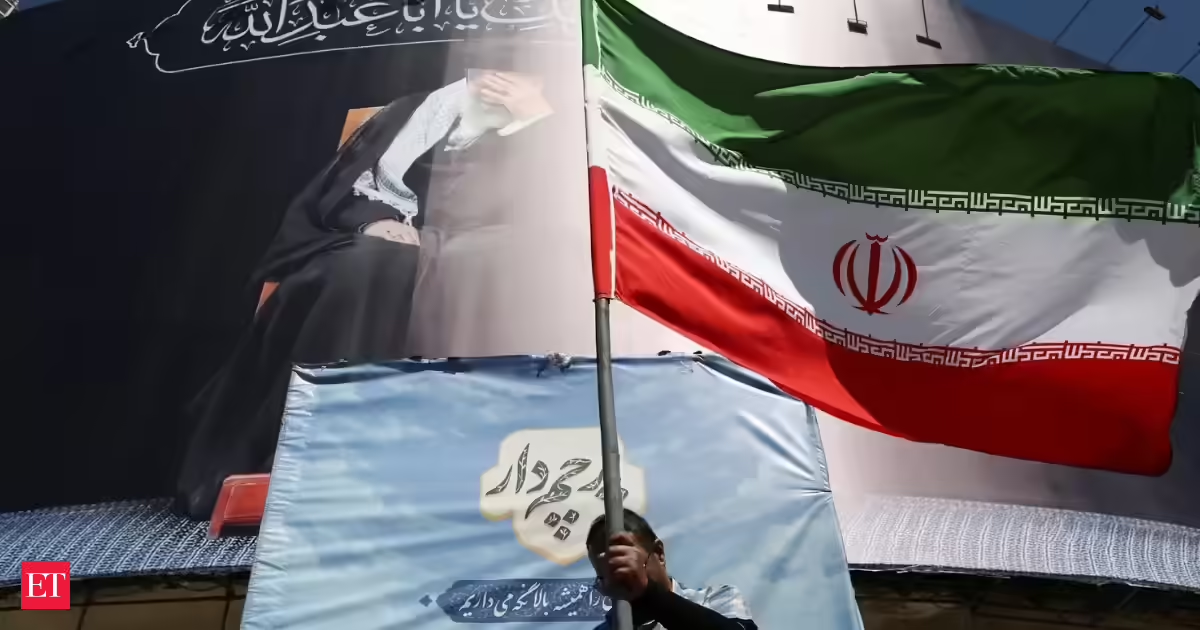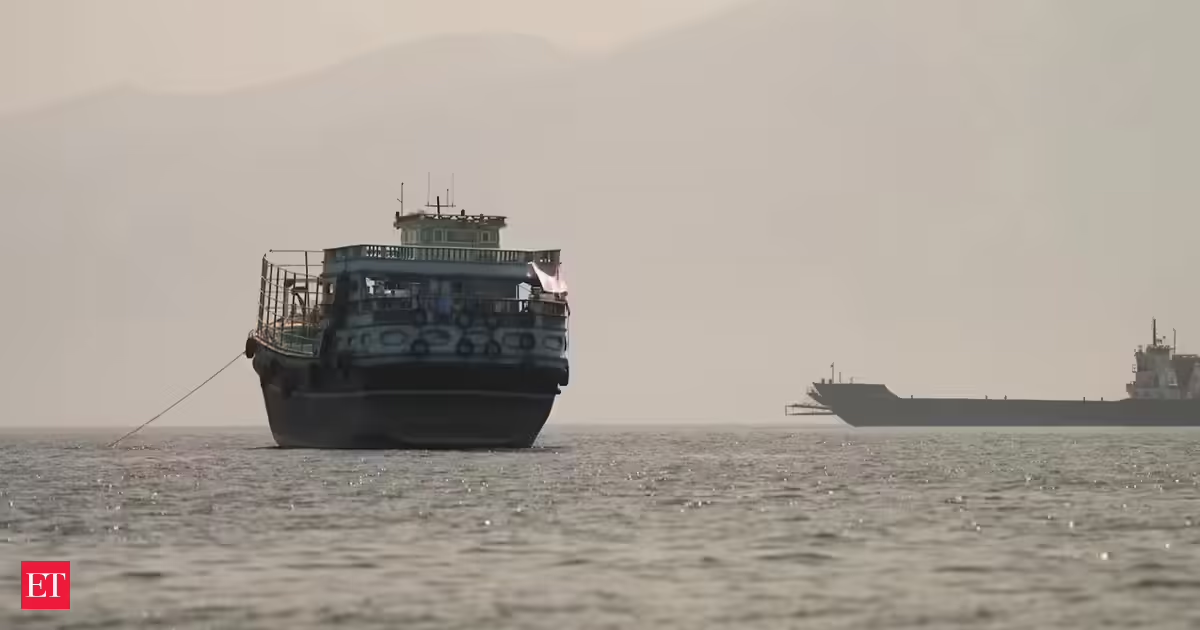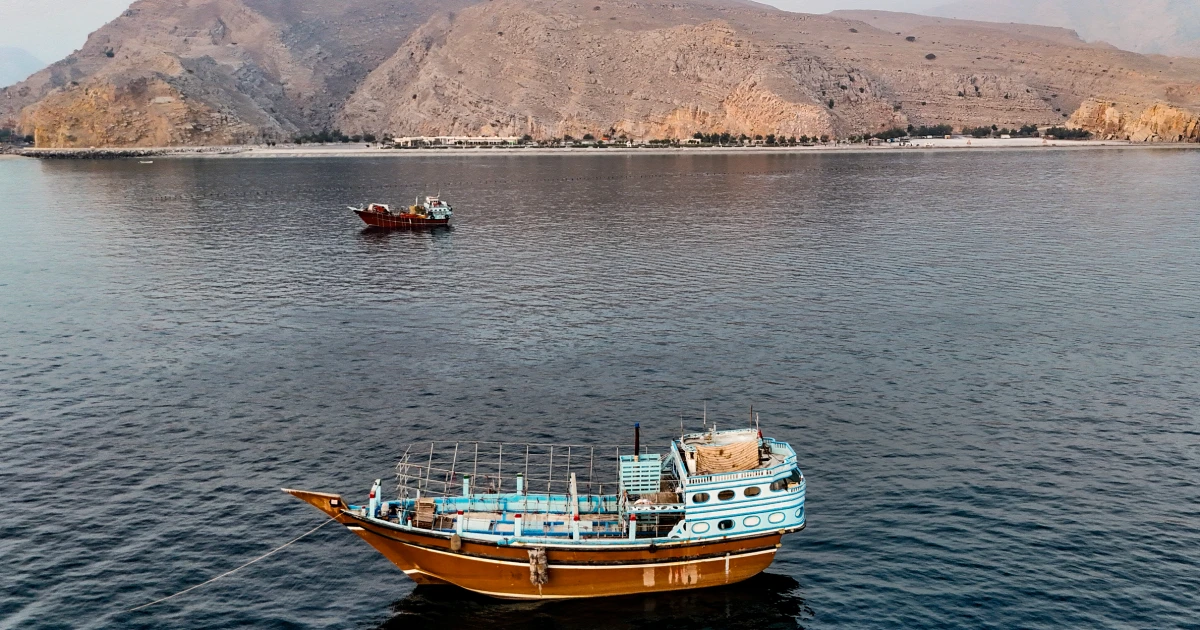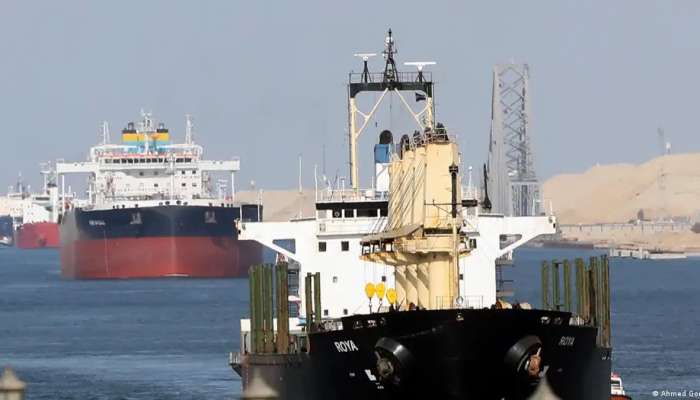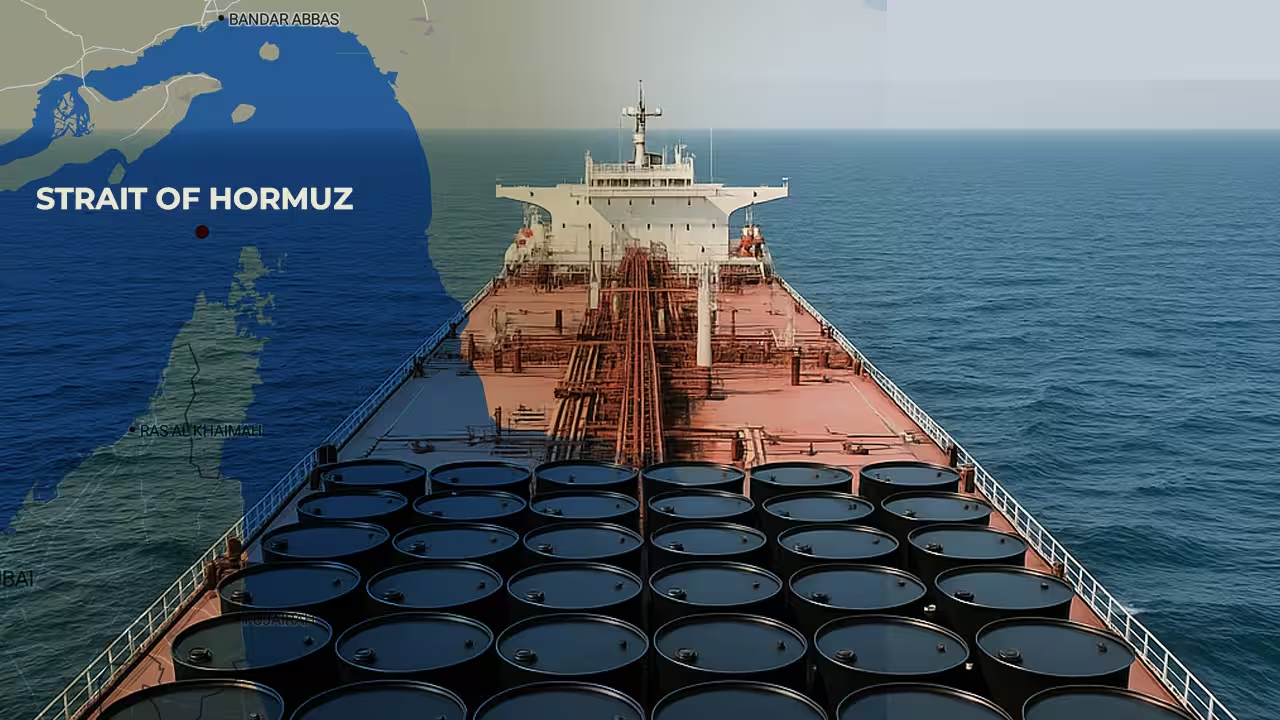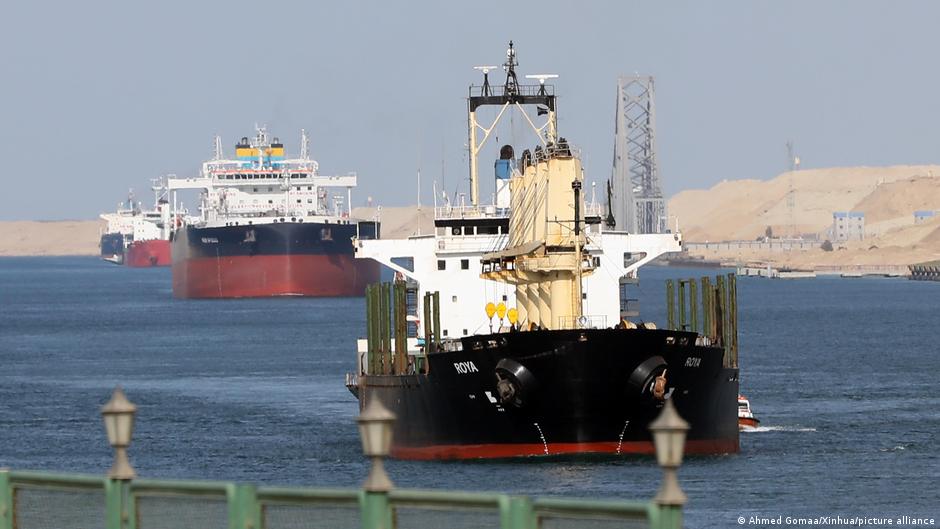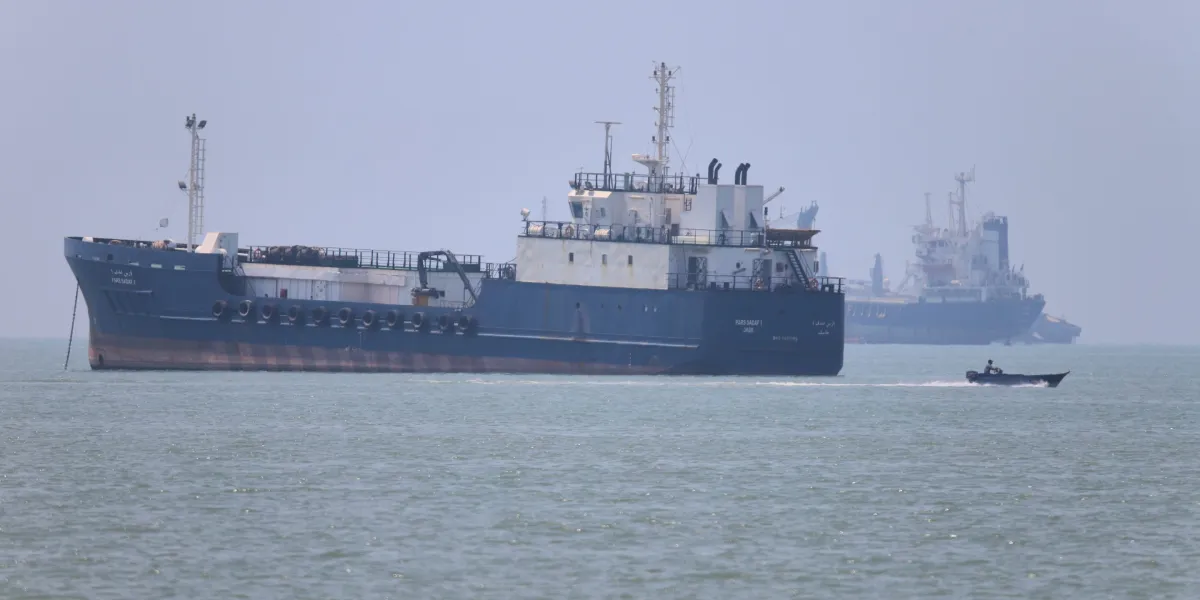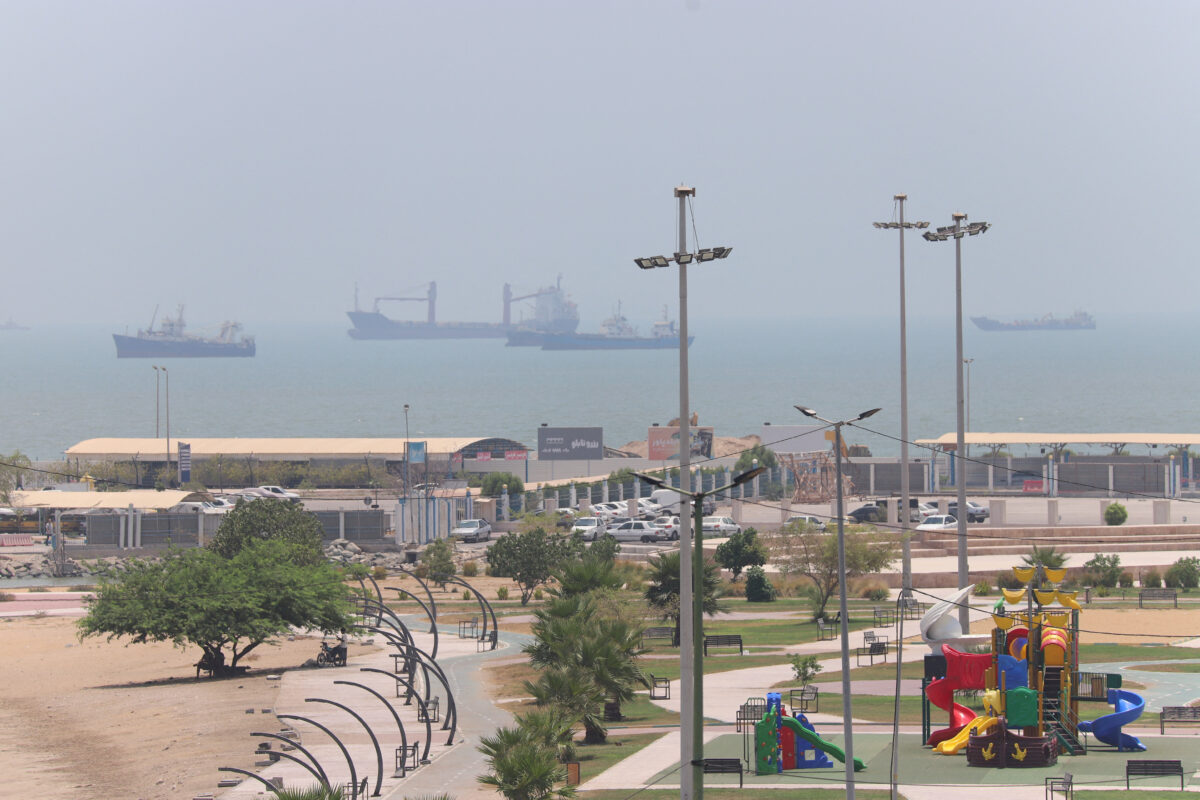
If it costs money to cross the Suez Canal and the Panama Canal, why does it matter if ships must pay to cross the Strait of Hormuz? For some time, that appeared to be the shrugging reaction of the United States government to suggestions that Iran might extend its de facto toll regime in Hormuz after the conclusion of hostilities, charging fees ostensibly in exchange for its ‘management’ of the waterway.
Secretary of State Marco Rubio, after a tour with allies in the Gulf, has rhetorically firmed up US opposition to an ongoing regime of tolls administered by Iran. Yet it remains far from clear how Washington, stung by what can — in spite of some heroic efforts to suggest the contrary — only be categorised as a defeat in the war on Iran, might be able to ensure that the Strait remains free, in both senses of the word, for shipping.
Rubio is correct to argue that Iran has no legal right to impede transit traffic in an international waterway. Under the UN Convention on the Law of the Sea (UNCLOS), ships have a clear right to unobstructed, untolled passage of the Strait. Of course, Iran has never ratified UNCLOS, disputes some of its legal framework, including the right of transit passage, and has also disputed the Strait’s designation as an international waterway.