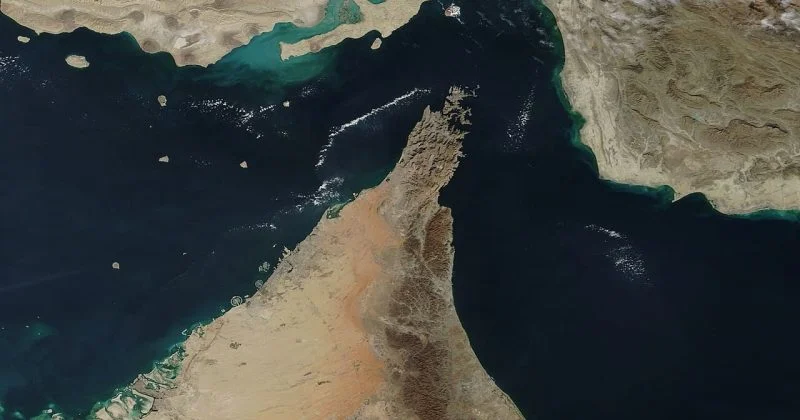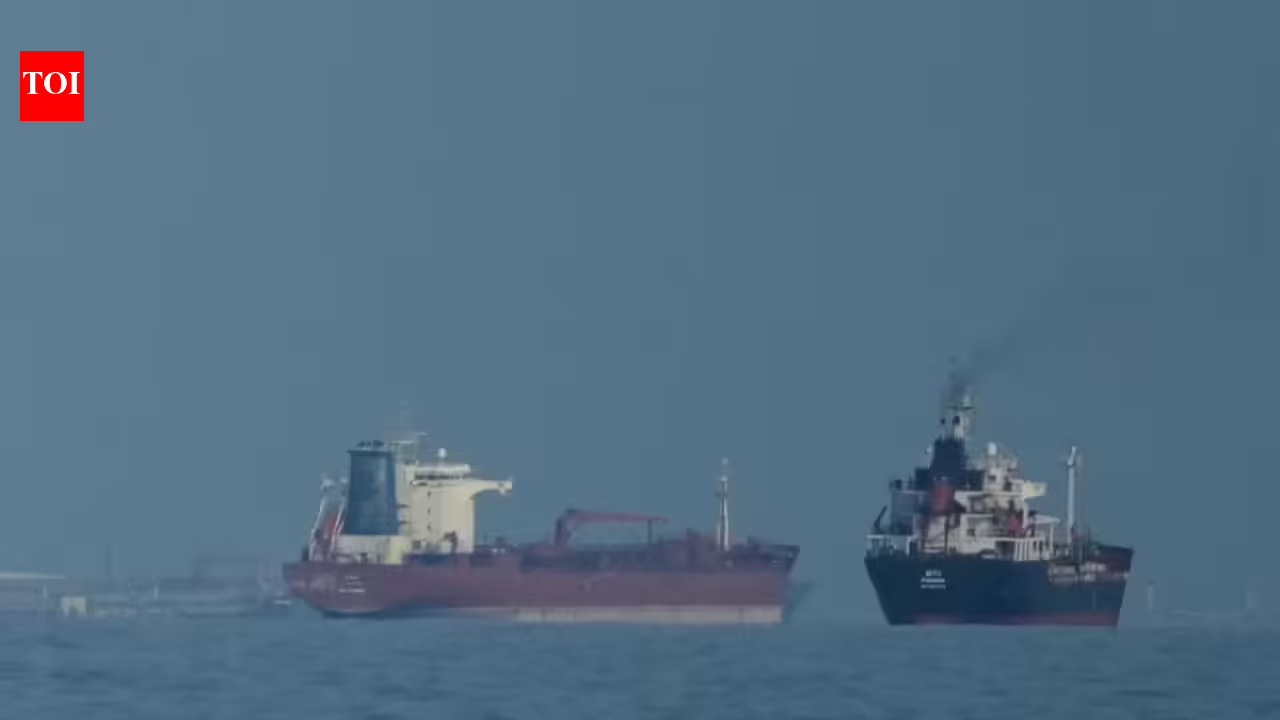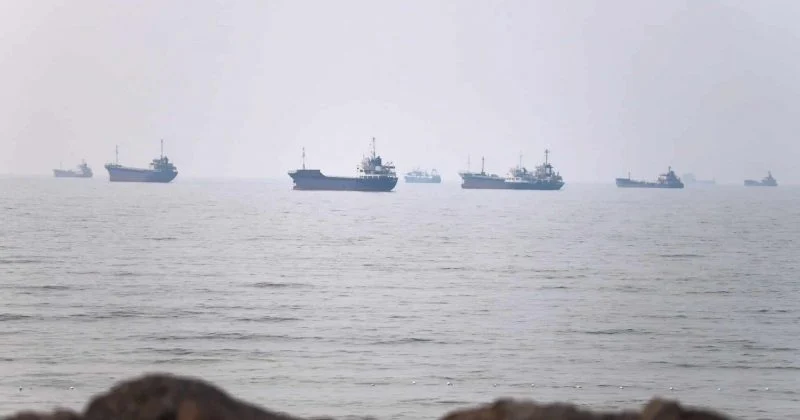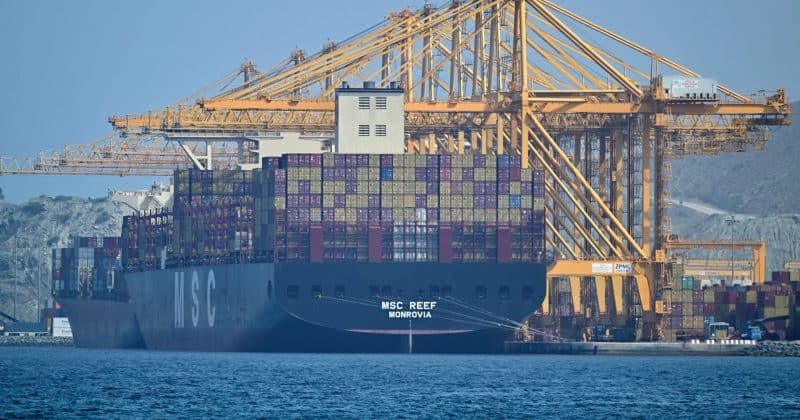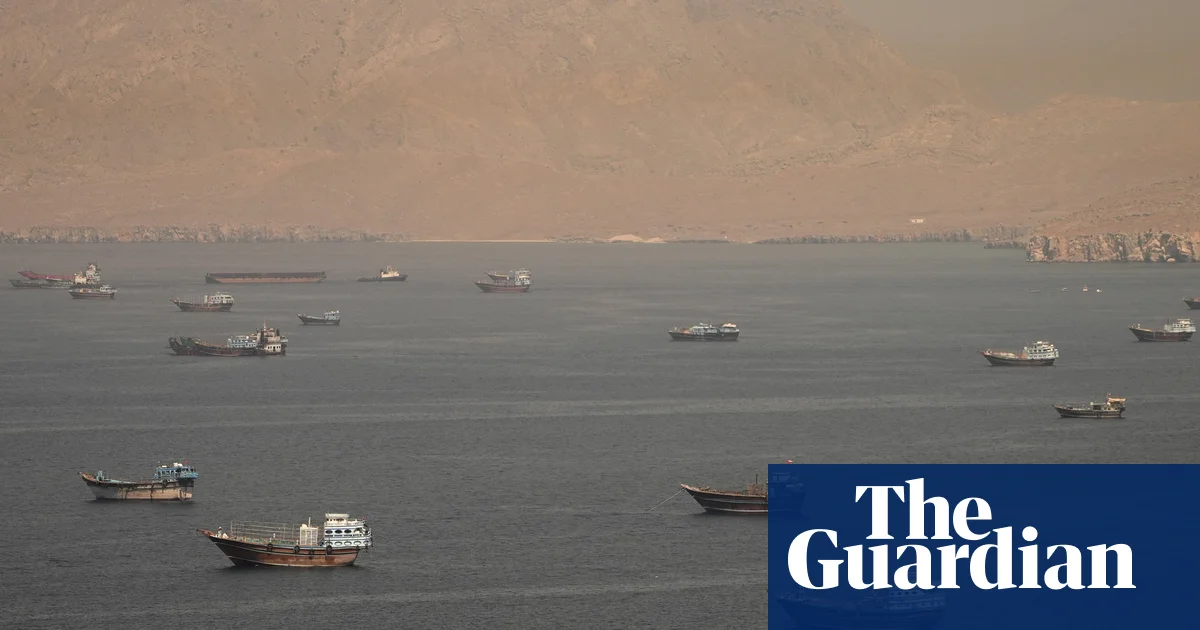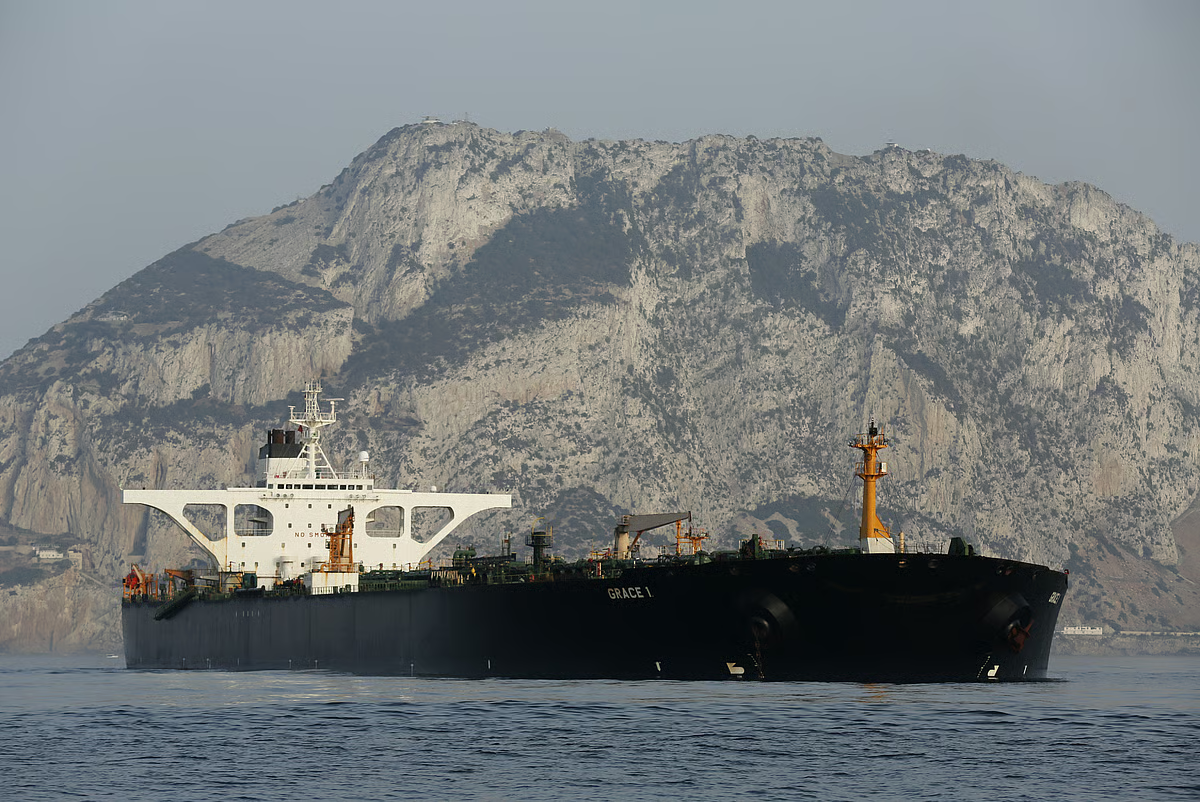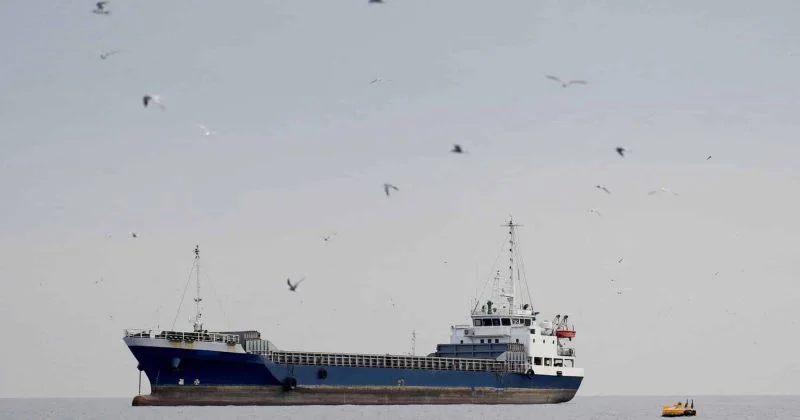
Europe has reportedly come to terms with the inevitability of transit fees for ships passing through the Strait of Hormuz, according to a Bloomberg Markets report. This development follows a US-Iran naval blockade and the breakdown of a 60-day negotiation framework. The situation has escalated as Iran seeks to impose mandatory fees, contrasting with Oman’s voluntary fee proposals. This shift suggests a potential move toward permanent control over regional shipping lanes, reminiscent of the Tanker War conflicts of the 1980s.
Prediction markets reflect this shift, with pricing in the “Iran charges Hormuz fees by October 31” market suggesting a 74.5% likelihood that Iran will levy fees by that date. Other markets with nearer deadlines show less confidence, with the July 31 market priced at just 6.5% YES. This divergence in market sentiment could indicate expectations of a longer negotiation or implementation timeline.
Stakeholders, including European shipping firms and regional governments, may need to adapt to these developments. The potential for Iran to collect fees has significant implications for global shipping routes, energy markets, and geopolitical stability in the region.
Key Takeaways