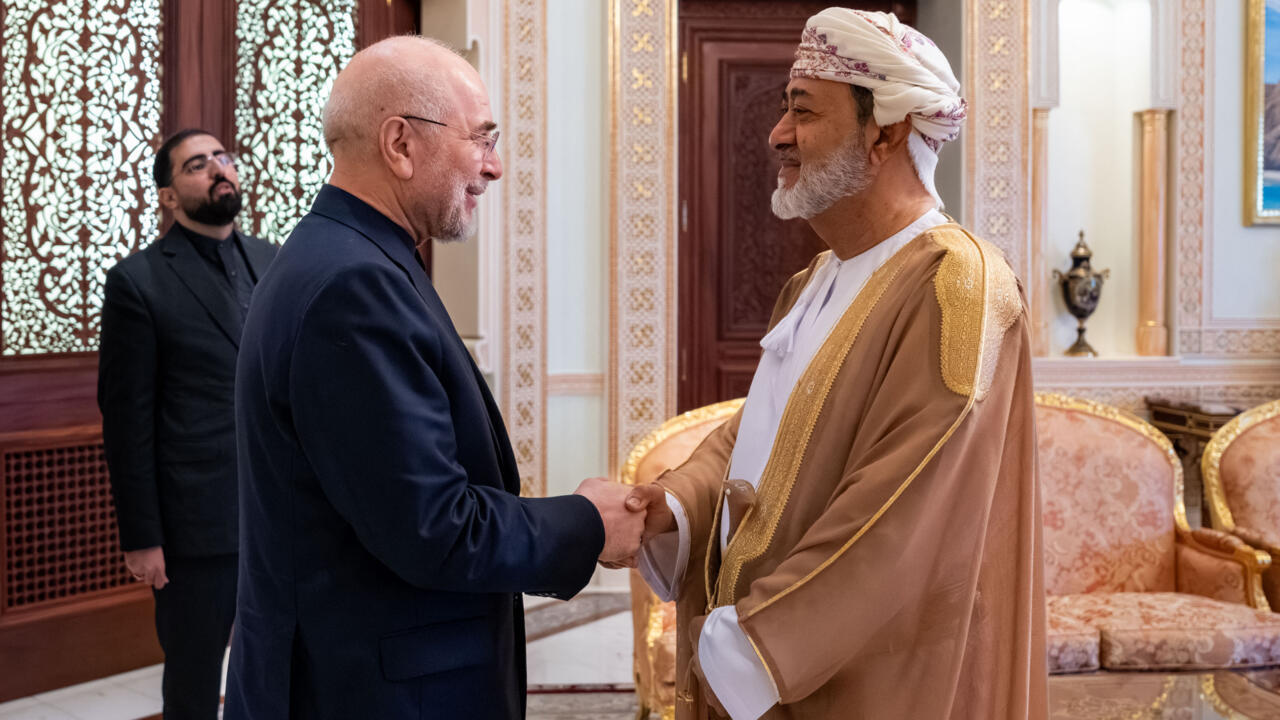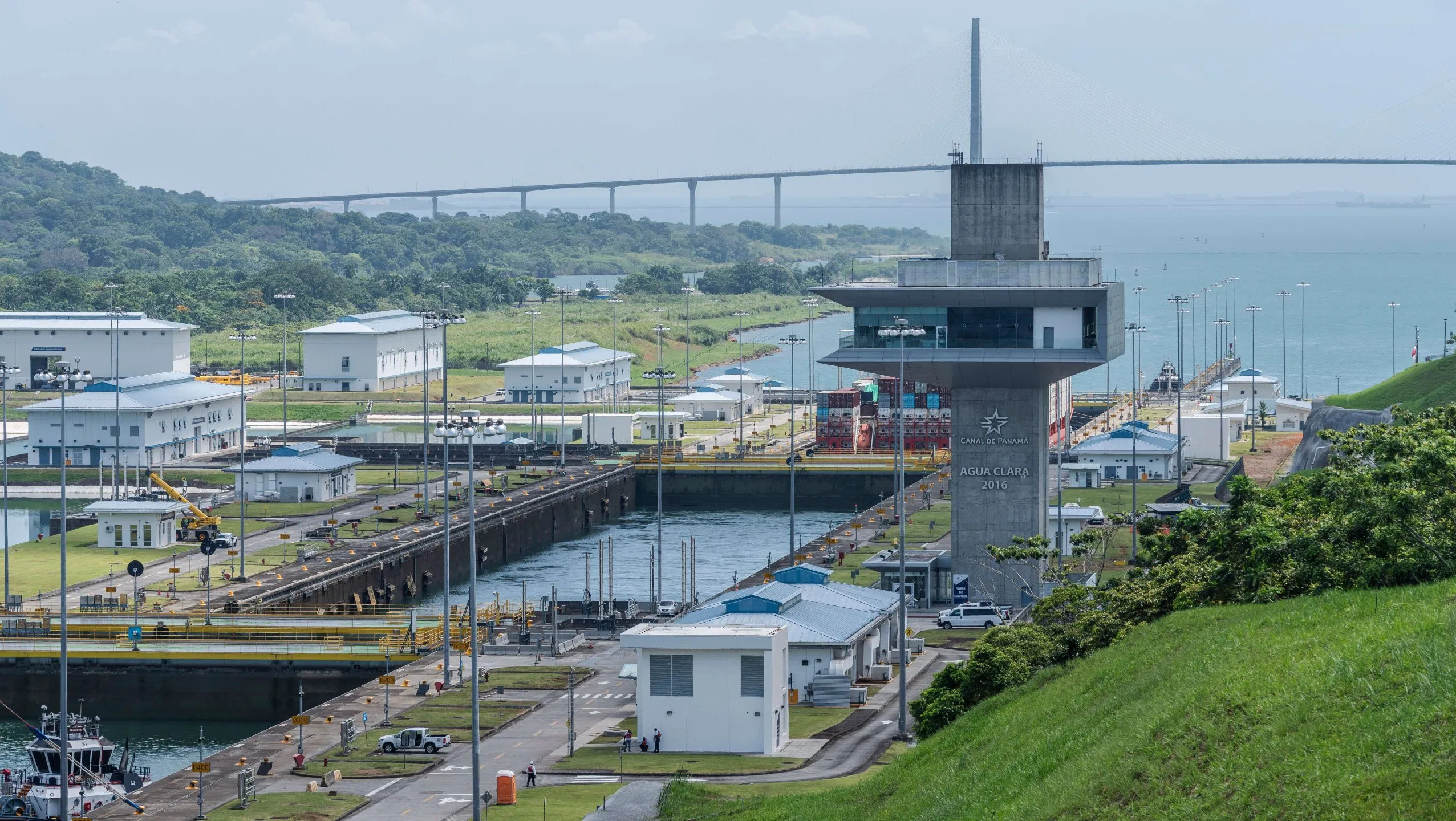
International law generally guarantees ships a right of transit passage through straits used for international navigation, and coastal states aren’t allowed to charge vessels simply for exercising that right. The rules do, however, permit charges for “specific services rendered to the ship.” Oman is a party to the UN Convention on the Law of the Sea, or UNCLOS; Iran isn’t.Manmade waterways such as the Suez and Panama canals operate under different legal arrangements. They are considered sovereign infrastructure whose operators can charge ships to sail through their waterways.Strait of Hormuz
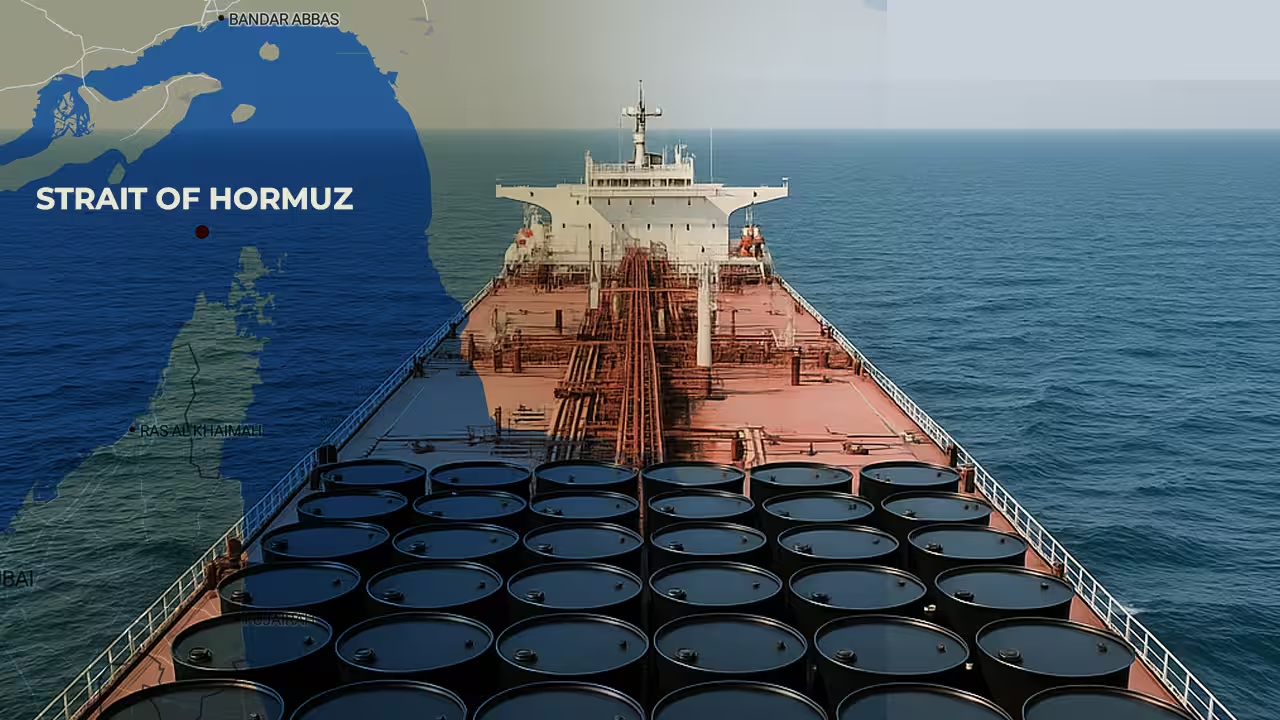
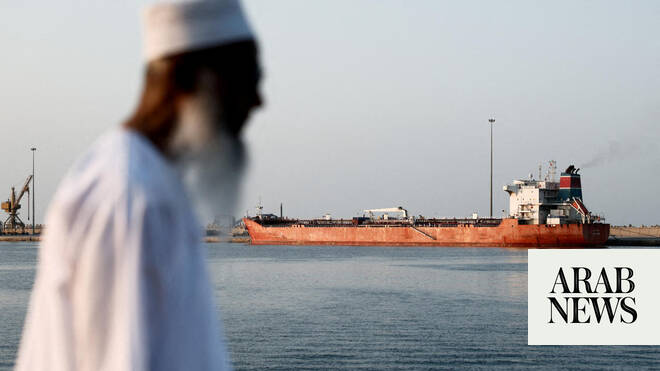
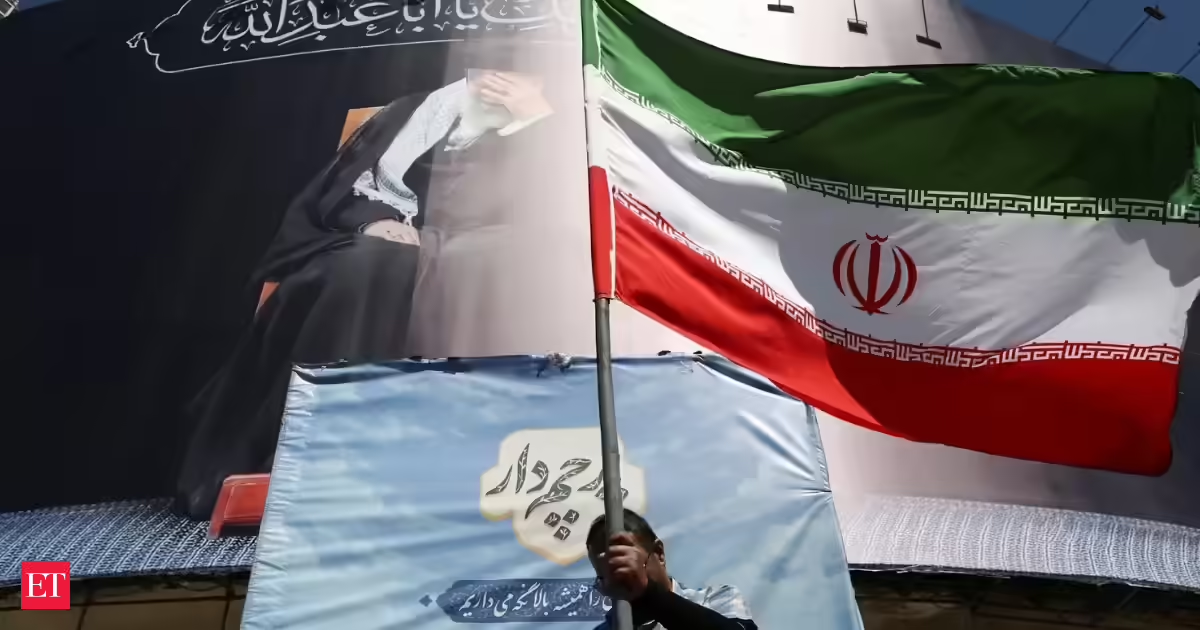
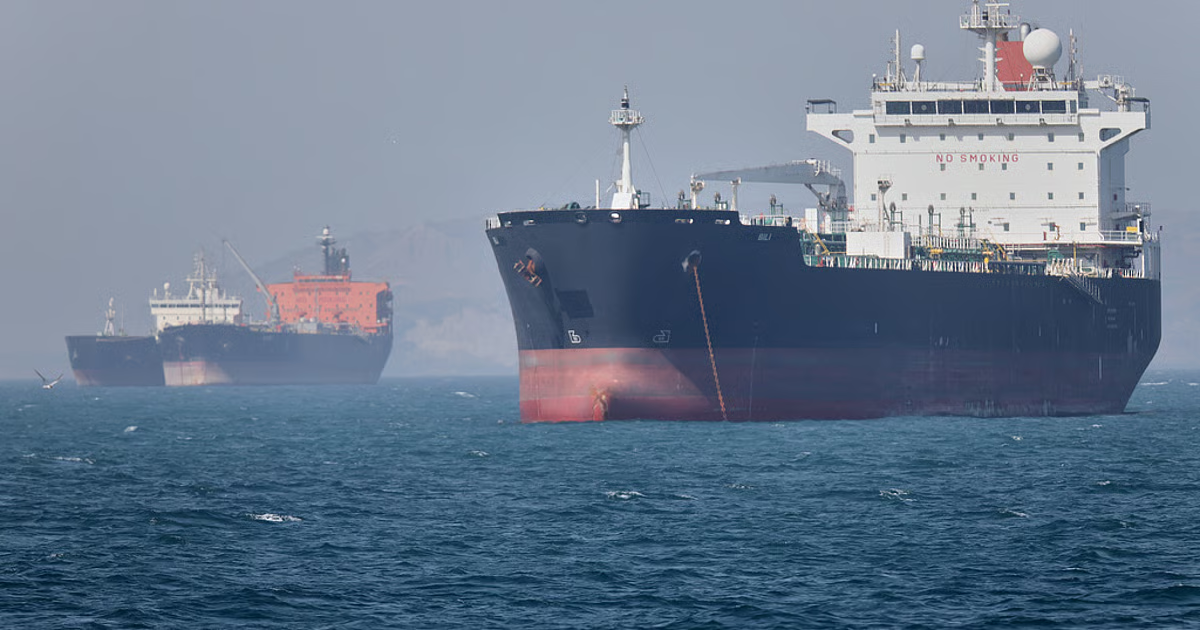
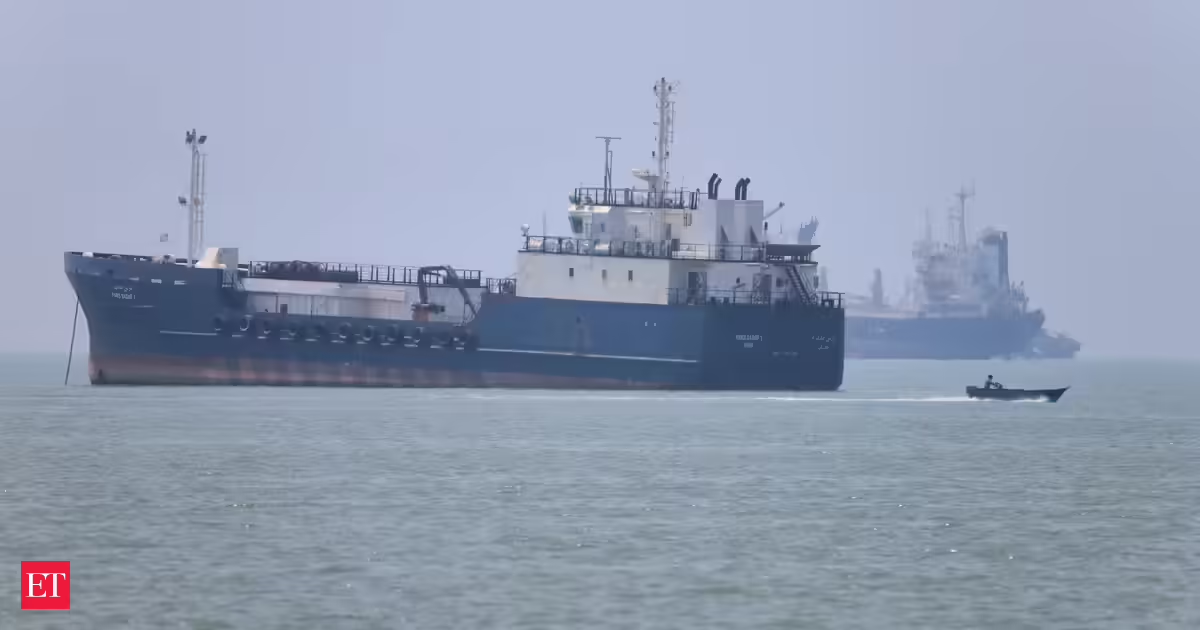
The Strait of Hormuz connects the Persian Gulf with the Gulf of Oman and the Arabian Sea. It carries roughly one-fifth of the world’s oil trade from Saudi Arabia, Iraq, Kuwait, the United Arab Emirates, Qatar and Iran to markets in Asia, Europe and beyond. The strait is a natural waterway used for international navigation, and ships have long enjoyed a right of free passage through it. But the US-Israel war against Iran disrupted the status quo.After the conflict began, Iran effectively closed the strait by launching attacks on ships. For those vessels that did cross, it imposed ad-hoc transit fees, demanding as much as $2 million per voyage, creating an informal toll system. Since the US and Iran agreed to a ceasefire in June, traffic through Hormuz has picked up, though continued, sporadic strikes on vessels have made shipowners uneasy.Iran is now requiring commercial vessels to obtain explicit approval to sail through the waterway. As part of its truce with the US, Iran said it would suspend charging for transit during a 60-day waiver period to allow trade to resume. But it insists that after the waiver expires in August, it will again require payments. Rather than a toll just for the privilege of crossing the strait, Iranian officials say these will be fees, for example for “navigation, security and environmental services,” according to Foreign Ministry spokesman Esmail Baghaei.The US and its allies oppose Iran’s plan. Critics of it say that the fees constitute a toll by another name. It also could theoretically expose those who pay to the risk of being sanctioned by the US for financial dealings with Washington-blacklisted entities, although the US has agreed to unwind all its sanctions on Iran.It’s unclear what level of fees Iran has in mind. In projecting how much money the country might raise, the semi-official Tasnim News Agency in March made two calculations, one using $2 million per vessel and another using $400,000, its estimate of transit costs through the Suez and Panama canals.Bosphorus/Dardanelles Straits