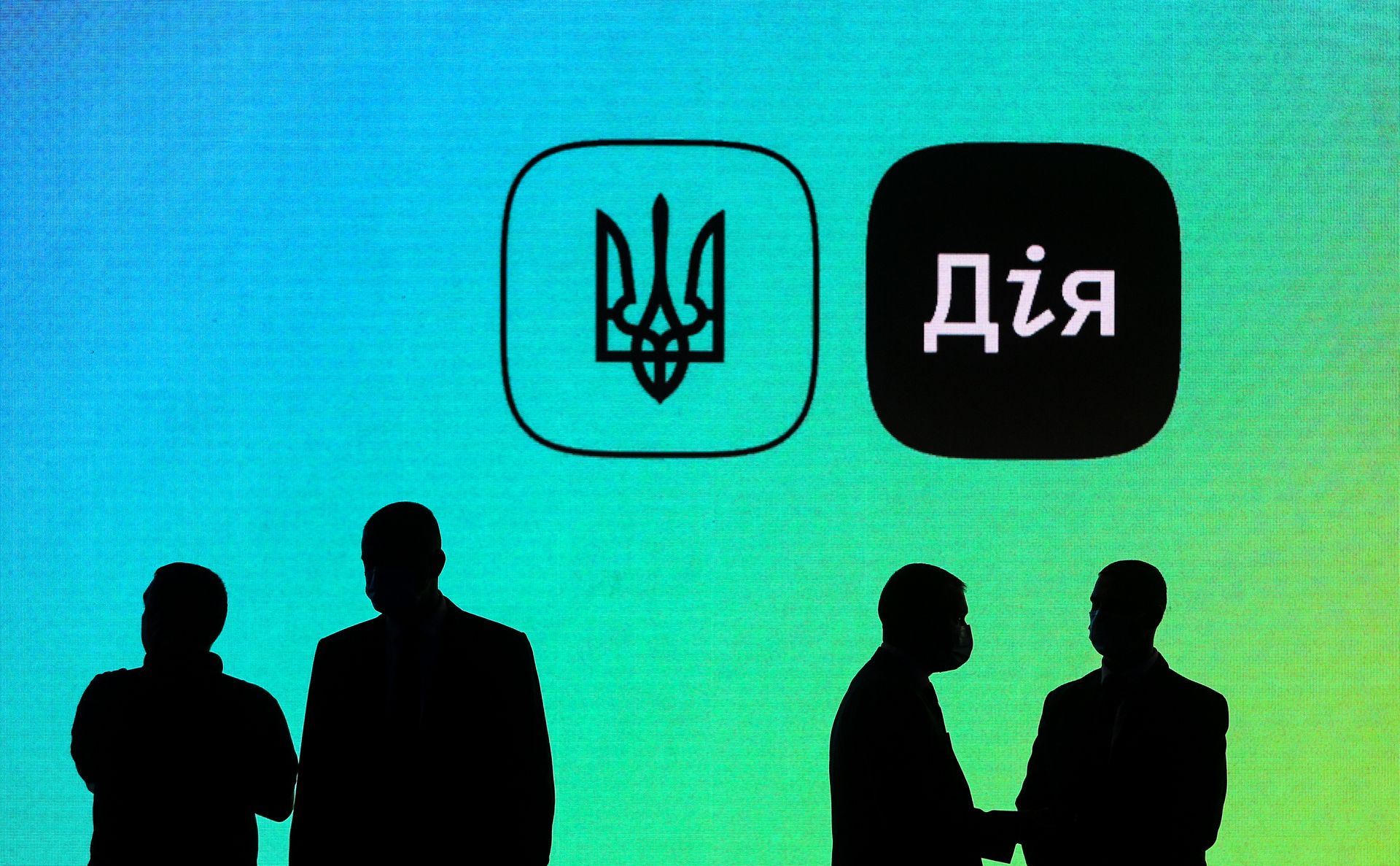
For the past two years, the global discourse surrounding Ukraine has been trapped in a predictable duality, oscillating between the undeniable heroism of the front lines – and persistent skepticism about internal corruption. Yet between these two extremes lies a reality the international community often overlooks. While many observers wait for Ukraine to “fix” itself to meet traditional European standards, the country is stress-testing governance, business, and social resilience models that may help reshape them.JOIN US ON TELEGRAMFollow our coverage of the war on the @Kyivpost_official. The gap between perception and reality is widening. As of early 2026, more than 23 million citizens have been interacting with the state through the Diia ecosystem, managing documents, taxes, and business services online. What was once associated with post-Soviet bureaucracy is now among Europe’s most digitized public administrations. More than 150 services are automated, reducing discretionary contact points and creating auditable digital trails that structurally limit petty corruption. While international coverage often focuses on high-profile scandals – which remain real and must be addressed – it frequently overlooks the structural redesign underway beneath the headlines. Importantly, Ukraine’s anti-corruption transformation is not limited to digitalization. Institutional architecture has also evolved. Bodies such as the National Anti-Corruption Bureau of Ukraine (NABU), the Specialized Anti-Corruption Prosecutor’s Office (SAPO) and the High Anti-Corruption Court of Ukraine (HACC) continue to pursue high-level cases under intense scrutiny from civil society, international partners, and domestic media – a level of transparency that itself signals structural change.
The Ukrainian Exception: Why the ‘Corruption Narrative’ Misses Europe’s Most Innovative Transformation
Ukraine’s transformation goes far beyond the corruption narrative, with digital governance, SME resilience, and mental‑health innovation redefining how the country adapts under wartime pressure.
1,250 words~6 min read