For generations of American families, railroading has been more than a job; it has been a way of life. Parents passed down careers to their children. Communities grew around rail hubs. Entire family trees were built on the promise that hard work on the railroad could create opportunity and stability for the next generation.That is why rail safety matters.Not because it is a political talking point in Washington, but because every decision affects real people who expect to come home safely at the end of the day and who hope their children might someday have the same opportunity.
OPINION: THE RAILWAY SAFETY ACT WOULD STAND IN THE WAY OF ENERGY ABUNDANCE
Which is exactly why Congress is in danger of solving the wrong problem.
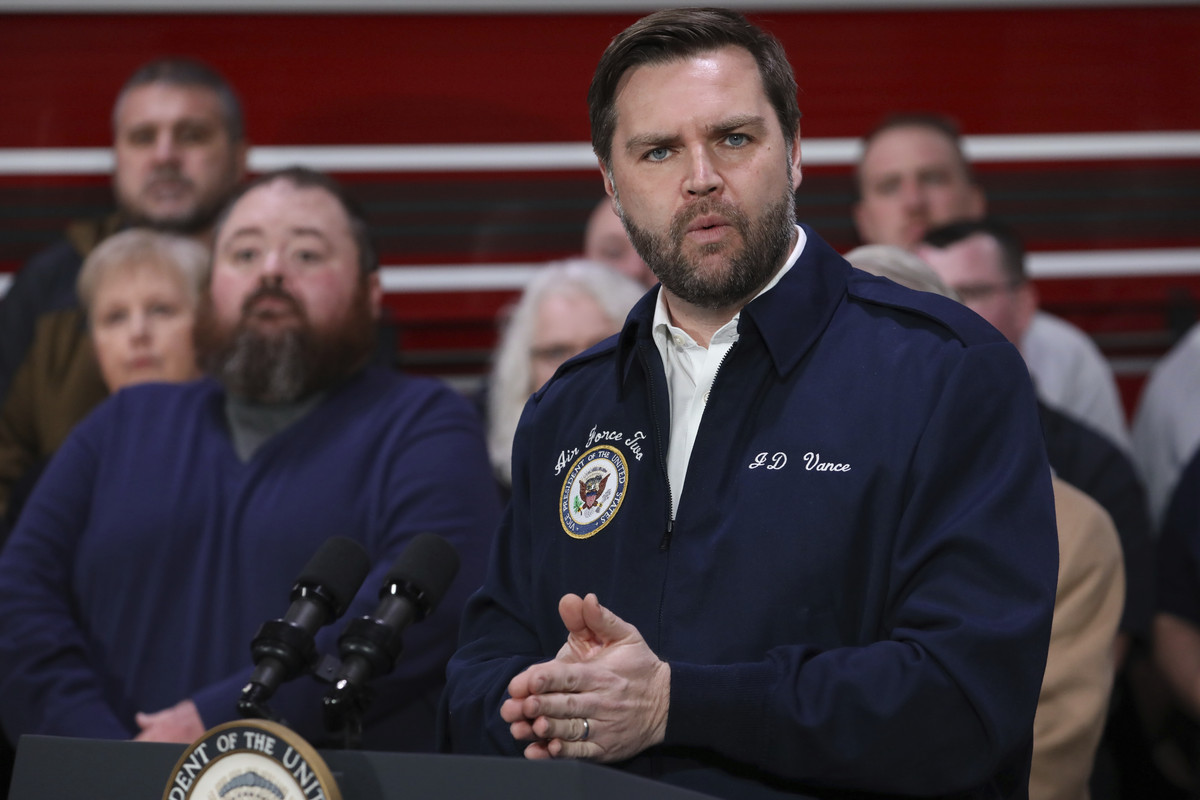
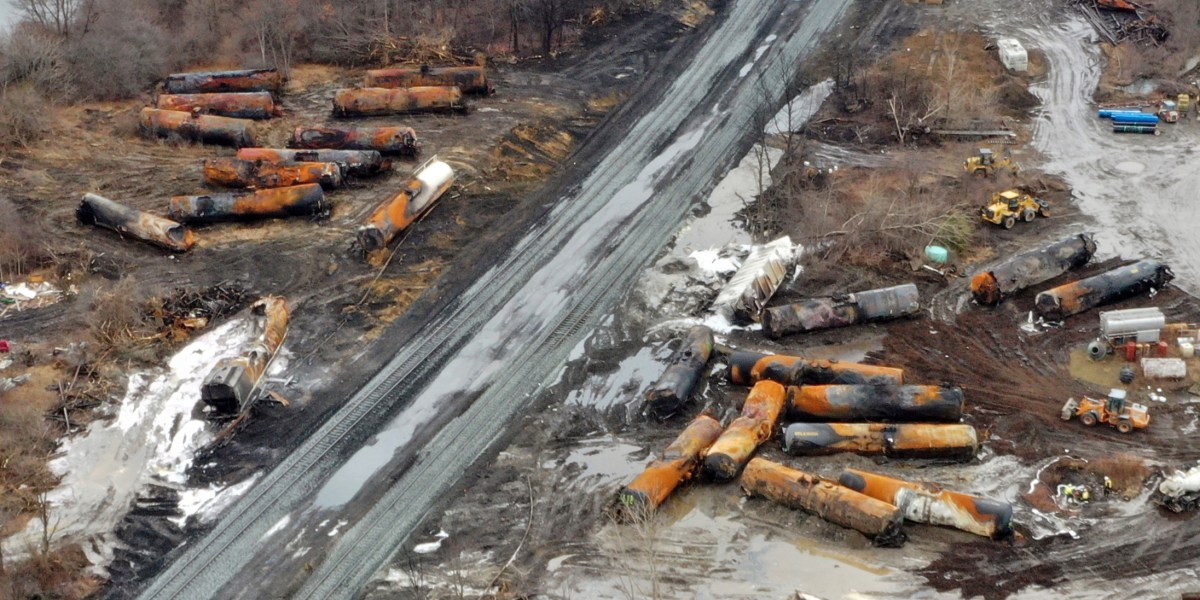
Following the Norfolk Southern derailment in East Palestine, Ohio, in 2023, lawmakers understandably wanted to act. The Railway Safety Act, originally introduced by then-Sen. JD Vance, emerged from that moment with the goal of improving rail safety. But if Congress is serious about preventing future accidents, it should reject policies that make headlines and focus instead on policies that address the actual causes of accidents.
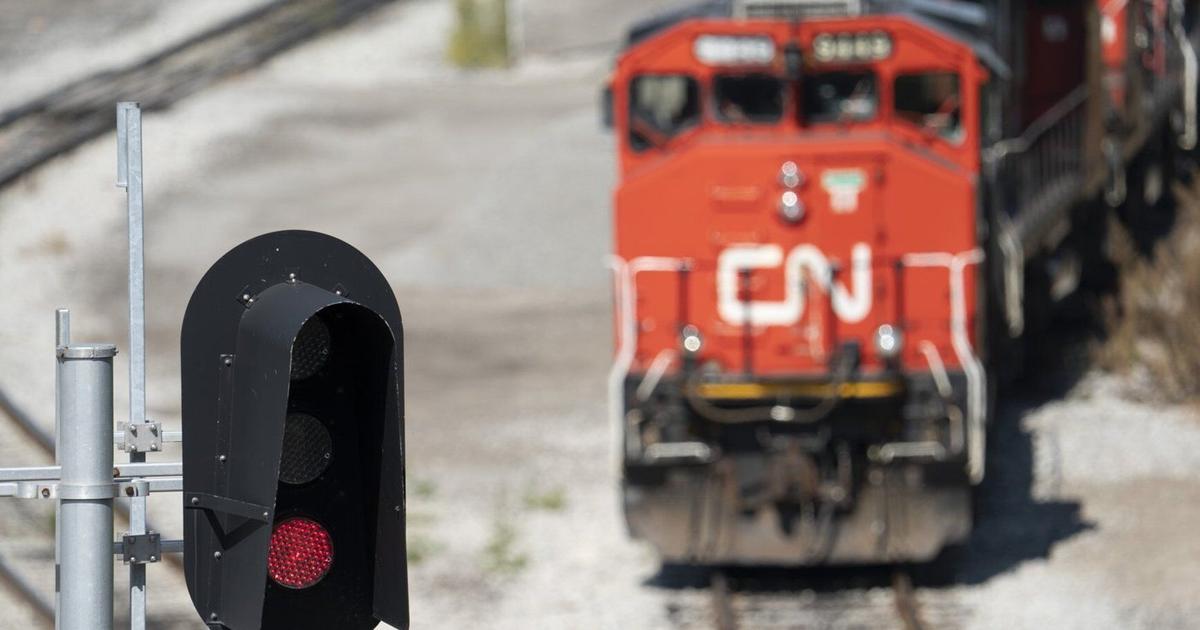
As Congress prepares a new Surface Transportation Reauthorization bill in 2026, elements of the Railway Safety Act are returning, including a proposal to mandate two crew members in the operating cab of Class I freight trains. At first glance, the logic feels obvious: more people must mean more safety. But that assumption deserves scrutiny.