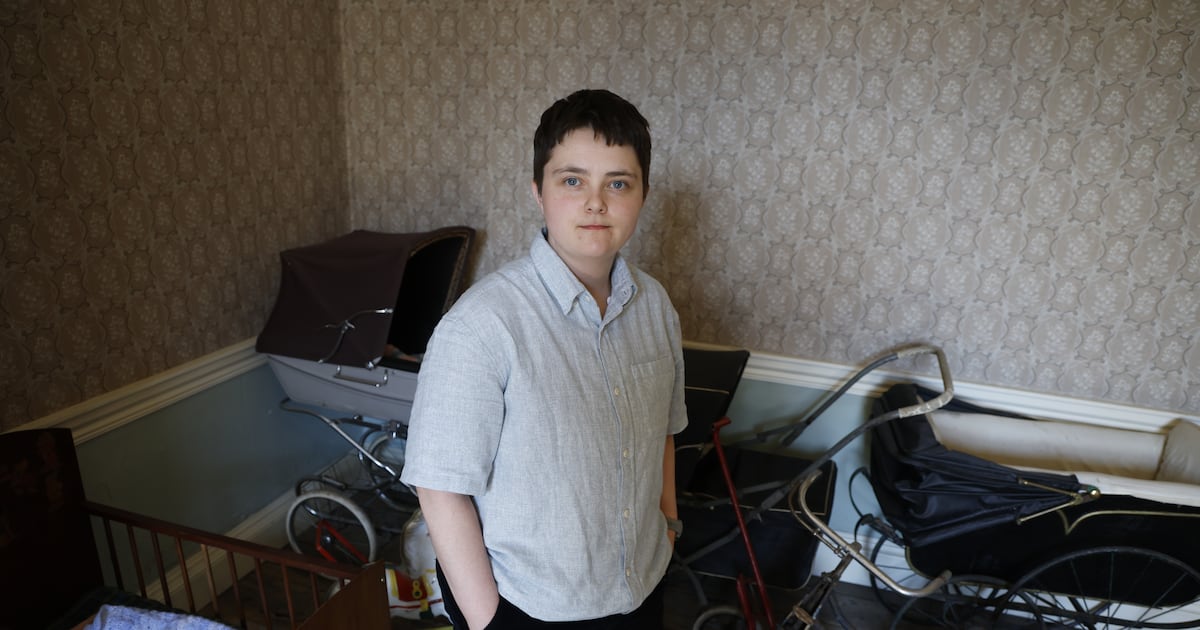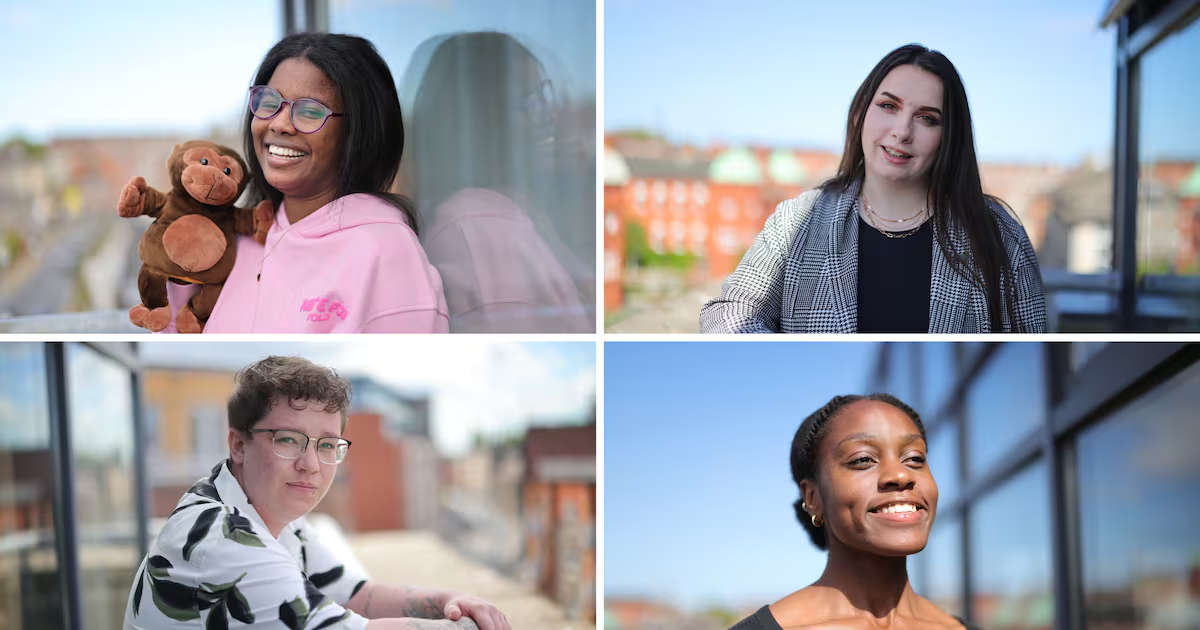
There are about 6,000 children and teenagers in the care system in Ireland. Some are in foster homes and some in residential care. Epic [Empowering People in Care] is a voluntary organisation that represents them. In their offices in Smithfield, Dublin, I meet four members of Epic’s Youth Council who have spent time in care: clever, funny and caring young adults who want to tell me about their lives. They’re all in a good place, but too many young people who go through the care system experience homelessness and poverty and they want to advocate for them.Nineteen-year-old Anisa Abuukar is playing with a cuddly puppet to make the others laugh. She came to Ireland from Somalia as an unaccompanied minor when she was 14. “My mam got married when she was 13, an arranged marriage. He brought her into the countryside ... Then he left us. My mam doesn’t want what happened to her happening to me, an arranged marriage.”The man who escorted her here left her at the airport. She was terrified and didn’t have much English. She experienced both foster homes and residential care. In her first residential placement she didn’t engage with anyone. She was moved to a foster home but it didn’t work out. “I was a child who woke up at 2am and cried. The social workers brought me to a residential house.”She missed her mother. “When I got my period the first time, I didn’t know how to manage. I was hiding in my bed all day. I said, ‘I want to go to my GP.’ I said to the GP, ‘I want you to stop this blood please.’ Every month I couldn’t manage. They [some staff members] were always angry. ‘You have to change your bedsheets. You’re old enough.’ ... I hated having a period.”'I got a lot of stigma. You hide that you’re in care,' says Anisa Abuukar (19). Photograph: Bryan O’Brien She ended up in a psychiatric hospital for a while. “My weight was so low ... I had a lot of placements. People couldn’t understand me very well ... They’d report it if I got angry. They’d call my social worker if something happened. They’d call me crazy if my mental state wasn’t good and I broke something.” Anisa says they should have been asking: “Why is this young person crying? What do they need? What service do they need?’”“There is such a crisis-led approach being used,” chips in 23-year-old Andrea Reilly. “They’ll wait till the situation gets really, really bad before they step in to give you the right supports.”Anisa’s last placement, in Tallaght, was by far her best. The staff there were more experienced, she says, and they were very kind to her and really helped her with her mental health. They brought her to Jigsaw, the youth mental health service, and she ended up getting an autism diagnosis. “I got the help I needed ... It took me three to four years to understand things [here]. I feel like Ireland is my country now ... I want to help people.” Andrea is from Nenagh, Co Tipperary, and was in foster care from birth. She’s studying youth and community work in University College Cork (UCC) and already talks with the passionate fluidity of an activist. She paces as she talks. “I was placed into care because my mother had issues with addiction. I have a disability called foetal alcohol spectrum disorder ... Luckily, I was in a placement that had very good awareness of stuff like that, but I think that there was lack of understanding from [some] social workers and professionals ... I’m still very close with my former foster family.”Andrea Reilly (23), who was in foster care since birth, is now studying youth and community work in University College Cork. Photograph: Bryan O’Brien
Growing up in care: ‘I remember a lot of people not being allowed to be friends with me in school’
Four young adults who have spent time in Ireland’s care system tell Patrick Freyne about their lives
2,074 words~9 min read